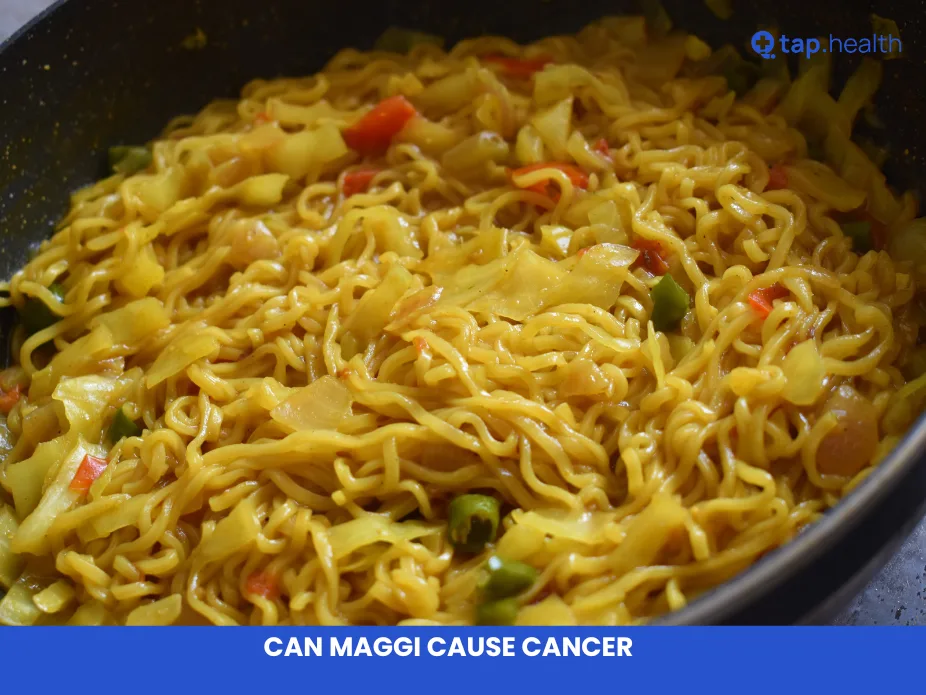
Maggi noodles are a beloved snack for many around the world, especially in India. But lately, questions have arisen: Can Maggi cause cancer? In this blog, we’ll dive deep into this concern, breaking down the facts in a simple and easy-to-understand way. Let’s explore what’s really behind these worries and what you need to know to stay healthy.
Introduction
Maggi noodles have been a staple in Indian households for decades. Quick to prepare and tasty, they’re perfect for busy days. However, recent debates and news reports have sparked fears about their safety, particularly the question: Can Maggi cause cancer? Understanding the ingredients and their effects is crucial for making informed choices about your diet.
What is Maggi?
Maggi is a brand of instant noodles produced by Nestlé. Introduced in the 1980s, it quickly became popular due to its convenience and flavor. Today, Maggi offers a variety of flavors and types, catering to different tastes and dietary preferences.
Key Ingredients in Maggi
Maggi noodles typically contain:
- Wheat Flour: The base of the noodles.
- Salt: Enhances flavor.
- Palm Oil: Used for frying the noodles before packaging.
- Spices and Seasoning: For taste.
- Monosodium Glutamate (MSG): A flavor enhancer.
- Preservatives: To extend shelf life.
Understanding these ingredients helps us assess any potential health risks associated with Maggi consumption.
Ingredients of Concern: Are They Linked to Cancer?
There are several ingredients in Maggi that have raised health concerns. Let’s examine them one by one.
Monosodium Glutamate (MSG)
MSG is a common flavor enhancer found in many processed foods, including Maggi. Some people worry that MSG might be harmful, but research shows it is generally safe for consumption.
- Scientific Consensus: According to the World Health Organization (WHO), MSG is safe for the general population when consumed in normal amounts.
- Potential Effects: While some individuals may experience mild symptoms like headaches or nausea, these reactions are rare and not linked to cancer.
Preservatives and Additives
Maggi contains preservatives to keep the noodles fresh and prevent spoilage. Common preservatives include:
- BHA and BHT: Antioxidants used to prevent fats from becoming rancid.
- Artificial Colors and Flavors: Enhance the appearance and taste.
- Health Concerns: Long-term consumption of high levels of certain preservatives has been a topic of debate. However, regulatory bodies like the Food Safety and Standards Authority of India (FSSAI) have approved their use in limited quantities deemed safe for consumption.
Palm Oil
Palm oil is used in frying Maggi noodles. While it’s a source of saturated fat, its consumption in moderation is generally considered safe.
- Health Impact: Excessive intake of saturated fats can lead to heart disease, but there is no direct link between palm oil and cancer.
Is There Evidence Linking Maggi to Cancer?
As of now, there is no scientific evidence directly linking Maggi noodles to cancer. Concerns largely stem from misunderstandings or misinterpretations of the ingredients used in processed foods.
Studies and Research
- MSG and Cancer: Extensive research, including studies by the National Cancer Institute (NCI), has found no connection between MSG consumption and cancer.
- Preservatives: Approved preservatives have been extensively tested for safety. No credible studies have established a cancer risk from these additives when consumed within recommended limits.
Regulatory Oversight and Safety Standards
Maggi noodles are subject to strict safety regulations in India and other countries where they are sold.
Food Safety and Standards Authority of India (FSSAI)
- Role: The FSSAI ensures that all food products, including Maggi, meet safety and quality standards.
- Testing: Regular inspections and testing are conducted to ensure compliance with safety norms.
International Standards
Maggi adheres to international food safety standards set by organizations like the International Food Standards (Codex Alimentarius), ensuring their products are safe for global consumption.
Real-life Scenarios
To understand the impact of these concerns, let’s look at real-life stories from India.
Real-life Scenarios
Scenario 1: Priya’s Concerns After Media Reports
Priya, a 35-year-old teacher from Mumbai, heard on the news that Maggi noodles might be harmful. Worried about her family’s health, she decided to cut down on Maggi consumption.
- Outcome: After consulting with a nutritionist, Priya learned that moderate consumption of Maggi is safe. She incorporated more fresh foods into her diet while still enjoying Maggi occasionally.
Scenario 2: Amit’s Balanced Approach
Amit, a 28-year-old software engineer from Delhi, loves Maggi noodles but was concerned after reading mixed reviews online.
- Outcome: Amit decided to balance his diet by eating Maggi in moderation and including more vegetables and proteins in his meals. This approach helped him maintain a healthy diet without giving up his favorite snack.
These scenarios highlight the importance of informed decision-making and balanced eating habits.
Expert Contributions
Dr. Ananya Gupta, a renowned nutritionist at AIIMS (All India Institute of Medical Sciences) in New Delhi, shares her insights:
“Maggi noodles, like many processed foods, can be part of a balanced diet when consumed in moderation. The key is to be aware of the ingredients and to ensure that they do not form the bulk of one’s diet. Incorporating a variety of fresh foods ensures that you receive all necessary nutrients without overreliance on any single product.”
Recommendations Grounded in Proven Research and Facts
Maintaining a healthy diet involves understanding what you eat and making informed choices. Here are some recommendations based on reliable research:
1. Moderation is Key
While Maggi noodles are safe to eat occasionally, relying on them as a primary food source is not advisable. Balance your diet with a variety of fresh fruits, vegetables, proteins, and whole grains.
2. Read Labels Carefully
Always check the ingredient list and nutritional information on food packaging. Being aware of what you consume helps you make healthier choices.
3. Limit Processed Foods
Minimize the intake of processed foods high in salt, saturated fats, and preservatives. Opt for natural, unprocessed foods whenever possible.
4. Enhance Maggi with Healthy Additions
Add vegetables, lean proteins, and spices to your Maggi noodles to increase their nutritional value. This makes your meal more balanced and nutritious.
5. Stay Informed
Keep up-to-date with reliable sources of information regarding food safety and nutrition. Trusted websites like the FSSAI and WHO provide accurate and current information.
6. Consult Healthcare Professionals
If you have specific health concerns or dietary restrictions, consult with a healthcare professional or a certified nutritionist to tailor a diet plan that suits your needs.
Factual and Reliable Information
The information provided in this blog is based on reputable sources to ensure accuracy and reliability. Some of these sources include:
- World Health Organization (WHO) on MSG
- Food Safety and Standards Authority of India (FSSAI)
- National Cancer Institute (NCI)
These organizations provide comprehensive information on food safety, health risks, and nutritional guidelines.
FAQ on Can Maggi Cause Cancer?
Can Maggi noodles cause cancer?
No, there is no scientific evidence linking Maggi noodles to cancer. The ingredients used in Maggi are approved by food safety authorities and are safe when consumed in moderation.
What ingredients in Maggi are of concern?
Ingredients like monosodium glutamate (MSG), preservatives (BHA, BHT), and palm oil have raised health concerns. However, these are generally considered safe by regulatory bodies when consumed within recommended limits.
How often can I safely eat Maggi noodles?
Eating Maggi noodles occasionally as part of a balanced diet is considered safe. It is advisable not to rely on them as a primary food source.
Are there any healthier alternatives to Maggi?
Yes, there are healthier alternatives such as whole grain noodles, homemade noodles with fresh vegetables, and using low-sodium seasoning options.
What should I do if I experience adverse effects after eating Maggi?
If you experience symptoms like headaches, nausea, or allergic reactions after eating Maggi, consult a healthcare professional to determine the cause and receive appropriate advice.
Is MSG harmful?
Monosodium glutamate (MSG) is generally safe for most people. While some individuals may experience mild symptoms like headaches or nausea, extensive research has not found a direct link between MSG and serious health issues like cancer.
How can I make Maggi healthier?
Enhance your Maggi by adding fresh vegetables, lean proteins, and reducing the seasoning packet to lower sodium intake. This boosts the nutritional value of your meal.
Eating a variety of foods in moderation is essential for maintaining good health. While Maggi noodles are safe to consume occasionally, it’s important to balance your diet with nutritious, whole foods. By staying informed and making mindful choices, you can enjoy your favorite snacks without compromising your health. Always consult with healthcare professionals if you have any concerns about your diet or health.