How Meal Timing Influences Weight Loss Naturally
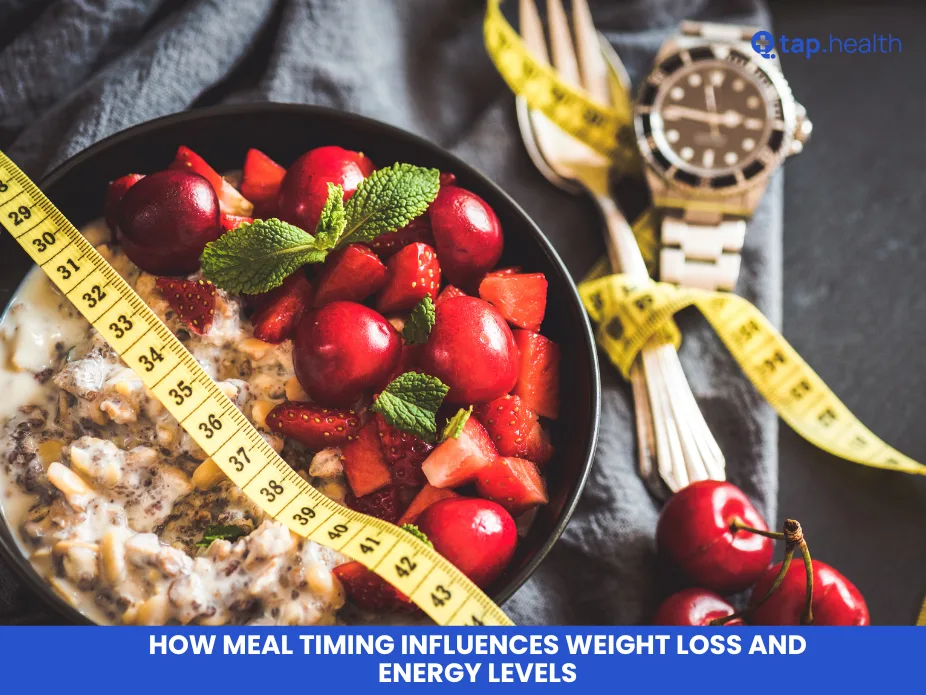
Meal timing influences weight loss by aligning food intake with your body’s internal clock. When you eat impacts metabolism, insulin sensitivity, and fat burning more than many realize. Eating during daylight hours supports efficient calorie use, while late-night meals often lead to fat storage.
Understanding Circadian Rhythm Eating for Better Metabolism
Circadian rhythm eating means consuming meals when your body processes nutrients best. Insulin sensitivity peaks in the morning and drops at night. This natural cycle explains why early eating promotes fat burning and consistent energy. Syncing meals with circadian rhythm improves hormone regulation and prevents energy crashes.
Time-Restricted Eating: Proven Strategy for Weight Loss
Time-restricted eating limits food intake to an 8-12 hour window daily. Research shows this pattern reduces body fat, enhances insulin sensitivity, and boosts energy levels. By fasting overnight, you allow your body to repair and burn stored fat effectively.
Best Breakfast Timing to Jumpstart Energy and Metabolism
Optimal breakfast timing is within one hour of waking. A balanced morning meal stabilizes blood sugar, prevents mid-morning slumps, and kickstarts metabolism. People who eat breakfast maintain better weight control and experience sustained energy throughout the day.
Ideal Lunch Timing for Sustained Afternoon Energy
Lunch timing matters for avoiding the common 3 PM energy crash. Eating around midday with complex carbohydrates, protein, and healthy fats provides steady fuel. This combination keeps blood sugar stable and supports focus during work hours.
Dinner Timing Mistakes That Cause Weight Gain
Late dinner timing disrupts weight loss efforts. Eating heavy meals after 7 PM reduces calorie burning and increases fat storage. Finish dinner 2-3 hours before bed to improve digestion, sleep quality, and morning energy levels.
Smart Snacking Timing Between Meals
Strategic snacking timing prevents hunger and energy dips. Choose protein-fat combinations like nuts with fruit during your eating window. Avoid sugar-heavy snacks that cause blood sugar spikes and subsequent crashes.
Real Results from Proper Meal Timing
Sarah adopted an 8-hour eating window from 10 AM to 6 PM. Within weeks, she experienced consistent energy, reduced cravings, and noticeable weight loss. John started eating breakfast daily and eliminated afternoon fatigue while improving his focus and productivity.
Expert Insight on Meal Timing Benefits
Registered dietitians emphasize that meal timing works with your body’s natural processes. Daytime eating optimizes digestion and metabolism while preventing overeating. Consistent schedules regulate hunger hormones and maintain stable energy levels.
Practical Meal Timing Recommendations
- Start with protein-rich breakfast within 60 minutes of waking
- Keep eating window between 8-12 hours maximum
- Finish last meal 3 hours before bedtime
- Maintain consistent daily meal times
- Choose balanced snacks with protein and healthy fats
Common Questions About Meal Timing and Weight Loss
Q: How does meal timing affect fat burning?
A: Eating during high insulin sensitivity hours (morning/daytime) promotes fat burning while nighttime eating favors fat storage.
Q: What’s the best eating window for beginners?
A: Start with a 12-hour window (8 AM-8 PM) and gradually reduce to 10 or 8 hours as your body adjusts.
Q: Does coffee break time-restricted eating?
A: Black coffee without sugar or milk doesn’t break your fast and can extend fat-burning periods.
Q: Can meal timing help with PCOS weight loss?
A: Yes, earlier eating windows improve insulin resistance common in PCOS and support hormonal balance.
How Can TapHealth Help Manage Diabetes Through Better Meal Timing?
TapHealth provides personalized meal timing guidance specifically designed for diabetes management. The platform tracks your eating patterns against blood glucose readings, showing exactly how different timing affects your numbers. Users see real-time insights about their circadian rhythm eating patterns and receive customized recommendations for optimal breakfast timing, lunch timing, and dinner timing that stabilize blood sugar naturally.
The diabetes-specific features include:
- Automatic eating window tracking
- Personalized insulin sensitivity reports
- Smart reminders for optimal meal times
- Integration with continuous glucose monitors
- Proven templates for time-restricted eating that lower A1C
Thousands of users with prediabetes and type 2 diabetes have improved their time-restricted eating success using TapHealth’s precise timing analysis. Start your journey toward better glucose control through intelligent meal timing today.