Diabetes is a condition that affects millions of people around the world, but did you know there’s a lesser-known form of the disease called LADA diabetes? LADA, or Latent Autoimmune Diabetes in Adults, is a type of diabetes that has characteristics of both Type 1 and Type 2 diabetes. It often gets overlooked because its symptoms resemble those of Type 2 diabetes but develop in a way more similar to Type 1. This can lead to confusion and misdiagnosis.
But just how rare is LADA diabetes? In this blog post, we will explore the prevalence of LADA diabetes, its symptoms, how it’s diagnosed, and the treatment options available. By the end, you’ll have a better understanding of this unique condition and how it differs from other types of diabetes.
What is LADA Diabetes?
Before we get into how rare LADA diabetes is, let’s first define what it is and how it affects the body. Latent Autoimmune Diabetes in Adults is often described as a form of Type 1.5 diabetes because it shares characteristics with both Type 1 and Type 2 diabetes. LADA is a condition where the immune system mistakenly attacks the insulin-producing cells in the pancreas, similar to Type 1 diabetes, but it occurs in adults and progresses much more slowly.
In Type 1 diabetes, the immune system attacks the beta cells in the pancreas, which leads to an absolute lack of insulin. On the other hand, Type 2 diabetes typically involves insulin resistance, where the body doesn’t use insulin effectively, but the pancreas still produces insulin, especially in the early stages.
Key Features of LADA Diabetes:
- Autoimmune attack: Like Type 1 diabetes, LADA involves an autoimmune reaction where the body’s immune system attacks and destroys insulin-producing cells in the pancreas.
- Slow progression: Unlike Type 1 diabetes, which develops rapidly, LADA progresses slowly. It may take years for insulin production to significantly decrease.
- Adult onset: LADA typically affects adults, usually between the ages of 30 and 50, making it different from Type 1 diabetes, which is typically diagnosed in childhood or adolescence.
- Insulin dependence: Over time, people with LADA may require insulin therapy as the disease progresses, similar to those with Type 1 diabetes.
How Rare is LADA Diabetes?
Now that we have an understanding of what LADA diabetes is, the next question is: How rare is it?
LADA diabetes is relatively rare, but it’s more common than most people think. Studies suggest that 10-15% of adults with diabetes may have LADA, but because the condition develops slowly and presents with symptoms similar to Type 2 diabetes, it is often misdiagnosed. Many people with LADA are initially diagnosed with Type 2 diabetes and are prescribed medications like oral drugs or metformin. However, as the disease progresses, they may eventually require insulin therapy, which leads doctors to reconsider the diagnosis.
How LADA is Often Misdiagnosed
The main reason why LADA is not immediately recognized is because it shares many features with Type 2 diabetes, particularly in adults. LADA typically begins with mild symptoms like fatigue, excessive thirst, and increased urination, which are common in both Type 2 diabetes and early Type 1 diabetes. As a result, LADA is often initially diagnosed as Type 2 diabetes, especially in adults who are overweight or obese.
However, the difference lies in how the disease progresses. In Type 2 diabetes, insulin production is generally sufficient at the beginning, and the issue is primarily insulin resistance. In LADA, the immune system gradually attacks the beta cells in the pancreas, which means insulin production decreases over time, and the person may eventually need insulin therapy.
For a proper diagnosis, doctors can perform autoantibody tests to check for the presence of glutamic acid decarboxylase antibodies (GAD), which are present in people with Type 1 and LADA diabetes but not in those with Type 2 diabetes.
Real-life Scenarios: LADA Diabetes in India
Let’s look at a couple of real-life scenarios to understand how LADA diabetes is diagnosed and managed in everyday life.
Scenario 1: Arvind’s Journey with LADA Diabetes
Arvind, a 42-year-old man from Mumbai, India, was diagnosed with Type 2 diabetes five years ago. He was overweight and had a family history of diabetes, so it seemed like a typical diagnosis. For several years, Arvind managed his condition with oral medications like metformin and lifestyle changes. However, over time, his blood sugar levels became harder to control, and he started feeling more fatigued and noticed more frequent urination.
After being put on insulin therapy, Arvind’s doctor decided to run tests to see if his diagnosis was correct. The GAD autoantibody test came back positive, indicating that Arvind had LADA rather than Type 2 diabetes. This diagnosis changed the way Arvind managed his diabetes. With the correct treatment plan, he was able to better control his blood sugar and manage his symptoms.
Scenario 2: Priya’s Misdiagnosis and Treatment for LADA
Priya, a 35-year-old woman from Bangalore, India, was diagnosed with Type 2 diabetes after experiencing symptoms like excessive thirst and weight loss. Priya’s doctor prescribed oral medications and recommended lifestyle changes. However, over the next year, her symptoms worsened, and her blood sugar levels were difficult to control.
After performing tests, Priya’s doctor found that her insulin production was decreasing and that her autoantibodies were elevated, confirming that she had LADA. This diagnosis was a turning point in Priya’s treatment plan. She switched to insulin therapy, which helped her better manage her blood sugar levels and prevent further complications.
Expert Contributions: Understanding LADA Diabetes
We spoke with Dr. Nikhil Verma, an endocrinologist from Delhi, India, who specializes in diabetes care. According to Dr. Verma, “LADA diabetes is often overlooked or misdiagnosed because its symptoms resemble Type 2 diabetes, especially in adults. The condition is slowly progressing, and it can be mistaken for insulin resistance until insulin therapy becomes necessary. The key to managing LADA is early diagnosis, which can significantly improve long-term outcomes.”
Dr. Verma further explained, “The challenge with LADA is that it doesn’t present like typical Type 1 or Type 2 diabetes. For patients with LADA, it’s crucial to get tested for autoantibodies as soon as insulin resistance is suspected. A correct diagnosis ensures that patients are given the right treatment to manage the disease effectively.”
For more information and expert advice, you can refer to Dr. Verma’s clinic website on Diabetes India.
How is LADA Diabetes Treated?
LADA diabetes is typically treated with a combination of approaches, depending on the progression of the disease. The treatment plan focuses on insulin therapy, as the body’s ability to produce insulin decreases over time. Early treatment can help manage symptoms and slow the progression of the disease.
1. Insulin Therapy
As insulin production decreases in LADA, people with the condition will eventually require insulin therapy. This can involve using long-acting insulin to maintain blood sugar levels or rapid-acting insulin during meals. The goal of insulin therapy is to keep blood sugar levels stable and prevent complications.
2. Lifestyle Modifications
Just like Type 2 diabetes, lifestyle modifications play a crucial role in managing LADA. A balanced diet that focuses on whole foods, fiber, and healthy fats can help control blood sugar. Regular physical activity is also essential for maintaining insulin sensitivity and supporting overall health.
3. Oral Medications
In the early stages of LADA, some people may still be able to manage blood sugar levels with oral medications like metformin. However, as the disease progresses, insulin therapy becomes necessary.
Recommendations for Managing LADA Diabetes
Managing LADA diabetes requires a proactive approach to health and careful monitoring of blood sugar levels. Here are some recommendations for people diagnosed with LADA:
1. Get Diagnosed Early
LADA is often misdiagnosed as Type 2 diabetes, so it’s important to ask your doctor for tests if you’re having trouble managing your blood sugar levels with oral medications. Testing for autoantibodies like GAD can help confirm whether you have LADA.
2. Focus on Blood Sugar Control
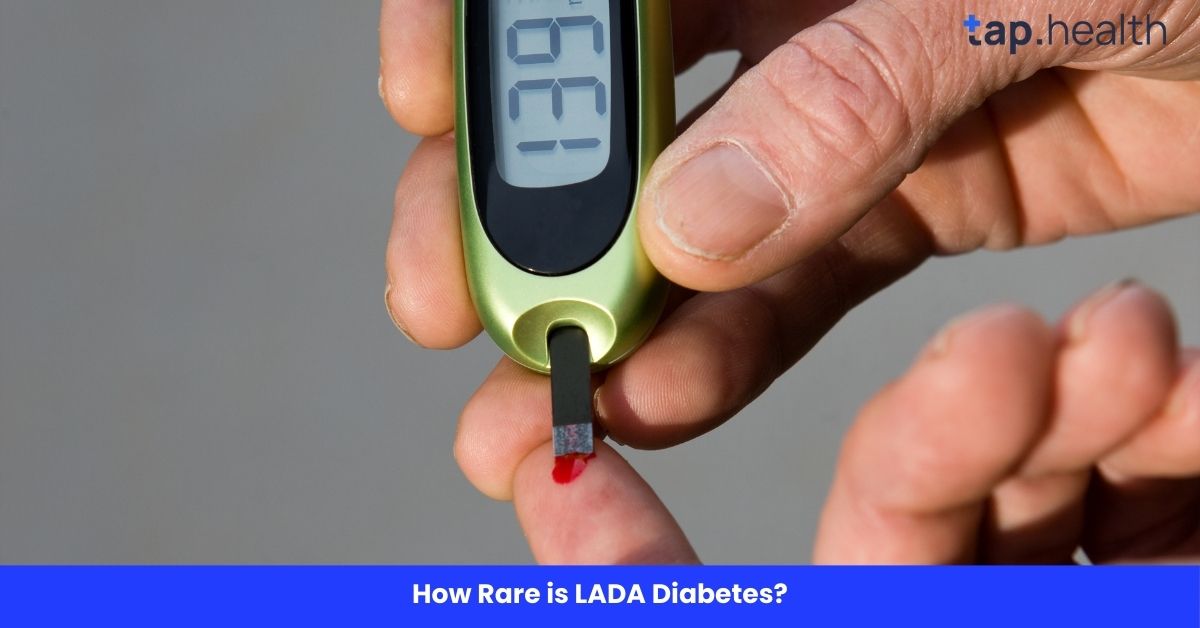
Keeping blood sugar levels within the target range is crucial for managing LADA. This requires regular monitoring of blood glucose levels, using the right medication, and adopting a healthy lifestyle.
3. Exercise Regularly
Exercise helps improve insulin sensitivity and control blood sugar. Aim for at least 30 minutes of moderate exercise most days of the week, such as walking, cycling, or swimming.
4. Work Closely with Your Healthcare Provider
Managing LADA requires a collaborative approach with your healthcare provider. Regular visits for blood sugar monitoring, medication adjustments, and testing for complications are essential for long-term management.
Also read this : Understanding and Managing Urinary Tract Issues in Children with Diabetes
Frequently Asked Questions (FAQs) on How Rare is LADA Diabetes?
How rare is LADA diabetes?
LADA diabetes is relatively rare but not as uncommon as many people think. It is estimated that 10-15% of people with diabetes have LADA, but it is often misdiagnosed as Type 2 diabetes.
How is LADA different from Type 1 and Type 2 diabetes?
LADA shares characteristics with both Type 1 and Type 2 diabetes. Like Type 1 diabetes, it involves an autoimmune attack on insulin-producing cells, but it develops slowly and typically in adults, making it more similar to Type 2 diabetes. Over time, people with LADA may require insulin therapy, just like those with Type 1 diabetes.
How is LADA diagnosed?
LADA is diagnosed through blood tests that check for autoantibodies, such as GAD, which are typically present in people with Type 1 and LADA but not Type 2 diabetes.
Conclusion
LADA diabetes is a rare but important form of diabetes that is often misdiagnosed as Type 2 diabetes. It shares characteristics with both Type 1 and Type 2 diabetes, making it essential to get a correct diagnosis to ensure the right treatment. With proper management, including insulin therapy, lifestyle modifications, and regular monitoring, people with LADA can effectively manage their condition and lead healthy lives.
By understanding how LADA diabetes affects the body and working closely with healthcare providers, you can take control of your health and improve your long-term outcomes.