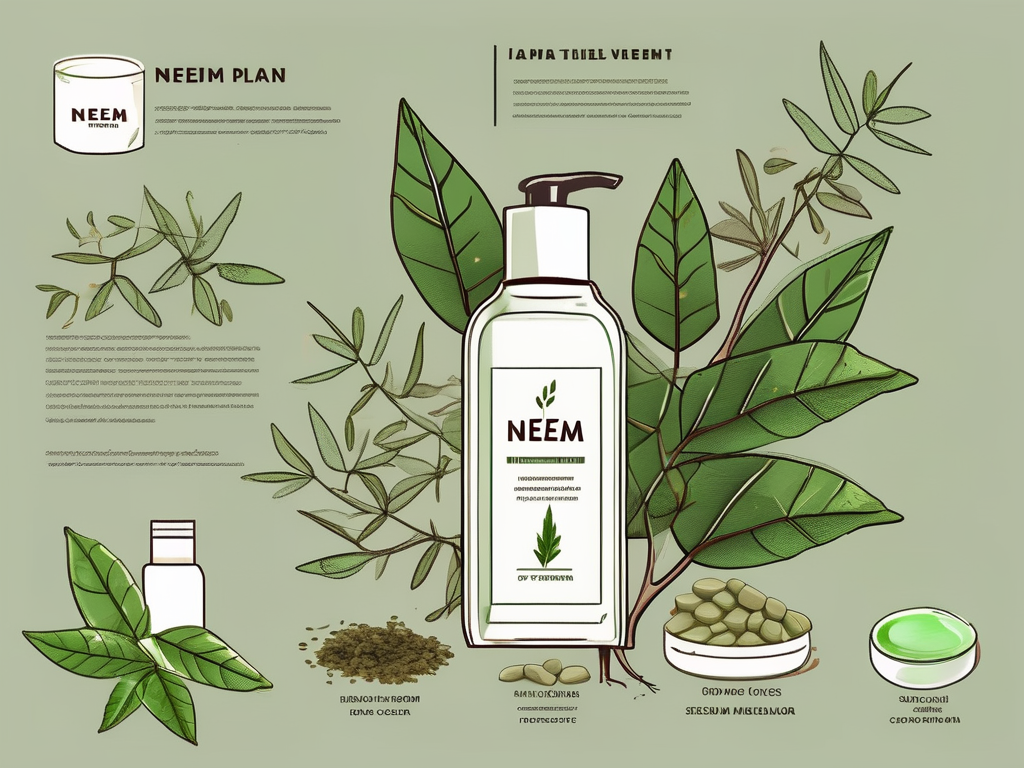
Neem (Azadirachta indica), often called the “wonder plant,” has been a cornerstone of traditional medicine for centuries, particularly in Ayurveda. Its versatile applications, from supporting thyroid health to promoting sustainable agriculture, make it a remarkable natural remedy. This blog explores neem’s benefits, risks, and practical uses, with a focus on its role in thyroid health, alongside its applications in skincare, digestion, and pest control. By understanding neem’s properties, you can incorporate this botanical powerhouse into your lifestyle for optimal well-being.
What Is Neem and Its Historical Significance?
Neem, native to the Indian subcontinent, has been revered for thousands of years. Known as “Sarva Roga Nivarini” (the destroyer of all ailments) in ancient Sanskrit texts, neem was used to treat skin disorders, digestive issues, and immune challenges. Its leaves, seeds, and oil are packed with bioactive compounds, making it a staple in traditional healing practices. Today, neem’s applications extend beyond medicine to agriculture and personal care, showcasing its timeless relevance.
Why Is Neem Called a Wonder Plant?
Neem’s unique biological properties, including its antibacterial, antifungal, antiviral, and anti-inflammatory effects, contribute to its “wonder plant” status. Rich in antioxidants and essential fatty acids, neem supports various aspects of health, from thyroid function to skin vitality. Its versatility also makes it a natural pesticide, offering eco-friendly solutions for farming and pest control.
How Does Neem Support Thyroid Health?
The thyroid gland regulates metabolism, energy, and growth, and diet plays a critical role in its function. Neem’s nutrient-rich profile, including compounds like azadirachtin and nimbin, can support thyroid health by reducing inflammation and supporting detoxification.
Neem’s Role in Hypothyroidism
Hypothyroidism, characterized by low thyroid hormone production, leads to symptoms like fatigue and weight gain. Neem’s anti-inflammatory properties may help reduce thyroid-related inflammation, while its detoxifying effects support metabolic balance. Incorporating neem into a thyroid-friendly diet, alongside iodine-rich foods like seafood and seaweed, can promote optimal thyroid function.
Neem for Hyperthyroidism
For hyperthyroidism, where excess thyroid hormones cause rapid metabolism, neem’s calming properties may help regulate hormone production. Its antioxidant content, found in foods like neem leaf extracts, can combat oxidative stress, supporting overall thyroid health. Pairing neem with cruciferous vegetables like broccoli can further balance thyroid hormone levels.
What Nutrients in Neem Benefit Thyroid Function?
Neem contains essential compounds that align with nutrients critical for thyroid health, such as iodine, selenium, and zinc, though it is not a direct source of these minerals. Instead, neem complements a thyroid-supportive diet by enhancing overall wellness.
Iodine and Neem’s Complementary Role
Iodine is vital for thyroid hormone synthesis. While neem itself is not a significant source of iodine, its detoxifying properties support the body’s ability to utilize iodine from foods like iodized salt or fish. This synergy helps prevent conditions like goiter, common in iodine-deficient regions.
Selenium and Neem’s Antioxidant Benefits
Selenium aids in converting T4 to the active T3 hormone. Neem’s antioxidant compounds, such as nimbin, protect the thyroid from oxidative stress, complementing selenium-rich foods like Brazil nuts. This combination supports thyroid hormone regulation and reduces the risk of autoimmune conditions like Hashimoto’s thyroiditis.
How to Incorporate Neem into a Thyroid-Friendly Diet?
A thyroid-friendly diet emphasizes nutrient-dense foods that support hormone production and reduce inflammation. Neem can be a valuable addition to such a diet.
Neem for Hypothyroidism Diets
For hypothyroidism, focus on foods like lean meats, whole grains, and seafood, which provide protein and iodine. Neem leaf tea or supplements can enhance this diet by supporting detoxification and reducing inflammation, helping to alleviate symptoms like fatigue and weight gain.
Neem for Hyperthyroidism Diets
In hyperthyroidism, incorporate cruciferous vegetables and antioxidant-rich foods to balance hormone levels. Neem’s anti-inflammatory properties, found in products like neem oil or capsules, can complement these foods by calming the overactive thyroid and supporting overall wellness.
What Foods Should You Avoid for Thyroid Health?
Certain foods can interfere with thyroid function and should be limited, especially when using neem to support thyroid health.
Goitrogenic Foods and Neem
Goitrogens, found in raw cruciferous vegetables like kale and broccoli, can inhibit iodine uptake, worsening thyroid issues. Cooking these vegetables reduces their goitrogenic effects, making them safer for consumption. Neem’s detoxifying properties can further support thyroid function when goitrogenic foods are minimized.
Other Thyroid-Disrupting Foods
Soy, gluten, and processed sugars may interfere with thyroid hormone absorption or trigger autoimmune responses in sensitive individuals. Limiting these foods while incorporating neem-based products can help manage thyroid symptoms effectively.
How to Use Neem Safely for Thyroid Health?
Neem can be consumed as leaves, oil, capsules, or tea, but proper dosage is crucial for safety and efficacy.
Recommended Neem Dosage
The appropriate neem dosage depends on the form used. For example:
- Neem leaf tea: 1–2 cups daily, steeped for 5–10 minutes.
- Neem oil: A few drops mixed with a carrier oil for topical use or as directed by a professional.
- Neem capsules: Follow product instructions, typically 1–2 capsules daily.
Always consult a healthcare provider to determine the right dosage for your needs, especially if you have thyroid issues.
Potential Side Effects of Neem
While neem is generally safe, overuse can cause gastrointestinal issues, liver stress, or allergic reactions. To avoid risks, adhere to recommended dosages and monitor your body’s response. Pregnant women and those with pre-existing liver conditions should avoid neem unless advised by a doctor.
Neem’s Broader Health Benefits
Beyond thyroid health, neem offers a range of benefits that enhance overall well-being.
Neem for Skin Health
Neem’s antibacterial and anti-inflammatory properties make it a go-to remedy for acne, eczema, and psoriasis. Neem oil or neem-based creams can soothe irritated skin and promote a radiant complexion, supporting holistic health alongside thyroid care.
Neem for Digestive Wellness
Neem supports gut health by aiding detoxification and relieving bloating or indigestion. Adding neem leaf extracts to your diet can promote a healthy digestive system, which is essential for nutrient absorption and thyroid function.
Neem for Immune Support
Neem’s antiviral and antibacterial properties strengthen the immune system, helping the body fight infections. This immune boost complements thyroid health by reducing stress on the body’s systems.
Neem in Personal Care and Agriculture
Neem’s versatility extends beyond health to personal care and sustainable practices.
Neem in Personal Care Products
Neem is a key ingredient in soaps, shampoos, and lotions due to its cleansing and nourishing properties. Using neem-based skincare or haircare products can enhance your wellness routine while supporting thyroid-friendly lifestyles.
Neem in Agriculture and Pest Control
Neem’s natural pesticidal properties, driven by azadirachtin, make it an eco-friendly alternative to chemical pesticides. Farmers use neem extracts to protect crops, while households use neem-based repellents to manage pests safely.
The Science Behind Neem’s Benefits
Neem’s therapeutic effects stem from its bioactive compounds, extracted through methods like cold-pressing or steam distillation.
Azadirachtin: The Pest-Repelling Compound
Azadirachtin disrupts pest life cycles, making neem an effective, non-toxic pesticide. Its low environmental impact supports sustainable farming, aligning with health-conscious lifestyles.
Nimbin: The Anti-Inflammatory Powerhouse
Nimbin reduces inflammation, benefiting conditions like arthritis and skin disorders. Its synergy with other neem compounds enhances the plant’s holistic benefits.
When to Consult a Professional for Neem and Thyroid Health?
If you’re managing thyroid disorders or incorporating neem into your routine, consulting a dietitian or healthcare provider is wise. They can create a personalized plan that balances neem with other thyroid-supportive nutrients, ensuring safety and effectiveness.
Signs You Need Professional Guidance
Seek professional advice if you experience persistent thyroid symptoms, adverse reactions to neem, or uncertainty about dosages. A dietitian can tailor dietary and neem-based interventions to your specific condition.
Conclusion
Neem is a versatile, natural remedy that supports thyroid health, skin vitality, digestion, and immunity while offering sustainable solutions for agriculture and pest control. By incorporating neem into a thyroid-friendly diet, alongside nutrient-rich foods and proper hydration, you can enhance your well-being. However, safe usage is key—consult a healthcare professional to determine the right dosage and avoid potential side effects. Embrace neem’s multifaceted benefits to support your thyroid and live a healthier, more sustainable life.