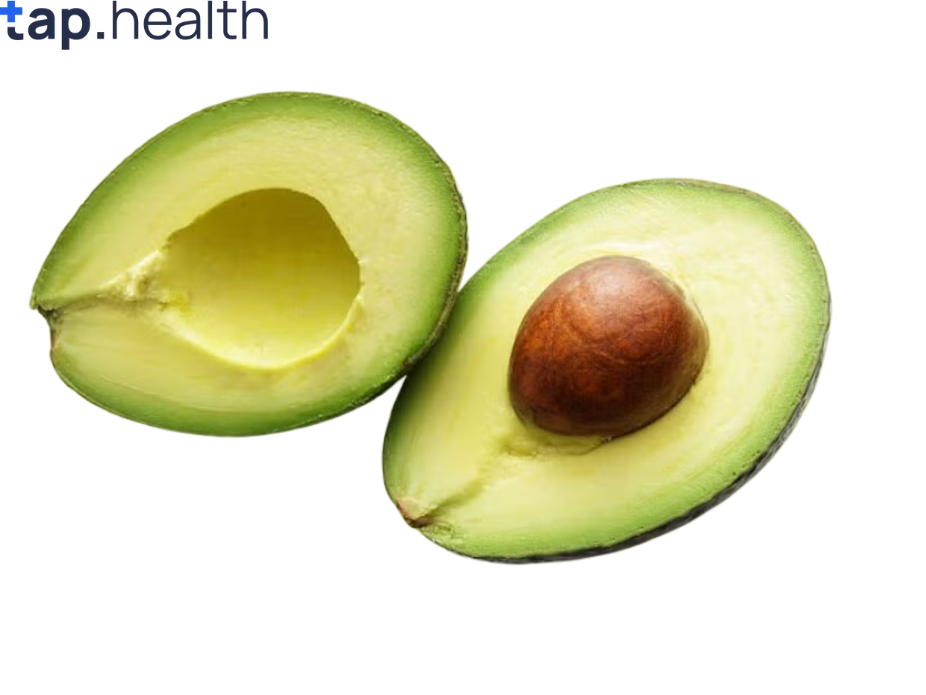
Avocado, often dubbed the “alligator pear,” is more than just a trendy fruit. With its creamy texture and rich nutrient profile, it’s a superfood that supports heart health, digestion, skin vitality, and more. This blog explores the multifaceted benefits of avocado, its nutritional composition, and practical ways to incorporate it into your diet and skincare routine. Whether you’re a food enthusiast or health-conscious individual, avocado offers something for everyone.
What Makes Avocado a Superfood?
Avocado (Persea americana) has earned its superfood status due to its dense nutritional content and versatility. Originating from Central and South America, avocados have been cultivated for thousands of years, with historical uses ranging from food to medicine. Today, they’re a global favorite, featured in dishes like guacamole, smoothies, and avocado toast. But what exactly makes this fruit so special?
Avocados are packed with healthy fats, fiber, vitamins, and minerals that contribute to overall wellness. Their unique combination of nutrients supports everything from cardiovascular health to glowing skin, making them a must-have in any balanced diet.
The Nutritional Powerhouse of Avocado
Avocado’s nutrient profile is a key reason for its health benefits. A single avocado provides a wealth of essential vitamins, minerals, and fats that promote optimal health.
Key Vitamins and Minerals in Avocado
Avocados are rich in:
- Vitamin K: Supports blood clotting and bone health.
- Vitamin C: Boosts immunity and promotes skin health.
- Vitamin E: An antioxidant that protects cells and supports cognitive function.
- B Vitamins: Aid energy production and brain health.
- Potassium: Regulates blood pressure and supports muscle function.
- Magnesium: Essential for bone health and muscle relaxation.
These nutrients work together to enhance various physiological functions, making avocados a nutrient-dense addition to any meal.
Healthy Fats in Avocado
Unlike many fruits, avocados are high in monounsaturated fats, particularly oleic acid. These heart-healthy fats help:
- Reduce bad cholesterol (LDL) levels.
- Lower inflammation in the body.
- Improve insulin sensitivity.
- Enhance absorption of fat-soluble vitamins like A, D, E, and K.
Incorporating avocados into your diet ensures you meet your healthy fat requirements in a delicious way.
Fiber for Digestion and Satiety
Avocados are an excellent source of dietary fiber, providing about 7 grams per 100 grams. Fiber supports:
- Healthy digestion by preventing constipation.
- Blood sugar regulation, beneficial for diabetes management.
- Feelings of fullness, aiding in weight management.
- Gut health by acting as a prebiotic, fostering beneficial gut bacteria.
Health Benefits of Avocado
Avocado’s benefits extend far beyond its nutritional content. From heart health to mood enhancement, this fruit offers a range of advantages for your body and mind.
Avocado for Heart Health
The monounsaturated fats in avocados are linked to improved cardiovascular health. Studies show that these fats can lower LDL cholesterol while increasing HDL (good cholesterol), reducing the risk of heart disease. Additionally, potassium helps regulate blood pressure, further supporting heart function.
Avocado and Digestive Health
The high fiber content in avocados promotes healthy digestion and regular bowel movements. It also supports gut health by nourishing beneficial bacteria, which can enhance overall immune function.
Supporting Weight Management
Despite being calorie-dense, avocados can aid weight management due to their fiber and healthy fat content. These nutrients promote satiety, helping you feel full longer and potentially reducing overeating.
Boosting Brain Health and Mood
Avocado’s vitamin E and healthy fats support brain health by protecting neurons and enhancing neurotransmitter function. These nutrients may improve cognitive performance and mood, making avocados a brain-friendly food.
Enhancing Immune Function
The combination of vitamins C, E, and antioxidants in avocados strengthens the immune system, helping your body fight off infections and illnesses.
Avocado for Radiant Skin
Avocado isn’t just a dietary superstar—it’s also a skincare hero. Its nutrients benefit the skin when consumed or applied topically, offering hydration, anti-aging, and healing properties.
Hydration and Nourishment
Avocado’s natural oils, rich in oleic acid and vitamin E, deeply moisturize the skin. These oils strengthen the skin’s barrier, preventing moisture loss and leaving it soft and supple. Avocado oil is suitable for all skin types, including sensitive and acne-prone skin.
Anti-Aging Properties
The antioxidants in avocados, such as vitamins C and E, combat free radicals that cause premature aging. Regular consumption or topical application can reduce fine lines, wrinkles, and age spots while improving skin elasticity.
Skin Healing and Repair
Avocado’s anti-inflammatory properties, including beta-sitosterol, soothe irritated skin and promote healing. It’s particularly beneficial for conditions like eczema, psoriasis, or acne, as it supports tissue repair and reduces redness.
Using Avocado in Skincare
Avocado’s versatility extends to DIY skincare. Its creamy texture and nutrient-rich oils make it a popular ingredient in homemade beauty products.
DIY Avocado Face Mask
Mash half an avocado and mix with a teaspoon of honey or yogurt for a hydrating face mask. Apply for 15 minutes, then rinse for a glowing complexion.
Avocado Oil for Moisturizing
Avocado oil can be used as a daily moisturizer or added to homemade scrubs and lotions. Its lightweight texture absorbs quickly, leaving skin nourished without feeling greasy.
Using Avocado Skins
Don’t discard avocado skins—they contain antioxidants like polyphenols and flavonoids. Infuse them into oils or use them to create natural dyes for soaps, adding nourishment and a vibrant green hue to your skincare products.
Delicious Avocado Recipes
Incorporating avocados into your diet is easy and delicious. Here are three simple recipes to try:
- Avocado Toast
- Mash a ripe avocado and spread it on whole-grain toast.
- Sprinkle with sea salt, a drizzle of olive oil, and optional toppings like cherry tomatoes or a poached egg.
- Classic Guacamole
- Mash 2 avocados with diced tomatoes, red onion, cilantro, and lime juice.
- Add a pinch of salt and serve with tortilla chips or veggies.
- Avocado Smoothie
- Blend 1 avocado with a banana, a handful of spinach, almond milk, and a touch of honey for a creamy, nutrient-packed smoothie.
These recipes are quick, versatile, and perfect for breakfast, snacks, or sides.
Avocado’s Role in Joint Health
For those with joint concerns, avocados offer anti-inflammatory benefits. The compound beta-sitosterol may reduce joint pain and stiffness, improving mobility. Including avocados in your diet can support long-term joint health.
A Brief History of Avocado
Avocado’s history dates back to 500 BC, with cultivation by Mesoamerican civilizations like the Olmecs and Maya. These cultures valued avocados for both food and medicinal purposes, using them to treat skin ailments and digestive issues. Today, avocados are grown in regions like California, Mexico, and South America, and their popularity continues to soar.
Conclusion
Avocado is a true superfood, offering a wealth of health benefits from heart and digestive support to radiant skin and joint health. Its nutrient-dense profile, including healthy fats, fiber, vitamins, and minerals, makes it a versatile addition to any diet. Whether you enjoy it in a smoothie, spread on toast, or as part of a skincare routine, avocado is a simple yet powerful way to enhance your well-being. Start incorporating this green gem into your lifestyle today and reap its many rewards.