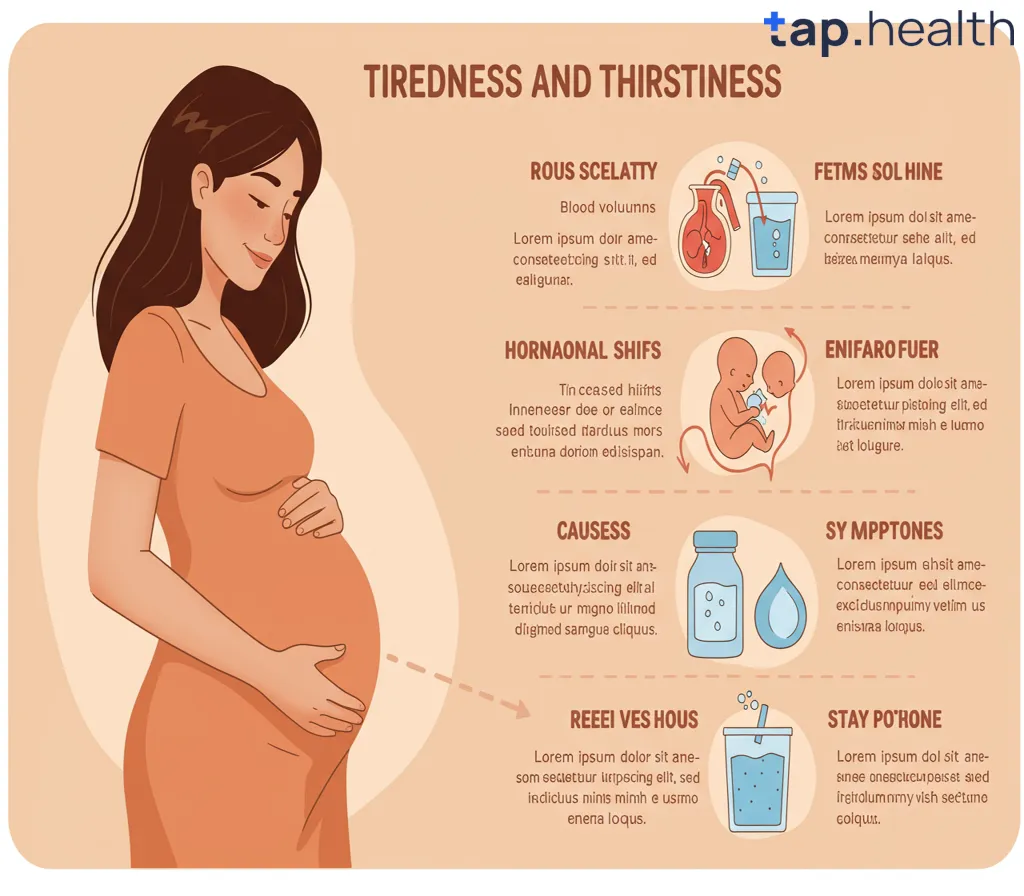
Pregnancy is a time of excitement and change, but it can also bring about unexpected physical challenges. One of the most common complaints among pregnant women is feeling unusually tired and thirsty. These two symptoms can make it hard to carry out your daily activities, but are they normal? What causes them, and how can you manage them? In this post, we’ll dive into why you may feel tired and thirsty during pregnancy, as well as practical tips for dealing with these symptoms.
Why Do Pregnant Women Feel Tired?
Tiredness is one of the most frequent symptoms during pregnancy, especially in the first and third trimesters. But why does pregnancy cause such exhaustion? Let’s explore the reasons behind pregnancy-related fatigue.
1. Hormonal Changes
One of the primary causes of tiredness in pregnancy is the surge in pregnancy hormones, particularly progesterone. This hormone increases significantly during early pregnancy and has a calming effect on the body, leading to feelings of tiredness and drowsiness. Progesterone helps the body adjust to pregnancy and plays a key role in supporting the growing baby, but its sedative effect can make you feel more exhausted than usual.
2. Increased Blood Volume
During pregnancy, your body increases blood volume to supply oxygen and nutrients to your baby. This requires more energy and places additional stress on your heart and circulatory system. As a result, you may feel more tired than usual, especially in the first trimester when your body is still adjusting to these changes.
3. Physical Demands of Pregnancy
As your pregnancy progresses, the physical changes in your body can contribute to fatigue. For example, your growing uterus may press on your bladder, causing more frequent urination and disrupting your sleep. Additionally, the extra weight you’re carrying puts more strain on your body, which can lead to feelings of exhaustion.
4. Sleep Disruptions
Pregnancy often disrupts sleep due to discomfort, frequent bathroom trips, and changes in hormone levels. Poor or insufficient sleep can leave you feeling drained and more tired throughout the day.
5. Emotional Changes
Pregnancy brings about emotional and psychological changes. The excitement, stress, and anticipation of becoming a parent can also take a toll on your energy levels. Anxiety about pregnancy or future changes may also cause fatigue.
6. Nutritional Deficiencies
During pregnancy, your body needs extra nutrients, including iron and vitamins, to support both you and your baby. If you’re not getting enough of these nutrients, you may experience fatigue. Iron deficiency anemia, for example, is a common cause of extreme tiredness during pregnancy.
Why Are You Thirsty During Pregnancy?
Along with feeling tired, increased thirst is another common symptom experienced during pregnancy. While some level of thirst is expected, feeling excessively thirsty can sometimes signal underlying issues. Here are the common causes of thirstiness during pregnancy:
1. Increased Blood Volume and Fluid Demands
As mentioned earlier, your body’s blood volume increases during pregnancy to support the growing fetus. This means your body requires more fluids to maintain proper hydration. Thirst is your body’s natural way of signaling that it needs more water to meet these demands.
2. Increased Metabolism
Pregnancy leads to an increase in metabolic activity as your body works harder to nourish and grow your baby. This means your body burns more energy, and as a result, it requires more hydration to function properly. Thirst is a natural response to this increased metabolism.
3. Hormonal Changes
Hormones like human chorionic gonadotropin (hCG) and progesterone can affect how your body handles fluids. These hormones can increase your need for fluids and may cause you to feel thirstier than usual.
4. Kidney Function
During pregnancy, your kidneys work harder to process and filter the increased blood flow. This can lead to more frequent urination, and in turn, a greater need for fluids to prevent dehydration.
5. Gestational Diabetes
Excessive thirst can sometimes be a sign of gestational diabetes, a type of diabetes that can develop during pregnancy. Gestational diabetes occurs when your body cannot produce enough insulin to regulate blood sugar levels effectively. Thirst, along with frequent urination, is a common symptom. If you experience these symptoms, it’s essential to speak with your healthcare provider for proper testing.
6. Dehydration
Pregnant women are more prone to dehydration due to the increased fluid demands, especially during hot weather, exercise, or illness. If you are not drinking enough water or losing fluids through vomiting or diarrhea, dehydration can lead to excessive thirst.
How to Manage Tiredness and Thirstiness During Pregnancy
1. Rest and Sleep
To manage fatigue during pregnancy, it’s essential to rest whenever possible. Taking short naps, lying down when you can, and getting enough sleep at night can help improve your energy levels. Avoid overexerting yourself, and listen to your body when it tells you to rest.
2. Eat a Balanced Diet
Eating a well-balanced diet is crucial during pregnancy. Focus on nutrient-rich foods like fruits, vegetables, whole grains, lean proteins, and dairy products. These foods will provide the necessary energy and nutrients for both you and your baby. If you’re feeling tired due to anemia, eating iron-rich foods (such as leafy greens, lean meats, and legumes) can help.
3. Stay Hydrated
Proper hydration is essential during pregnancy. Drinking enough water throughout the day can help combat thirst and prevent dehydration. Aim for at least 8-10 cups of water per day, and more if you’re active or it’s hot outside. Carrying a water bottle with you and sipping regularly can help maintain hydration levels.
4. Monitor Your Blood Sugar Levels
If you’re experiencing extreme thirst or fatigue, it’s essential to monitor your blood sugar levels, especially if you have risk factors for gestational diabetes. Eating smaller, more frequent meals that are rich in complex carbohydrates and protein can help stabilize your blood sugar.
5. Avoid Caffeine and Sugary Drinks
Caffeine and sugary drinks can contribute to dehydration and worsen fatigue. Opt for water, herbal teas, or fresh juices instead. Limiting caffeine intake can also help you sleep better at night, which can reduce tiredness.
6. Manage Stress and Anxiety
Since emotional changes can also contribute to fatigue, practicing stress management techniques can be helpful. Consider practicing yoga, meditation, or deep breathing exercises to relax and improve your emotional well-being. Staying calm and focused can help conserve your energy.
7. Consult Your Doctor
If your symptoms of tiredness or thirstiness are severe or persistent, it’s essential to consult your healthcare provider. Conditions like gestational diabetes or anemia can cause these symptoms, and your doctor can run tests to rule out any underlying issues.
Frequently Asked Questions (FAQ) on What Causes Tiredness and Thirstiness in Pregnancy?
1. Why am I so tired in the first trimester?
Tiredness during the first trimester is mainly due to hormonal changes, especially the increase in progesterone, which has a sedative effect. Your body is also adjusting to the increased blood volume, which requires more energy.
2. How can I avoid getting dehydrated during pregnancy?
To avoid dehydration, aim to drink at least 8-10 cups of water a day. Avoid sugary or caffeinated beverages, as these can contribute to dehydration. Eating water-rich foods like fruits and vegetables also helps.
3. Is excessive thirst a sign of gestational diabetes?
Excessive thirst can be a symptom of gestational diabetes, especially when accompanied by frequent urination. If you’re concerned, consult your doctor for a blood glucose test to check for gestational diabetes.
4. Can tiredness be a sign of anemia during pregnancy?
Yes, tiredness can be a symptom of iron deficiency anemia, which is common during pregnancy. Iron helps carry oxygen in your blood, and low levels can lead to fatigue. Eating iron-rich foods or taking supplements can help manage this condition.
5. How much water should I drink while pregnant?
Aim for at least 8-10 cups of water daily, but this may vary based on your activity level and the climate. Always drink more water if you’re feeling thirsty or if you’re experiencing symptoms like dry mouth or dark urine.
6. Should I be concerned if I feel excessively thirsty and tired?
If your tiredness and thirst are extreme or persistent, it’s essential to consult your healthcare provider. In some cases, underlying conditions like gestational diabetes or anemia may be causing these symptoms.
Conclusion
Feeling tired and thirsty during pregnancy is completely normal, but understanding the causes and knowing how to manage these symptoms is crucial. Hormonal changes, increased fluid demands, and physical adjustments in your body all contribute to these feelings. By following the tips outlined in this post—resting, eating a balanced diet, staying hydrated, and managing stress—you can help reduce tiredness and thirstiness and have a healthier, more comfortable pregnancy.
If your symptoms are severe or you’re concerned about gestational diabetes or anemia, don’t hesitate to reach out to your healthcare provider for further evaluation and support.