When it comes to preventing pregnancy, birth control pills—also known as oral contraceptives—are among the most popular and effective methods. With so many options available, you might be wondering what is a good daily pregnancy prevention tablet for you. In this article, we’ll explore how daily pregnancy prevention tablets work, the different types of birth control pills, and tips for choosing the right one.
Understanding Daily Pregnancy Prevention Tablets
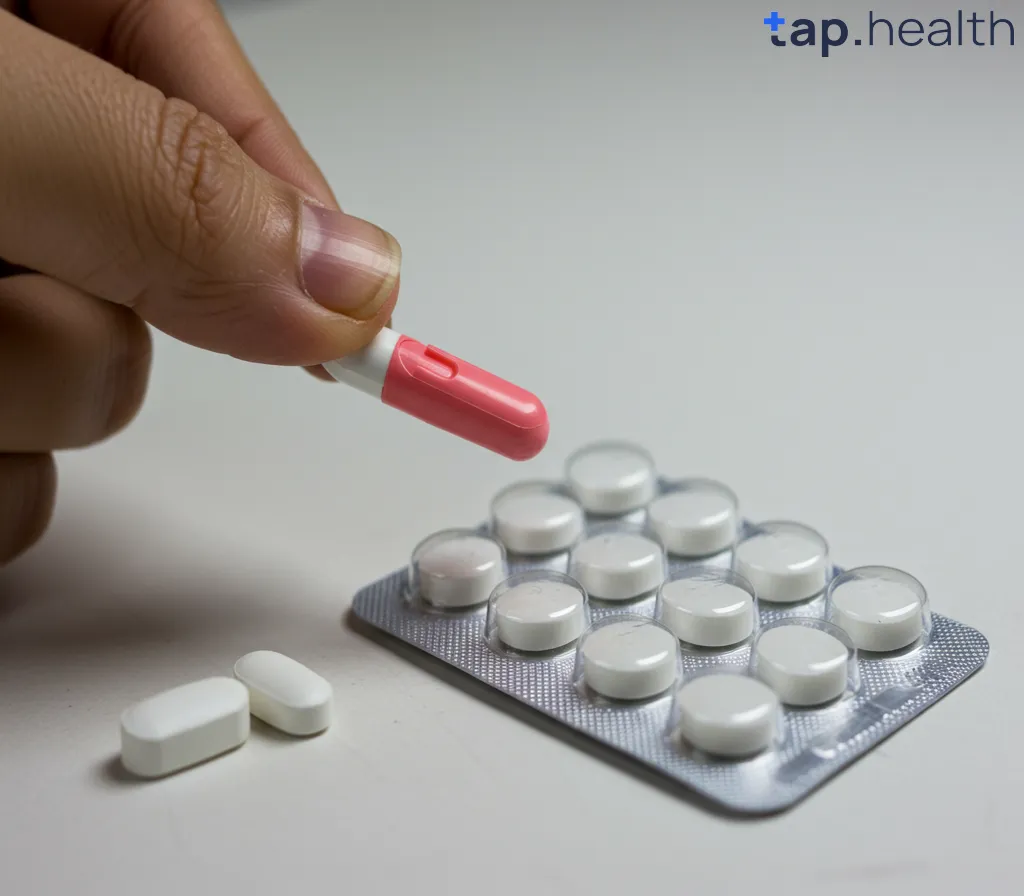
Daily pregnancy prevention tablets, also called birth control pills, are a form of contraception that women take every day to prevent pregnancy. These pills contain hormones that regulate a woman’s menstrual cycle and prevent ovulation, which is when an egg is released from the ovaries and can be fertilized by sperm.
How Do Birth Control Pills Work?
There are two main types of birth control pills: combination pills and progestin-only pills.
- Combination Pills: These contain two hormones, estrogen and progestin. Combination pills prevent pregnancy by stopping ovulation, thickening cervical mucus (which makes it harder for sperm to enter the uterus), and thinning the lining of the uterus (making it less likely for a fertilized egg to implant).
- Progestin-Only Pills (Mini Pills): These pills only contain progestin and are a good option for women who cannot take estrogen. They work by thickening the cervical mucus and thinning the uterine lining, similar to combination pills, but they may be less effective at preventing ovulation.
Benefits of Taking a Daily Pregnancy Prevention Tablet
- High Effectiveness: When taken correctly, birth control pills are about 99% effective at preventing pregnancy.
- Regulated Menstrual Cycle: Birth control pills can help regulate irregular periods, reduce menstrual cramps, and even lighten your flow.
- Acne Treatment: Some birth control pills can help reduce acne by balancing hormones.
- Reduced Risk of Certain Health Conditions: Birth control pills can lower the risk of ovarian and endometrial cancers, as well as help manage conditions like polycystic ovary syndrome (PCOS).
Different Types of Birth Control Pills
There are many different birth control pills available, and the right one for you will depend on your health, lifestyle, and preferences. Let’s break down the two main categories of birth control pills and some popular options within each category.
1. Combination Birth Control Pills
Combination birth control pills contain both estrogen and progestin. These are the most common type of oral contraceptive and come in various formulations. Here are a few examples:
A. Monophasic Pills
Monophasic pills provide the same level of hormones in each active pill. These are the most common type of combination pill. Examples include:
- Ortho Tri-Cyclen
- Yaz
- Alesse
B. Biphasic Pills
Biphasic pills change the hormone dosage twice during the menstrual cycle. These pills may be prescribed to women who need a different hormone combination throughout their cycle. Examples include:
- Kariva
- Mircette
C. Triphasic Pills
Triphasic pills provide three different levels of hormones during the cycle. They may be ideal for women who prefer a pill with a more natural hormone variation. Examples include:
- TriNessa
- Ortho Tri-Cyclen Lo
2. Progestin-Only Pills (Mini Pills)
Progestin-only pills, or mini pills, contain only progestin and do not include estrogen. These pills are typically recommended for women who are breastfeeding, have high blood pressure, or have a history of blood clots. Some examples of progestin-only pills include:
- Micronor
- Nor-QD
- Camila
Progestin-only pills need to be taken at the same time every day, as missing even one dose can reduce their effectiveness.
How to Choose the Best Daily Pregnancy Prevention Tablet
Choosing the right birth control pill depends on several factors, including your health history, lifestyle, and personal preferences. Here are some things to consider when selecting the best daily pregnancy prevention tablet for you:
1. Your Health History
Your medical history plays an important role in determining which birth control pill is right for you. Women with certain health conditions, such as high blood pressure, a history of blood clots, or certain types of cancer, may not be suitable candidates for combination pills that contain estrogen. In such cases, progestin-only pills may be a better option.
2. Lifestyle and Convenience
If you have a busy lifestyle and are concerned about remembering to take your pill every day, you might want to explore options that align with your routine. Some birth control pills, like the progestin-only pill, need to be taken at the same time each day, while others offer more flexibility in terms of timing. Talk to your healthcare provider about your preferences.
3. Side Effects
All birth control pills can cause side effects, including nausea, headaches, mood changes, and weight gain. Some women may also experience spotting between periods or changes in libido. If you experience unpleasant side effects with one pill, your doctor may suggest another option with fewer side effects. It’s important to track your experiences and communicate with your doctor.
4. Cost and Insurance Coverage
The cost of birth control pills varies depending on your health insurance plan and whether you are using generic or brand-name pills. Many insurance plans cover the cost of birth control pills, but you should verify your coverage before making a decision. Generic versions of birth control pills are often more affordable and equally effective.
Popular Birth Control Pills
Here are a few commonly prescribed birth control pills and their features to give you a better understanding of what’s available:
1. Yasmin (Combination Pill)
Yasmin is a popular combination pill that contains both estrogen and progestin. It is known for its effectiveness in preventing pregnancy, managing acne, and regulating menstrual cycles. Yasmin is often prescribed to women who have hormonal acne and need a reliable form of contraception.
2. Alesse (Combination Pill)
Alesse is a low-dose combination pill that is easy to take and is known for causing fewer side effects, especially for women who are sensitive to higher doses of hormones. It’s a good option for women who want to prevent pregnancy without excessive hormonal side effects.
3. Microgestin (Combination Pill)
Microgestin is another combination pill that is widely prescribed. It contains both estrogen and progestin and is known for being highly effective at preventing pregnancy. It is available in both generic and brand-name versions, which makes it an affordable option for many women.
4. Depo-Provera (Progestin-Only Injection)
While not a daily pill, Depo-Provera is another progestin-only form of contraception. It is an injection that you receive every three months. Some women prefer this method because it eliminates the need for daily attention.
5. Norethindrone (Progestin-Only Pill)
Norethindrone is a popular progestin-only pill, often recommended for women who are breastfeeding or those who cannot take estrogen. It is a good option for women who prefer a low-hormone option that still provides reliable pregnancy prevention.
When Should You Start Taking a Daily Pregnancy Prevention Tablet?
It’s important to start your birth control pill at the right time to ensure effectiveness. The timing can vary depending on when you begin taking the pill in relation to your menstrual cycle.
Starting the Pill the First Day of Your Period
If you start taking the pill on the first day of your period, you’re protected from pregnancy immediately. This is the most effective time to begin your birth control.
Starting the Pill at Other Times
If you start taking the pill at any other point in your cycle, you will need to use backup contraception, such as condoms, for the first 7 days to prevent pregnancy. This is because it takes a few days for the hormones in the pill to build up in your system and start preventing ovulation.
FAQ About Daily Pregnancy Prevention Tablets
1. What is the best birth control pill for me?
The best birth control pill for you depends on your health, preferences, and lifestyle. Combination pills like Yasmin or Alesse are great for women who need reliable contraception and hormone regulation, while progestin-only pills may be better for those who can’t tolerate estrogen.
2. Are daily pregnancy prevention tablets effective?
Yes, when taken correctly, birth control pills are about 99% effective at preventing pregnancy. However, missing pills or not taking them at the same time each day can reduce their effectiveness.
3. Can I skip my period with birth control pills?
Yes, some birth control pills allow you to skip your period by skipping the placebo week and starting a new pack immediately. This is something you should discuss with your healthcare provider to ensure it’s safe and effective for you.
4. What should I do if I miss a pill?
If you miss one pill, take it as soon as you remember. If you miss two or more pills, follow the instructions on the package or contact your healthcare provider for advice. You may need to use backup contraception.
5. Do birth control pills protect against sexually transmitted infections (STIs)?
No, birth control pills do not protect against STIs. To protect against infections, use condoms in addition to birth control pills.
Conclusion
Daily pregnancy prevention tablets, or birth control pills, are a safe and effective way to prevent pregnancy and manage reproductive health. Choosing the best pill for you depends on factors like your health, lifestyle, and any potential side effects. Whether you opt for combination pills or progestin-only pills, consult with your healthcare provider to determine the right choice for you. Always remember that regular use and correct timing are key to ensuring maximum effectiveness in preventing pregnancy.
If you ever feel unsure or experience side effects, don’t hesitate to reach out to your healthcare provider for further guidance. Your health and well-being are important, and a professional can help you make the best choice for your needs.