When you first conceive, your body begins to undergo a series of significant changes. These early changes can sometimes go unnoticed, as they may be subtle at first. However, understanding what happens to your body during the first days of pregnancy can help you recognize the signs and begin preparing for the exciting months ahead.
In this article, we will explore the physical and hormonal changes that take place in the early days of pregnancy. We’ll look at what happens immediately after conception, how the body prepares for pregnancy, and the early symptoms that many women experience. Whether you’re trying to conceive or just curious about pregnancy, this article will provide helpful insights into what your body is going through in those first critical days.
What Happens Immediately After Conception?
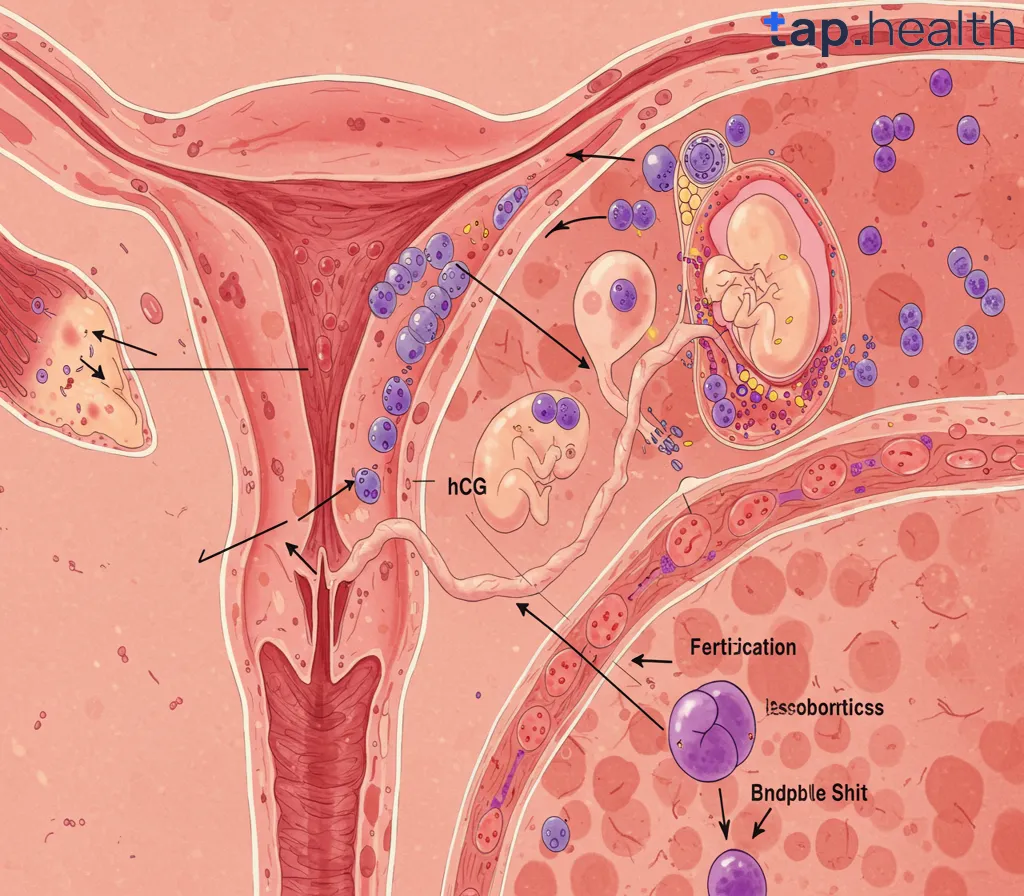
Conception occurs when a sperm fertilizes an egg, and the fertilized egg (called a zygote) begins its journey to the uterus. This marks the very beginning of pregnancy, even though you might not experience any visible symptoms yet.
1. Fertilization and Early Cell Division
After ovulation, the egg waits in the fallopian tube to be fertilized by sperm. When fertilization occurs, the sperm’s genetic material combines with the egg’s, creating a zygote. Immediately after fertilization, the zygote begins to divide into multiple cells in a process called cleavage.
2. Movement to the Uterus
As the zygote divides, it moves down the fallopian tube toward the uterus. During this journey, the zygote continues dividing, becoming a blastocyst, which is a ball of cells that will eventually implant into the uterine lining.
3. Implantation of the Blastocyst
Around 6-10 days after fertilization, the blastocyst reaches the uterus and begins the process of implantation into the uterine wall. This is when pregnancy officially begins, as the blastocyst starts releasing human chorionic gonadotropin (hCG), the hormone that is detected in pregnancy tests.
At this point, you might not feel any different, but hormonal changes are beginning to take place that will affect your body in the days to come.
What Hormonal Changes Occur in the First Days of Pregnancy?
Hormones play a central role in early pregnancy. After fertilization and implantation, your body starts producing specific hormones to support pregnancy and prepare for the developing fetus.
1. Human Chorionic Gonadotropin (hCG)
hCG is the hormone responsible for signaling pregnancy to the body. It starts to rise after implantation, and it’s the hormone that home pregnancy tests detect. hCG is crucial because it tells the body to maintain the corpus luteum, the structure that produces progesterone in the early stages of pregnancy.
2. Progesterone and Estrogen
As hCG stimulates the corpus luteum, progesterone production increases. Progesterone helps maintain the uterine lining, ensuring it remains thick and ready to support the embryo. Estrogen levels also rise during the early days of pregnancy, helping to enhance blood flow to the uterus and supporting the growth of the placenta.
Together, these hormones help create the optimal environment for the growing embryo and prevent menstruation.
3. Relaxin
Around this time, your body also begins producing relaxin, a hormone that helps soften the cervix and relaxes ligaments and muscles to prepare for childbirth in the later stages of pregnancy.
Early Symptoms in the First Days of Pregnancy
While the early days of pregnancy might not bring any obvious signs, many women experience subtle symptoms shortly after conception. These early pregnancy signs can vary greatly from woman to woman, and in some cases, they might be mistaken for pre-menstrual symptoms.
1. Implantation Bleeding
Some women experience implantation bleeding, which occurs when the fertilized egg burrows into the uterine lining. This light spotting usually happens around 6-12 days after fertilization and can be mistaken for a light period. The blood is often light pink or brown, and the bleeding is typically very brief (lasting only a day or two).
2. Changes in Breast Sensitivity
Hormonal changes can cause the breasts to become tender, swollen, or sore. This is due to the increase in estrogen and progesterone that prepares the breasts for future milk production. Breast changes are one of the earliest and most common signs of pregnancy, often starting within the first few days.
3. Fatigue
Many women feel unusually tired or exhausted in the early days of pregnancy, especially as the body adjusts to the rise in progesterone levels. The body is working hard to prepare for the developing baby, and the energy demands of early pregnancy can leave you feeling more fatigued than usual.
4. Morning Sickness
Although not all women experience nausea, morning sickness is common in early pregnancy. It typically starts around the fourth week and is caused by rising hormone levels, particularly hCG and progesterone. Morning sickness is not limited to the morning—it can occur at any time of the day and can last anywhere from a few weeks to the end of the first trimester.
5. Frequent Urination
Another early sign of pregnancy is the need to urinate more often. This is due to the increased blood volume and hormonal changes that affect the kidneys and bladder. The increased production of hCG and progesterone also stimulates blood flow to the kidneys, resulting in more frequent trips to the bathroom.
6. Mood Swings
Hormonal changes can also cause mood swings. You may feel more emotional, irritable, or anxious than usual. These mood changes can happen due to the fluctuating levels of estrogen and progesterone in your system as your body adjusts to pregnancy.
7. Changes in Appetite
Some women notice a sudden increase in appetite or, conversely, a decrease in appetite in the first days of pregnancy. Cravings for certain foods or aversions to others are common during early pregnancy and are thought to be related to hormonal changes.
How Can You Confirm Pregnancy in the First Days?
While many early pregnancy symptoms are similar to premenstrual symptoms, there are reliable ways to confirm pregnancy within the first few days of missing your period.
1. Home Pregnancy Test
A home pregnancy test detects the presence of hCG in your urine. Most home tests can give accurate results starting from the first day of a missed period or about two weeks after conception. For the most accurate results, it’s best to wait until the day after your missed period to test.
2. Blood Test
A blood test conducted by a healthcare provider can detect hCG earlier than a home pregnancy test. Blood tests are usually performed at a doctor’s office and can confirm pregnancy about 10 days after conception.
What Should You Do in the First Days of Pregnancy?
The first days of pregnancy are a critical time for both the mother and the developing baby. If you suspect you are pregnant, there are several important steps to take during this early phase.
1. Start Taking Prenatal Vitamins
Prenatal vitamins, particularly folic acid, are essential in the early days of pregnancy. Folic acid helps prevent neural tube defects in the baby. If you’re trying to conceive, it’s best to start taking prenatal vitamins even before conception.
2. Consult Your Healthcare Provider
As soon as you confirm your pregnancy, schedule an appointment with your healthcare provider. Early prenatal care is important for ensuring a healthy pregnancy and addressing any concerns you might have.
3. Avoid Harmful Substances
During the first few days and weeks of pregnancy, it’s important to avoid harmful substances, such as alcohol, smoking, and recreational drugs. These substances can negatively affect fetal development, especially in the early stages when the baby’s organs are forming.
4. Rest and Stay Hydrated
Fatigue and hormonal changes during early pregnancy can leave you feeling tired. Be sure to rest when you need it, stay hydrated, and listen to your body as it adjusts to the changes.
FAQ About What Happens in the First Days of Pregnancy
1. What are the earliest signs of pregnancy?
The earliest signs of pregnancy include implantation bleeding, sore breasts, fatigue, mood swings, frequent urination, and morning sickness. However, these symptoms may vary from woman to woman.
2. How soon can I take a pregnancy test?
You can take a pregnancy test as early as the first day of your missed period, which is typically about two weeks after conception. Some sensitive tests may detect pregnancy even earlier, around 10 days after conception.
3. What should I do if I think I’m pregnant?
If you suspect you are pregnant, take a home pregnancy test, and then schedule a visit with your healthcare provider to confirm the pregnancy and begin prenatal care.
4. Is fatigue common in early pregnancy?
Yes, fatigue is one of the most common early symptoms of pregnancy. Hormonal changes, particularly the rise in progesterone, can leave you feeling unusually tired.
5. When should I start taking prenatal vitamins?
It’s best to start taking prenatal vitamins with folic acid before conception and continue throughout your pregnancy. This helps reduce the risk of neural tube defects and ensures that your body has the nutrients it needs to support a healthy pregnancy.
6. Is implantation bleeding common?
Implantation bleeding occurs in about 1 in 3 women and is typically light spotting that occurs when the fertilized egg attaches to the uterine lining. It’s usually harmless and short-lived.
Conclusion
The first days of pregnancy are an exciting yet subtle time, filled with hormonal changes and early symptoms. Although you may not notice significant changes right away, your body is working hard to support the early stages of pregnancy. Understanding the early signs and symptoms can help you prepare for the months ahead and ensure that you get the proper care early on. If you suspect you’re pregnant, it’s important to confirm it with a test and consult your healthcare provider to begin prenatal care as soon as possible.