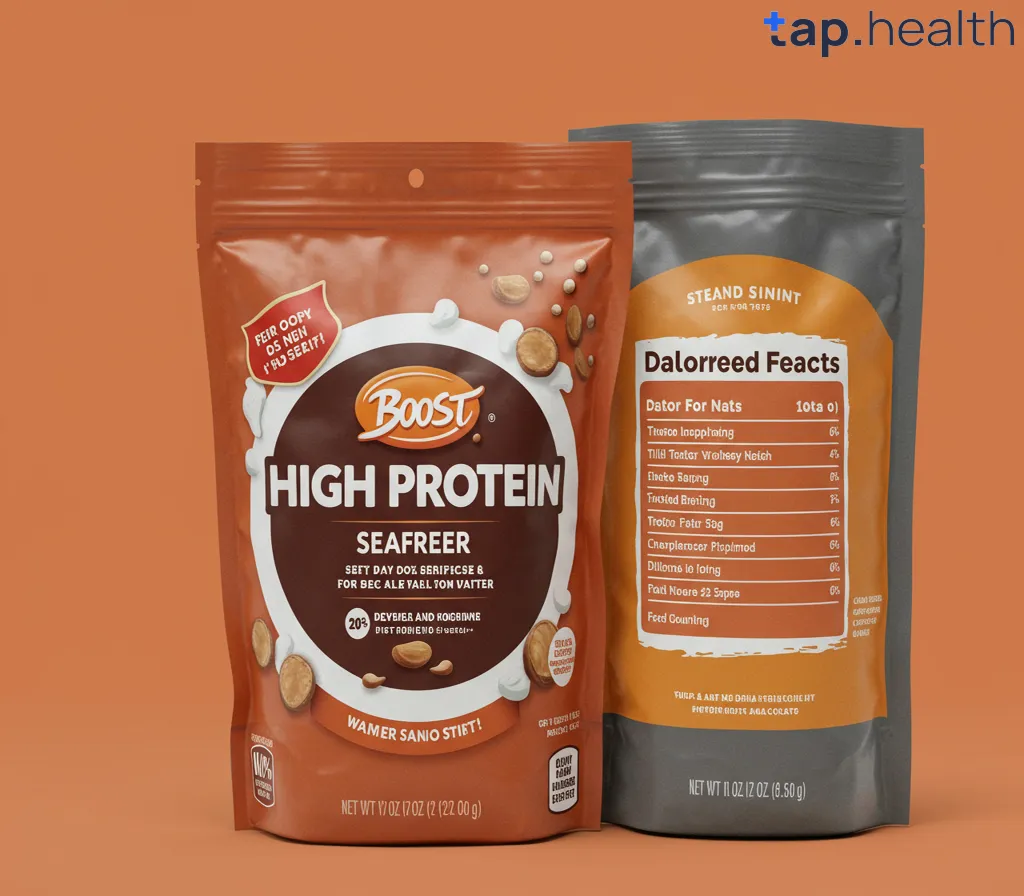
Boost High Protein is a popular meal replacement drink that promises to provide an easy way to get the necessary nutrients and protein, especially for those with busy lifestyles or specific health goals. But if you’re keeping track of your calories, you may be wondering, “How many calories are in Boost High Protein?”
In this article, we’ll explore the calories in Boost High Protein, its nutritional content, and how it can fit into your diet. We’ll also answer other common questions about the drink and help you determine if it’s the right option for you.
What is Boost High Protein?
Boost High Protein is a ready-to-drink nutritional supplement designed to provide a high-protein option for people who need extra protein in their diet, whether for weight management, muscle building, or as a meal replacement. It is typically sold in bottles and comes in various flavors such as vanilla, chocolate, and strawberry.
Each serving of Boost High Protein contains a combination of essential nutrients, including vitamins, minerals, fiber, and a significant amount of protein. It’s commonly used by people who are recovering from illness, those needing to gain weight, or athletes and fitness enthusiasts looking for a convenient protein source.
How Many Calories are in Boost High Protein?
The number of calories in Boost High Protein depends on the specific variety and serving size. Here’s a general breakdown of the calories in Boost High Protein:
1. Boost High Protein (8 oz bottle):
- Calories: 240 calories
Each 8 oz bottle of Boost High Protein offers a balanced amount of calories, which can serve as either a snack or a meal replacement. The calorie count is designed to provide sustained energy while also offering enough protein to support various health goals.
2. Boost High Protein (14 oz bottle):
- Calories: 400 calories
The larger 14 oz bottle of Boost High Protein provides 400 calories, making it suitable for those who need a more substantial intake of calories and protein.
Nutritional Breakdown of Boost High Protein
Now that we know the calories in Boost High Protein, let’s look at the nutritional content to see what other important nutrients this product provides.
Nutritional Content (per 8 oz bottle):
- Calories: 240
- Total Fat: 6 grams
- Saturated Fat: 1.5 grams
- Trans Fat: 0 grams
- Cholesterol: 20 milligrams
- Sodium: 250 milligrams
- Total Carbohydrates: 29 grams
- Dietary Fiber: 3 grams
- Sugars: 17 grams
- Protein: 20 grams
- Vitamins and Minerals:
- Calcium: 45% of Daily Value
- Iron: 8% of Daily Value
- Vitamin D: 25% of Daily Value
- Vitamin A: 15% of Daily Value
- Vitamin C: 25% of Daily Value
Key Nutrients:
- Protein: Each 8 oz serving of Boost High Protein provides 20 grams of protein. This is a significant amount, particularly for a drink, making it an excellent option for those looking to increase their protein intake for muscle building or weight management.
- Carbohydrates: With 29 grams of carbohydrates, this drink is a good source of energy, although it does have a higher carbohydrate content than some other protein shakes. The 3 grams of fiber help with digestion and ensure a slower release of energy.
- Vitamins and Minerals: Boost High Protein is fortified with essential vitamins and minerals, making it a convenient way to meet daily nutritional needs. It provides a good dose of calcium, vitamin D, and vitamin C, which are important for bone health and immunity.
- Fat: The drink contains 6 grams of fat, with only 1.5 grams of saturated fat. While it’s not completely fat-free, the fat content is moderate and provides healthy fats necessary for overall health.
How Does Boost High Protein Compare to Other Protein Drinks?
If you’re considering Boost High Protein as part of your nutrition plan, it’s useful to compare it with other protein shakes or meal replacement drinks on the market. Here’s how Boost High Protein measures up against some popular alternatives:
1. Boost High Protein vs. Premier Protein
- Calories (Boost): 240 calories (8 oz bottle)
- Calories (Premier Protein): 160 calories (11 oz bottle)
- Protein (Boost): 20 grams
- Protein (Premier Protein): 30 grams
Premier Protein offers more protein per serving, but with fewer calories than Boost High Protein. If you’re aiming for a higher protein intake without consuming many calories, Premier Protein could be a better choice. However, Boost High Protein provides a balanced mix of calories and protein for those looking for a more substantial meal replacement.
2. Boost High Protein vs. Muscle Milk
- Calories (Boost): 240 calories (8 oz bottle)
- Calories (Muscle Milk): 160-250 calories (depending on flavor and size)
- Protein (Boost): 20 grams
- Protein (Muscle Milk): 20-32 grams
Muscle Milk offers a similar amount of protein, but it tends to have a higher fat content in some flavors, and it may also include more sugar. Muscle Milk is often marketed to athletes and bodybuilders looking for higher protein and more calories for muscle recovery, while Boost High Protein can serve as a lighter option for general use.
3. Boost High Protein vs. SlimFast
- Calories (Boost): 240 calories (8 oz bottle)
- Calories (SlimFast): 180 calories (8 oz bottle)
- Protein (Boost): 20 grams
- Protein (SlimFast): 10 grams
SlimFast is another popular meal replacement, but it contains fewer grams of protein than Boost High Protein. SlimFast also has a lower calorie count, which might make it more appropriate for those looking to lose weight rather than those needing a more protein-heavy meal replacement.
How Can You Include Boost High Protein in Your Diet?
Boost High Protein is a versatile product that can be easily incorporated into your daily routine. Here are some ways to use it effectively:
1. As a Meal Replacement
You can use Boost High Protein as a meal replacement for breakfast, lunch, or dinner. It’s a convenient option for busy people who need a quick, nutritious meal without the hassle of cooking.
2. As a Post-Workout Drink
Since Boost High Protein contains 20 grams of protein, it’s an excellent option for muscle recovery after a workout. It helps rebuild muscle tissue and provides the energy your body needs after exercise.
3. As a Snack
If you’re feeling hungry between meals, Boost High Protein makes for a quick and filling snack. It provides enough protein to keep you satisfied and curb hunger without overeating.
4. Add to Smoothies
Boost High Protein can be blended into smoothies for an extra protein boost. You can add fruits like bananas, berries, or spinach to enhance the flavor and nutritional content.
How Does Boost High Protein Fit Into a Balanced Diet?
If you’re incorporating Boost High Protein into your daily diet, it’s important to ensure you’re maintaining a balanced and nutritious eating plan. Here are a few tips:
1. Combine with Whole Foods
While Boost High Protein is a great source of protein and essential vitamins, it should be part of a well-rounded diet that includes whole foods. Include fruits, vegetables, whole grains, and lean meats to get a variety of nutrients that your body needs.
2. Watch Your Total Calorie Intake
For those looking to manage their weight, Boost High Protein can be part of a calorie-conscious meal plan, but it’s important to monitor your total calorie intake for the day. Keep track of how many calories you’re consuming in other meals and snacks to avoid overeating.
3. Drink Plenty of Water
Make sure to stay hydrated, especially if you’re using Boost High Protein as a post-workout drink. Drinking water throughout the day will help with digestion and support your overall health.
FAQ: How Many Calories in Boost High Protein?
1. How many calories are in a Boost High Protein drink?
A typical 8 oz bottle of Boost High Protein contains 240 calories. The larger 14 oz bottle has 400 calories.
2. Is Boost High Protein good for weight loss?
Boost High Protein can be part of a weight loss plan because it provides a good amount of protein to keep you full. However, it’s important to balance it with other nutrient-dense, lower-calorie foods for a sustainable weight loss plan.
3. Can Boost High Protein help with muscle gain?
Yes! Boost High Protein contains 20 grams of protein per serving, making it an excellent choice for muscle recovery and growth after workouts.
4. Does Boost High Protein contain sugar?
Yes, Boost High Protein contains 17 grams of sugar in the regular version. If you’re watching your sugar intake, consider checking the label for any reduced-sugar options or consider other protein sources.
5. Is Boost High Protein gluten-free?
Yes, Boost High Protein is gluten-free, which makes it suitable for individuals with gluten sensitivities or those following a gluten-free diet.
Conclusion
Boost High Protein is a convenient and nutritious option for those looking to add more protein to their diet. With 240 calories per 8 oz bottle and 20 grams of protein, it’s an excellent choice for meal replacements, snacks, or post-workout recovery. Whether you’re looking to build muscle, manage weight, or simply need a quick and easy nutritional drink, Boost High Protein can help support your goals.
By understanding its calorie content, nutritional benefits, and how it compares to other protein drinks, you can make an informed decision about how to include it in your daily routine. Remember, while Boost High Protein is a great supplement, it’s best to pair it with a balanced diet and regular exercise for optimal results.