When you’re going through in vitro fertilization (IVF) , your main goal is to get pregnant and have a healthy baby. But sometimes, things don’t go as planned. One serious complication that can happen is an ectopic pregnancy —a condition where the embryo implants outside the uterus, usually in the fallopian tube.
This can be dangerous and needs immediate medical attention. The good news is that with IVF, the chances of having an ectopic pregnancy are much lower than with natural conception. Still, it’s important to understand how to avoid ectopic pregnancy with IVF and what steps you can take to protect yourself.
In this article, we’ll break down everything you need to know about ectopic pregnancy and IVF. We’ll cover the causes, how IVF reduces the risk, what you can do to stay safe, and what happens if an ectopic pregnancy does occur.
Let’s get started.
What Is an Ectopic Pregnancy?
An ectopic pregnancy is when a fertilized egg attaches itself to a part of the body other than the uterus , most commonly in one of the fallopian tubes . It cannot develop into a healthy baby and can cause life-threatening complications if not treated quickly.
The symptoms may include:
- Sharp or cramping pain on one side of the abdomen
- Vaginal bleeding
- Dizziness or fainting
- Shoulder pain
- Rectal pressure
If you experience any of these symptoms after an IVF procedure, contact your doctor immediately.
Why Does Ectopic Pregnancy Happen?
There are several reasons why a pregnancy might be ectopic, especially in women who have had fertility issues:
1. Fallopian Tube Damage
Scar tissue from previous infections, surgeries, or endometriosis can block or narrow the fallopian tubes, making it harder for the embryo to reach the uterus.
2. Previous Ectopic Pregnancy
If you’ve had an ectopic pregnancy before, your chances of having another one increase.
3. Smoking
Smoking affects the cilia (tiny hair-like structures) in the fallopian tubes that help move the embryo toward the uterus. This increases the risk of an ectopic pregnancy.
4. Hormonal Imbalances
Sometimes, hormones don’t signal the embryo to implant correctly in the uterus.
5. Use of Intrauterine Devices (IUDs)
While IUDs are very effective at preventing pregnancy, if they fail, the chance of an ectopic pregnancy is higher.
How Does IVF Help Prevent Ectopic Pregnancy?
One of the biggest advantages of IVF is that it helps reduce the risk of ectopic pregnancy significantly. Here’s how:
1. Bypassing the Fallopian Tubes
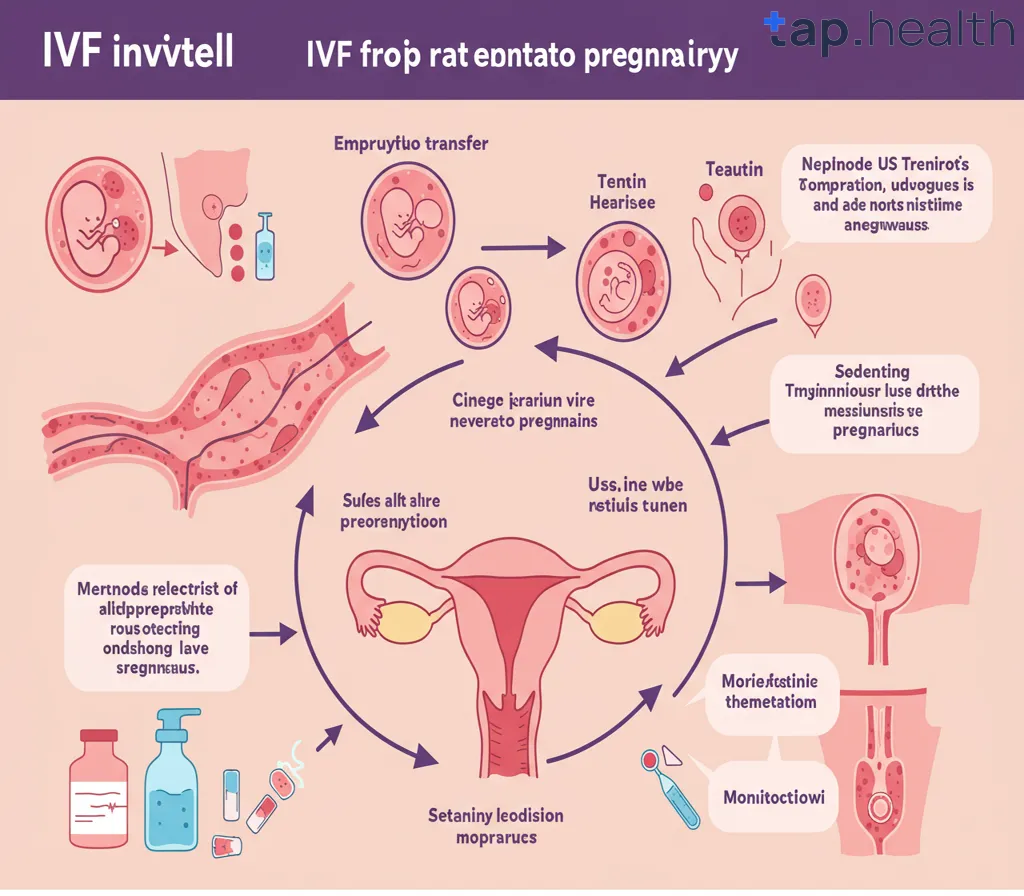
In natural conception, the sperm meets the egg in the fallopian tube, and the embryo travels to the uterus. In IVF, the egg is fertilized in a lab, and the resulting embryo is placed directly into the uterus using a thin catheter. This skips the fallopian tubes altogether, reducing the chance of the embryo getting stuck there.
2. Embryo Selection
During IVF, doctors can choose the healthiest embryos to transfer based on their appearance and development. This increases the likelihood of successful implantation in the uterus.
3. Controlled Environment
Since IVF takes place in a controlled lab environment, the conditions are ideal for the embryo to grow properly before being transferred.
4. Monitoring After Transfer
After the embryo transfer, you’ll be closely monitored with blood tests and ultrasounds to confirm where the embryo has implanted. This early detection helps identify ectopic pregnancies sooner.
How to Avoid Ectopic Pregnancy with IVF: Practical Steps
Even though IVF lowers the risk of ectopic pregnancy, it doesn’t eliminate it completely. Here are some practical steps you can take to further reduce your risk:
1. Choose a Reputable IVF Clinic
Make sure you’re working with a clinic that has a good success rate and follows best practices. Ask about their protocols for embryo transfer and follow-up care.
2. Avoid Smoking and Alcohol
As mentioned earlier, smoking increases the risk of ectopic pregnancy by affecting the fallopian tubes. Alcohol can also interfere with hormone levels and implantation. If you smoke or drink, now is the time to quit.
3. Get Checked for Tubal Health Before IVF
Even if you’re going for IVF, your doctor may recommend a test called hysterosalpingogram (HSG) to check if your fallopian tubes are blocked or damaged. While IVF bypasses the tubes, knowing your history can help your doctor plan better.
4. Follow Your Doctor’s Instructions Closely
After embryo transfer, your doctor will give you specific instructions about rest, medications, and follow-up appointments. Following these carefully can help support a healthy pregnancy and reduce complications.
5. Take Progesterone Supplements as Prescribed
Progesterone is a hormone that supports the lining of the uterus and helps the embryo implant. If your doctor prescribes progesterone, make sure to take it exactly as directed.
6. Stay Calm and Manage Stress
High stress levels can affect hormone balance and implantation. Try to stay relaxed, get enough sleep, and consider activities like yoga or meditation to manage stress.
7. Attend All Follow-Up Appointments
Early detection is key. Attend all scheduled blood tests and ultrasounds so your doctor can monitor the pregnancy and catch any issues early.
What to Do If You Suspect an Ectopic Pregnancy After IVF
Even with all precautions, an ectopic pregnancy can still occur. If you think you might be experiencing one, here’s what to do:
1. Contact Your Doctor Immediately
Don’t wait—ectopic pregnancies can become life-threatening quickly. Call your fertility specialist or OB/GYN right away.
2. Go to the Emergency Room if Necessary
If you have severe pain, heavy bleeding, dizziness, or fainting, go to the ER. These could be signs of a ruptured ectopic pregnancy, which is a medical emergency.
3. Be Prepared for Treatment Options
If an ectopic pregnancy is confirmed, your doctor may recommend one of the following treatments:
- Medication : A drug called methotrexate can stop the growth of the embryo.
- Surgery : In more severe cases, surgery may be needed to remove the embryo and repair any damage.
Can IVF Fail Due to Ectopic Pregnancy?
Yes, but it’s rare. Most IVF failures are due to implantation failure or chromosomal abnormalities , not ectopic pregnancy. However, in the small percentage of cases where an ectopic pregnancy occurs, the IVF cycle is considered unsuccessful.
If this happens to you, don’t lose hope. Many women go on to have successful pregnancies in future IVF cycles.
What Are the Chances of Ectopic Pregnancy with IVF?
The chances of ectopic pregnancy with IVF are much lower than with natural conception—usually between 0.5% to 2% , compared to 2% to 4% in naturally conceived pregnancies.
Factors that may increase the risk during IVF include:
- Transferring multiple embryos
- Previous ectopic pregnancy
- Uterine abnormalities
- Delayed embryo transfer (transferring the embryo too late)
How Long After IVF Should You Be Tested for Ectopic Pregnancy?
You’ll typically get your first pregnancy blood test (beta hCG) about 10–14 days after embryo transfer . If the result is positive, your doctor will schedule a vaginal ultrasound around 3–4 weeks after the transfer to see where the embryo has implanted.
This is the best way to detect an ectopic pregnancy early.
Can Ectopic Pregnancy Happen Even with IVF?
Yes, but it’s uncommon. Since IVF involves placing the embryo directly into the uterus, the risk is already reduced. However, in rare cases, the embryo may travel back out of the uterus or implant in the cervix, ovaries, or abdominal cavity.
That’s why regular monitoring is so important.
Frequently Asked Questions About Ectopic Pregnancy and IVF
Here are some common questions that people often ask when undergoing IVF and concerned about ectopic pregnancy:
What Causes Ectopic Pregnancy During IVF?
Although rare, ectopic pregnancy can happen during IVF due to factors like:
- Embryo migration after transfer
- Uterine abnormalities
- Previous ectopic pregnancy
- Delayed embryo transfer
Can IVF Guarantee No Ectopic Pregnancy?
No treatment is 100% guaranteed. While IVF significantly reduces the risk, it cannot completely eliminate the possibility of an ectopic pregnancy. That’s why close monitoring is essential.
Is Ectopic Pregnancy More Common in First-Time IVF Cycles?
There’s no strong evidence that ectopic pregnancy is more common in first-time IVF cycles. It can happen at any time, depending on individual risk factors.
Does Age Affect the Risk of Ectopic Pregnancy with IVF?
Age can influence overall IVF success rates, but it doesn’t directly increase the risk of ectopic pregnancy. However, older women may have more uterine or hormonal challenges, which could play a role.
Can Ectopic Pregnancy Be Treated Without Surgery?
In some early cases, yes. A medication called methotrexate can stop the growth of the embryo without surgery. However, this depends on the size and location of the pregnancy.
How Soon After IVF Can You Know if It Was Ectopic?
You can get your first pregnancy test about 10–14 days after embryo transfer . If the test is positive, an ultrasound is usually done around 3–4 weeks later to confirm the location of the pregnancy.
Can Ectopic Pregnancy Affect Future Fertility?
It depends. If only one fallopian tube is affected and the other is healthy, you may still be able to conceive naturally or with IVF again. However, if both tubes are damaged, IVF becomes the best option.
What if I Have a History of Ectopic Pregnancy and Want IVF?
Having a history of ectopic pregnancy doesn’t mean you can’t have IVF. In fact, IVF is often recommended for women with a history of ectopic pregnancy because it avoids the fallopian tubes.
Talk to your doctor about your options and whether IVF is right for you.
Can You Get Pregnant Naturally After an Ectopic Pregnancy and IVF?
Yes, many women go on to have successful pregnancies—either naturally or through IVF—after an ectopic pregnancy. Your doctor will evaluate your reproductive health and recommend the safest path forward.
What Are the Emotional Effects of Ectopic Pregnancy After IVF?
Experiencing an ectopic pregnancy after IVF can be emotionally challenging. It’s normal to feel shocked, sad, or even guilty. Seek support from loved ones, counseling, or support groups to help you heal.
Final Thoughts
Going through IVF is a big step toward building your family. While the process can be stressful, it’s reassuring to know that IVF greatly reduces the risk of ectopic pregnancy compared to natural conception.
By choosing a reputable clinic, following your doctor’s advice, avoiding harmful habits, and staying informed, you can help protect your health and increase your chances of a successful pregnancy.
Remember, even with the best precautions, things can sometimes go wrong. If you ever suspect an ectopic pregnancy, don’t hesitate to seek help. Early detection and treatment can save lives.