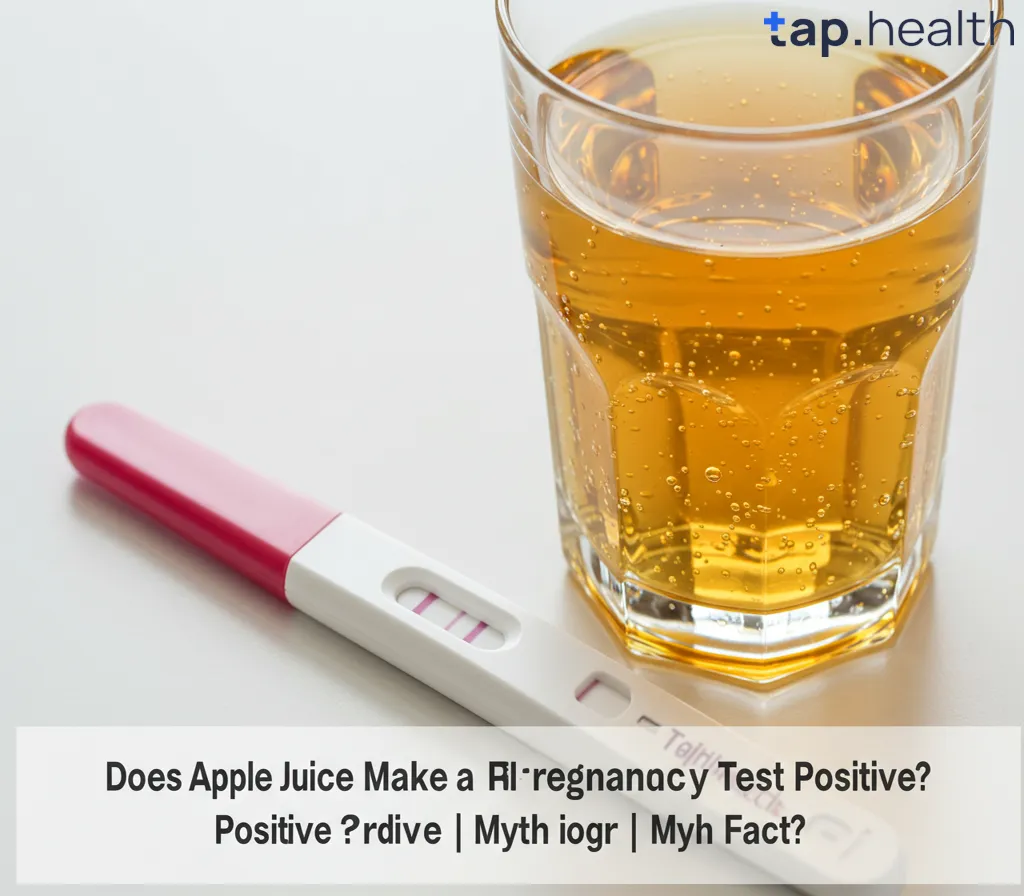
If you’ve ever searched for ways to take a pregnancy test at home, you’ve probably come across numerous myths and DIY methods. One such claim that circulates is the idea that apple juice can make a pregnancy test positive. Is there any truth to this popular myth? Can apple juice actually affect the outcome of a pregnancy test?
In this article, we will dive into the science behind pregnancy tests, explore the myth of apple juice and its supposed effects, and clear up the confusion once and for all. We’ll also address some common questions about pregnancy tests and other substances that might impact their results. Let’s get started!
How Do Pregnancy Tests Work?
Before we address whether apple juice can make a pregnancy test positive, it’s important to understand how pregnancy tests actually work. Pregnancy tests are designed to detect the hormone human chorionic gonadotropin (hCG) in your urine. This hormone is produced during pregnancy after the fertilized egg attaches to the uterine lining.
1. What is hCG?
hCG is the hormone that pregnancy tests look for. After conception, the body starts producing hCG to support the pregnancy. The hormone can be detected in both urine and blood, and home pregnancy tests are designed to detect hCG in your urine.
When you take a pregnancy test, you either urinate on a test strip or dip a test strip into a urine sample. If hCG is present in the urine, the test will show a positive result, usually indicated by two lines or a plus sign, depending on the brand.
2. Accuracy of Pregnancy Tests
Most home pregnancy tests are quite accurate when used correctly, especially if you test after your period is late. The accuracy can range from 99% or higher, but the test’s effectiveness depends on factors like:
- When you take the test: Testing too early, before hCG levels are high enough, can result in a false negative.
- Following the instructions carefully: Not reading the test at the correct time can lead to misinterpreting the results.
- Expiration date of the test: Using an expired test may affect accuracy.
Does Apple Juice Affect Pregnancy Test Results?
Now, let’s address the claim that apple juice can make a pregnancy test positive. This is a myth, and there is no scientific evidence to support it. The presence of apple juice or any other food or drink cannot alter the presence of hCG in your urine. However, there are some reasons why people might believe this myth.
1. The Sugar Content in Apple Juice
Some people speculate that the sugar content in apple juice could somehow interfere with the test, potentially leading to a false positive. However, pregnancy tests are designed to detect hCG and not the presence of sugars or other substances in urine. There is no evidence suggesting that sugar can interfere with a pregnancy test or cause it to show a positive result.
2. Dilution of Urine
Apple juice, like any liquid, can increase the volume of urine if you drink it before taking a pregnancy test. This could dilute your urine, potentially lowering the concentration of hCG in your sample. However, if you’re testing after drinking apple juice, the most likely outcome is a false negative (not a false positive), since diluted urine might not have enough hCG to trigger a positive result.
3. Other Home Remedies and Myths
Apple juice is just one of many home remedies or myths that claim to affect pregnancy test results. Other common myths include using bleach, toothpaste, or even baking soda in an attempt to alter the outcome of a pregnancy test. These substances can lead to false results, but they do not make the test positive.
Important: Using any substance besides urine on a pregnancy test is not only unreliable, but it can also damage the test and make it impossible to read the results accurately.
What Can Cause a False Positive on a Pregnancy Test?
While apple juice doesn’t make a pregnancy test positive, there are some legitimate causes of false positive results. A false positive means that the test indicates pregnancy when you are not actually pregnant.
1. Chemical Pregnancy
A chemical pregnancy occurs when an embryo implants in the uterus, but the pregnancy doesn’t develop normally. This can cause hCG to appear in your urine, but the pregnancy won’t progress, leading to a miscarriage early on. Chemical pregnancies can result in a false positive on a pregnancy test.
2. Certain Medications
Some medications, particularly those containing hCG or certain fertility drugs, can cause a false positive. If you are taking medication that contains hCG, it may trigger a positive result on a pregnancy test, even if you are not pregnant.
3. Evaporation Lines
Sometimes, if you wait too long to read the pregnancy test results, an evaporation line can appear. This line may look like a faint positive, but it’s actually just a residue left from the test fluid evaporating. Always read the results within the timeframe indicated in the test instructions to avoid misinterpretation.
4. Underlying Health Conditions
Certain health conditions, such as ovarian cysts, pituitary gland disorders, or some types of cancer, can produce hCG, leading to a false positive pregnancy test. If you have a medical condition that may affect hCG production, it’s important to consult with your healthcare provider for accurate diagnosis.
5. Improper Use of the Test
To avoid false positives, always follow the instructions carefully. Using an expired test, incorrect testing technique, or misreading the results can all lead to inaccurate results.
Can You Make a Pregnancy Test More Accurate?
While you can’t make a pregnancy test more accurate by adding substances like apple juice, there are ways to increase the likelihood of getting a correct result:
1. Test After Your Missed Period
For the most accurate results, wait until after your missed period to take a pregnancy test. Testing too early, before hCG levels have risen enough, can result in a false negative.
2. Use the First Morning Urine
The first urine of the day is usually the most concentrated, making it easier for the test to detect hCG. It’s a good idea to take the test with first-morning urine to ensure the most accurate result.
3. Follow the Instructions Carefully
Each pregnancy test has specific instructions, and it’s important to follow them closely. This includes timing how long you wait before reading the results and knowing how to interpret the lines or symbols.
4. Consult a Healthcare Professional
If you’re unsure about your pregnancy test results, it’s always a good idea to consult your healthcare provider. They can provide a blood test to confirm the presence of hCG and give you further guidance.
Common Questions About Pregnancy Tests
1. Can drinking apple juice affect pregnancy test results?
No, drinking apple juice does not affect pregnancy test results. While apple juice can dilute your urine, it is unlikely to make a pregnancy test positive. If anything, it may cause a false negative.
2. What can cause a false positive on a pregnancy test?
A false positive can be caused by chemical pregnancies, certain medications (like fertility drugs), evaporation lines, or underlying health conditions. Always follow the instructions and consult with a doctor if you’re uncertain.
3. What is the best time to take a pregnancy test?
The best time to take a pregnancy test is after you’ve missed your period. Testing with first-morning urine can help increase the accuracy of the test.
4. Can I test early and still get an accurate result?
You can test early, but the result may not be as accurate. If you test too soon, hCG levels might not be high enough to be detected, leading to a false negative. It’s best to wait until at least a week after your missed period.
5. How long should I wait to read the results?
Always read the results within the timeframe specified in the test’s instructions. If you wait too long, evaporation lines may appear, leading to a false reading.
6. Are there any home remedies that can change the results of a pregnancy test?
There are many myths and home remedies claiming to alter pregnancy test results, such as using bleach, toothpaste, or baking soda. These methods are not reliable and can result in inaccurate test results.
7. How can I confirm my pregnancy after a positive test?
After receiving a positive result, the best way to confirm your pregnancy is by scheduling an appointment with your healthcare provider. They can perform a blood test to measure hCG levels and confirm the pregnancy.
In conclusion, apple juice does not make a pregnancy test positive. The idea that apple juice can affect the results of a pregnancy test is a myth. Pregnancy tests work by detecting hCG in your urine, and substances like apple juice do not interfere with this process. For the most accurate results, take the test after your missed period, follow the instructions carefully, and consult your doctor if you have any doubts about the results.