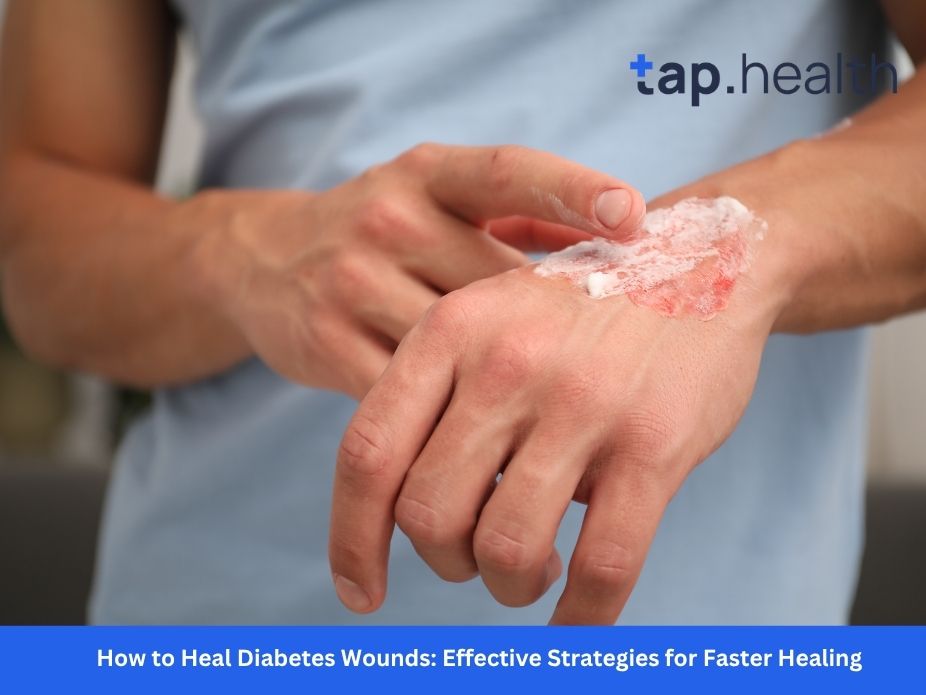
For people with diabetes, wounds and ulcers can be a significant concern due to the impact the condition has on circulation, nerve function, and the body’s ability to heal. Whether it’s a minor cut or a more serious diabetic ulcer, the healing process can take longer for those with diabetes. This makes it crucial to understand how to properly care for wounds and promote healing while managing blood sugar levels effectively.
In this article, we will explore how to heal diabetes wounds, providing you with actionable steps, lifestyle tips, and medical strategies to support the healing process. From proper wound care to managing underlying causes of delayed healing, this guide covers everything you need to know.
Why Do Wounds Take Longer to Heal in Diabetics?
Diabetes affects your body in many ways, including how it heals wounds. The primary reasons that wounds heal more slowly in people with diabetes are:
1. Poor Circulation
High blood sugar levels can damage blood vessels and decrease blood flow, making it harder for oxygen and nutrients to reach the wound. This results in slower healing and an increased risk of infection.
2. Nerve Damage (Neuropathy)
Diabetes can cause nerve damage, especially in the feet and legs. This condition, known as neuropathy, can lead to reduced sensation, making it difficult for people with diabetes to notice wounds until they’ve become more serious.
3. Weakened Immune System
High blood sugar levels impair the immune system’s ability to fight infections. As a result, wounds are more prone to becoming infected and taking longer to heal.
4. Increased Risk of Infection
Because high glucose levels provide food for bacteria, people with diabetes are more susceptible to infections, which can further delay the healing process.
How to Heal Diabetes Wounds Effectively
Healing diabetes wounds requires a comprehensive approach, focusing on blood sugar management, proper wound care, and avoiding complications. Here are the best strategies to help heal wounds faster and more effectively.
1. Control Your Blood Sugar Levels
Managing blood sugar is the most important aspect of wound healing for diabetics. High blood sugar levels can hinder the body’s ability to heal and increase the risk of infection. Keeping your blood sugar levels within the target range is essential.
Tips to Control Blood Sugar:
- Monitor Your Blood Sugar Regularly: Keeping track of your blood glucose levels can help you understand how your diet, exercise, and medications are affecting your blood sugar.
- Take Medications as Prescribed: If you’re on insulin or other diabetes medications, be consistent with your treatment regimen.
- Follow a Healthy Diet: Eat a balanced diet rich in vegetables, whole grains, lean proteins, and healthy fats. Limit sugary and processed foods that can cause blood sugar spikes.
- Exercise Regularly: Physical activity helps improve insulin sensitivity and promotes healthy circulation, which aids in wound healing.
2. Keep the Wound Clean and Dry
Proper wound care is crucial for preventing infections and promoting faster healing. Here’s how to care for a wound if you have diabetes:
Steps for Proper Wound Care:
- Clean the Wound: Gently clean the wound with mild soap and water to remove any dirt or bacteria. Avoid using alcohol or hydrogen peroxide, as these can damage tissue and delay healing.
- Apply an Antiseptic: After cleaning, apply an antiseptic ointment or cream to prevent infection. Consult your healthcare provider for recommendations.
- Cover the Wound: Use a sterile dressing or bandage to protect the wound from dirt and bacteria. Change the dressing regularly to keep the wound clean.
- Avoid Scratching or Picking: It’s important not to pick at the wound, as this can introduce bacteria and slow down the healing process.
3. Prevent Infection
Infection is a significant risk for diabetic wounds, so it’s important to take steps to reduce the chance of an infection setting in.
Infection Prevention Tips:
- Monitor for Signs of Infection: Watch for redness, swelling, warmth, or discharge from the wound. If you notice any of these signs, contact your healthcare provider immediately.
- Use Antibiotics if Prescribed: If your doctor prescribes antibiotics, take them as directed to prevent or treat infections.
- Consider Probiotics: Probiotics can help support your immune system, which may promote wound healing and reduce infection risk. Speak to your doctor before adding any supplements to your routine.
4. Stay Hydrated
Staying hydrated is essential for overall health and supports the healing process. Drinking water helps maintain good circulation and ensures that your body has the nutrients and oxygen it needs to repair tissues.
Hydration Tips:
- Drink Plenty of Water: Aim to drink at least 8 glasses of water a day, or more if you are physically active.
- Limit Sugary Drinks: Sugary drinks can cause blood sugar spikes and should be avoided.
5. Consider Special Dressings and Topical Treatments
Depending on the type and location of your wound, certain dressings or topical treatments may be recommended to speed up healing and prevent infection. Some of these options include:
Types of Wound Dressings:
- Hydrocolloid Dressings: These dressings are moisture-retentive and promote faster healing by keeping the wound environment moist.
- Silver-Infused Dressings: Silver has antimicrobial properties and can be used for chronic wounds to reduce the risk of infection.
- Foam Dressings: These absorb exudate (fluid) from the wound and help maintain a clean environment, which can speed up healing.
Discuss with your healthcare provider which type of dressing or treatment is best suited for your specific wound.
When to Seek Medical Help for Diabetic Wounds
If a wound doesn’t heal after a few weeks or shows signs of infection (redness, warmth, swelling, or pus), it’s important to seek medical attention. Additionally, if you notice any of the following, consult a healthcare provider immediately:
- Pain that increases or doesn’t subside
- Fever or chills
- Excessive swelling or drainage from the wound
- A wound that is not healing after two weeks
Diabetic ulcers can sometimes require more advanced treatments, including debridement (removal of dead tissue), antibiotic therapy, or even surgery. Early intervention is crucial to prevent complications.
Additional Tips to Promote Wound Healing for Diabetics
1. Quit Smoking
Smoking can impair circulation and delay wound healing. If you smoke, quitting can significantly improve your body’s ability to heal and reduce your risk of complications.
2. Manage Stress
Chronic stress can affect blood sugar levels and immune function. Managing stress through activities like yoga, meditation, or breathing exercises can help support your healing process.
3. Ensure Proper Foot Care
People with diabetes are particularly susceptible to foot wounds. It’s important to check your feet daily for cuts, blisters, or ulcers, especially if you have neuropathy (nerve damage).
Frequently Asked Questions (FAQs) on How to Heal Diabetes Wounds?
1. Why do wounds heal slower in diabetics?
Wounds heal slower in diabetics due to factors like poor circulation, nerve damage, high blood sugar levels, and a weakened immune system, all of which affect the body’s ability to repair tissues efficiently.
2. Can diabetes cause wounds to get infected more easily?
Yes, diabetes can increase the risk of infections because high blood sugar levels provide food for bacteria, impair immune function, and slow down the body’s ability to fight infections.
3. What are the best types of bandages for diabetic wounds?
Hydrocolloid or foam dressings are often recommended for diabetic wounds. These dressings keep the wound moist, promote faster healing, and reduce the risk of infection.
4. How can I prevent diabetic foot ulcers?
To prevent diabetic foot ulcers, make sure to inspect your feet daily for cuts, blisters, or sores. Wear properly fitting shoes, avoid walking barefoot, and keep your feet clean and dry. If you have neuropathy, make sure to check for wounds that you may not feel.
5. Can diabetic wounds heal on their own?
With proper care, diabetic wounds can heal on their own, but they often require more time and attention compared to people without diabetes. Regular monitoring, good blood sugar control, and proper wound care can improve the chances of healing.
Conclusion
Healing diabetes wounds can be challenging, but with the right approach, it is possible to speed up the healing process and prevent complications. The key is to maintain good blood sugar control, take steps to prevent infection, and follow proper wound care procedures. If your wound is not healing or shows signs of infection, seek medical advice promptly to avoid further complications.
By following the tips outlined in this article, you can help support your body’s natural healing abilities, reduce the risk of infections, and promote better overall health while managing diabetes. Always consult your healthcare provider for personalized advice and care.