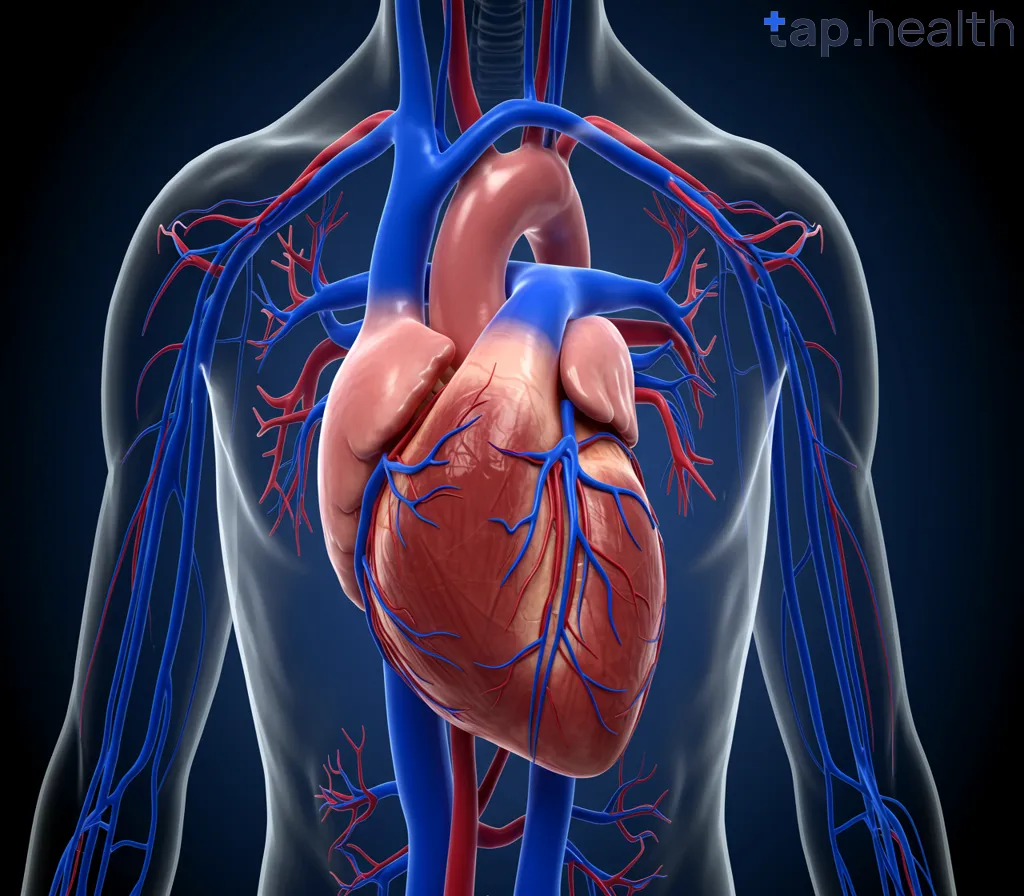
The human heart is a complex organ responsible for pumping blood throughout the body, maintaining the necessary circulation to support life. When we talk about the “venous heart,” we are referring to aspects of how the heart works with venous blood and the role it plays in overall circulation.
In this article, we will explain what the venous heart is, how it functions, and why venous blood is so important in maintaining the heart’s health. We’ll also explore related topics like venous circulation, venous return, and how these factors influence the heart’s ability to pump blood efficiently.
Understanding the Heart’s Basic Function
Before diving into what the venous heart is, it’s important to understand the general function of the heart. The heart is divided into four chambers: two atria and two ventricles. The right side of the heart receives deoxygenated blood from the body through the superior and inferior vena cava, while the left side pumps oxygenated blood to the body through the aorta. This process is part of what’s known as systemic circulation.
The heart works continuously to ensure that oxygen-rich blood is delivered to tissues and organs, while deoxygenated blood is sent to the lungs for oxygenation. It accomplishes this by pumping blood through two distinct circulatory routes:
- Pulmonary Circulation: The blood travels from the heart to the lungs, where it picks up oxygen.
- Systemic Circulation: The oxygenated blood is pumped to the rest of the body.
In the case of venous circulation, we’re particularly interested in the right side of the heart, which receives deoxygenated blood and pumps it to the lungs.
What Does “Venous Heart” Mean?
The term “venous heart” isn’t widely used in scientific literature, but it can refer to the heart’s interaction with venous blood—particularly how the heart handles deoxygenated blood returning to it from the body. More specifically, it refers to the right atrium and right ventricle, which are responsible for receiving venous blood and sending it to the lungs for oxygenation.
The Venous Circulation Process
- Venous Blood Return: The deoxygenated blood from the body returns to the heart via two large veins: the superior vena cava (which carries blood from the upper body) and the inferior vena cava (which carries blood from the lower body).
- Right Atrium: This blood first enters the right atrium of the heart. Here, the blood is collected before being pumped into the right ventricle.
- Right Ventricle: The right ventricle then contracts and pumps the venous blood through the pulmonary artery to the lungs, where it will exchange carbon dioxide for oxygen.
This process ensures that the heart is efficiently handling venous blood and oxygenating it before sending it back into the systemic circulation.
The Role of Venous Blood in the Heart’s Function
Understanding how venous blood interacts with the heart helps explain how the venous heart functions and why it’s essential for maintaining overall circulation.
Venous Return and Heart Function
The flow of venous blood back to the heart is crucial for maintaining a consistent blood flow. This process is called venous return, and it has a direct impact on how the heart functions:
- Effect of Venous Return on Heart Output: The more venous blood that returns to the heart, the more blood the heart has to pump. This is important because the heart must adjust its output to meet the body’s needs, especially during physical activity.
- Influence on Right Ventricle Function: The right ventricle’s ability to pump blood to the lungs depends on a steady return of venous blood. If venous return is decreased (due to issues like venous insufficiency or heart disease), the right side of the heart may struggle to pump blood efficiently, leading to symptoms like shortness of breath and swelling.
- Venous Pressure: The pressure in the veins that carry blood back to the heart also plays a role in maintaining the heart’s pumping efficiency. Increased venous pressure can lead to right-sided heart failure, where the heart cannot handle the return of blood properly, leading to fluid buildup in the body.
How the Venous Heart Connects to the Lungs
The primary function of the venous heart is to manage the flow of deoxygenated blood to the lungs for oxygenation. Here’s a breakdown of how the venous heart connects to the lungs:
1. Pulmonary Circulation:
The right ventricle pumps the deoxygenated blood into the pulmonary artery, which then carries it to the lungs. Here, the blood exchanges carbon dioxide for oxygen in the alveoli (tiny air sacs) of the lungs.
2. Oxygenated Blood Return: Once oxygen is picked up, the blood returns to the heart via the pulmonary veins, entering the left atrium of the heart. From there, it is pumped into the left ventricle and distributed to the rest of the body.
3. Gas Exchange Process: This entire cycle—from the venous blood entering the right atrium to being pumped into the lungs for gas exchange—is crucial for maintaining proper oxygen levels in the body. Without an efficient venous heart, this oxygen exchange process would be compromised.
Factors That Affect Venous Return and Heart Function
Venous return is influenced by a number of factors. If these factors are impaired, it can affect the heart’s ability to pump blood effectively. Some of the factors include:
1. Gravity
Gravity plays a significant role in venous return. For example, when you are lying down, gravity assists in the return of blood to the heart. But when you stand up, gravity works against venous return, which is why your heart rate may increase slightly to compensate.
2. Muscle Pump
When you exercise or move, your muscles contract, helping to push blood back to the heart. This is why physical activity can improve venous return and help the heart pump blood more effectively.
3. Blood Volume
The amount of blood circulating in the body also affects venous return. If the blood volume decreases (due to dehydration or blood loss), the amount of blood returning to the heart will be reduced, impacting the heart’s ability to function properly.
4. Venous Valve Function
Venous valves prevent blood from flowing backward in the veins. If these valves fail (as in varicose veins), venous blood may pool, causing increased pressure and reducing venous return. This can lead to swelling and other circulatory issues.
5. Heart Diseases and Conditions
Conditions like heart failure, pulmonary hypertension, or venous insufficiency can affect how blood returns to the heart, leading to decreased efficiency in the venous heart and causing complications such as fluid retention or shortness of breath.
Diseases and Conditions Related to the Venous Heart
Certain conditions can directly affect the function of the venous heart and impair its ability to pump blood effectively.
1. Congestive Heart Failure (CHF)
CHF occurs when the heart becomes weakened and unable to pump blood efficiently. This affects both the left and right sides of the heart, causing fluid buildup in the veins. When the right side of the heart fails, it leads to right-sided heart failure, where the venous blood backs up, causing swelling in the legs, abdomen, and other parts of the body.
2. Pulmonary Hypertension
Pulmonary hypertension is high blood pressure in the arteries that supply the lungs. It forces the right side of the heart to work harder to pump blood into the lungs, eventually leading to right heart failure.
3. Deep Vein Thrombosis (DVT)
DVT is a condition where a blood clot forms in the veins of the legs or arms, blocking the flow of venous blood back to the heart. This can lead to complications like pulmonary embolism, where the clot travels to the lungs, causing potentially life-threatening issues.
4. Varicose Veins
Varicose veins occur when the valves in the veins become weak, allowing blood to flow backward and pool. This leads to increased venous pressure and difficulty with venous return, affecting the efficiency of the venous heart.
Frequently Asked Questions (FAQs) on What is Venous Heart?
1. What is the Venous Heart?
The venous heart refers to the right side of the heart that handles deoxygenated blood. It includes the right atrium and right ventricle, which pump venous blood to the lungs for oxygenation.
2. How Does Venous Blood Return to the Heart?
Venous blood returns to the heart through the superior and inferior vena cava into the right atrium. From there, it flows into the right ventricle, which pumps it to the lungs for oxygenation.
3. What Affects Venous Return?
Factors such as gravity, muscle activity, blood volume, and vein valve function all influence venous return. Conditions like varicose veins or heart failure can impede venous return.
4. Why Is the Venous Heart Important?
The venous heart plays a critical role in circulating deoxygenated blood to the lungs for oxygenation, which is essential for maintaining overall body oxygen levels.
5. What Is Right-Sided Heart Failure?
Right-sided heart failure occurs when the right side of the heart becomes unable to pump blood effectively, causing blood to back up in the veins and leading to fluid buildup in the legs, abdomen, and lungs.
In conclusion, the venous heart—mainly the right side of the heart—plays a crucial role in managing venous blood and ensuring that it is properly oxygenated in the lungs. This process is vital for maintaining healthy circulation and ensuring the body receives the oxygen it needs to function properly. Understanding the factors that influence venous blood return and the role of the heart in this process is key to understanding how our circulatory system works and how various conditions can affect heart health.