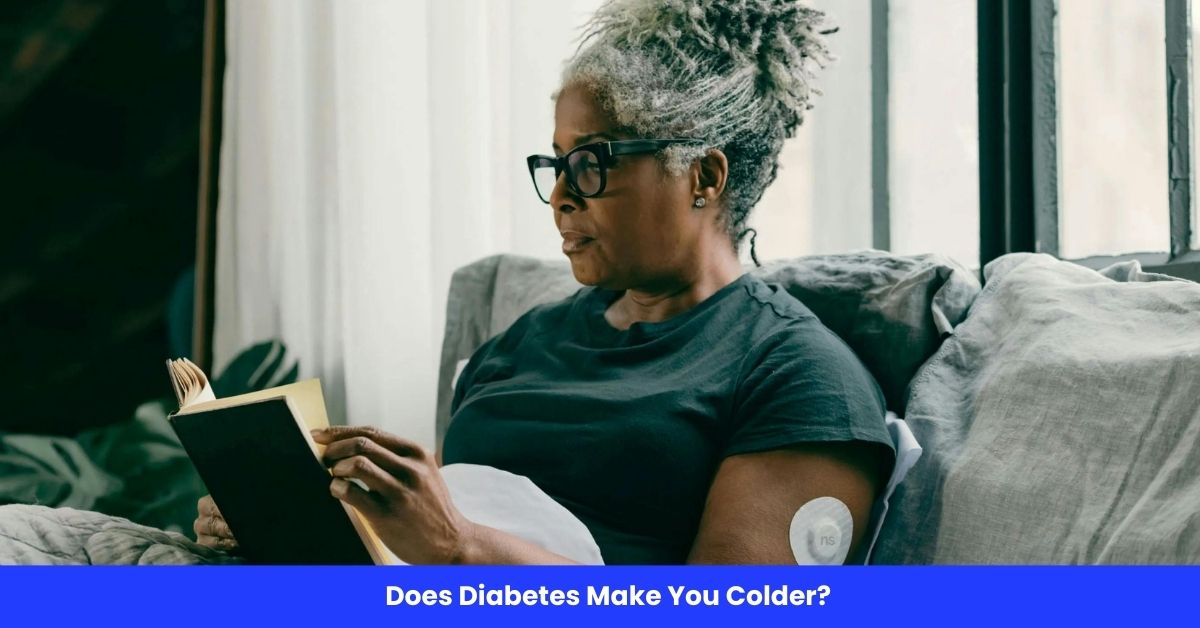
If you have diabetes, you might have noticed that you feel colder than others. Does diabetes make you colder? You’re not alone in this experience—many people with diabetes report feeling chilly more often, especially during colder months. But why does this happen?
In this article, we’ll dive into the reasons why diabetes might cause you to feel colder than usual, the role of nerve damage, blood circulation, medications, and blood sugar levels in temperature sensitivity. We’ll also provide tips on how to stay warm and manage your symptoms.
What is Diabetes?
Before we explore how diabetes affects body temperature, it’s essential to understand what diabetes is and how it affects your body.
Diabetes is a chronic condition that occurs when your body is unable to regulate blood sugar (glucose) levels effectively. This happens due to problems with insulin, a hormone produced by the pancreas that helps control blood sugar.
There are two main types of diabetes:
- Type 1 Diabetes: An autoimmune condition where the immune system attacks and destroys insulin-producing cells in the pancreas.
- Type 2 Diabetes: A condition where the body becomes resistant to insulin or doesn’t produce enough insulin. This is the more common form of diabetes and is often linked to lifestyle factors like diet and lack of physical activity.
Both types of diabetes can lead to a variety of symptoms and complications, including issues with body temperature regulation.
How Does Diabetes Affect Body Temperature?
So, how exactly does diabetes affect your body temperature, causing you to feel colder than usual? The primary reasons are related to nerve damage, blood flow issues, and changes in metabolic function. Let’s break these down.
1. Nerve Damage (Neuropathy) and Cold Sensitivity
One of the most common complications of diabetes, particularly in people with long-term poorly controlled blood sugar levels, is diabetic neuropathy. This condition occurs when high blood sugar levels cause damage to the nerves throughout the body, especially in the extremities like the hands and feet.
How Neuropathy Makes You Feel Colder
When the nerves responsible for regulating temperature sensation are damaged, your body might not feel temperature changes as accurately. This can lead to increased sensitivity to the cold, or in some cases, a reduced ability to sense warmth. If you can’t feel warmth properly, you may experience a constant feeling of being too cold.
- Loss of feeling: Damaged nerves in your feet and hands may prevent you from feeling comfortable in normal temperatures, leading to sensations of coldness even when the room temperature is fine.
- Impaired circulation: Nerve damage can also affect the nerves responsible for blood flow regulation, contributing to cold extremities.
2. Blood Circulation and Diabetes
Good blood circulation is essential for maintaining body temperature. When your body’s circulation is compromised, you may feel colder than others, especially in your hands, feet, and extremities.
How Diabetes Affects Circulation
Peripheral artery disease (PAD) is another common condition in people with diabetes. It occurs when the arteries in the legs and feet become narrowed or blocked due to high blood sugar, leading to poor circulation. This reduced blood flow makes it harder for the body to regulate temperature in the affected areas.
- Cold extremities: Poor circulation means less warm blood reaches your hands, feet, and fingers, leaving them feeling cold.
- Reduced metabolic rate: As blood flow decreases, your body may also have difficulty generating enough warmth.
3. Medications and Their Impact on Temperature Sensitivity
Certain medications used to treat diabetes or manage related conditions may also contribute to feeling cold. Here’s how:
Medications and Cold Sensitivity
- Beta-blockers: These medications are often used to control high blood pressure in people with diabetes. However, they can reduce blood flow to the extremities, making you feel colder.
- Diuretics: Diuretics, or “water pills,” are used to treat high blood pressure and fluid retention. They can lead to dehydration, which can lower body temperature and increase feelings of coldness.
- Insulin: Insulin therapy can sometimes cause hypoglycemia (low blood sugar), which is associated with shivering and coldness. Severe hypoglycemia can cause the body to feel chilled as part of its stress response.
If you notice that certain medications are making you feel colder, discuss this with your healthcare provider to adjust your treatment plan.
4. Blood Sugar Levels and Temperature Sensitivity
Another reason people with diabetes might feel cold is blood sugar fluctuations. Both hypoglycemia (low blood sugar) and hyperglycemia (high blood sugar) can cause issues with temperature regulation.
How Blood Sugar Affects Temperature
- Hypoglycemia (Low Blood Sugar): When blood sugar levels drop too low, the body releases adrenaline, which can cause shivering or trembling as part of the body’s response. This can make you feel unusually cold. Additionally, low blood sugar can cause sweating, which may contribute to feeling chilled, especially if you’re in a cooler environment.
- Hyperglycemia (High Blood Sugar): High blood sugar levels can lead to dehydration, as the body tries to rid itself of excess glucose through frequent urination. Dehydration reduces the body’s ability to maintain a normal temperature, potentially making you feel cold.
5. Metabolic Changes and Diabetes
Diabetes can also alter your metabolism, which can impact your body’s ability to generate heat and maintain warmth. Insulin resistance (a hallmark of Type 2 diabetes) can slow down metabolic processes, causing reduced heat production.
How Metabolic Changes Contribute to Cold Sensitivity
People with Type 2 diabetes may experience slower metabolism due to insulin resistance. When your metabolism slows down, your body may struggle to generate enough heat, contributing to coldness, especially in colder weather.
How to Stay Warm if You Have Diabetes
Now that we know why diabetes can cause you to feel colder, let’s look at some practical tips for staying warm and managing cold sensitivity:
1. Manage Your Blood Sugar Levels
The most important step in managing cold sensitivity due to diabetes is keeping your blood sugar stable. This can help prevent fluctuations that can cause symptoms like shivering and cold extremities.
- Monitor your blood sugar: Regularly check your blood sugar levels to ensure they stay within a healthy range.
- Eat a balanced diet: Incorporate complex carbohydrates, lean proteins, and healthy fats into your meals to help stabilize blood sugar levels.
2. Dress Warmly
Layering clothing is key to keeping warm, especially if you experience cold extremities. Here are some helpful tips:
- Wear warm socks: Insulated socks can help keep your feet warm, especially if you have diabetic neuropathy or poor circulation.
- Use gloves or mittens: Keeping your hands warm will help maintain overall body temperature, especially in cooler environments.
- Dress in layers: Layer your clothing to trap heat, especially in colder weather.
3. Stay Active
Regular physical activity helps improve blood circulation, which can keep your extremities warm. Aim for at least 30 minutes of moderate exercise most days of the week.
- Walking, swimming, or cycling can help improve circulation and reduce feelings of coldness.
- Strength training can also improve circulation and promote overall warmth.
4. Stay Hydrated
Dehydration is a common problem for people with diabetes, and it can contribute to feeling cold. Make sure you’re drinking enough water throughout the day to maintain normal body temperature regulation.
- Drink plenty of water, especially if you’re exercising or in a hot environment.
- Avoid excessive consumption of caffeinated beverages, as they can increase urination and contribute to dehydration.
5. Protect Your Skin
People with diabetes, especially those with diabetic neuropathy, may have difficulty sensing temperature changes, leading to an increased risk of injury from cold environments. Here’s how to protect your skin:
- Avoid prolonged exposure to cold: Don’t expose your skin to cold temperatures for extended periods, especially if you can’t feel the cold properly.
- Use skin moisturizers: Keep your skin moisturized to prevent dryness and cracking, which can increase sensitivity to temperature changes.
Real-Life Scenario
Lily, a 55-year-old woman with Type 2 diabetes, began feeling unusually cold during the winter months. Despite wearing extra layers and using heating pads, she couldn’t shake the coldness, especially in her hands and feet. After speaking with her doctor, Lily learned that her blood sugar fluctuations and poor circulation due to diabetes were contributing to her cold sensitivity.
With the help of her doctor, Lily made adjustments to her diet, increased her exercise routine, and worked on better blood sugar management. She also invested in thermal socks and used moisturizing creams to keep her skin healthy. Over time, Lily found that she could stay warmer and more comfortable in cold weather.
Expert Contribution
Dr. Mark Jones, an endocrinologist, explains, “Diabetes can indeed make people feel colder, especially when blood sugar levels aren’t well-controlled. Both high and low blood sugar can affect circulation and nerve function, leading to symptoms like cold hands and feet. By maintaining a healthy lifestyle and staying on top of your blood sugar levels, you can reduce the impact of cold sensitivity and improve your overall comfort.”
Recommendations Grounded in Proven Research and Facts
- Blood Sugar Management: Studies show that controlling blood sugar is key to preventing cold-related symptoms in people with diabetes. Research published by the American Diabetes Association highlights the importance of stable blood glucose levels for managing temperature sensitivity.
- Exercise and Circulation: A study in Diabetes Care found that regular physical activity helps improve circulation, which is essential for preventing cold extremities and other circulation-related issues.
- Hydration: According to research from the National Institute of Diabetes and Digestive and Kidney Diseases, staying hydrated is crucial for people with diabetes to prevent dehydration and regulate body temperature.
Frequently Asked Questions (FAQs) on Does Diabetes Make You Colder?
1. Why do I feel colder with diabetes?
Diabetes can cause poor circulation, nerve damage, and blood sugar fluctuations, all of which can lead to feelings of coldness, especially in the hands, feet, and extremities.
2. How can I keep warm if I have diabetes?
Stay active, manage your blood sugar levels, dress warmly, and drink plenty of water to keep your body temperature regulated. Using thermal socks and gloves can also help.
3. Can low blood sugar make me feel cold?
Yes, hypoglycemia (low blood sugar) can cause symptoms like shaking and cold extremities as part of the body’s response to low glucose levels.
4. Does high blood sugar make me feel cold?
High blood sugar (hyperglycemia) can lead to dehydration, which can make you feel colder, especially in cooler environments.
5. Should I see a doctor if I feel excessively cold with diabetes?
If you’re feeling colder than usual and it’s affecting your daily life, it’s important to speak with your healthcare provider to rule out any complications like poor circulation, neuropathy, or other underlying conditions.
Conclusion
Does diabetes make you colder? Yes, it can. Diabetes affects the body in many ways, and temperature sensitivity is one of the often-overlooked symptoms. Poor circulation, nerve damage, blood sugar fluctuations, and medication side effects can all contribute to feelings of coldness. By managing your blood sugar, staying active, dressing warmly, and keeping hydrated, you can reduce the impact of cold sensitivity and improve your overall comfort.
If you’re feeling unusually cold, talk to your healthcare provider to get personalized advice and solutions for managing your diabetes-related symptoms.