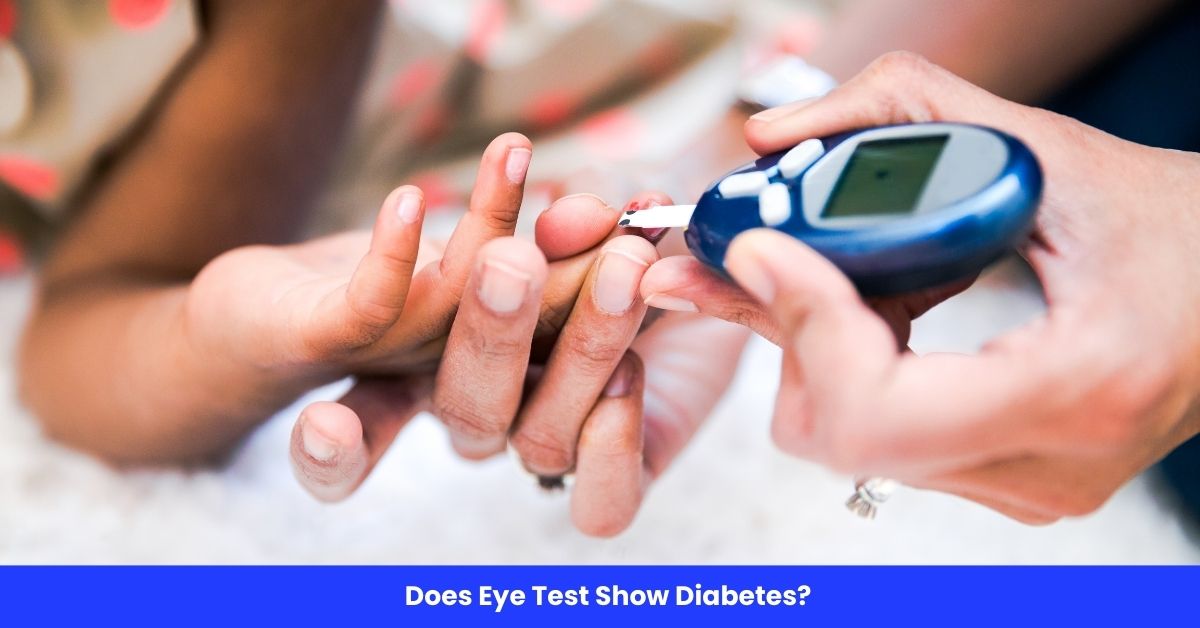
Diabetes is a serious condition that affects millions of people worldwide. It can cause various complications, including issues with vision. One common question people ask is: Can an eye test show diabetes? While an eye test cannot directly diagnose diabetes, it can reveal certain signs that may indicate a person has diabetes or is at risk of developing it.
In this article, we will explore how eye tests can help detect signs of diabetes, specifically through the detection of diabetic retinopathy. We’ll also discuss the importance of regular eye exams, the connection between eye health and diabetes, and what steps you can take to maintain both your eye health and manage your diabetes effectively.
What is Diabetes?
Before we dive into how eye tests may be related to diabetes, it’s important to understand what diabetes is and how it can affect your body.
Diabetes is a condition that occurs when your blood sugar (glucose) levels become too high. This happens because the body either doesn’t produce enough insulin or becomes resistant to insulin. Insulin is a hormone that helps glucose enter the cells, where it is used for energy.
There are two main types of diabetes:
- Type 1 Diabetes: An autoimmune condition where the body attacks and destroys the insulin-producing cells in the pancreas.
- Type 2 Diabetes: A more common form where the body either resists the effects of insulin or doesn’t produce enough insulin to maintain normal glucose levels. This type is often linked to lifestyle factors like poor diet and lack of exercise.
While both types of diabetes affect how the body processes glucose, Type 2 diabetes is more commonly associated with vision problems and other complications that can be seen through an eye test.
How Can an Eye Test Show Diabetes?
While an eye test cannot directly diagnose diabetes, it can help identify certain eye problems that are common in people with diabetes. These problems are often caused by damage to the blood vessels in the eye, a condition known as diabetic retinopathy.
What is Diabetic Retinopathy?
Diabetic retinopathy is a serious eye condition that occurs when high blood sugar levels damage the blood vessels in the retina (the light-sensitive tissue at the back of the eye). It is one of the leading causes of blindness in adults, but the good news is that it can often be prevented or treated if detected early.
In the early stages, diabetic retinopathy may not show any symptoms, which is why an eye test is so important. However, as the condition progresses, it can cause the following:
- Blurry vision
- Floaters or spots in your vision
- Dark or empty areas in your vision
- Difficulty seeing at night
An eye test can detect these changes, allowing your doctor to identify potential issues before they become severe.
How Does an Eye Test Detect Diabetic Retinopathy?
An eye test, also known as a dilated eye exam, involves the following steps:
- Pupil Dilation: The eye doctor will use special eye drops to widen (dilate) your pupils. This allows the doctor to see more of the inside of your eyes, including the retina.
- Fundus Photography: A camera may be used to take detailed pictures of the back of your eyes (the retina). This can help detect early signs of diabetic retinopathy.
- Optical Coherence Tomography (OCT): This test uses light waves to take cross-sectional images of the retina. It can show changes in the retina that may indicate diabetic retinopathy or other eye conditions caused by diabetes.
If the eye test reveals damage to the retina or changes in the blood vessels, it may indicate that you have diabetes or are at risk of developing diabetes. This is why regular eye exams are crucial, especially for people with known risk factors for diabetes.
How Does Diabetes Affect Your Eyes?
Diabetes can lead to several complications that can affect your eye health. Here are the main eye conditions related to diabetes that an eye test may help detect:
1. Diabetic Retinopathy
As mentioned, diabetic retinopathy is the most common eye condition related to diabetes. High blood sugar can cause blood vessels in the retina to weaken and leak fluid, leading to blurry vision, vision loss, and potentially permanent blindness.
2. Cataracts
People with diabetes are at a higher risk of developing cataracts, a condition where the lens of the eye becomes cloudy, impairing vision. Cataracts can develop at an earlier age in people with diabetes and progress more rapidly.
3. Glaucoma
Diabetes can increase the risk of glaucoma, a condition where increased pressure in the eye damages the optic nerve, leading to vision loss. People with diabetes are more likely to develop open-angle glaucoma, which progresses gradually without noticeable symptoms until significant damage is done.
4. Diabetic Macular Edema (DME)
Diabetic macular edema occurs when fluid leaks from the blood vessels in the retina, causing swelling in the macula (the part of the retina responsible for sharp, central vision). DME can lead to blurry vision and, in some cases, permanent vision loss.
Why Are Regular Eye Exams Important for People with Diabetes?
People with diabetes should have regular eye exams, even if they don’t have symptoms, because early detection of eye problems can prevent severe complications. Here’s why regular eye tests are so important:
1. Early Detection of Retinopathy
Diabetic retinopathy doesn’t always show symptoms in the early stages. An eye test can catch the condition before it causes noticeable vision problems. Early treatment can prevent the condition from progressing and causing permanent damage.
2. Prevent Vision Loss
Eye problems related to diabetes, such as cataracts, glaucoma, and diabetic macular edema, can lead to permanent vision loss if left untreated. Regular eye exams allow for early treatment, which can save your vision.
3. Assessing the Overall Health of the Eyes
A dilated eye exam can also provide a glimpse into the overall health of your eyes. If the doctor notices other issues, like high blood pressure or cholesterol problems, they can recommend further treatment.
Can an Eye Test Diagnose Diabetes?
While an eye test can reveal signs of diabetic retinopathy and other eye-related complications, it cannot diagnose diabetes directly. However, an eye test can alert your healthcare provider that you may have undiagnosed diabetes or prediabetes, prompting further testing such as a blood test.
A fasting blood glucose test or A1C test is typically used to diagnose diabetes. These tests measure your blood sugar levels over a period of time and are the most accurate way to diagnose diabetes.
What Should You Do if an Eye Test Shows Signs of Diabetes?
If your eye test shows signs of diabetic retinopathy or other complications related to diabetes, here are the next steps you should take:
1. Follow Up with Your Doctor
Your eye doctor will likely refer you to your primary care provider for further testing. This may include a fasting blood glucose test or an A1C test to confirm whether you have diabetes.
2. Manage Your Blood Sugar
If you are diagnosed with diabetes, managing your blood sugar is essential to preventing further eye damage. Work with your healthcare provider to create a plan for managing your blood sugar through diet, exercise, and possibly medication.
3. Consider Treatment for Retinopathy
If diabetic retinopathy is detected, treatment options may include:
- Laser treatment: This can help seal leaking blood vessels in the retina.
- Injection therapy: Medications may be injected into the eye to reduce swelling or promote healing.
- Vitrectomy: In severe cases, surgery may be needed to remove blood or scar tissue from the eye.
Real-Life Scenario
Meet Laura, a 55-year-old woman with Type 2 diabetes. Laura had been managing her diabetes with medication and lifestyle changes, but she didn’t realize how much damage her blood sugar had done to her eyes. During a routine eye exam, her ophthalmologist noticed signs of diabetic retinopathy.
Thanks to the early detection, Laura was able to get the treatment she needed to manage the condition. She began laser treatments to reduce swelling in the retina and worked with her primary care provider to improve her blood sugar control. As a result, Laura was able to prevent significant vision loss.
This story highlights how regular eye exams can save your sight by detecting diabetes-related eye problems early.
Expert Contribution
Dr. Sarah Thompson, an ophthalmologist specializing in diabetic retinopathy, emphasizes the importance of regular eye exams for people with diabetes: “Eye tests are a crucial part of managing diabetes. Even if you don’t have symptoms, an eye exam can detect early signs of diabetic retinopathy, which is treatable if caught early. Diabetes doesn’t just affect your blood sugar—it affects your entire body, including your eyes. Early intervention is key to preventing vision loss.”
Dr. Thompson also advises, “I recommend that all people with diabetes have a dilated eye exam at least once a year, even if they don’t have any vision problems.”
Recommendations Grounded in Proven Research and Facts
- Regular Eye Exams: Research published by the American Diabetes Association shows that regular eye exams can significantly reduce the risk of severe vision loss in individuals with diabetes. Early detection of diabetic retinopathy and other conditions allows for timely treatment and prevention of complications.
- Manage Blood Sugar: Studies indicate that controlling blood sugar levels is one of the most effective ways to prevent diabetic retinopathy and other eye problems related to diabetes. Maintaining an A1C level of less than 7% is associated with a reduced risk of developing diabetic eye disease.
- Monitor Eye Health: In addition to regular eye exams, people with diabetes should keep an eye on their vision. Any sudden changes in vision, like blurry spots or difficulty seeing at night, should prompt an immediate visit to the doctor.
Frequently Asked Questions (FAQs) on Does Eye Test Show Diabetes?
1. Can an eye test show if I have diabetes?
An eye test can’t diagnose diabetes directly, but it can detect signs of diabetic retinopathy, a common complication of diabetes. If signs of retinopathy are found, further blood tests may be done to confirm if you have diabetes.
2. How often should I have an eye test if I have diabetes?
People with diabetes should have a dilated eye exam at least once a year, even if they don’t have vision problems. Regular eye exams can help catch diabetic eye disease early.
3. What happens if diabetic retinopathy is detected?
If diabetic retinopathy is detected, your doctor will work with you to manage your blood sugar levels and may recommend treatments like laser therapy or injections to treat the condition.
4. Can diabetes cause other eye problems?
Yes, diabetes can cause other eye problems, such as cataracts and glaucoma. These conditions can also be detected during an eye exam.
5. How can I prevent diabetic retinopathy?
The best way to prevent diabetic retinopathy is by controlling your blood sugar levels through diet, exercise, and medication. Regular eye exams are also essential for early detection.
Conclusion
While an eye test cannot directly diagnose diabetes, it can reveal important signs of complications related to the condition, such as diabetic retinopathy. Regular eye exams are vital for people with diabetes, as they can help detect early signs of eye damage and prevent vision loss. If you have diabetes or are at risk, make sure to get an eye exam at least once a year and follow your doctor’s recommendations for managing your blood sugar and overall health.