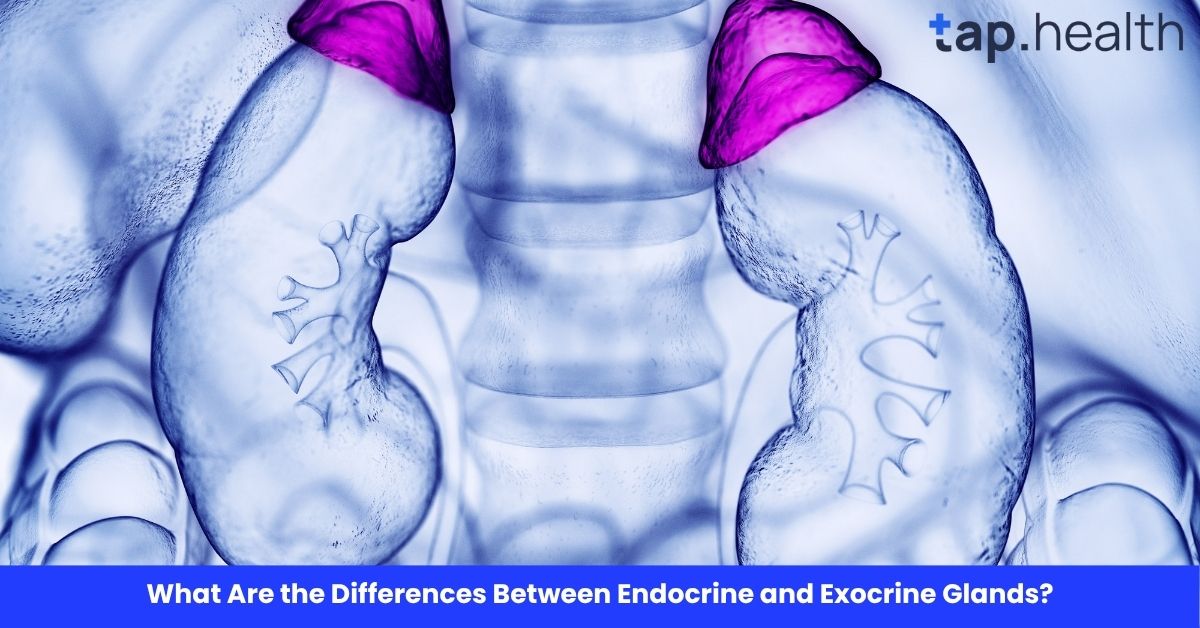
Glands play a crucial role in our body, controlling many essential functions that keep us healthy. They are responsible for producing and releasing substances like hormones, enzymes, and other chemicals. While there are many different glands in the human body, they can be broadly classified into two types: endocrine and exocrine glands. These two types of glands perform very different functions and release their products in different ways.
In this blog post, we’ll explore the key differences between endocrine and exocrine glands, including their definitions, structures, functions, and examples. Whether you’re a student learning about the human body or just someone curious about how our systems work, this article will break down everything you need to know in simple and easy-to-understand terms.
What Are Endocrine Glands?
Definition of Endocrine Glands
Endocrine glands are specialized glands that secrete hormones directly into the bloodstream. Unlike exocrine glands, which release their products into ducts, endocrine glands release their products into the blood, allowing them to travel throughout the body and affect distant organs and tissues.
Key Characteristics of Endocrine Glands
- Ductless: Endocrine glands do not have ducts. Instead, they release their hormones directly into the bloodstream.
- Hormone Secretion: The primary function of endocrine glands is to produce and secrete hormones that regulate various bodily functions such as metabolism, growth, and mood.
- Target Organs: The hormones produced by endocrine glands travel through the blood and affect specific target organs or tissues that have receptors for those hormones.
Functions of Endocrine Glands
Endocrine glands control several critical bodily functions, including:
- Metabolism: Regulating how the body uses energy (food and oxygen).
- Growth and Development: Influencing the growth of cells, tissues, and organs.
- Mood and Emotions: Affecting how we feel and think through hormones like serotonin, dopamine, and cortisol.
- Reproduction: Regulating reproductive functions, including puberty and menstrual cycles.
- Homeostasis: Maintaining the balance of body processes such as temperature, salt levels, and hydration.
Examples of Endocrine Glands
- Pituitary Gland: Often referred to as the “master gland” because it controls other endocrine glands and regulates functions such as growth and metabolism.
- Thyroid Gland: Produces hormones like thyroxine (T3 and T4), which regulate metabolism.
- Adrenal Glands: Secrete adrenaline and cortisol, hormones that help the body respond to stress.
- Pancreas: Produces insulin and glucagon, which regulate blood sugar levels.
- Ovaries: Produce estrogen and progesterone, which control female reproductive health.
- Testes: Produce testosterone, which regulates male reproductive health and secondary sexual characteristics.
What Are Exocrine Glands?
Definition of Exocrine Glands
Exocrine glands, unlike endocrine glands, secrete their products into ducts that lead to the surface of an organ or body cavity. These products may include enzymes, saliva, sweat, tears, and digestive juices, and they often act locally or in a specific region of the body rather than being transported throughout the body.
Key Characteristics of Exocrine Glands
- Ducts Present: Exocrine glands have ducts that carry their secretions to specific locations, such as the digestive tract or skin.
- Localized Secretion: Exocrine glands release substances that have a localized effect in specific areas of the body, such as digestion or lubrication.
- Variety of Products: These glands secrete a wide variety of substances, including enzymes, mucus, sweat, and more.
Functions of Exocrine Glands
Exocrine glands are primarily involved in:
- Digestion: Secreting enzymes that help break down food in the digestive system.
- Lubrication: Producing mucus and saliva to moisten and protect body tissues.
- Temperature Regulation: Sweating to help regulate body temperature.
- Protection: Secreting substances like tears to protect the eyes and mucus in the respiratory tract to trap foreign particles.
Examples of Exocrine Glands
- Salivary Glands: These glands secrete saliva into the mouth, aiding in digestion and keeping the mouth moist.
- Sweat Glands: Located in the skin, these glands secrete sweat, which helps regulate body temperature.
- Liver: The liver secretes bile into the small intestine to help digest fats.
- Pancreas: In addition to its endocrine function (insulin secretion), the pancreas also acts as an exocrine gland by secreting digestive enzymes into the small intestine.
- Mammary Glands: Secrete milk in females to nourish infants.
- Sebaceous Glands: Produce sebum, which lubricates and protects the skin.
Key Differences Between Endocrine and Exocrine Glands
Now that we’ve defined and explained both types of glands, let’s summarize the key differences between endocrine and exocrine glands in a simple table:
| Feature | Endocrine Glands | Exocrine Glands |
|---|---|---|
| Ducts | Do not have ducts; hormones are released into the bloodstream | Have ducts to carry secretions to specific locations |
| Secretion Method | Directly into the bloodstream | Through ducts to a specific surface or cavity |
| Products | Hormones (chemical messengers) | Enzymes, saliva, sweat, mucus, etc. |
| Effect | Hormones travel throughout the body to target organs | Localized effect in specific regions or organs |
| Examples | Pituitary gland, thyroid, adrenal glands | Salivary glands, sweat glands, liver |
How Do Endocrine and Exocrine Glands Work Together?
Although endocrine and exocrine glands function differently, they often work together to maintain bodily health. For example:
- The pancreas serves as both an endocrine and exocrine gland. It produces insulin (an endocrine function) to regulate blood sugar, but it also secretes digestive enzymes (an exocrine function) to break down food in the small intestine.
- The liver produces bile (an exocrine function) for digestion, while it also produces hormones that help regulate various bodily processes.
Common Disorders of Endocrine and Exocrine Glands
Both types of glands can be affected by a variety of disorders that disrupt their normal function.
Endocrine Gland Disorders
- Hypothyroidism: When the thyroid produces too little thyroid hormone, leading to symptoms like fatigue, weight gain, and depression.
- Hyperthyroidism: When the thyroid produces too much thyroid hormone, leading to weight loss, anxiety, and rapid heartbeat.
- Cushing’s Syndrome: Caused by an overproduction of cortisol by the adrenal glands, leading to weight gain and skin changes.
Exocrine Gland Disorders
- Cystic Fibrosis: A genetic disorder that affects the exocrine glands, especially the lungs and pancreas, leading to thick mucus production and difficulty breathing.
- Sweat Gland Disorders: Such as excessive sweating (hyperhidrosis) or lack of sweating (anhidrosis).
- Salivary Gland Infections: These can lead to swelling and pain in the mouth or jaw.
Real-Life Scenario
Imagine you’re exercising on a hot day. Sweat glands (exocrine) release sweat to cool your body, whereas your adrenal glands (endocrine) release adrenaline to increase heart rate and energy. Both work simultaneously but in completely different ways—one through ducts, the other through the bloodstream.
Expert Contribution
Physiologists explain that the endocrine system is crucial for maintaining long-term homeostasis, like controlling blood sugar and growth, while the exocrine system handles immediate physical needs like digestion and temperature regulation. Malfunctions in either system can lead to disorders such as diabetes (endocrine) or cystic fibrosis (exocrine).
Recommendations Grounded in Proven Research and Facts
- Maintain a healthy lifestyle to support both gland types.
- Regular checkups help detect endocrine issues like thyroid disorders early.
- Hydration and a balanced diet support exocrine functions like digestion and sweat production.
- Awareness of symptoms (e.g., excessive thirst, dry skin, digestive issues) can help identify gland dysfunction.
Frequently Asked Questions (FAQs) on What Are the Differences Between Endocrine and Exocrine Glands?
1. What is the main difference between endocrine and exocrine glands?
The main difference is that endocrine glands secrete hormones directly into the bloodstream, affecting distant organs, while exocrine glands release their products (like enzymes, sweat, or saliva) through ducts to specific surfaces or cavities.
2. Are the pancreas and liver both endocrine and exocrine glands?
Yes, both the pancreas and liver function as both endocrine and exocrine glands. The pancreas produces insulin (endocrine function) and digestive enzymes (exocrine function). The liver produces bile (exocrine) and certain hormones (endocrine).
3. Can endocrine gland disorders be treated?
Yes, most endocrine disorders can be treated with medications or hormone replacement therapy, depending on the condition. For example, hypothyroidism can be treated with thyroid hormone replacement.
4. How do exocrine glands help in digestion?
Exocrine glands like the salivary glands and the pancreas produce enzymes that break down food, aiding in the digestive process. Saliva starts digestion in the mouth, and pancreatic enzymes help in the small intestine.
5. What are the common exocrine gland disorders?
Common exocrine gland disorders include cystic fibrosis, which affects the lungs and pancreas, hyperhidrosis (excessive sweating), and salivary gland infections.
6. What hormones do endocrine glands produce?
Endocrine glands produce a variety of hormones that regulate growth, metabolism, mood, and other bodily functions. Some examples include thyroxine (from the thyroid), insulin (from the pancreas), and adrenaline (from the adrenal glands).
Conclusion
In summary, endocrine and exocrine glands are both essential for the proper functioning of the human body, though they have distinct roles and mechanisms of secretion. While endocrine glands release hormones into the bloodstream to regulate various processes, exocrine glands secrete substances like enzymes and mucus through ducts to specific locations. Together, these glands help maintain balance, digestion, immunity, and overall health. Understanding their functions and differences is key to appreciating how our bodies work.