In India, our love affair with sweetness is legendary. From the morning cup of masala chai loaded with sugar to the celebratory laddu or gulab jamun at every festival, sugar is woven into the fabric of our culture. But with India being dubbed the “Diabetes Capital of the World,” millions of us are searching for a way to keep the sweetness without the sugar spike.
We have tried Honey, Jaggery (Gur), and Coconut Sugar, only to realise they still raise blood sugar levels. We have tried artificial sweeteners, but the chemical aftertaste and health concerns often make us hesitate.
Enter Monk Fruit. It is nature’s answer to the diabetic’s dilemma. It claims to be sweet, natural, and safe. But does it live up to the hype? What exactly is the monk fruit glycemic index, and is it truly safe for “sugar patients”?
This comprehensive guide will strip away the marketing jargon and give you the raw facts. Whether you are managing Type 2 diabetes, trying to lose weight, or just want a healthier lifestyle, here is everything you need to know about this small, green fruit.
What is Monk Fruit?
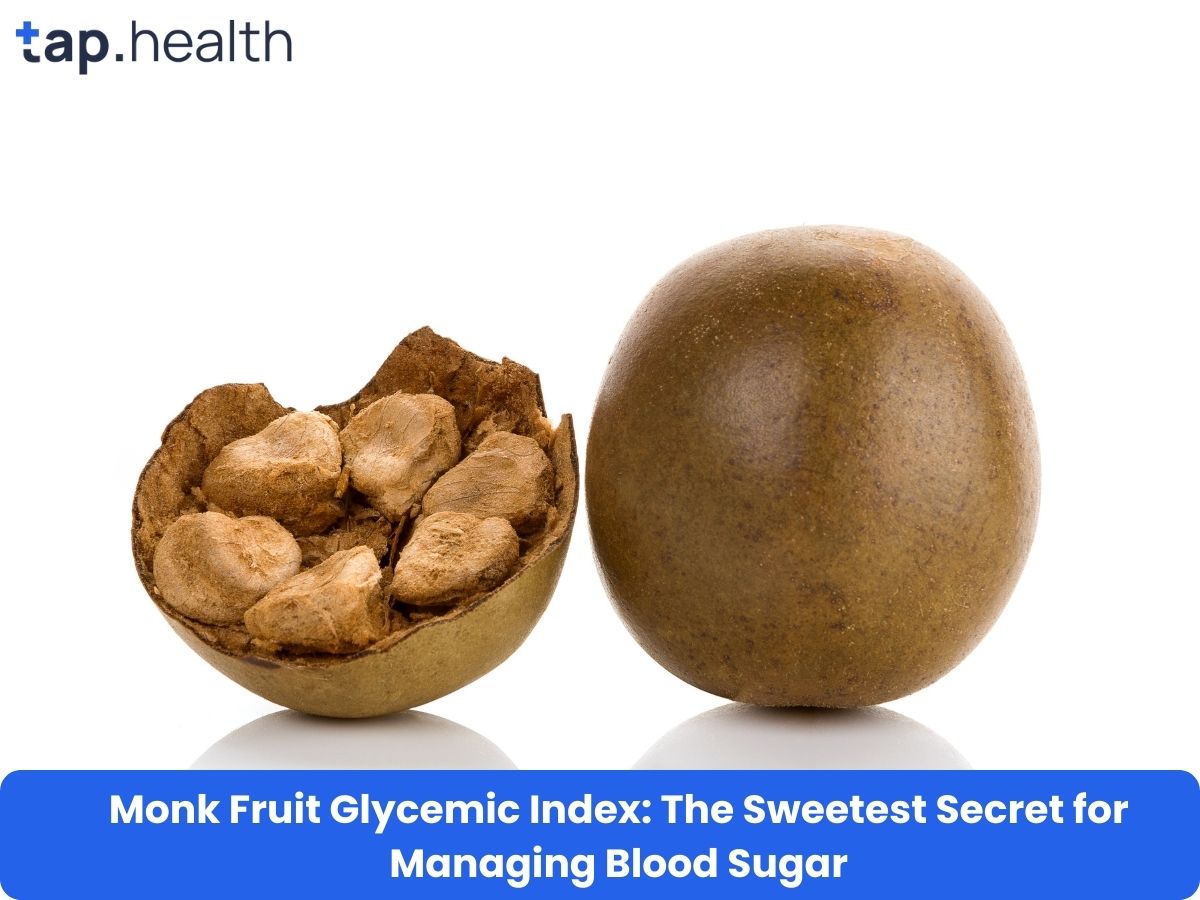
Before we look at the numbers, let’s meet the fruit. Monk Fruit, scientifically known as Siraitia grosvenorii, is a small round fruit native to Southeast Asia. It is also known as Luo Han Guo. It was named after the Buddhist monks who first cultivated it centuries ago.
Unlike sugarcane or fruits like mangoes where the sweetness comes from fructose or sucrose, Monk Fruit gets its intense sweetness from natural compounds called Mogrosides. These are antioxidants that are nearly 200 times sweeter than sugar but are metabolized differently by the body.
Understanding Glycemic Index (GI)
To evaluate if a sweetener is safe, we use the Glycemic Index (GI).
Think of GI as a scoreboard from 0 to 100. It measures how quickly a food raises your blood glucose levels.
- High GI (70-100): Causes a sudden spike in sugar. (e.g., White Sugar, Glucose).
- Medium GI (56-69): Moderate rise.
- Low GI (0-55): Slow, steady release.
For a diabetic, the goal is to eat foods with a low GI to avoid insulin spikes.
The Magic Number: Monk Fruit Glycemic Index
So, what is the monk fruit glycemic index?
The Glycemic Index of Monk Fruit is 0.
Yes, you read that right. Zero.
Because Monk Fruit sweetener contains no sugar and no carbohydrates that the body uses for energy, it does not raise blood sugar levels at all. When you eat monk fruit, the mogrosides trigger the “sweet” taste receptors on your tongue, but your digestive system does not break them down into glucose. They pass through the body without affecting your insulin levels.
This makes it vastly superior to table sugar (GI 65) and even “healthy” alternatives like Honey (GI 58).
Monk Fruit vs. Other Sweeteners: The Battle of GI
To truly understand the value of Monk Fruit, we must compare it with other options sitting on the supermarket shelves in India.
Monk Fruit Glycemic Index vs Sugar
- White Sugar GI: ~65
- Monk Fruit GI: 0 Verdict: Sugar causes rapid insulin spikes and inflammation. Monk fruit does not. For a diabetic, Monk Fruit is the clear winner.
Stevia vs Monk Fruit Glycemic Index
- Stevia GI: 0
- Monk Fruit GI: 0 Comparison: Both are natural, zero-calorie, and zero-GI. However, Stevia often has a bitter, metallic aftertaste (like licorice) that many people dislike in tea or coffee. Monk Fruit has a cleaner, more neutral sweet taste that resembles sugar more closely. Verdict: It comes down to taste. If you hate the aftertaste of Stevia, Monk Fruit is the better choice.
Coconut Sugar vs Monk Fruit Glycemic Index
- Coconut Sugar GI: ~35 to 54
- Monk Fruit GI: 0 Comparison: Many people believe Coconut Sugar is safe for diabetics. While it has a lower GI than white sugar, it still contains carbohydrates and calories. It raises blood sugar, just slower. Verdict: Monk Fruit is safer for strict blood sugar control.
Erythritol and Monk Fruit Glycemic Index
- Erythritol GI: 0
- Monk Fruit GI: 0 Connection: You will often see Monk Fruit sold as a blend with Erythritol (a sugar alcohol). This is because pure Monk Fruit is too sweet (200x sweeter than sugar), so Erythritol is added to give it volume and make it spoonable like sugar. Verdict: This blend is generally safe and keeps the GI at 0.
Date Sugar vs Monk Fruit Glycemic Index
- Date Sugar GI: ~42
- Monk Fruit GI: 0 Verdict: Date sugar is nutritious but high in carbs. Not suitable for unlimited consumption by diabetics.
Agave vs Monk Fruit Glycemic Index
- Agave Nectar GI: ~15 to 30
- Monk Fruit GI: 0 Verdict: Agave is low GI but very high in Fructose, which can overload the liver and cause insulin resistance over time. Monk Fruit is safer for liver health.
Is Monk Fruit Ok for Diabetics?
This is the most critical question. Yes, Monk Fruit is safe and often recommended for diabetics.
Here is why:
- No Blood Sugar Spike: As mentioned, the GI is 0.
- No Insulin Response: It does not require insulin to be processed.
- Antioxidant Properties: The mogrosides in monk fruit are anti-inflammatory, which is beneficial since diabetes is an inflammatory condition.
- Weight Management: It has zero calories, helping with weight loss—a key factor in managing Type 2 diabetes.
Monkey Jackfruit Glycemic Index vs Monk Fruit
There is often confusion between Monk Fruit and Monkey Jackfruit (Lakoocha). These are two completely different things.
- Monk Fruit: A sweetener gourd from China.
- Monkey Jackfruit (Badhal): A tart Indian fruit related to Jackfruit. Monkey Jackfruit contains natural sugars and carbohydrates, so it does have a glycemic index (likely moderate), whereas Monk Fruit sweetener has none. Do not confuse the two!
Safety, Side Effects, and Myths
With any new food product, there are always rumors. Let’s address the common queries about safety.
Why was monk fruit banned?
Fact Check: Monk Fruit is not banned. It is approved by the US FDA (GRAS status) and is widely available in India (FSSAI approved brands exist). Sometimes, import restrictions or labeling laws in certain countries create confusion, but it is considered safe for human consumption globally.
Is monk fruit hard on the liver?
No. Unlike Agave (high fructose) or some artificial sweeteners that burden the liver, Monk Fruit is metabolized safely. The mogrosides are mostly excreted by the digestive tract. There is no evidence suggesting it causes liver damage.
Is monk fruit safe for pregnancy?
Yes, Monk Fruit is generally considered safe for pregnant women and children. It helps pregnant women manage gestational diabetes by satisfying sweet cravings without the glucose load.
Is monk fruit a sugar alcohol?
No. Monk Fruit extract itself is not a sugar alcohol. However, many commercial brands (like Lakanto or specific Indian brands) blend it with Erythritol (which is a sugar alcohol) to balance the sweetness. If you have a sensitive stomach, the Erythritol part might cause mild gas, but the Monk Fruit itself is gentle.
How to Use Monk Fruit in an Indian Kitchen
Switching to Monk Fruit is easy, but you need to know the ratio of monk fruit to sugar.
Since pure Monk Fruit is 200x sweeter, you cannot swap it 1:1.
- Pure Liquid Drops: 1-2 drops = 1 teaspoon of sugar.
- Granular Blends (Monk Fruit + Erythritol): These are usually designed to be 1:1. Check the packet.
Usage Ideas:
- Masala Chai: Add drops after boiling the tea.
- Gajar Ka Halwa: Use the granular blend. It withstands heat well and doesn’t turn bitter like Stevia.
- Kheer: Add it at the end of cooking.
- Nimbu Pani: Dissolves instantly.
Real-Life Scenario
Meet Anjali, a 45-year-old Teacher from Mumbai.
Anjali was diagnosed with Pre-diabetes. She had a “sweet tooth” and found it impossible to give up her evening tea and weekend desserts. She tried Stevia but hated the bitter aftertaste that ruined her Chai. She tried Jaggery, but her HbA1c levels didn’t drop because Jaggery is still sugar.
The Switch: She started using a Monk Fruit + Erythritol blend.
The Experience:
- Week 1: She noticed the taste was much closer to sugar than Stevia. No bitterness.
- Month 3: She successfully replaced sugar in her tea and homemade sweets. Her cravings were satisfied, so she didn’t binge on outside sweets.
- Result: Her weight dropped by 2 kg (due to calorie reduction), and her fasting sugar levels stabilized, moving her away from the pre-diabetic danger zone.
Expert Contribution
We consulted nutrition experts to validate the efficacy of Monk Fruit.
Dr. R. Mehta, Diabetologist: “For Indian patients, the psychological need for sweetness is high. Simply saying ‘stop sugar’ often leads to relapse. Monk Fruit is an excellent bridge. It allows patients to enjoy the taste they love without the metabolic damage. It is chemically stable and doesn’t raise blood glucose, making it a preferred choice over artificial sweeteners like Aspartame.”
Nutritionist S. Rao: “I often recommend Monk Fruit over Agave or Honey for my PCOD and Diabetic clients. The zero-glycemic impact is non-negotiable for hormone health. However, I advise checking the label. Ensure you aren’t buying a blend filled with Maltodextrin or Dextrose, which are hidden sugars.”
Recommendations Grounded in Proven Research and Facts
Based on data from the FDA, Healthline, and diabetes management protocols, here are our recommendations:
- Read the Label: Many “Monk Fruit” sweeteners in India are actually 99% Erythritol and 1% Monk Fruit. This is fine (still 0 GI), but avoid brands that mix it with “Dextrose” or “Maltodextrin,” as these will spike your sugar.
- Start Small: If using a blend, start with a small amount to ensure the Erythritol doesn’t cause bloating.
- Use for Heat: Monk Fruit is heat-stable. It is excellent for baking cakes or making Indian Mithai where boiling is involved.
- Is Good Monk safe for diabetic patients? “Good Monk” is a popular brand in India. It typically contains a unique blend of Monk Fruit and probiotics/fiber. It is generally safe, but always check the specific ingredients list for any fillers.
- Don’t Overcompensate: Just because the sweetener is 0 calories doesn’t mean the Gajar Halwa (made with Ghee and Khoya) is 0 calories. Eat in moderation.
Conclusion
The monk fruit glycemic index is a resounding zero, making it arguably the safest sugar substitute for diabetics available today. It beats sugar, honey, and jaggery on blood sugar impact, and it beats Stevia on taste.
For the Indian household struggling to balance tradition with health, Monk Fruit offers a sweet solution. It allows you to enjoy your Chai and sweets without the guilt or the glucose spike. While it is more expensive than sugar, the investment in your long-term health—saving your eyes, kidneys, and heart from the ravages of high blood sugar—is worth every rupee.
Make the switch, read the labels, and enjoy the sweetness of life, safely.
Frequently Asked Questions (FAQ)
What is the glycemic index of monk fruit vs sugar?
Monk fruit has a glycemic index (GI) of 0, meaning it has no effect on blood sugar. Table sugar (sucrose) has a GI of around 65, causing rapid blood sugar spikes. This makes monk fruit a much safer option for diabetics.
Can diabetics use monk fruit everyday?
Yes, diabetics can consume monk fruit every day. It is a zero-calorie, zero-carb sweetener that does not raise blood sugar or insulin levels. It is approved as safe for long-term use.
What is the safest sugar substitute for diabetics?
Monk Fruit and Stevia are considered the safest natural sugar substitutes. They both have a GI of 0. Monk Fruit is often preferred because it lacks the bitter aftertaste associated with Stevia.
What are the negatives of monk fruit sweetener?
The main negatives are the price (it is more expensive than sugar) and availability. Also, some people may experience mild digestive issues (gas/bloating) if the monk fruit is blended with large amounts of sugar alcohols like Erythritol.
Does monk fruit have a low glycemic index compared to coconut sugar?
Yes, Monk fruit has a significantly lower glycemic index (0) compared to Coconut Sugar (approx 54). While coconut sugar is better than white sugar, it still raises blood glucose, whereas monk fruit does not.
Is monk fruit safe for kidneys and liver?
Yes, Monk fruit is generally safe for the kidneys and liver. Unlike fructose-heavy sweeteners (like Agave) that burden the liver, monk fruit is metabolized differently and does not cause fatty liver or kidney strain.
What is the ratio of monk fruit to sugar?
Pure monk fruit extract is 150-200 times sweeter than sugar, so you only need a tiny pinch or a few drops to replace a cup of sugar. However, most commercial brands are blends designed to be used in a 1:1 ratio, just like spoon-for-spoon sugar.
Why was monk fruit banned?
Monk fruit is not banned in major markets like the USA, India, or Canada. It has GRAS (Generally Recognized As Safe) status. Misconceptions about bans usually stem from confusion with other novel food regulations in the European Union, where approval processes take longer.
References:
- US Food and Drug Administration (FDA): Additional Information about High-Intensity Sweeteners. – FDA Link
- Healthline: Monk Fruit Sweetener – Good or Bad? – Healthline Link
- Mayo Clinic: Artificial sweeteners and other sugar substitutes. – Mayo Clinic Link
- WebMD: Health Benefits of Monk Fruit. – WebMD Link
- National Library of Medicine: Mogrosides and their effects on blood glucose. – NIH Link
(Disclaimer: This content is for educational purposes only. Always consult your doctor or a certified dietitian before making significant changes to your diet, especially if you have diabetes.)