Walking down the health supplement aisle can feel overwhelming for anyone. But when you are managing diabetes, it feels like navigating a minefield. Bright labels scream “Healthy!” and “Muscle Growth!”, but turn the tub around, and you often find hidden sugars and carbohydrate traps.
You know that protein is essential for your body. It keeps you full, builds muscle, and helps balance your meals. But how do you get extra protein when you have a busy lifestyle without accidentally spiking your blood sugar?
This is where a good diabetic protein powder comes in. When chosen correctly, it can be a powerful tool in your diabetes management kit. When chosen poorly, it can act just like a glass of sweetened soda.
In this comprehensive guide, we will break down exactly how protein powders affect your blood glucose. We will show you which ingredients to avoid, which sweeteners are safe, and how to read a nutrition label like a pro. Let us find the perfect protein powder for your health goals.
What Is Protein Powder and Why Diabetics Use It
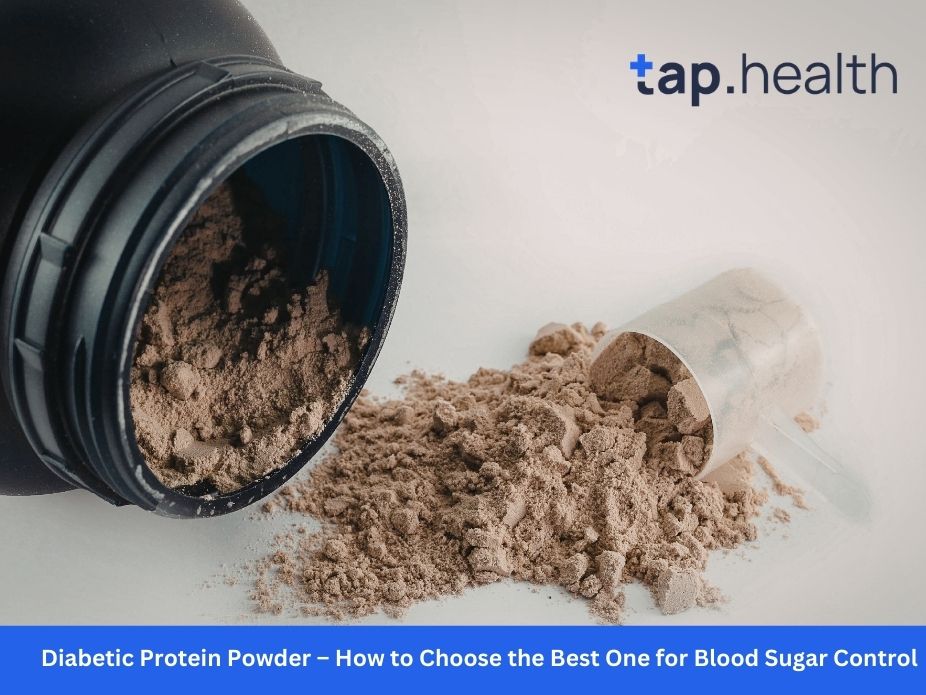
Protein powder is simply a concentrated source of protein extracted from animal or plant foods. Manufacturers take foods like milk, peas, soy, or eggs, and process them to remove the fats and carbohydrates, leaving mostly pure protein behind.
For people with diabetes, getting enough protein is crucial. However, traditional Indian diets are often heavily carbohydrate-based (think roti, rice, and potatoes). It can be challenging to meet your daily protein needs without also consuming excess carbs.
This is why many people turn to protein powders. They offer a highly concentrated dose of protein—usually 20 to 30 grams per scoop—with very few carbohydrates. It is a quick, convenient way to balance a meal or refuel after a morning walk.
Can People with Diabetes Use Protein Powder?
The short answer is yes. People with diabetes can absolutely use protein powder safely.
However, “protein powder” is a broad term. Not all tubs on the pharmacy shelf are created equal. Some are designed for athletes trying to gain weight and are loaded with hundreds of grams of carbohydrates.
If you have diabetes, you must treat protein powder like any other food. You have to investigate what else is inside the box. As long as you choose a product that is low in carbohydrates, free from added sugars, and suited to your kidney health, it can be a safe daily supplement.
How Protein Powder Affects Blood Sugar Levels
Understanding the relationship between protein and blood sugar is the key to managing your diabetes effectively. Protein behaves very differently in the body compared to carbohydrates.
Protein and Slower Glucose Rise
Carbohydrates break down quickly into glucose, causing a rapid spike in your blood sugar. Protein, on the other hand, digests much slower. It takes hours for the body to break down amino acids.
Because of this slow digestion, protein does not cause a sharp spike in blood glucose. In fact, eating protein alongside a carbohydrate can actually slow down the absorption of that carb, leading to a flatter, safer blood sugar curve.
Why Added Sugar Changes the Effect
The protective effect of protein is completely ruined if the powder is packed with added sugar. Many popular commercial protein shakes add sugar to make the drink taste like a milkshake.
If you drink a protein powder that contains 15 grams of added sugar, your blood sugar will spike rapidly, regardless of the protein content. The fast-acting sugar overrides the slow-digesting protein.
Insulin Response vs Blood Sugar Spike
Here is a fascinating medical fact: some proteins, particularly whey protein, stimulate your pancreas to release insulin.
This is known as an “insulinogenic” effect. For many people with Type 2 diabetes, this can actually help lower blood sugar levels after a meal. However, it is a delicate balance, which is why choosing the right type of whey is vital.
Benefits of Protein Powder for People with Diabetes
Adding a high-quality, low-carb protein powder to your routine offers several distinct health advantages.
Better Satiety and Craving Control
Protein is the most filling macronutrient. Have you ever noticed how hungry you feel an hour after eating a bowl of white rice?
A protein shake takes much longer to leave your stomach. This increased satiety (feeling of fullness) helps curb mid-day cravings for sweets and prevents you from overeating at your next meal.
Muscle Maintenance and Strength
As we age, we naturally lose muscle mass. This process, called sarcopenia, happens faster in people with poorly controlled diabetes.
Muscles are your body’s primary storage space for glucose. The more muscle you have, the better your body can clear sugar from your blood. Protein powder provides the essential building blocks your body needs to maintain and build that crucial muscle tissue.
Weight Management Support
Losing even 5% to 10% of your body weight can drastically improve insulin sensitivity. Because protein keeps you full and supports metabolism, a low-calorie protein shake can be an excellent tool for weight loss.
Convenient Meal Support (When Busy)
Life gets busy. Sometimes you do not have the time to cook a protein-rich meal like chicken, paneer, or dal. A scoop of protein powder mixed with water or unsweetened almond milk is a fast, safe meal replacement that will not ruin your blood sugar for the day.
Best Types of Protein Powder for Diabetics
Walk into any supplement store, and you will see dozens of protein varieties. Let us break down the best options for someone watching their blood sugar.
Whey Protein Isolate
Whey protein is derived from milk during the cheese-making process. “Isolate” means the protein has been heavily filtered to remove almost all the lactose (milk sugar), carbohydrates, and fats.
Whey Protein Isolate is generally considered the best option for diabetics. It typically contains over 90% pure protein and less than 1 gram of carbohydrates per scoop. It absorbs quickly and is excellent after exercise.
Whey Protein Concentrate (When It May Not Be Ideal)
Whey Concentrate is cheaper than Isolate, but it undergoes less filtering. This means it retains more carbohydrates, fat, and lactose.
While still a good source of protein, those extra milk sugars can cause slight blood sugar fluctuations in highly sensitive individuals. If you are lactose intolerant, whey concentrate will also cause bloating.
Casein Protein
Like whey, casein comes from milk. However, it digests incredibly slowly.
It forms a gel-like substance in your stomach, providing a steady release of amino acids over several hours. This makes it an excellent choice for a nighttime snack, as it can help keep your blood sugar stable while you sleep.
Plant Protein (Pea, Soy, Brown Rice Blends)
If you are vegan or lactose intolerant, plant proteins are fantastic. Pea protein and soy protein are complete proteins, meaning they contain all essential amino acids.
Look for “blends” (like pea and brown rice mixed together) to ensure you get a complete amino acid profile. Plant proteins also naturally contain a bit more dietary fibre, which is an added bonus for diabetes management.
Egg White Protein
Egg white protein powder is exactly what it sounds like: dehydrated egg whites. It is dairy-free, highly bioavailable, and contains virtually zero carbohydrates. It is a very safe and effective choice for blood sugar control.
What to Look for in a Diabetes-Friendly Protein Powder
Do not trust the marketing on the front of the tub. Turn the container around and look at the nutrition facts panel.
Low or No Added Sugar
This is the most critical factor. Your protein powder should have 0 grams of added sugar. If the label shows more than 2 or 3 grams of sugar per serving, put it back on the shelf.
Low Total Carbs per Serving
Look at the “Total Carbohydrates” line. A good diabetic protein powder should have fewer than 5 grams of total carbohydrates per scoop.
High Protein per Scoop
Ensure you are actually getting what you pay for. A quality powder should offer between 20 to 30 grams of protein per serving. If it offers less than 15 grams, it is likely filled with cheap carbohydrate fillers.
Minimal Additives and Fillers
The ingredient list should be short. If you cannot pronounce half the ingredients, it is highly processed. Look for powders that contain just the protein source, a natural sweetener, and perhaps a natural flavouring like cocoa powder.
Fibre Content (Optional Benefit)
While most pure protein powders lack fibre, some diabetic-specific formulas or plant-based proteins add dietary fibre. Even 2 to 3 grams of fibre per scoop can help slow digestion further and support a healthy gut.
Ingredients Diabetics Should Avoid in Protein Powders
Knowing what to avoid is just as important as knowing what to look for. Beware of these hidden blood sugar spikers.
Added Sugar (Sucrose, Maltodextrin, Dextrose)
Sugar wears many masks. Look out for ingredients ending in “-ose” (like dextrose, sucrose, fructose).
Maltodextrin is particularly dangerous. It is a highly processed carbohydrate used as a thickener. It actually has a higher Glycaemic Index than regular table sugar and will cause a massive blood glucose spike.
High-Carb Mass Gainers
Never buy a product labelled “Mass Gainer” or “Weight Gainer.” These are designed for bodybuilders who want to consume thousands of calories quickly. They are loaded with maltodextrin and can contain up to 50 to 100 grams of carbohydrates per serving.
Artificial Sweeteners That Trigger IBS (If Sensitive)
Some cheap protein powders use artificial sweeteners that can wreck your digestion. If you have a sensitive stomach or Irritable Bowel Syndrome (IBS), avoid products heavy in artificial chemicals, as poor digestion can indirectly stress your body and raise blood sugar.
Hidden Creamers and Thickeners
Ingredients like “corn syrup solids” or hydrogenated vegetable oils are often added to make the shake taste creamier. These add unhealthy trans fats and hidden carbohydrates that harm your heart and your glucose levels.
Best Sweeteners in Protein Powder for Diabetics
If a powder has zero sugar, how does it taste sweet? The answer lies in sugar substitutes. Here are the safest options.
Stevia
Stevia is a plant-based, natural sweetener. It does not affect blood glucose levels and has no calories. It is widely considered one of the safest sweeteners for people with diabetes.
Monk Fruit
Similar to stevia, monk fruit extract is natural, calorie-free, and safe for blood sugar. It often tastes a bit closer to real sugar than stevia and lacks the bitter aftertaste some people experience with other substitutes.
Sucralose (Pros and Concerns)
Sucralose (often known by the brand name Splenda) is a common artificial sweetener. It passes through the body largely unmetabolised and does not spike blood sugar. However, some recent studies suggest that long-term heavy use might affect healthy gut bacteria, so moderation is key.
Sugar Alcohols (Gas/Bloating Risk)
Sweeteners ending in “-ol” (like erythritol, xylitol, maltitol) are sugar alcohols. Erythritol is generally very safe and well-tolerated. However, maltitol can cause slight blood sugar spikes and severe gas, bloating, and diarrhoea if consumed in large amounts.
Diabetic Protein Powder for Type 1 vs Type 2 Diabetes
While the general rules apply to everyone, how you manage your protein intake can differ slightly based on your diabetes type.
Type 1 Diabetes Considerations (Insulin Timing)
For people with Type 1 diabetes, protein can be tricky. While it does not spike blood sugar immediately, a large dose of pure protein (like a 30g shake) can convert to glucose hours later through a process called gluconeogenesis.
Some people with Type 1 may need to take a small, delayed dose of insulin to cover a pure protein shake, especially if it is consumed without any carbohydrates. Always discuss this with your endocrinologist.
Type 2 Diabetes Considerations (Weight + Insulin Resistance)
For those with Type 2 diabetes, the primary goals are usually managing insulin resistance and controlling weight.
A low-carb whey isolate or plant protein is perfect here. It provides fullness without the carbs, helping to reduce overall calorie intake and promote weight loss, which naturally improves insulin sensitivity.
How to Use Protein Powder Without Spiking Blood Sugar
How you mix your protein powder is just as important as the powder itself. You can easily turn a healthy powder into an unhealthy meal if you are not careful.
Best Time to Take It (Breakfast / Post-Workout / Snack)
The best times to consume a protein shake are:
- Breakfast: To start the day with stable blood sugar instead of a carb-heavy meal like toast or cereal.
- Post-Workout: To help repair muscles after a brisk walk or gym session.
- As a Snack: To bridge the gap between lunch and dinner, preventing you from reaching for biscuits or namkeen.
Protein Powder with Water vs Milk
Mixing your powder with water is the safest way to ensure zero extra carbohydrates.
If you use cow’s milk, remember that one glass contains about 12 grams of natural milk sugar (lactose). If you prefer a creamy texture without the carbs, use unsweetened almond milk or unsweetened soy milk instead.
Pairing with Fibre and Healthy Fats
To make your shake a complete meal, add healthy fats and fibre. Toss a tablespoon of chia seeds, flaxseeds, or a few walnuts into your blender. The healthy fats slow digestion even further, ensuring a perfectly flat blood sugar response.
Avoiding Fruit Juices and Sugary Add-ons
Never mix your protein powder with fruit juice. Juices are stripped of fibre and are essentially liquid sugar. Even adding a large, ripe banana can add 25 grams of fast-acting carbohydrates to your shake. Keep it low-glycaemic.
Protein Powder vs Whole Food Protein for Diabetes
Should you just eat eggs and chicken instead? Yes, whenever possible.
Whole foods provide a matrix of nutrients, vitamins, and minerals that powders cannot replicate. Foods like paneer, tofu, lentils, eggs, and fish should always be your primary protein sources.
Protein powder is a supplement. It is meant to fill the gaps in your diet on busy days or provide quick recovery after exercise. It should not replace real, whole food meals entirely.
Can Protein Powder Help with Weight Loss in Diabetes?
Yes, it can be a highly effective weight-loss tool.
Because protein suppresses the hunger hormone (ghrelin) and boosts satiety hormones, a protein shake can keep you full for hours on just 120 calories. Replacing a high-calorie, high-carb breakfast (like parathas or sweetened oats) with a clean protein shake creates a calorie deficit while keeping your blood sugar entirely stable.
Risks and Side Effects of Protein Powder for Diabetics
Protein powder is generally safe, but there are a few medical precautions you must consider.
Blood Sugar Fluctuations from Additives
If you do not read the label carefully, you might accidentally consume hidden maltodextrin or sugar alcohols, leading to unexplained blood sugar highs or gastrointestinal distress.
Digestive Issues (Bloating, Gas, IBS)
Whey protein concentrate contains lactose. If you are lactose intolerant, this will cause severe bloating and gas. Switch to a whey isolate or a plant-based protein if dairy upsets your stomach.
Kidney Disease Precautions (Diabetic Kidney Disease)
This is the most critical warning. Over time, high blood sugar can damage the blood vessels in your kidneys, leading to Diabetic Nephropathy (kidney disease).
If your kidneys are damaged, they struggle to filter the waste products of protein metabolism. If you have been diagnosed with any stage of kidney disease, a high-protein diet or protein supplements can worsen your condition. You must avoid protein powders unless explicitly prescribed by your nephrologist.
Overuse and Excess Calories
Protein has calories (4 calories per gram). If you eat a full, heavy diet and then add two protein shakes on top of it, you will gain weight. Weight gain increases insulin resistance, making your diabetes harder to manage.
How Much Protein Powder Can a Diabetic Take Per Day?
Moderation is key. Protein powder should not be your only source of nutrition.
Serving Size Guidance
For most people, one scoop (approx. 20-30g of protein) per day is plenty. This is enough to aid muscle recovery or replace a snack without overloading your system.
Total Daily Protein Goal (Food + Supplements)
A general guideline for adults with healthy kidneys is to consume about 1 to 1.2 grams of protein per kilogram of body weight per day. If you weigh 70 kg, you need about 70 to 84 grams of protein daily. Calculate what you get from your regular meals, and use the powder only to make up any shortfall.
Who Should Consult a Doctor or Dietitian Before Using Protein Powder?
While protein powder is available over the counter, it acts like a powerful dietary intervention. The following groups must seek professional advice before starting:
People with Kidney Disease
As mentioned, high protein intake accelerates kidney damage in compromised individuals. Always get clearance from your doctor.
Pregnant Women with Diabetes / Gestational Diabetes
Pregnancy requires strict nutritional balance. Some protein powders contain added herbs, heavy metals, or artificial sweeteners that are not safe for a developing baby.
People on Insulin or Multiple Diabetes Medicines
If you replace a carbohydrate-heavy meal with a zero-carb protein shake, but take your usual dose of insulin, your blood sugar could crash dangerously low (hypoglycaemia). You may need to adjust your medication timing.
How to Read a Protein Powder Label (Diabetes Checklist)
Before you buy, run the product through this mental checklist:
- Total Carbohydrates: Is it under 5g per serving?
- Added Sugars: Is it exactly 0g?
- Protein Content: Is it at least 20g per scoop?
- Sweetener Used: Is it Stevia, Monk Fruit, or Erythritol? (Avoid Maltodextrin).
- Ingredient Length: Is the list short and readable?
Real-Life Scenario
Meet Suresh, a 55-year-old bank manager from Mumbai with Type 2 diabetes. Suresh’s mornings were always rushed. He used to grab two slices of white bread with jam before rushing to catch his train. By 11 AM, he felt exhausted, and his blood sugar routinely spiked to 220 mg/dL.
His doctor advised him to cut morning carbs. Suresh bought a tub of Whey Protein Isolate (sweetened with Stevia).
Instead of toast, he started mixing one scoop of protein with cold water and a tablespoon of chia seeds. It took him two minutes to prepare. Not only did he feel full until lunchtime, but his post-breakfast blood sugar dropped to a stable 135 mg/dL. By swapping a high-carb breakfast for a low-carb protein shake, Suresh took control of his mornings and his metabolic health.
Expert Contribution
We consulted with clinical dietitians to get their perspective on supplementing with protein for diabetes management.
“Many of my diabetic patients fear protein powders because they associate them with bodybuilders,” says a leading endocrinology dietitian. “But a clean, unsweetened whey isolate or pea protein is actually a fantastic medical nutrition tool. It helps stabilize the glycaemic response of a meal. My biggest advice is to watch out for ‘Diabetic Specific’ nutritional drinks sold in pharmacies. Many of them masquerade as healthy but actually contain 15 to 20 grams of maltodextrin and seed oils. A simple, pure protein powder is almost always the superior choice.”
Recommendations Grounded in Proven Research and Facts
The use of protein to manage blood glucose is backed by significant clinical research:
- Whey Protein and Glucose Control: Studies published in the American Journal of Clinical Nutrition have demonstrated that consuming whey protein before or with a carbohydrate-rich meal significantly reduces the post-meal blood sugar spike in people with Type 2 diabetes.
- Satiety and Weight Loss: Research indicates that high-protein diets increase the production of GLP-1 (a hormone that promotes fullness and helps the pancreas release insulin), which aids in weight management and glycaemic control.
- Kidney Guidelines: The American Diabetes Association (ADA) strictly recommends that individuals with diabetic nephropathy should not consume high-protein diets, as it increases glomerular filtration pressure, hastening kidney decline.
Key Takeaways
Choosing a diabetic protein powder does not have to be confusing. Remember these core principles:
- Protein Stabilises Sugar: It slows digestion and prevents the rapid blood glucose spikes caused by carbohydrates.
- Isolate Over Concentrate: Choose Whey Protein Isolate or clean Plant Proteins for the lowest carbohydrate content.
- Zero Added Sugar: Always check the label. Avoid maltodextrin, dextrose, and hidden syrups. Look for natural sweeteners like Stevia.
- Mix Smartly: Use water or unsweetened almond milk instead of cow’s milk or fruit juices to keep the carb count at zero.
- Check Your Kidneys: Never start a high-protein supplement routine if you have any stage of kidney disease without your doctor’s approval.
By reading labels carefully and using protein as a strategic supplement rather than a whole-food replacement, you can support your muscles, control your cravings, and keep your blood sugar perfectly in check.
Frequently Asked Questions on Diabetic Protein Powder
What are the main Diabetic Protein Powder uses?
Diabetic protein powders are primarily used to help meet daily protein requirements without adding carbohydrates that spike blood sugar. They are used for meal replacements, managing hunger cravings, aiding muscle recovery after exercise, and supporting healthy weight loss.
What is the average Diabetic protein powder price?
In India, a high-quality, clean Whey Protein Isolate or Plant Protein suitable for diabetics typically ranges from ₹2,000 to ₹3,500 for a 1 kg tub. Avoid unusually cheap powders, as they are often filled with carbohydrate fillers.
Should I only look for Diabetic protein powder sugar free options?
Absolutely. A protein powder for diabetics must be 100% sugar-free. Any added sugar, sucrose, or maltodextrin will cause a rapid spike in your blood glucose, entirely defeating the health purpose of the supplement.
Are there any Diabetic protein powder side effects?
Common side effects include bloating, gas, or digestive discomfort, usually caused by lactose (if using whey concentrate) or specific artificial sweeteners. The most severe risk is kidney strain if you already have diabetic kidney disease.
What is a safe Diabetic protein powder composition?
A safe composition includes a high-quality protein source (Whey Isolate, Pea, or Soy), less than 3g of total carbohydrates per serving, 0g of added sugar, and safe sweeteners like Stevia, Monk fruit, or Erythritol.
What is the Best protein powder for diabetics in India?
While brand availability varies, the best options in India are unflavoured Whey Protein Isolates (like Nutrabay or As It Is) or cleanly formulated plant proteins (like Fast&Up or Myprotein) that contain zero added sugars and no maltodextrin. Always check the current nutritional label before buying.