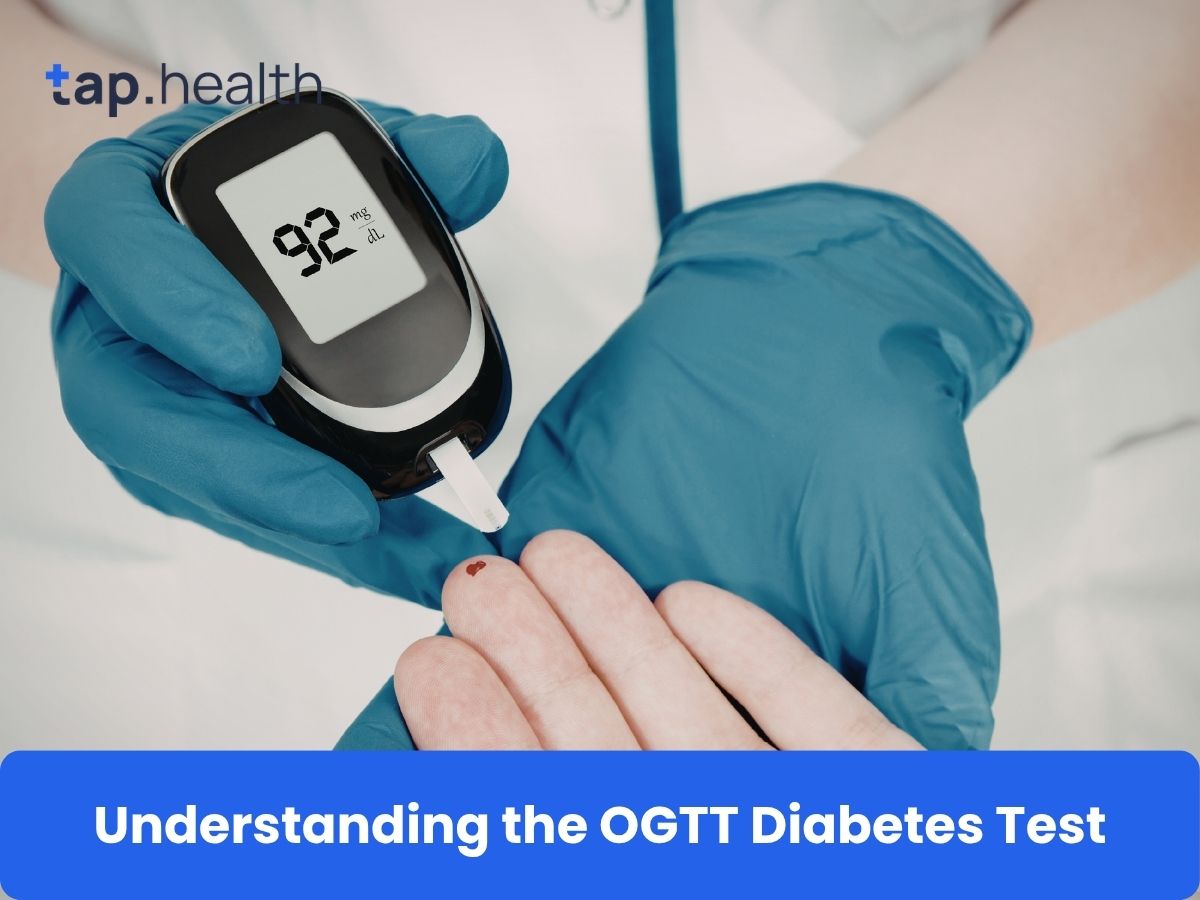
If your doctor has recommended an ogtt diabetes test, you might feel nervous about what to expect. The acronym stands for Oral Glucose Tolerance Test, a reliable method doctors use to check how your body processes sugar. Whether you are being screened for gestational diabetes during pregnancy or investigating unexplained symptoms of high blood sugar, understanding this test helps you prepare mentally and physically.
Many people confuse the OGTT with simple blood sugar checks, but this test provides a more comprehensive picture of your body’s glucose metabolism. Unlike a single fasting blood draw, the OGTT tracks how your blood sugar rises and falls over several hours after drinking a specific glucose solution. This dynamic assessment often catches diabetes or prediabetes that other tests might miss, particularly in its early stages.
This guide explains everything you need to know about the oral glucose tolerance test. We will cover the procedure step-by-step, discuss normal ranges for pregnant and non-pregnant individuals, compare it with other diabetes tests, and provide practical tips for getting accurate results. By the end, you will feel confident walking into the laboratory knowing exactly what to expect and how to interpret your results.
What Is an OGTT Diabetes Test?
The ogtt diabetes test measures your body’s ability to process a standardised amount of glucose, the primary sugar found in your blood. After fasting overnight, you drink a sweet liquid containing a precise quantity of glucose—typically 75 grams for non-pregnant adults and 75 or 100 grams for pregnant women depending on the protocol. Laboratory technicians then draw your blood multiple times over two to three hours to measure how quickly your body clears the sugar from your bloodstream.
Doctors consider the OGTT the gold standard for diagnosing type 2 diabetes, gestational diabetes, and prediabetes because it simulates real-world conditions more accurately than fasting tests alone. When you eat a meal, your blood sugar rises and your pancreas releases insulin to help cells absorb the glucose. The OGTT replicates this process in a controlled environment, revealing whether your insulin response functions properly or shows signs of impairment.
Why Doctors Choose OGTT Over Other Tests
While the HbA1c test and fasting plasma glucose test offer convenience, they have limitations. The HbA1c reflects average blood sugar over two to three months but can yield false results in people with certain anaemias or haemoglobin variants. Fasting glucose only captures one moment in time and might miss people whose primary problem involves post-meal blood sugar spikes. The OGTT detects these postprandial abnormalities, making it particularly valuable for diagnosing early diabetes and gestational diabetes, where timing of glucose elevation matters significantly.
How Does the OGTT Test Work?
Understanding the physiology behind the ogtt diabetes test helps you appreciate why preparation matters so much. When you consume the glucose solution, it rapidly enters your bloodstream through your small intestine. In a healthy individual, the pancreas senses this blood sugar rise and releases insulin within minutes. Insulin acts like a key, unlocking muscle, fat, and liver cells to absorb glucose from the blood.
As cells absorb glucose, blood sugar levels peak around thirty to sixty minutes after drinking the solution, then gradually decline. By the two-hour mark, a healthy person’s blood sugar should return to near-fasting levels. If you have diabetes or insulin resistance, this process falters—either your pancreas cannot produce enough insulin, or your cells resist insulin’s effects, causing blood sugar to remain elevated for longer periods.
The Glucose Load: What You Actually Drink
The “oral glucose” component comes as a highly concentrated sugar solution. For the standard 75g ogtt test procedure, you drink approximately 300 millilitres of liquid containing 75 grams of anhydrous glucose dissolved in water. The solution tastes like extremely sweet, flat lemonade. Some laboratories offer flavoured versions to make it more palatable, though most find it syrupy and overly sweet. You must consume the entire amount within five minutes for the test to remain valid.
Types of OGTT Tests: Which One Will You Take?
Not all glucose tolerance tests are identical. The type your doctor orders depends on whether you are pregnant, your risk factors, and local laboratory protocols.
The Standard 75-Gram OGTT (Non-Pregnant Adults)
For diagnosing diabetes in non-pregnant adults, the World Health Organisation (WHO) and most national guidelines recommend the 75 gram glucose tolerance test. This involves:
- An overnight fast of 8–12 hours
- A fasting blood sample
- Drinking 75 grams of glucose dissolved in water
- Blood draws at one hour and two hours after consumption
Doctors diagnose diabetes if your two-hour blood sugar equals or exceeds 11.1 millimoles per litre (mmol/L) or 200 milligrams per decilitre (mg/dL).
The 75-Gram OGTT for Pregnancy (One-Step Approach)
The 75 gram glucose tolerance test pregnancy protocol follows similar timing but uses different diagnostic thresholds. The International Association of Diabetes and Pregnancy Study Groups (IADPSG) and WHO recommend this approach for diagnosing ogtt gestational diabetes. You complete the test in a single visit with fasting, one-hour, and two-hour blood draws. Only one abnormal value is needed for diagnosis using this method.
The 100-Gram OGTT for Pregnancy (Two-Step Approach)
In the United States and some other countries, pregnant women undergo a two-step process. Step one involves a non-fasting glucose challenge test with 50 grams of glucose. If results exceed a screening threshold, you return for the diagnostic 100-gram three-hour ogtt. This longer test includes fasting, one-hour, two-hour, and three-hour blood draws, requiring at least two abnormal values for diagnosis.
OGTT Test Procedure: Step-by-Step Guide
Knowing exactly what happens during your ogtt diabetes test reduces anxiety and ensures accurate results. Here is what you can expect:
Before the Test: Preparation Essentials
Proper preparation starts three days before your appointment. You should eat your normal diet containing at least 150 grams of carbohydrates daily—starving yourself or following a low-carb diet artificially improves results, potentially masking diabetes. Maintain your regular physical activity level as well.
The night before, fast for 8–12 hours. You may drink plain water, but avoid coffee, tea, juice, or milk. Your doctor will advise whether to take morning medications; generally, you should skip diabetes medications on the test day, but continue blood pressure or thyroid medicines unless specifically instructed otherwise.
The Day of the Test
Step 1: Arrive at the laboratory early in the morning, ideally between 8:00 and 9:00 AM, since you have been fasting since midnight.
Step 2: The phlebotomist draws your fasting blood sample to establish a baseline. They will also check that you have indeed fasted—if your fasting glucose is surprisingly low or high, they might reschedule.
Step 3: You receive the glucose solution. For the 75g ogtt test procedure, you drink 300 millilitres within five minutes. It tastes very sweet and might feel unpleasant, but most people tolerate it well.
Step 4: You remain seated or lie down quietly in the waiting area. You cannot eat, drink (except small sips of water), smoke, or exercise during the test. Walking around or being active affects results, potentially lowering blood sugar through muscle glucose uptake.
Step 5: Blood draws occur at specific intervals—typically one hour and two hours after drinking the solution. For the three-hour test, you return at the three-hour mark as well.
Step 6: Once the final blood draw completes, you may eat immediately. Bringing a snack helps prevent reactive hypoglycaemia, which some people experience after such a large sugar load.
Special Considerations for the Gestational Diabetes Confirmation Test
When undergoing ogtt gestational diabetes confirmation test procedures, timing matters crucially. Schedule the test when you feel well—acute illness, fever, or severe morning sickness can affect results. If you vomit after drinking the glucose solution, you must return another day, as incomplete absorption invalidates the test.
Preparing for Your OGTT Test: Do’s and Don’ts
Accurate results depend heavily on proper preparation. Follow these guidelines to ensure your ogtt diabetes test reflects your true metabolic status.
Dietary Preparation
For three days before the test, consume a balanced diet with normal carbohydrate intake—approximately 150–200 grams daily. This means including bread, rice, chapati, potatoes, fruits, and sweets in your meals. Some people mistakenly believe they should “eat clean” or avoid sugar before testing; this actually produces falsely normal results and might delay diagnosis.
Avoid alcohol for at least 48 hours before the test, as alcohol affects glucose metabolism and liver function. Do not fast longer than 12 hours—extended fasting can trigger stress hormones that raise blood sugar or cause ketone production, complicating interpretation.
Medication Adjustments
Discuss all medications with your doctor. You should generally discontinue oral diabetes medications and insulin the morning of the test unless your physician advises otherwise, as these would obviously lower blood sugar and mask the test’s diagnostic purpose. Continue taking most other medications, though corticosteroids, beta-blockers, and thiazide diuretics can affect glucose levels and should be noted on your lab form.
Physical Activity and Stress
Refrain from strenuous exercise the day before and the morning of the test. Vigorous physical activity enhances insulin sensitivity and can lower blood glucose readings. Similarly, minimise stress—cortisol and adrenaline raise blood sugar, potentially causing false positives. Arrive early to settle in calmly rather than rushing to the laboratory.
OGTT Normal Range and Result Interpretation
Understanding ogtt normal range values helps you interpret your report accurately. Results vary slightly between laboratories, but international guidelines provide standardised criteria.
Normal Ranges for Non-Pregnant Adults (75g OGTT)
Table
| Time | Normal | Prediabetes (Impaired Glucose Tolerance) | Diabetes |
|---|---|---|---|
| Fasting | <6.1 mmol/L (<110 mg/dL) | 6.1–6.9 mmol/L (110–125 mg/dL) | ≥7.0 mmol/L (≥126 mg/dL) |
| 2-hour | <7.8 mmol/L (<140 mg/dL) | 7.8–11.0 mmol/L (140–199 mg/dL) | ≥11.1 mmol/L (≥200 mg/dL) |
OGTT Normal Range in Pregnancy (75g One-Step Test)
For pregnant women using the IADPSG criteria, thresholds are lower to catch gestational diabetes early:
- Fasting: <5.1 mmol/L (<92 mg/dL)
- 1-hour: <10.0 mmol/L (<180 mg/dL)
- 2-hour: <8.5 mmol/L (<153 mg/dL)
Meeting or exceeding any single threshold indicates ogtt gestational diabetes.
The 100-Gram Three-Hour Test Ranges (Carpenter-Coustan Criteria)
For the 2 hour glucose tolerance test pregnancy normal range using the two-step approach, values differ slightly:
- Fasting: <95 mg/dL (<5.3 mmol/L)
- 1-hour: <180 mg/dL (<10.0 mmol/L)
- 2-hour: <155 mg/dL (<8.6 mmol/L)
- 3-hour: <140 mg/dL (<7.8 mmol/L)
Diagnosis requires at least two values meeting or exceeding these thresholds.
Understanding Your Results
If your results fall in the prediabetes range, you have impaired glucose tolerance—a condition increasing your risk of developing type 2 diabetes and cardiovascular disease. This serves as a crucial warning to implement lifestyle changes. Diabetes-range results require confirmation with a repeat test on a different day unless you have classic symptoms (excessive thirst, frequent urination, unexplained weight loss) along with a random glucose above 11.1 mmol/L.
OGTT Test for Gestational Diabetes: Special Considerations
Pregnancy changes how your body processes glucose, making the ogtt test for gestational diabetes essential for maternal and fetal health. Between 24 and 28 weeks of gestation, most women undergo screening, though high-risk individuals may test earlier.
Why Pregnancy Changes Glucose Metabolism
During pregnancy, placental hormones including human placental lactogen (hPL) and progesterone induce physiological insulin resistance. This ensures adequate glucose transfer to your growing baby but stresses your pancreas. If your pancreas cannot produce sufficient extra insulin, blood sugar rises, causing gestational diabetes. The 75 gram glucose tolerance test pregnancy protocol detects this impairment before it harms you or your baby.
One-Step vs Two-Step Approaches
The one-step approach (75g OGTT) is preferred by WHO and IADPSG because it identifies more cases of mild gestational diabetes. The two-step approach (50g screen followed by 100g diagnostic test) reduces the number of women needing the longer diagnostic test but might miss some cases. Your obstetrician will follow local guidelines based on population prevalence and healthcare resources.
Interpreting Borderline Results
Borderline results—such as a fasting glucose of 5.0 mmol/L (90 mg/dL) or two-hour value of 8.4 mmol/L (151 mg/dL)—require careful management. Some providers recommend dietary modifications and glucose monitoring even without meeting full diagnostic criteria, particularly if you have other risk factors like obesity or previous macrosomic infants.
OGTT vs Glucose Challenge Test: Understanding the Difference
Many pregnant women confuse these two tests. Understanding the difference between ogtt and glucose challenge test helps you know what to expect at each visit.
The Glucose Challenge Test (GCT)
The GCT serves as a screening tool, not a diagnostic test. You drink 50 grams of glucose (not 75g) and have blood drawn exactly one hour later. You do not need to fast for this test, making it convenient for busy schedules. If your one-hour value exceeds 130–140 mg/dL (7.2–7.8 mmol/L) depending on local protocols, you proceed to the diagnostic OGTT.
The OGTT as Confirmation
Think of the GCT as a preliminary filter—it catches most cases of gestational diabetes but produces some false positives. The OGTT confirms the diagnosis with higher accuracy and detailed timing profiles. The GCT alone cannot diagnose gestational diabetes; only the full OGTT provides definitive answers.
When the OGTT Is Used Directly
In many countries including India, the United Kingdom, and Canada, healthcare providers skip the GCT and use the 75 gram glucose tolerance test pregnancy directly as a one-step diagnostic process. This approach is more efficient and ensures no cases are missed, though it requires fasting and takes longer to complete.
OGTT Test Price and Availability in India
Understanding ogtt test price helps you budget for this essential investigation. Costs vary based on location, laboratory reputation, and whether you choose a standalone test or a package.
Pricing Breakdown in Indian Metros
In major cities like Mumbai, Delhi, Bangalore, and Chennai, the ogtt diabetes test typically costs between ₹150 to ₹500 for the basic 75g test with two blood draws. The three-hour 100g test (primarily for gestational diabetes in some centres) ranges from ₹300 to ₹800. Premium diagnostic chains might charge ₹800 to ₹1,500, particularly if they include additional services like home sample collection or online report delivery.
Government hospitals and municipal health centres often provide the test free or at subsidised rates (₹50–100), though you may face longer waiting times. Many health insurance policies cover OGTT testing, particularly when ordered for pregnancy or symptoms suggesting diabetes.
Factors Affecting Cost
- Number of samples: Three-hour tests cost more than two-hour versions
- Home collection: Convenient home visits add ₹200–400 to the base price
- Package deals: Many laboratories offer diabetes screening packages including OGTT, HbA1c, fasting glucose, and lipid profiles for ₹1,200–2,000
- Location: Metropolitan areas charge more than tier-2 or tier-3 cities
Accuracy and Reliability of OGTT Testing
When evaluating how accurate is ogtt test, research shows it remains the gold standard for diabetes diagnosis, with sensitivity and specificity exceeding 90% for detecting diabetes when performed correctly. However, accuracy depends heavily on proper preparation and procedure adherence.
Sources of Error
Several factors can produce inaccurate results:
- Inadequate fasting: Less than 8 hours or more than 14 hours of fasting alters baseline glucose
- Carbohydrate restriction: Low-carb diets preceding the test improve glucose tolerance artificially
- Physical activity: Walking or exercising during the waiting period lowers glucose
- Medications: Corticosteroids, thiazide diuretics, and beta-blockers can raise blood sugar
- Acute illness: Fever, infection, or stress increases cortisol and glucose
- Vomiting: Losing the glucose solution requires rescheduling
Repeat Testing Guidelines
If results are unexpected—such as a very high reading in someone without symptoms—doctors recommend repeating the ogtt diabetes test on a different day to confirm. Similarly, if you have symptoms but normal results, repeat testing in three to six months may catch early diabetes as it develops.
Who Should Get an OGTT Test?
Not everyone needs an OGTT. Understanding risk factors helps determine whether you should request this test from your healthcare provider.
Indications for Non-Pregnant Adults
- Fasting glucose between 6.1–6.9 mmol/L (110–125 mg/dL) suggesting prediabetes
- Symptoms of diabetes (excessive thirst, frequent urination, unexplained weight loss, blurred vision) with normal fasting glucose
- History of gestational diabetes
- Polycystic ovary syndrome (PCOS)
- Obesity (BMI >30 kg/m²) with family history of diabetes
- Cardiovascular disease or stroke at a young age
- Conditions associated with insulin resistance like acanthosis nigricans (darkened skin patches)
Pregnancy Indications
All pregnant women should undergo ogtt gestational diabetes screening between 24–28 weeks. Earlier testing is recommended for those with:
- Previous gestational diabetes
- Obesity
- Strong family history of type 2 diabetes
- Previous delivery of a baby weighing over 4 kilograms
- Polycystic ovary syndrome
- Glycosuria (sugar in urine) on routine testing
Real-Life Scenario
Priya, a 34-year-old marketing executive from Pune, was 26 weeks pregnant with her first child. At her routine antenatal visit, her doctor recommended the 75 gram glucose tolerance test pregnancy protocol rather than the two-step approach used at some other hospitals.
The night before, Priya ate a normal dinner of rice, dal, and vegetables at 8:00 PM, then fasted until her 8:00 AM appointment. At the laboratory, the fasting blood draw showed 4.9 mmol/L (normal). She then drank the glucose solution—chilled and lemon-flavoured, which made it easier to tolerate within the five-minute window.
She passed the time reading a book, resisting the urge to walk around or check work emails (stress could affect results). Her one-hour result was 9.2 mmol/L (normal <10.0), but her two-hour result came back at 8.7 mmol/L—slightly above the 8.5 threshold.
Although disappointed, Priya appreciated the early detection. She met with a diabetes educator, learned carbohydrate counting, and began monitoring her blood sugar four times daily. Through careful diet management and moderate walking after meals, she maintained excellent glucose control throughout her pregnancy, delivering a healthy 3.2 kg baby at 39 weeks. Her postpartum OGTT at six weeks returned completely normal, though her doctor advised annual screening given her history.
Expert Contribution
Dr. Rajesh Kumar, Consultant Endocrinologist at a leading hospital in Delhi, emphasises the OGTT’s unique value in clinical practice. “While HbA1c has become popular due to its convenience, the ogtt diabetes test remains irreplaceable for diagnosing gestational diabetes and identifying postprandial hyperglycaemia in type 2 diabetes. I see patients with normal fasting glucose but diabetic-range two-hour values at least twice weekly—these are the cases HbA1c often misses.”
He notes common patient errors: “Many people either fast too long or starve themselves for days before the test, trying to ‘cheat’ the system. This produces unreliable results. I always tell my patients to eat normally for three days before testing—that’s the only way we see their true metabolic function.”
Regarding pregnancy, Dr. Kumar supports the one-step approach: “The 75g ogtt test procedure identifies more cases of gestational diabetes, allowing us to intervene earlier. Even mild gestational diabetes increases risks for both mother and baby, so catching these cases matters. The test requires more time than the glucose challenge test, but the diagnostic accuracy justifies the inconvenience.”
Recommendations Grounded in Proven Research and Facts
The OGTT is supported by decades of research establishing its diagnostic validity. The World Health Organisation has endorsed the 75g OGTT as the gold standard for diabetes diagnosis since 1999, with criteria refined by the International Association of Diabetes and Pregnancy Study Groups (IADPSG) for gestational diabetes screening
.
Research published in major endocrinology journals demonstrates that the OGTT identifies individuals at cardiovascular risk even when fasting glucose appears normal. The DECODE study showed that two-hour post-load glucose predicts mortality better than fasting glucose alone, particularly in Asian populations who often display isolated postprandial hyperglycaemia.
For gestational diabetes, the landmark HAPO (Hyperglycaemia and Adverse Pregnancy Outcome) study involving over 25,000 pregnancies established continuous relationships between maternal glucose levels and adverse outcomes including macrosomia, caesarean delivery, and neonatal hypoglycaemia
. These findings led to the lowered diagnostic thresholds currently used in the 75 gram glucose tolerance test pregnancy protocol.
Accuracy studies indicate that when performed correctly, the OGTT has 90–95% sensitivity for detecting diabetes compared with fasting glucose tests (75–80% sensitivity). The test’s reproducibility is good though not perfect—variations of 10–15% between tests are normal due to biological variability, which is why borderline results are repeated for confirmation.
Key Takeaways and Conclusion
The ogtt diabetes test serves as a cornerstone of diabetes diagnosis and management, offering insights that simpler blood tests cannot provide. Whether you are investigating symptoms, screening for gestational diabetes, or monitoring prediabetes progression, understanding this test empowers you to take control of your metabolic health.
Remember these essential points:
- The standard 75g ogtt test procedure requires overnight fasting, drinking a glucose solution, and blood draws at specific intervals
- Ogtt normal range in pregnancy uses lower thresholds than non-pregnant adults to protect maternal and fetal health
- Proper preparation—including normal carbohydrate intake for three days before testing—is crucial for accurate results
- The test differs from the glucose challenge test in timing, glucose load, and diagnostic purpose
- Prices in India range from ₹150–1,500 depending on location and complexity
- The OGTT remains the gold standard for diagnosing gestational diabetes and often catches diabetes missed by fasting tests alone
If your doctor recommends an OGTT, view it as an opportunity rather than an inconvenience. Early detection of glucose intolerance—whether in pregnancy or general health screening—provides the chance to implement lifestyle changes, start treatment, and prevent complications. With proper preparation and understanding, you can ensure your results accurately reflect your health status and guide appropriate medical care.
Frequently Asked Questions on Understanding the OGTT Diabetes Test
What is the OGTT test and how does it differ from regular blood sugar tests?
The ogtt diabetes test (Oral Glucose Tolerance Test) measures how your body processes sugar over two to three hours after drinking a glucose solution. Unlike a single fasting blood draw, it tracks your blood sugar at multiple intervals, revealing problems with insulin response that other tests might miss. It is particularly useful for diagnosing gestational diabetes and early type 2 diabetes.
What is the normal range for OGTT test in diabetes screening?
For non-pregnant adults using the 75g ogtt test procedure, normal results are fasting below 6.1 mmol/L (110 mg/dL) and two-hour value below 7.8 mmol/L (140 mg/dL). Diabetes is diagnosed at fasting ≥7.0 mmol/L (126 mg/dL) or two-hour ≥11.1 mmol/L (200 mg/dL). Values between these ranges indicate prediabetes.
How do I prepare for an OGTT test?
Eat your normal diet with at least 150 grams of carbohydrates daily for three days before the test. Fast for 8–12 hours overnight, drinking only water. Avoid alcohol for 48 hours and strenuous exercise the day before. Take medications as directed by your doctor, though you may need to skip diabetes medications the morning of the test.
What is the difference between the OGTT and glucose challenge test?
The glucose challenge test is a screening tool using 50g glucose without fasting and one blood draw. The OGTT is a diagnostic test using 75g or 100g glucose with fasting and multiple blood draws over 2–3 hours. The GCT identifies who needs further testing; the OGTT confirms the diagnosis.
How much does an OGTT test cost in India?
The ogtt test price in India typically ranges from ₹150–500 for the basic 75g test in diagnostic centres, and ₹300–800 for the three-hour version. Government hospitals may charge ₹50–100. Premium services with home collection can cost ₹800–1,500.
Can I drink water during the OGTT test?
Yes, you may drink small sips of plain water during the waiting period, but avoid coffee, tea, juice, or milk. Do not eat any food, chew gum, or smoke until the final blood draw is complete, as these can affect your blood sugar levels and invalidate results.
Is the OGTT test accurate for diagnosing diabetes?
Yes, the ogtt diabetes test is considered the gold standard with over 90% accuracy when performed correctly. It is more sensitive than fasting glucose tests for detecting early diabetes and essential for diagnosing gestational diabetes. However, results can be affected by improper preparation, illness, or medications.
What should I do if I vomit after drinking the glucose solution?
If you vomit within 30 minutes of drinking the glucose solution, the test is invalid because your body did not absorb the full glucose load. You must reschedule the test for another day when you are feeling well. Some laboratories provide chilled or flavoured glucose drinks to improve tolerance.
How is the OGTT test different for pregnant women?
The ogtt gestational diabetes test uses lower diagnostic thresholds to protect mother and baby. The 75g one-step test diagnoses GDM if any one of three values is abnormal: fasting ≥5.1 mmol/L, one-hour ≥10.0 mmol/L, or two-hour ≥8.5 mmol/L. Some centres use a 100g three-hour test requiring two abnormal values.
What do my OGTT results mean if they are borderline?
Borderline results—values close to but not meeting diagnostic thresholds—suggest impaired glucose tolerance or prediabetes. Your doctor may recommend lifestyle modifications, dietary counselling, and repeat testing in three to six months. Even borderline results indicate increased risk for future diabetes and cardiovascular disease.
References
- Mayo Clinic: Glucose Tolerance Test
- WHO Diagnostic Criteria for Diabetes 2013
- NICE Guidelines NG3: Diabetes in Pregnancy
- IADPSG Consensus Panel Guidelines
- HAPO Study: Hyperglycaemia and Adverse Pregnancy Outcomes
- Cleveland Clinic: Glucose Tolerance Test
- WebMD: Glucose Tolerance Test
- Healthline: Glucose Tolerance Test
- Lab Tests Online: Glucose Tests
- PubMed: Comparison of One-Step vs Two-Step GDM Screening