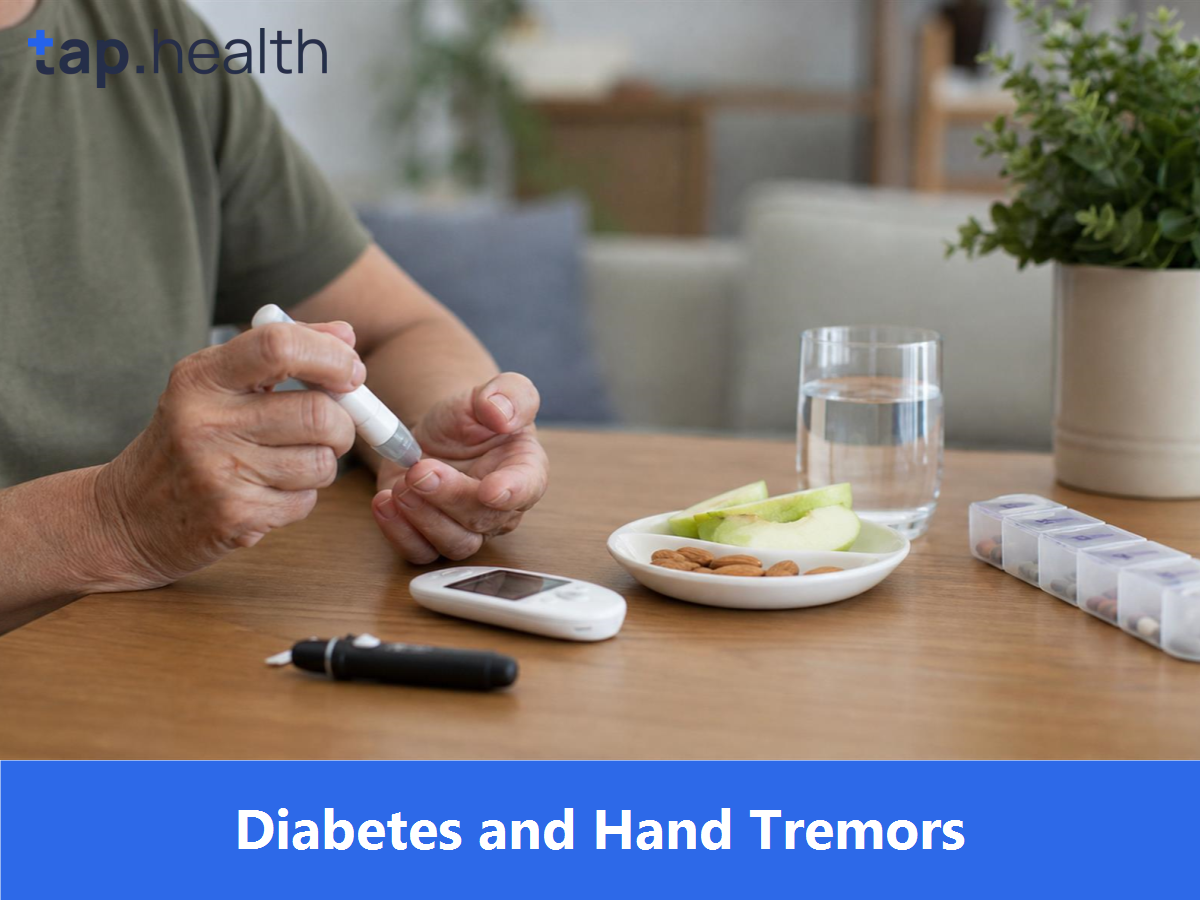
Living with diabetes can often feel like a full-time job. Between monitoring your blood sugar, watching every meal, and managing your daily medications, it is completely natural to feel exhausted.
If you are struggling with both obesity and type 2 diabetes, you have probably heard whispers about a surgical solution. You might have seen news headlines or had friends claim that a single operation made their diabetes “disappear.”
Naturally, this leads to a very important question: does bariatric surgery cure diabetes? Is it truly a magic bullet, or is it just another medical exaggeration?
When it comes to your health, you deserve the honest, unfiltered truth. In this comprehensive guide, we will break down exactly how weight loss surgery affects your blood sugar. We will explore the difference between a “cure” and “remission,” discuss which surgical procedures work best, and help you understand if this life-changing path is right for you.
Short Answer: Does Bariatric Surgery Cure Diabetes?
If you are looking for a simple yes or no answer, it is a bit nuanced. Medically speaking, doctors prefer the word “remission” over “cure.”
A true cure implies that a disease is gone forever and can never return. Bariatric surgery does not guarantee that diabetes will never come back. However, it does push type 2 diabetes into long-term remission for a vast majority of patients.
Remission means that your blood sugar levels return to a completely normal, healthy range without the need for any diabetes medications or insulin injections. For many patients, this remission lasts for years, or even decades, giving them a completely new lease on life. So, while it may not be a magical, irreversible “cure,” it is the closest and most effective medical treatment we currently have to reverse type 2 diabetes.
How Weight Loss Surgery Reverses Type 2 Diabetes
To understand how this works, we need to look at what happens inside your body after surgery. Most people assume that diabetes goes away simply because the patient loses weight.
While weight loss is a massive factor, it is only half of the story. Interestingly, many patients see their blood sugar normalise within mere days after the operation—long before they have actually lost any significant weight. How is this possible?
The answer lies in your gut hormones. Procedures that alter your digestive tract (like a gastric bypass) instantly change how your stomach and intestines communicate with your pancreas.
The surgery reduces the production of hunger hormones like ghrelin. More importantly, it massively boosts the production of incretin hormones, specifically GLP-1. This hormone signals your pancreas to produce more insulin and helps your body use that insulin much more effectively. This immediate hormonal shift is why bariatric surgery is now frequently referred to as “metabolic surgery.”
Which Bariatric Surgery is Best for Type 2 Diabetes?
Not all weight loss surgeries are created equal when it comes to treating diabetes. Depending on your medical history, your surgeon will recommend one of the following procedures.
Roux-en-Y Gastric Bypass (The Gold Standard)
The gastric bypass has long been considered the gold standard for treating type 2 diabetes. During this procedure, the surgeon creates a small pouch at the top of your stomach and attaches it directly to your small intestine, bypassing a large section of the digestive tract.
Because it reroutes the intestines, it triggers massive hormonal changes. Research shows that about 80% to 88% of patients achieve complete diabetes remission after a gastric bypass. It offers excellent long-term blood sugar control and substantial weight loss.
Biliopancreatic Diversion with Duodenal Switch (SADI-S)
This is a more complex surgery. It involves removing a large portion of the stomach (like a gastric sleeve) and bypassing an even larger portion of the intestines than the gastric bypass.
The Duodenal Switch or the SADI-S procedure offers the most powerful metabolic effect. It boasts the highest diabetes remission rates, often reaching up to 95%. However, because it heavily restricts how many nutrients your body can absorb, it carries a higher risk of vitamin deficiencies and requires strict, lifelong nutritional monitoring.
Sleeve Gastrectomy (Gastric Sleeve)
The gastric sleeve is currently the most popular bariatric procedure worldwide. The surgeon removes about 80% of the stomach, leaving a narrow, banana-shaped “sleeve.”
Unlike the bypass, the intestines are not rerouted. While it does not alter the gut anatomy as drastically, it still removes the part of the stomach that produces hunger hormones. The diabetes remission rate for the gastric sleeve is slightly lower, sitting between 50% and 60%, but it is still highly effective and comes with a lower risk of surgical complications.
Type 1 vs. Type 2 Diabetes: Which One Can Be Reversed?
It is crucial to clarify that bariatric surgery is a treatment specifically for type 2 diabetes. It does not cure type 1 diabetes.
Type 1 diabetes is an autoimmune disease. The body’s immune system mistakenly attacks and permanently destroys the beta cells in the pancreas that produce insulin. Because the pancreas simply cannot make insulin anymore, no amount of digestive rewiring or weight loss will reverse the condition.
Type 2 diabetes, on the other hand, is driven by insulin resistance. Your body still makes insulin, but excess fat and metabolic dysfunction prevent your cells from using it properly. Bariatric surgery eliminates this resistance. While patients with type 1 diabetes who suffer from obesity can still undergo weight loss surgery to improve their health and lower their daily insulin dosage, it will not put their diabetes into remission.
Who is a Good Candidate for Metabolic Surgery?
Weight loss surgery is a major medical decision. It is not an easy way out, nor is it suitable for everyone who wishes to lose a few kilos.
Generally, you may be considered a strong candidate for bariatric surgery if your Body Mass Index (BMI) is 35 or higher.
However, medical guidelines have recently changed. If you have uncontrolled type 2 diabetes despite taking multiple medications and making lifestyle changes, you may be eligible for surgery even if your BMI is as low as 30. Doctors now recognise that the metabolic benefits of the surgery can save your life, even if you are not considered severely obese.
Factors That Improve Your Chances of Diabetes Remission
Not every single patient who undergoes surgery will achieve full diabetes remission. Several individual factors influence your likelihood of success.
The duration of your diabetes plays the biggest role. The shorter the time you have had diabetes, the higher your chances of remission. Patients who have lived with the disease for less than five to eight years see the best results, as their pancreas has not yet suffered irreversible damage.
The severity of your condition also matters. If you are managing your diabetes with diet and oral tablets, you are more likely to achieve remission than someone who has been dependent on high-dose insulin injections for years. Finally, younger patients generally experience higher remission rates as their bodies heal and adapt more quickly.
Real-Life Scenario
Consider the story of Ramesh, a 48-year-old businessman from Delhi. Ramesh had been living with type 2 diabetes for six years. Despite taking three different oral medications, his HbA1c stubbornly hovered around 8.5%.
Ramesh also struggled with a BMI of 38. His weight made exercising painful, and his diabetes made him constantly fatigued. Frustrated and fearing long-term complications like kidney damage, Ramesh started researching online, constantly typing the query: does bariatric surgery cure diabetes?
After consulting with a bariatric surgeon, Ramesh decided to undergo a Roux-en-Y Gastric Bypass. The results were astounding. Just five days after his surgery, before he had even lost three kilos, his morning blood sugar dropped to normal levels. His endocrinologist safely stopped his diabetes medications. A year later, Ramesh had lost 35 kilograms, and his HbA1c was a perfectly healthy 5.4%. He had successfully achieved remission, proving that surgery offered him a powerful metabolic reset.
Expert Contribution
To provide clarity, we asked a leading bariatric and metabolic surgeon to explain why this procedure is so transformative for diabetic patients.
“For decades, we viewed type 2 diabetes as an incurable, progressive disease that would inevitably get worse,” the surgeon explains. “Bariatric surgery flipped that narrative entirely. We now call it ‘metabolic surgery’ because it fundamentally alters the hormonal environment of the gut.”
The surgeon continues: “When a patient asks me if the surgery will cure them, I tell them it offers the highest possibility of long-term remission available in modern medicine. However, I also remind them that surgery is a tool, not magic. If a patient returns to poor eating habits and gains the weight back five years later, the diabetes will return. The surgery gives you a clean slate; your lifestyle choices dictate how long you keep it.”
Recommendations Grounded in Proven Research and Facts
The medical community’s support for bariatric surgery as a diabetes treatment is backed by rigorous, long-term clinical data.
A landmark clinical trial known as the STAMPEDE (Surgical Treatment and Medications Potentially Eradicate Diabetes Efficiently) trial provided undeniable proof. It compared patients receiving intensive medical therapy (medications and diet) to those who underwent bariatric surgery.
The results showed that surgery was vastly superior. After five years, patients in the surgical group maintained significantly lower HbA1c levels, required far fewer cardiovascular medications, and had a much higher quality of life compared to the medication-only group.
Furthermore, guidelines from the American Society for Metabolic and Bariatric Surgery (ASMBS) and the International Diabetes Federation (IDF) now explicitly recommend metabolic surgery as a standard treatment option for adults with type 2 diabetes and a BMI over 35, highlighting its proven efficacy in preventing diabetes-related mortality.
Conclusion and Key Takeaways
Living with type 2 diabetes can be overwhelming, but modern medicine offers incredible hope. If you have been wondering, does bariatric surgery cure diabetes, you now have the facts.
- Remission, Not Cure: Surgery does not guarantee a permanent cure, but it offers a 60% to 90% chance of long-term remission, allowing you to live without diabetes medication.
- Rapid Results: Blood sugar levels often normalise within days after surgery due to powerful hormonal changes in the gut, long before major weight loss occurs.
- The Best Options: The Gastric Bypass and Duodenal Switch offer the highest rates of diabetes remission, though the Gastric Sleeve is also highly effective.
- Timing Matters: Surgery works best for those who have had type 2 diabetes for less than eight years and are not yet heavily dependent on insulin.
- Commitment is Required: Surgery provides a metabolic reset, but lifelong healthy eating and exercise are required to ensure the diabetes does not return.
If your diabetes is uncontrolled and your weight is affecting your quality of life, metabolic surgery could be the life-changing intervention you need. Speak to a qualified bariatric surgeon and an endocrinologist to explore if this path is right for you.
Frequently Asked Questions on Does Bariatric Surgery Cure Diabetes?
Does bariatric surgery cure diabetes permanently?
Medical professionals prefer the term “remission” over “cure.” While bariatric surgery can put type 2 diabetes into remission for many years—allowing you to stop taking medications—the disease can return if you regain significant weight or adopt unhealthy lifestyle habits later in life.
Which bariatric surgery is best for type 2 diabetes?
The Roux-en-Y Gastric Bypass is widely considered the gold standard for treating type 2 diabetes, offering an 80% to 88% remission rate. The Duodenal Switch (SADI-S) offers even higher remission rates but carries higher nutritional risks. The Gastric Sleeve is also effective but has slightly lower remission rates.
Can type 1 diabetes be cured by weight loss surgery?
No. Type 1 diabetes is an autoimmune condition where the pancreas produces zero insulin. Bariatric surgery cannot reverse this autoimmune destruction. While it can help obese patients with type 1 diabetes lose weight and lower their required insulin doses, it will not put the disease into remission.
How fast does blood sugar drop after bariatric surgery?
Many patients experience a dramatic drop in their blood sugar levels within just days or weeks after surgery. This happens rapidly due to immediate hormonal changes in the digestive tract (such as increased GLP-1 production), often occurring long before any significant weight loss is visible.
What are the risks of bariatric surgery for diabetes?
Like any major operation, bariatric surgery carries risks. These include surgical complications like infections, bleeding, or leaks. Long-term risks include vitamin and mineral deficiencies (requiring lifelong supplements), acid reflux, and a condition called “dumping syndrome,” where food moves too quickly through the gut, causing nausea and dizziness.
Can a diabetic patient do bariatric surgery safely?
Yes, absolutely. In fact, bariatric surgery is specifically recommended for obese patients with uncontrolled type 2 diabetes. However, because diabetes can affect your heart and kidney function, you will undergo rigorous pre-operative medical testing to ensure your body is strong enough to handle the anesthesia and the recovery process safely.
References
- American Society for Metabolic and Bariatric Surgery (ASMBS): ASMBS Position Statement on Metabolic Surgery. Available at: https://asmbs.org/
- Healthline: Which Bariatric Surgery Is Best for Type 2 Diabetes? Available at: https://www.healthline.com/health/which-bariatric-surgery-is-best-for-type-2-diabetes
- Mayo Clinic: Bariatric Surgery Overview and Risks. Available at: https://www.mayoclinic.org/tests-procedures/bariatric-surgery/about/pac-20394258
- The New England Journal of Medicine: Bariatric Surgery versus Intensive Medical Therapy for Diabetes (The STAMPEDE Trial). Available at: https://www.nejm.org/