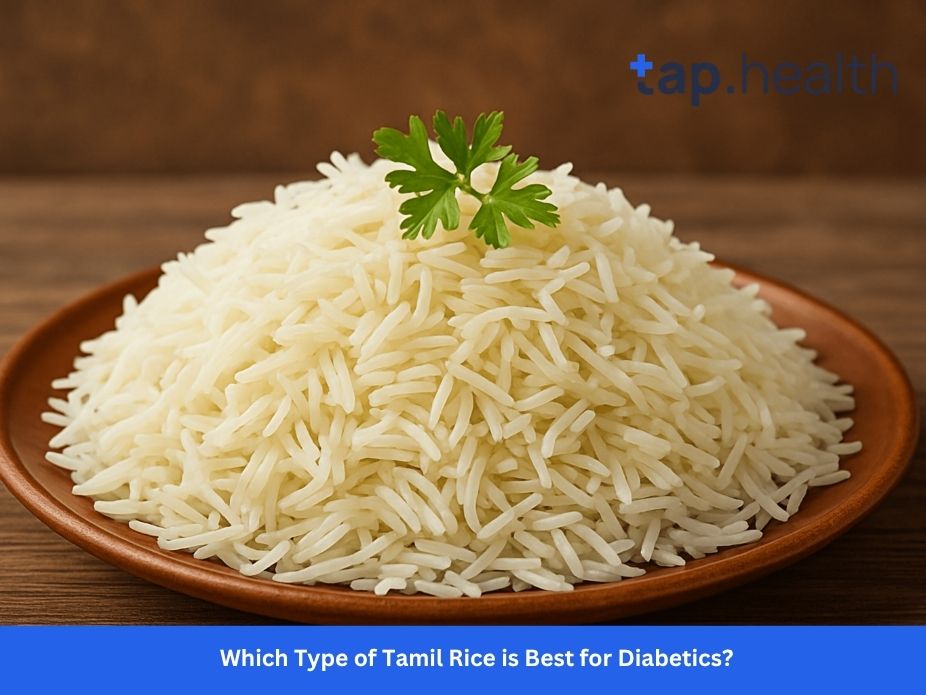
If you are living with diabetes and love your daily plate of rice, you have probably asked yourself this question many times: which type of Tamil rice is best for diabetics? It is a question that millions of people across Tamil Nadu and the world grapple with every single day. The good news is that you do not have to give up rice completely. The answer lies in choosing the right variety.
For generations, our ancestors relied on traditional rice varieties that were not only delicious but also packed with nutrients that helped maintain good health. These ancient grains are now making a comeback as modern science confirms what traditional wisdom always knew. Some Tamil rice varieties are significantly better for blood sugar control than the polished white rice most of us eat today.
In this comprehensive guide, we will explore the best Tamil rice varieties for diabetics, understand why they work, and learn how to incorporate them into your daily meals. Whether you have recently been diagnosed with diabetes or have been managing it for years, this article will give you practical, evidence-based information to make better food choices.
Understanding Glycemic Index: Why It Matters for Diabetics
Before we dive into specific rice varieties, let us understand a crucial concept that every diabetic should know about: the Glycemic Index, commonly called GI. Think of GI as a ranking system that tells you how quickly a food raises your blood sugar levels after you eat it.
Foods are scored on a scale of 0 to 100. Pure glucose has a GI of 100 and serves as the reference point. Foods with a GI of 55 or less are considered low GI. Those between 56 and 69 fall in the medium range. Anything above 70 is classified as high GI. For diabetics, low GI foods are the gold standard because they cause a slower, more gradual rise in blood sugar.
Here is why this matters. When you eat high GI foods like polished white rice, your blood sugar spikes rapidly. Your pancreas has to work overtime to produce insulin to bring those levels down. Over time, this constant strain can worsen insulin resistance and make diabetes harder to control. Low GI foods, on the other hand, release glucose slowly into your bloodstream, giving your body time to process it efficiently.
Research published in the National Library of Medicine confirms that resistant starch in rice can significantly lower postprandial glucose levels in type 2 diabetes patients. This is why choosing the right rice variety can make a genuine difference in your daily blood sugar management.
Why Traditional Tamil Rice Varieties Are Better for Diabetes
Traditional Tamil rice varieties have several advantages over modern polished white rice when it comes to diabetes management. Understanding these differences will help you appreciate why making the switch is worth the effort.
Minimal Processing Retains Nutrients
Traditional rice varieties undergo minimal processing. Unlike polished white rice, which loses its outer bran layer and germ during milling, traditional varieties retain these nutrient-rich parts. The bran layer contains fiber, B vitamins, minerals, and antioxidants that are essential for overall health and blood sugar control.
Higher Fiber Content
Fiber is a diabetic’s best friend. It slows down digestion and prevents rapid spikes in blood sugar. Traditional Tamil rice varieties contain significantly more fiber than polished white rice. This higher fiber content means the carbohydrates are absorbed more slowly, leading to better glycemic control.
Rich in Resistant Starch
Many traditional rice varieties contain resistant starch, a special type of carbohydrate that acts more like fiber. Resistant starch is not fully digested in the small intestine. Instead, it travels to the large intestine where it feeds beneficial gut bacteria and helps regulate blood sugar levels. Studies have shown that rice with higher resistant starch content produces significantly lower blood glucose responses.
Lower Glycemic Index
Most traditional Tamil rice varieties have a lower GI compared to polished white rice. While white rice typically has a GI between 70 and 90, many traditional varieties fall in the low to medium range of 40 to 55. This difference can have a significant impact on your post-meal blood sugar levels.
The Best Tamil Rice Varieties for Diabetics: A Detailed Comparison
Now let us explore the specific Tamil rice varieties that are most suitable for people with diabetes. Each variety has its unique properties, taste, and cooking characteristics.
1. Karuppu Kavuni (Black Rice) – The Superfood Choice
Karuppu Kavuni, also known as black rice, is often called a superfood for good reason. This striking jet-black grain gets its dramatic colour from anthocyanins, the same powerful antioxidants found in blueberries and blackberries. With a glycemic index of approximately 42, it is one of the best rice choices for diabetics.
The anthocyanins in Karuppu Kavuni do more than just give it colour. These compounds have been shown to reduce inflammation and improve insulin sensitivity. The high fiber content ensures slow glucose release, preventing those dreaded blood sugar spikes. Additionally, this variety is rich in iron, vitamin E, and other essential nutrients.
Cooking tip: Soak Karuppu Kavuni for 4 to 6 hours before cooking to reduce cooking time and improve digestibility. Use a water-to-rice ratio of 2.5 to 1 for best results.
2. Kuthiraivali (Barnyard Millet) – The Lowest GI Option
Although technically a millet rather than rice, Kuthiraivali is widely used as a rice substitute in Tamil cuisine and deserves a top spot on this list. With a glycemic index of just 41, it has the lowest GI among all the grains mentioned here. If blood sugar control is your primary concern, this is arguably your best option.
Kuthiraivali is incredibly high in fiber, containing about 10.1 grams per 100 grams. It is also low in calories and rich in iron, making it an excellent choice for weight management alongside diabetes control. Research from Dr Mohan’s Diabetes Specialities Centre confirms that barnyard millet releases carbohydrates slowly, preventing sudden blood sugar spikes.
This millet is light on the stomach and easy to digest. It is traditionally consumed during fasting periods in India because of its easy digestibility and nutritional density.
3. Mappillai Samba (Bridegroom’s Rice) – The Energy Booster
Mappillai Samba, which translates to bridegroom’s rice, was traditionally given to grooms before their wedding to boost strength and stamina. This reddish-brown rice has a medium GI of 50 to 54 and is packed with nutrients that support sustained energy without the blood sugar rollercoaster.
This variety is rich in iron and zinc, minerals that play crucial roles in metabolism and immune function. Its high fiber content keeps you feeling full longer, reducing the temptation to snack between meals. Research from Tamil Nadu Agricultural University suggests that traditional red rice varieties like Mappillai Samba contain phenolic compounds with antioxidant and anti-diabetic properties.
The rice has a mildly earthy and nutty flavour that works beautifully in traditional South Indian dishes. It expands quite a bit when cooked, so use a 1 to 2.5 ratio of rice to water.
4. Kaikuthal Arisi (Hand-Pounded Rice) – The Traditional Favorite
Kaikuthal Arisi, or hand-pounded rice, is a semi-polished rice that retains part of its bran layer. Unlike fully polished white rice, this traditional variety preserves essential nutrients, fiber, and vitamins. It is widely consumed in Tamil Nadu as a healthy alternative to white rice.
Because it is less processed, Kaikuthal Arisi digests slowly and releases glucose gradually, helping prevent sudden sugar spikes. It has a low to medium glycemic index and is rich in magnesium, iron, and B-complex vitamins. The fiber content helps improve digestion and prevents insulin resistance.
According to research published in WebMD, brown rice and minimally processed rice varieties can help people with diabetes control their blood sugar better than white rice. Hand-pounded rice falls into this beneficial category.
5. Kattuyanam (Wild Rice Variety) – The Fiber Champion
Kattuyanam is a traditional variety that has been treasured in Tamil Nadu for its medicinal properties. Sometimes called the king of rices, it boasts one of the highest fiber contents among all rice varieties. This makes it exceptionally good for slowing down carbohydrate absorption.
With a glycemic index between 48 and 52, Kattuyanam falls in the low GI category. It also contains resistant starch, which acts more like fiber than a carbohydrate in your body. This variety is rich in selenium and magnesium, minerals that play important roles in insulin function.
The rice has a slightly chewy texture and takes longer to cook than regular rice. It is excellent for making rice salads, upma, or as a base for vegetable-heavy meals.
6. Poongar Rice (Women’s Rice) – The Hormone Balancer
Poongar rice is often called women’s rice because of its traditional use for hormonal balance and reproductive health. However, it is excellent for managing diabetes too. This golden-coloured rice has a low glycemic index of 41 to 46 and contains compounds that may help regulate insulin function.
It is rich in dietary fiber and resistant starch, making it a smart choice for blood sugar control. The slightly sweet taste makes it perfect for both savoury and sweet dishes. Beyond blood sugar management, Poongar is known to help with digestive issues and is considered easier on the stomach than regular rice.
7. Seeraga Samba – The Biryani Rice with Benefits
Seeraga Samba is famous for making the perfect biryani, but it is also a better choice for diabetics compared to basmati or regular white rice. With a glycemic index between 54 and 58, it falls in the medium GI category, which is still better than white rice’s high GI.
This aromatic rice is rich in selenium, a mineral that has been shown to help regulate blood sugar levels. If you cannot imagine life without biryani, this is your go-to option. Just watch your portion sizes and load up on vegetables and protein.
Glycemic Index Comparison: Tamil Rice Varieties at a Glance
To help you make an informed choice, here is a comparison of the glycemic index values for different Tamil rice varieties:
| Rice Variety | Glycemic Index | GI Category | Fiber Content |
| White Rice (Polished) | 70-90 | High | Very Low |
| Karuppu Kavuni (Black Rice) | 42-45 | Low | High |
| Kuthiraivali (Barnyard Millet) | ~41 | Low | Very High |
| Mappillai Samba | 50-54 | Low | High |
| Kaikuthal Arisi | 50-55 | Low-Medium | High |
| Kattuyanam | 48-52 | Low | Very High |
| Poongar Rice | 41-46 | Low | High |
| Seeraga Samba | 54-58 | Medium | Medium |
Remember that GI values can vary slightly based on cooking method, cooling, and reheating. The values above are approximate ranges based on available research and traditional knowledge.
How to Cook Tamil Rice Varieties for Maximum Diabetes Benefits
Cooking method can significantly affect the glycemic index of rice. Here are some tips to ensure you get the maximum diabetes-fighting benefits from your rice:
Soak Before Cooking
Always soak traditional rice varieties for at least 4 to 8 hours before cooking. This reduces cooking time, improves digestibility, and can help lower the glycemic response.
Cook, Cool, and Reheat
Here is a powerful trick that research supports. Cook your rice, cool it in the refrigerator for several hours, and then reheat it before eating. This process increases the resistant starch content significantly, which lowers the glycemic index and improves blood sugar response.
Add Healthy Fats
Adding a teaspoon of ghee or cold-pressed sesame oil to your rice can slow down digestion and reduce the glycemic impact. Healthy fats help slow the absorption of carbohydrates into your bloodstream.
Pair with Protein and Fiber
Always eat rice with plenty of vegetables, dal, or other protein sources. The additional fiber and protein will further slow down digestion and help stabilise blood sugar levels.
Watch Your Portions
Even the healthiest rice can spike blood sugar if you eat too much. Stick to half to three-quarters of a cup of cooked rice per meal. Fill the rest of your plate with vegetables and protein.
Real-Life Scenario: How Ramesh Transformed His Diabetes Management
Ramesh, a 52-year-old accountant from Coimbatore, was diagnosed with type 2 diabetes five years ago. Like many South Indians, rice was a non-negotiable part of his daily meals. When his doctor advised him to cut down on rice, he felt overwhelmed and unsure how he would manage.
After doing some research, Ramesh decided to switch from polished white rice to traditional varieties. He started with Karuppu Kavuni for dinner and Mappillai Samba for lunch. He also adopted the cook-cool-reheat method for his rice.
Within three months, Ramesh noticed significant changes. His post-meal blood sugar spikes reduced by nearly 40 points. His HbA1c dropped from 8.2 to 6.9. He felt more energetic throughout the day and no longer experienced the afternoon energy crashes that used to plague him.
What worked for Ramesh was not just switching rice varieties but also paying attention to portions and pairing his rice with plenty of vegetables and protein. Today, he enjoys his rice guilt-free while maintaining excellent blood sugar control.
Expert Contribution: What Nutritionists and Doctors Say
We spoke to several nutritionists and doctors who specialise in diabetes management to get their expert opinions on traditional Tamil rice varieties.
Dr Priya Venkatesh, a nutritionist based in Chennai, says, Traditional rice varieties are making a comeback for good reason. The fiber content, resistant starch, and lower glycemic index of these grains make them far superior to polished white rice for diabetics. I regularly recommend Karuppu Kavuni and Kuthiraivali to my diabetic patients.
Dr Mohan’s Diabetes Specialities Centre, one of India’s leading diabetes care institutions, has published research highlighting the benefits of barnyard millet for diabetics. Their findings confirm that Kuthiraivali releases carbohydrates slowly, preventing sudden spikes in blood sugar.
Research from Tamil Nadu Agricultural University supports these clinical observations. Studies have found that traditional red rice varieties contain phenolic compounds that exhibit antioxidant and anti-diabetic activity. These compounds may help improve insulin sensitivity and reduce inflammation.
The consensus among experts is clear. Traditional Tamil rice varieties can be part of a healthy diabetic diet when consumed in moderation and prepared correctly.
Recommendations Grounded in Proven Research and Facts
Based on the available scientific evidence and expert opinions, here are our recommendations for choosing the best Tamil rice for diabetes management:
For Best Blood Sugar Control
Choose Kuthiraivali (barnyard millet) or Karuppu Kavuni (black rice). Both have the lowest glycemic index values and the highest fiber content. These should be your go-to options for daily consumption.
For Balanced Nutrition
Mappillai Samba and Kaikuthal Arisi offer an excellent balance of taste, nutrition, and blood sugar control. They are versatile enough for daily use and provide good amounts of iron, magnesium, and fiber.
For Special Occasions
Seeraga Samba is your best bet when you want to enjoy biryani or special rice dishes. While it has a slightly higher GI than other options on this list, it is still significantly better than basmati or white rice.
General Guidelines
Always practice portion control. Even low GI rice can raise blood sugar if consumed in large quantities. Use the cook-cool-reheat method to increase resistant starch content. Pair rice with plenty of vegetables, dal, and protein. Monitor your blood sugar levels to understand how different varieties affect you personally.
Key Takeaways: Your Action Plan for Better Blood Sugar Control
Let us summarise the most important points from this guide:
Traditional Tamil rice varieties are significantly better for diabetics than polished white rice due to their lower glycemic index, higher fiber content, and richer nutrient profile.
Karuppu Kavuni (black rice) with a GI of 42 and Kuthiraivali (barnyard millet) with a GI of 41 are the top choices for blood sugar control.
Mappillai Samba, Kaikuthal Arisi, Kattuyanam, and Poongar rice are all excellent alternatives that offer good nutrition and moderate to low glycemic impact.
How you cook your rice matters. Soaking, cooling, and reheating can significantly lower the glycemic index by increasing resistant starch content.
Portion control is essential. Stick to half to three-quarters of a cup of cooked rice per meal and fill the rest of your plate with vegetables and protein.
Always monitor your blood sugar response to different rice varieties, as individual responses can vary.
Frequently Asked Questions About Tamil Rice and Diabetes
Which rice is most diabetic friendly?
Kuthiraivali (barnyard millet) and Karuppu Kavuni (black rice) are the most diabetic-friendly options among Tamil grains. Both have glycemic index values below 45, which means they cause minimal blood sugar spikes. They are also rich in fiber and nutrients that support overall health.
Which rice is low in GI in Tamil Nadu?
Several Tamil rice varieties are low in GI. Kuthiraivali has a GI of approximately 41, Karuppu Kavuni around 42, Poongar rice between 41 and 46, and Kattuyanam between 48 and 52. All of these are considered low GI foods and are suitable for diabetics when consumed in moderation.
Is Kuthiraivali good for diabetics?
Yes, Kuthiraivali is excellent for diabetics. It has the lowest glycemic index among all millets at approximately 41. It is also the highest in fiber content with about 10.1 grams per 100 grams. Research confirms that it releases carbohydrates slowly, preventing sudden blood sugar spikes.
Is Kaikuthal arisi good for diabetics?
Yes, Kaikuthal arisi (hand-pounded rice) is a good choice for diabetics. It is semi-polished and retains the nutritious bran layer, giving it a lower glycemic index than white rice. It is rich in fiber, magnesium, iron, and B vitamins, all of which support better blood sugar control.
Can I eat rice every day if I have diabetes?
Yes, you can eat rice daily if you have diabetes, provided you choose the right variety and watch your portions. Stick to low GI options like Karuppu Kavuni or Kuthiraivali, limit yourself to half a cup of cooked rice per meal, and always pair it with vegetables and protein.
Does cooking method affect the glycemic index of rice?
Absolutely. Cooking rice and then cooling it before reheating increases its resistant starch content, which lowers the glycemic index. Adding healthy fats like ghee or sesame oil can also slow digestion and reduce blood sugar spikes. Soaking rice before cooking improves digestibility and can help lower GI.
How much rice can a diabetic eat per meal?
A safe portion for most diabetics is half to three-quarters of a cup of cooked rice per meal. This should be balanced with plenty of non-starchy vegetables and a good source of protein like dal, paneer, or lean meat. Individual tolerance varies, so monitor your blood sugar to find your personal limit.
Where can I buy traditional Tamil rice varieties?
Traditional Tamil rice varieties are increasingly available at organic stores, specialty grocery shops, and online retailers across India. Look for certified organic sources to ensure you are getting authentic, chemical-free grains. Many farmers’ markets in Tamil Nadu also sell these traditional varieties directly.
Conclusion: Embracing Traditional Wisdom for Better Health
The question of which type of Tamil rice is best for diabetics has a clear answer. Traditional varieties like Karuppu Kavuni, Kuthiraivali, Mappillai Samba, and Kaikuthal Arisi offer significant advantages over polished white rice for blood sugar management.
These ancient grains, which sustained our ancestors for generations, are now being validated by modern science as smart choices for diabetes management. Their lower glycemic index, higher fiber content, and rich nutrient profiles make them valuable additions to a diabetic-friendly diet.
Remember that managing diabetes is not about eliminating the foods you love but about making smarter choices. By switching to traditional Tamil rice varieties and following the cooking and portion guidelines outlined in this article, you can continue to enjoy rice while keeping your blood sugar under control.
As always, consult with your healthcare provider or a registered dietitian before making significant changes to your diet. They can help you create a personalised meal plan that incorporates these healthy rice varieties while meeting your individual nutritional needs.
Here is to your health and to keeping the tradition of wholesome eating alive.
References: Authoritative Sources and Research
The information in this article is based on research and data from the following authoritative sources:
1. WebMD – Health Benefits of Rice
2. National Library of Medicine – Resistant Starch Rice and Diabetes Study