If you have been reading up on diabetes, you have probably come across the word “ketones.” You might have read terrifying stories about a condition called Diabetic Ketoacidosis (DKA), a serious medical emergency where the blood turns dangerously acidic.
But as you dig deeper, you might notice a confusing pattern. DKA is almost always associated with type 1 diabetes. When it comes to type 2 diabetes, doctors rarely seem to worry about it. This leads many patients to ask a very specific and important question: why no ketosis in type 2 diabetes?
Adding to the confusion is the modern diet industry. Many people want to try the “keto diet” to lose weight, but they wonder if it is safe or even possible to achieve a state of fat-burning ketosis when they have type 2 diabetes.
In this comprehensive guide, we will break down the science of how your body uses sugar and fat. We will explain exactly why people with type 2 diabetes usually do not develop dangerous levels of ketones, when exceptions to this rule occur, and how to safely manage your diet and blood sugar.
Let us dive into the fascinating mechanics of your metabolism, keeping things simple, clear, and easy to understand.
Short Answer: Why Does Type 2 Diabetes Usually Prevent Ketosis?
To put it simply, people with type 2 diabetes still produce their own insulin. Even if your body is resistant to it, or you don’t produce enough for perfect blood sugar control, your pancreas is still releasing some insulin into your bloodstream.
This small amount of insulin acts as a powerful “brake.” It sends a strict signal to your liver to stop breaking down massive amounts of fat. Because massive fat breakdown is what creates ketones, the presence of even a tiny bit of insulin prevents your body from producing dangerous levels of ketones.
In contrast, people with type 1 diabetes produce zero insulin. Without that brake, their bodies break down fat uncontrollably, leading to an emergency flood of ketones.
The Role of Insulin: The Master Switch for Ketosis
To truly understand why no ketosis in type 2 diabetes happens, we need to look at what insulin actually does in your body.
Most people know that insulin acts like a key. It unlocks your cells so that glucose (sugar) from your food can enter and be used for energy. But insulin has a second, equally important job. It is the master regulator of fat storage.
When insulin is present in your blood, it tells your fat cells to hold onto their stored fat. It explicitly blocks a process called lipolysis, which is the medical term for fat breakdown.
Absolute vs. Relative Insulin Deficiency
Here is where the two types of diabetes differ completely.
Type 1 diabetes involves an absolute insulin deficiency. The immune system has destroyed the insulin-producing beta cells in the pancreas. Without insulin, the body thinks it is starving, even if there is plenty of sugar in the blood. In a panic, it rapidly burns fat for survival energy, creating highly acidic byproducts called ketones.
Type 2 diabetes involves a relative insulin deficiency. Your body produces insulin, but your cells are stubborn and ignore it (insulin resistance). Your pancreas works overtime, pumping out extra insulin to force the sugar into the cells. Because your blood is full of this circulating insulin, the fat cells get a loud and clear message: “Do not break down fat.” Therefore, ketone production remains firmly switched off.
Diabetic Ketoacidosis (DKA): Type 1 vs. Type 2
When discussing ketones, we must distinguish between normal fat burning and a medical crisis.
What is DKA?
Diabetic Ketoacidosis (DKA) happens when ketones build up so quickly that your blood literally becomes acidic. This is a life-threatening emergency. It causes severe dehydration, vomiting, confusion, and can lead to a diabetic coma.
Why DKA is Rare in Type 2 Diabetes
When we look at diabetic ketoacidosis type 1 or 2, the statistics heavily skew toward type 1. Because people with type 2 diabetes have that “insulin brake” actively working in their system, their ketone levels rarely reach the toxic threshold required to trigger DKA.
However, “rare” does not mean “impossible.” While a typical type 2 diabetic won’t spontaneously develop DKA from missing a meal, extreme physical stress can sometimes override the insulin brake.
Can Type 2 Diabetics Get Ketosis at All?
Yes, they can. But we need to separate dangerous ketosis (DKA) from nutritional ketosis.
Nutritional Ketosis vs. Diabetic Ketoacidosis
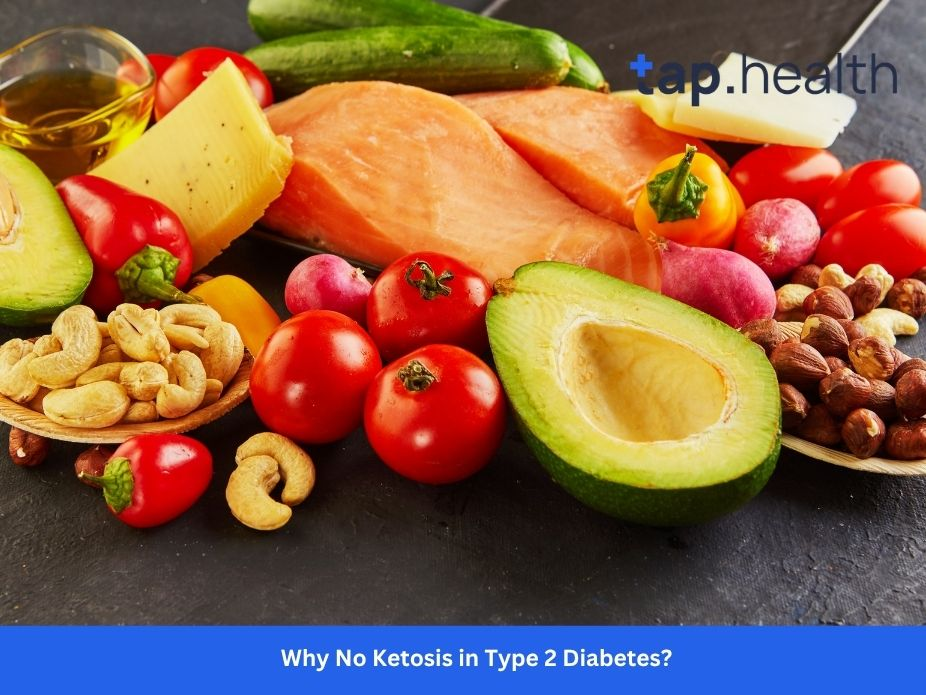
Nutritional ketosis is a mild, safe state of fat-burning. It happens when you intentionally restrict carbohydrates (like on the Keto diet). Your body produces a small, manageable amount of ketones for energy. Your blood pH remains perfectly normal.
DKA is uncontrolled, massive ketone production due to zero insulin.
A person with type 2 diabetes can absolutely achieve nutritional ketosis by changing their diet. In fact, many people use low-carb diets to successfully manage their blood sugar and lose weight.
How Long Does It Take a Type 2 Diabetic to Get Into Ketosis?
If you are starting a low-carb or keto diet, you might wonder about the timeline. How long does it take a type 2 diabetic to get into ketosis? For a person without diabetes, cutting carbs usually leads to nutritional ketosis within 2 to 4 days. For someone with type 2 diabetes, it can take a bit longer—often 4 to 7 days, or sometimes up to two weeks.
This delay happens because people with type 2 diabetes often have high levels of circulating insulin due to insulin resistance. Because high insulin blocks fat burning, it takes a few days of strict low-carb eating for insulin levels to drop low enough to allow the liver to start making ketones.
Is Ketosis Safe for Type 2 Diabetes?
The question of whether is ketosis safe for type 2 diabetes is highly debated, but generally, the answer is yes—with medical supervision.
Nutritional ketosis can be highly beneficial. When you eat very few carbohydrates, your blood sugar levels naturally drop. This reduces your need for insulin and can help reverse insulin resistance. Many type 2 diabetics have successfully put their condition into remission using ketogenic diets.
However, safety depends heavily on your medications. If you take insulin injections or medications that force your pancreas to release more insulin (like sulfonylureas), going into ketosis can cause your blood sugar to drop dangerously low (hypoglycaemia). You must consult your doctor to adjust your medications before attempting a keto diet.
Ketosis-Prone Type 2 Diabetes (Flatbush Diabetes)
In medicine, there are always exceptions to the rule. While type 2 diabetes usually protects against DKA, there is a specific sub-type of the disease that behaves differently.
It is called ketosis-prone type 2 diabetes, sometimes referred to as Flatbush diabetes.
This condition is most commonly seen in overweight individuals of African, Hispanic, or South Asian descent. Patients with this variant often present at the hospital with classic DKA, looking exactly like a type 1 diabetic in crisis.
However, after they are treated with insulin and their blood sugar stabilises, their pancreas suddenly “wakes up” and starts producing insulin again. They can often stop taking insulin injections and manage their diabetes with standard type 2 medications and diet. The exact reason why their insulin production temporarily shuts off and causes DKA is still being researched by scientists.
When Does DKA Happen in Type 2 Diabetes? (Exceptions to the Rule)
If you have standard type 2 diabetes, you might wonder if you are entirely safe from DKA. While DKA in type 2 diabetes is uncommon, certain severe triggers can cause it.
Severe Infections and Stress
When you get a severe illness—like pneumonia, a severe urinary tract infection, or a heart attack—your body releases massive amounts of stress hormones like adrenaline and cortisol.
These stress hormones actively fight against insulin. If the stress is severe enough, these hormones completely overwhelm the small amount of insulin your type 2 body is producing. The “insulin brake” snaps, and your body begins producing dangerous ketones, leading to DKA.
SGLT2 Inhibitors (Euglycemic DKA)
This is a very important, modern cause of DKA in type 2 patients. SGLT2 inhibitors (medicines ending in “-flozin,” like Dapagliflozin or Empagliflozin) are highly popular diabetes drugs. They work by forcing your kidneys to flush excess sugar out through your urine.
While excellent for your heart and blood sugar, these drugs can sometimes trigger a rare condition called “Euglycemic DKA.” This means you go into diabetic ketoacidosis even though your blood sugar levels look perfectly normal. If you take these medications and feel nauseous, extremely thirsty, or confused, you must seek medical help immediately, even if your glucometer shows a normal reading.
DKA in Type 2 Diabetes: Symptoms, Treatment, and Recovery
If the rare event of DKA occurs, knowing the signs can save your life.
DKA Symptoms Type 2
The symptoms of DKA are similar regardless of the type of diabetes you have. They include:
- Extreme, unquenchable thirst
- Frequent urination
- Nausea and severe vomiting
- Abdominal pain
- Deep, rapid breathing
- Breath that smells fruity or like nail polish remover
- Confusion or extreme fatigue
Can You Die From Diabetic Ketoacidosis?
Yes, you can. Can you die from diabetic ketoacidosis? If left untreated, the high acidity in the blood causes the organs to shut down, leading to a coma and eventually death. It is a critical medical emergency that requires immediate hospitalisation.
DKA in Type 2 Diabetes Treatment
Treatment for DKA always happens in a hospital, usually in an intensive care unit (ICU). The treatment involves three main steps:
- Fluid Replacement: Intravenous (IV) fluids are given to reverse severe dehydration and dilute the excess sugar in the blood.
- Electrolyte Replacement: DKA severely depletes potassium and other vital minerals, which must be carefully replaced through an IV to keep the heart beating normally.
- Insulin Therapy: Continuous IV insulin is administered to finally stop the fat breakdown and halt ketone production.
How Long Does It Take to Recover From Diabetic Ketoacidosis?
Patients and families often ask, how long does it take to recover from diabetic ketoacidosis? The acute crisis is usually resolved within 24 to 48 hours in the hospital, provided treatment is given promptly. However, feeling completely “back to normal” can take several weeks. Your body has endured a massive metabolic trauma. You will likely feel exhausted and weak as your cells replenish their energy stores and your electrolytes fully balance out.
The 3-Hour Rule in Diabetes: Managing Blood Sugar Effectively
To prevent metabolic crises and keep your blood sugar stable, many dietitians recommend structured eating habits. One popular method is the 3-hour rule in diabetes.
What exactly is it? The 3-hour rule suggests that you should eat a small, balanced meal or healthy snack every three to four hours during the day.
For people with type 2 diabetes, waiting too long between meals can cause blood sugar to drop. This often leads to extreme hunger, causing you to overeat at your next meal and creating a massive blood sugar spike. By eating smaller amounts every three hours, you provide a slow, steady stream of energy. This prevents sudden insulin spikes, keeps your metabolism active, and helps manage your weight effectively.
Real-Life Scenario
Let us look at the story of Ravi, a 52-year-old bank manager from Chennai. Ravi had been managing his type 2 diabetes for eight years using Metformin and a moderate diet.
Recently, Ravi decided he wanted to lose his belly fat. He read about the keto diet online and decided to cut out all rice, rotis, and fruits overnight. After four days, he used a urine ketone strip and panicked when it turned light pink, indicating trace ketones. He immediately called his doctor, terrified he was going into DKA.
His doctor calmed him down and explained the principle of why no ketosis in type 2 diabetes typically turns into an emergency. The doctor clarified that Ravi was in mild, nutritional ketosis, which is safe and expected on a low-carb diet. Because Ravi was not on insulin or SGLT2 inhibitors, his body’s natural insulin was acting as a safety brake, preventing the ketones from reaching dangerous DKA levels. With his doctor’s blessing, Ravi continued his diet safely, eventually losing 8 kilograms and lowering his HbA1c significantly.
Expert Contribution
To provide deeper clinical insight, we spoke with Dr. Anjali Menon, a leading endocrinologist specialising in metabolic disorders.
“The confusion surrounding ketones is one of the most common issues I see in my clinic,” says Dr. Menon. “Patients read frightening articles about ketoacidosis and assume any fat-burning is dangerous. I have to explain the concept of the ‘insulin brake.’ As long as your pancreas works even a little bit, you have a built-in safety mechanism.”
She adds a vital warning: “However, the landscape is changing. With the rise of SGLT2 inhibitors—which are fantastic drugs for heart and kidney protection—we are seeing more cases of euglycemic DKA in type 2 patients. I explicitly warn my patients on these medications: if you get a severe stomach bug, stop the medication temporarily and drink plenty of fluids. Never assume you are immune to DKA just because you have type 2 diabetes.”
Recommendations Grounded in Proven Research and Facts
Managing type 2 diabetes safely requires an evidence-based approach. Based on guidelines from the World Health Organization (WHO) and the American Diabetes Association (ADA), here are the best practices:
- Understand Your Meds: Know exactly what your diabetes medications do. If you are on an SGLT2 inhibitor, educate yourself on the symptoms of euglycemic DKA.
- Consult Before Dieting: Never start a strict ketogenic or very low-carbohydrate diet without consulting your healthcare provider, especially if you take medications that lower blood sugar.
- Stay Hydrated: Dehydration is a massive trigger for metabolic stress. Drink plenty of water throughout the day, particularly during hot Indian summers.
- Follow Sick-Day Rules: If you get a fever, infection, or vomiting bug, monitor your blood sugar frequently. Contact your doctor immediately if you cannot keep fluids down.
- Embrace Routine: Practices like the 3-hour rule can help stabilise your daily blood sugar, preventing the extreme highs and lows that exhaust your pancreas.
Conclusion and Key Takeaways
The human body is a highly intelligent, complex machine. When asking why no ketosis in type 2 diabetes, the answer lies in the persistent presence of insulin, which acts as a protective barrier against massive fat breakdown.
Here are the key takeaways to remember:
- Type 2 diabetics still produce some insulin, which usually prevents the massive ketone production seen in Diabetic Ketoacidosis (DKA).
- Nutritional ketosis (from a low-carb diet) is entirely different from DKA and can be safe and beneficial for type 2 diabetics under medical supervision.
- DKA in type 2 diabetes is rare but can happen during severe illness, massive physical stress, or as a side effect of certain medications like SGLT2 inhibitors.
- Ketosis-prone type 2 diabetes is a unique variant where patients present with DKA but can later manage the disease without insulin.
- Knowing the symptoms of DKA—like fruity breath, extreme thirst, and vomiting—is crucial, even if you have type 2 diabetes.
Understanding your metabolism empowers you to make smarter, safer choices for your health. Always work closely with your medical team before making drastic changes to your diet or medication routine.
Frequently Asked Questions on Why No Ketosis in Type 2 Diabetes?
Why do type 2 diabetics rarely develop ketoacidosis?
Type 2 diabetics still produce their own insulin. Even though their bodies are resistant to it, the presence of this insulin in the bloodstream acts as a strong signal to the fat cells, stopping them from breaking down fat uncontrollably. This “insulin brake” prevents the massive buildup of acidic ketones that causes ketoacidosis.
Can type 2 diabetics get ketosis?
Yes, they can achieve nutritional ketosis by following a strict low-carbohydrate or keto diet. This is a safe, mild state of fat-burning. However, because of insulin resistance, it may take a type 2 diabetic a few days longer to enter nutritional ketosis compared to someone without diabetes.
What is the 3-hour rule in diabetes?
The 3-hour rule is a dietary guideline suggesting you eat a small, balanced meal or snack every three to four hours. This practice helps prevent extreme blood sugar spikes and crashes, keeps hunger at bay, and provides a steady stream of energy throughout the day.
Is ketosis safe for type 2 diabetes?
Nutritional ketosis is generally safe and can be highly beneficial for weight loss and blood sugar control in type 2 diabetes. However, it is only safe if done under medical supervision, as diabetes medications (like insulin or sulfonylureas) must be adjusted to prevent dangerously low blood sugar (hypoglycaemia).
How long does it take a type 2 diabetic to get into ketosis?
While a person without diabetes might enter ketosis in 2 to 4 days on a strict low-carb diet, it often takes a type 2 diabetic 4 to 7 days, or sometimes up to two weeks. High levels of circulating insulin in type 2 patients delay the liver’s ability to switch over to fat-burning mode.
References
- American Diabetes Association (ADA): Diabetic Ketoacidosis (DKA). Available at: https://diabetes.org/
- Mayo Clinic: Diabetic ketoacidosis – Symptoms and causes. Available at: https://www.mayoclinic.org/diseases-conditions/diabetic-ketoacidosis/symptoms-causes/syc-20371551
- National Health Service (NHS): Diabetic ketoacidosis. Available at: https://www.nhs.uk/conditions/diabetic-ketoacidosis/
- Harvard Health Publishing: The truth about the keto diet. Available at: https://www.health.harvard.edu/
- World Health Organization (WHO): Diabetes fact sheet. Available at: https://www.who.int/news-room/fact-sheets/detail/diabetes