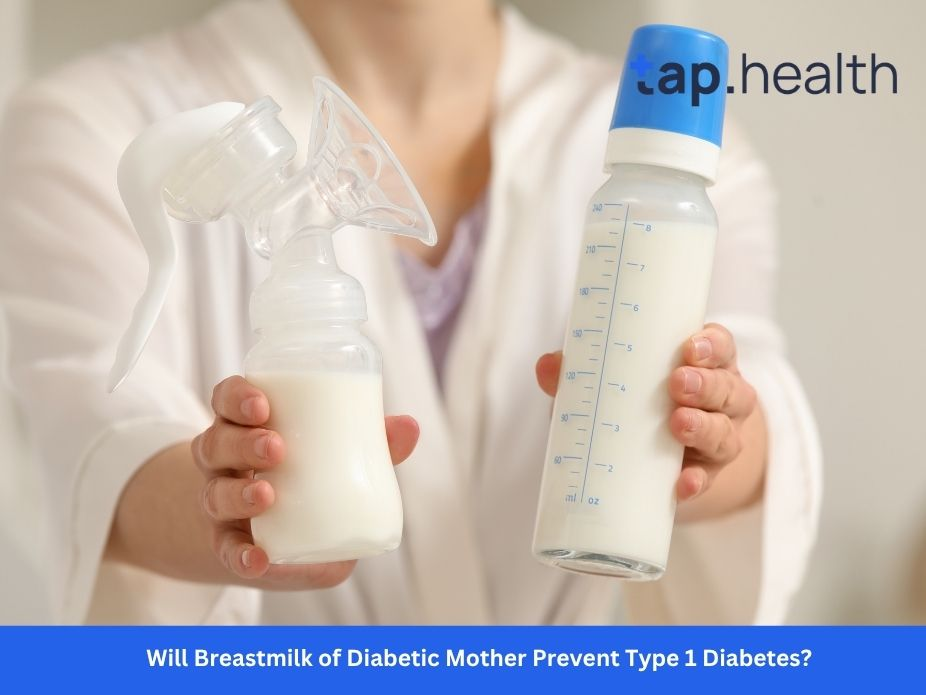
If you’re a mother with diabetes—whether type 1, type 2, or gestational—you’ve likely wondered whether your breastmilk offers your baby protection against developing type 1 diabetes themselves. Perhaps you’ve heard that breastfeeding reduces diabetes risk, or you’re concerned that your own metabolic condition might somehow compromise your milk’s protective qualities. These questions weigh heavily on parents navigating the complex intersection of infant nutrition and autoimmune disease prevention.
The relationship between breastfeeding and type 1 diabetes prevention has intrigued researchers for decades. Type 1 diabetes represents one of the most common chronic childhood diseases, and its incidence has been rising globally, particularly in children under five years of age
. This increase, combined with the knowledge that genetic factors account for only about 50% of diabetes risk, has fuelled intense interest in environmental influences—especially early infant nutrition
This comprehensive guide examines whether breastmilk from diabetic mothers specifically prevents type 1 diabetes in their children. We’ll explore the bioactive components in breastmilk that might offer protection, how maternal diabetes affects milk composition, what large-scale studies reveal about breastfeeding and diabetes risk, and whether diabetic mothers’ milk provides the same protective benefits as milk from non-diabetic mothers. By understanding the current evidence, you can make informed feeding decisions while recognising the limits of what breastfeeding can—and cannot—accomplish in diabetes prevention.
Understanding Type 1 Diabetes and Why Prevention Matters
To appreciate the potential role of breastmilk in prevention, you must first understand what type 1 diabetes is and why it develops. Type 1 diabetes is an autoimmune condition where your immune system mistakenly attacks and destroys the insulin-producing beta cells in your pancreas
. Without insulin, your body cannot regulate blood sugar, leading to the lifelong requirement for exogenous insulin therapy.
The Autoimmune Process
The development of type 1 diabetes follows a characteristic pattern. First, genetic predisposition creates susceptibility—certain HLA gene variants increase risk substantially
. Then, environmental triggers initiate an autoimmune response. Your immune system produces antibodies against pancreatic beta cells, including insulin autoantibodies (IAA), glutamic acid decarboxylase antibodies (GAD), and others
This autoimmune attack progresses silently, often for months or years, before symptoms appear. By the time clinical diabetes manifests—typically with excessive thirst, frequent urination, weight loss, and fatigue—significant beta-cell destruction has already occurred
. The irreversible nature of this destruction makes prevention during the pre-clinical phase particularly appealing.
The Incidence Crisis
Type 1 diabetes incidence has increased dramatically over recent decades, especially in very young children. In 2021 alone, more than 108,300 children and adolescents under 15 received new diagnoses worldwide
. This rising incidence, occurring too quickly to reflect genetic changes alone, points strongly toward environmental factors—including early-life nutrition—as potential intervention targets
.
Currently, no known strategy can definitively prevent type 1 diabetes
. However, research into protective factors—including components of breastmilk—continues actively, offering hope that we may eventually identify effective primary prevention approaches.
The Protective Components of Breastmilk: Nature’s Complex Formula
Breastmilk represents far more than simple nutrition. It contains hundreds of bioactive molecules that influence infant immune development, gut microbiome establishment, and metabolic programming. Understanding these components helps explain why breastfeeding might protect against type 1 diabetes—and whether diabetic mothers’ milk retains these protective qualities.
Human Milk Oligosaccharides (HMOs): The Prebiotic Powerhouses
Human milk oligosaccharides are complex sugars that constitute the third most abundant solid component in breastmilk, after lactose and lipids
. Remarkably, these molecules are not digestible by infants; instead, they serve as food for beneficial gut bacteria and act as decoys that prevent pathogens from attaching to intestinal cells.
Research published in Scientific Reports demonstrates that HMOs play a significant role in immune modulation. In studies using non-obese diabetic mice—a model for type 1 diabetes—early life provision of authentic HMOs delayed and suppressed diabetes development
. The protective effects included:
- Beneficial alterations in faecal microbiota composition
- Increased production of short-chain fatty acids (SCFAs), which have anti-inflammatory properties
- Induction of anti-diabetogenic cytokine profiles
- Development of tolerogenic dendritic cells that regulate immune responses
- Priming of functional regulatory T cells that prevent autoimmune attacks
These findings suggest that HMOs support immune and gut microbiota development in early life, potentially protecting children at genetic risk for type 1 diabetes
Immunoglobulins and Immune Factors
Breastmilk contains abundant immunoglobulins, particularly secretory IgA, which coat the infant’s gut and prevent pathogen invasion
. It also contains cytokines, growth factors, and hormones that influence immune system maturation. The presence of these factors in colostrum—the first milk produced after delivery—is particularly important, as colostrum contains concentrations of immune factors up to 100 times higher than mature milk
.
Anti-Inflammatory Molecules
Adipokines such as adiponectin, along with lactoferrin, lysozyme, and various vitamins, contribute to breastmilk’s anti-inflammatory properties
. These molecules may help establish immune tolerance—the ability to distinguish between harmful pathogens and harmless substances, including the body’s own tissues. Failure of this tolerance mechanism characterises autoimmune diseases like type 1 diabetes.
Does Breastfeeding Actually Prevent Type 1 Diabetes? Examining the Evidence
While the biological mechanisms suggest potential protection, what do population studies actually show? The evidence remains mixed, with different study designs yielding varying conclusions.
Large-Scale Prospective Studies: The Nordic Experience
One of the most significant studies examining breastfeeding and type 1 diabetes came from two massive birth cohorts in Norway and Denmark—the Norwegian Mother and Child Cohort Study (MoBa) and the Danish National Birth Cohort (DNBC)
. Together, these studies followed 155,392 children from birth, tracking infant feeding practices and subsequent diabetes development.
The results proved both encouraging and nuanced. Children who were never breastfed had a twofold increased risk of type 1 diabetes compared with those who were breastfed for at least 12 months
. This finding suggests that receiving any breastmilk confers significant protection compared to exclusive formula feeding.
However, among children who were breastfed, the study found no evidence that prolonging breastfeeding duration—whether full or partial—provided additional protection
. The hazard ratio per additional month of breastfeeding was essentially 1.0, indicating no further risk reduction beyond initial exposure
The researchers concluded that “substances in the colostrum mediate a protective effect” rather than prolonged breastfeeding providing cumulative benefits
. This finding has crucial implications: the early postnatal period may represent a critical window for immune programming, with colostrum’s concentrated immune factors establishing protective mechanisms that persist regardless of subsequent feeding duration.
Meta-Analyses: Quantifying the Protection
A pooled analysis of 43 studies including nearly 10,000 patients with type 1 diabetes found that exclusive breastfeeding for more than two weeks was associated with a 25% reduction in diabetes risk compared with exclusive breastfeeding for less than two weeks
. However, this association weakened when examining exclusive breastfeeding beyond three months, and disappeared entirely for non-exclusive breastfeeding
.
The researchers noted significant heterogeneity between studies and potential biases, particularly recall bias—mothers of children with diabetes might remember breastfeeding practices differently than mothers of healthy children
. When restricting analysis to studies with lower risk of bias, the protective effect became smaller (15% risk reduction) though still statistically significant
Recent Systematic Reviews: Updated Perspectives
A 2025 systematic review and meta-analysis from Karolinska Institutet analysed 96 eligible studies published through 2020
. This comprehensive analysis found strong support that breastfeeding for more than six months, combined with later introduction of gluten, cow’s milk, and fruit, was associated with reduced type 1 diabetes risk
However, the researchers emphasised that “type 1 diabetes is often triggered by a combination of genetic and environmental factors, and there is currently no known strategy to prevent the disease”
. While breastfeeding appears protective, it cannot eliminate genetic risk or override other environmental triggers.
How Maternal Diabetes Affects Breastmilk Composition
Given that breastfeeding appears to offer some protection against type 1 diabetes, a crucial question emerges: does having diabetes yourself change your breastmilk’s composition or protective capacity? Research in this area has yielded important insights.
Type 1 Diabetes and Breastmilk Composition
A 2024 study published in Diabetes Care examined breastmilk from mothers with type 1 diabetes using continuous glucose monitoring
. Researchers collected mid-feed samples from 11 mothers with type 1 diabetes and compared them with samples from five non-diabetic donors.
The study revealed several significant differences:
- Higher glucose levels: Breastmilk from mothers with type 1 diabetes contained 1.0 mg/mL glucose compared to 0.7 mg/mL in non-diabetic mothers
- Elevated leptin: Leptin concentrations were substantially higher in diabetic mothers’ milk (463.6 pg/mL vs. 114.4 pg/mL)
- No difference in major macronutrients: Lactose, protein, and fatty acid levels remained similar between groups
Importantly, the study found that maternal glucose levels 90-120 minutes before breastfeeding correlated with breastmilk glucose and fructose concentrations, suggesting that maternal glycaemia does influence milk composition, albeit with a time lag
.
Despite these differences, the absolute quantities of glucose and fructose in breastmilk remain low compared to lactose, which is present at 100-fold higher concentrations
. The clinical significance of these modest compositional differences for infant health remains unclear, and no studies have demonstrated that they negate breastmilk’s protective immunological properties.
Gestational Diabetes and Milk Composition
A systematic review and meta-analysis examining breastmilk from women with gestational diabetes mellitus (GDM) found that colostrum contained higher protein content compared to non-GDM women, while mature milk showed both higher protein and lipid content
. Carbohydrate levels remained similar between groups
These findings suggest that maternal metabolic conditions alter breastmilk composition, but the changes appear quantitative rather than qualitative. The immunological components and bioactive factors that might protect against type 1 diabetes remain present, though their concentrations might vary.
The Specific Question: Will Breastmilk From Diabetic Mothers Prevent Type 1 Diabetes?
Now we arrive at the core question: given that you have diabetes, will your breastmilk specifically prevent your child from developing type 1 diabetes?
The Short Answer
Breastmilk from diabetic mothers likely retains many protective properties found in milk from non-diabetic mothers, but it cannot guarantee prevention of type 1 diabetes. The protection breastfeeding offers appears modest—reducing risk by approximately 15-25% in large studies—and operates primarily through mechanisms unrelated to maternal diabetes status
.
Evidence Supporting Protection Regardless of Maternal Diabetes Status
Several considerations support the conclusion that diabetic mothers’ milk provides protective benefits:
Immune components remain intact: The immunoglobulins, HMOs, cytokines, and growth factors that characterise breastmilk and potentially protect against autoimmunity are present regardless of maternal metabolic status
. While absolute concentrations might vary slightly, the fundamental composition supporting immune development persists.
The colostrum effect: The concentrated immune factors in colostrum—the first milk produced—appear particularly important for establishing immune tolerance
. Colostrum production begins during pregnancy, before significant metabolic changes occur, and its composition is remarkably consistent across mothers.
No evidence of harm: No studies suggest that breastmilk from diabetic mothers increases type 1 diabetes risk. The compositional differences observed—slightly higher glucose and leptin—have not been associated with adverse immunological outcomes
Limitations and Considerations
However, several factors temper expectations about prevention:
Genetic susceptibility dominates: If your child carries high-risk HLA genes, particularly the DR3.DQ2 or DR4.DQ8 haplotypes, genetic predisposition may overwhelm any protective effect of breastfeeding
. Family history remains the strongest predictor of type 1 diabetes risk.
Environmental triggers are multiple: Breastfeeding protects against some environmental triggers (such as early exposure to cow’s milk proteins) but cannot prevent others, including certain viral infections, maternal infections during pregnancy, or other unknown environmental factors
The protection is partial: Even in the most optimistic interpretations, breastfeeding reduces rather than eliminates risk. A 15-25% risk reduction means that 75-85% of the baseline risk remains
.
Real-Life Scenario: A Family Navigating Diabetes Risk
Consider the situation of Sarah, a 32-year-old woman with type 1 diabetes since age 15, who has just given birth to her first child, Emma. Sarah’s endocrinologist has explained that Emma has approximately a 5-10% lifetime risk of developing type 1 diabetes given her family history—substantially higher than the 0.3% risk in the general population.
Sarah is determined to do everything possible to reduce Emma’s risk. She plans to breastfeed exclusively for at least six months, having read about the protective effects of breastfeeding. However, she worries that her own diabetes might somehow “contaminate” her milk or reduce its protective qualities.
Her paediatrician explains that while Sarah’s breastmilk contains slightly higher glucose and leptin than average, the immunological components that support Emma’s immune development remain intact. The HMOs, immunoglobulins, and anti-inflammatory factors that might help prevent autoimmune beta-cell destruction are present and functional. Breastfeeding offers Emma the best available nutritional start, regardless of Sarah’s diabetes status.
However, the doctor also clarifies that breastfeeding alone cannot guarantee Emma won’t develop diabetes. Emma’s genetic risk remains significant, and other environmental factors beyond Sarah’s control may trigger autoimmunity. Sarah should focus on providing breastmilk as one component of risk reduction while remaining vigilant for early signs of diabetes and considering participation in screening programmes like TrialNet that monitor at-risk children for early autoantibody development
Expert Contribution: Medical Perspectives on Breastfeeding and Diabetes Prevention
Endocrinologists and paediatric specialists approach the question of breastfeeding and type 1 diabetes prevention with cautious optimism tempered by realistic expectations.
The Centers for Disease Control and Prevention (CDC) explicitly states that “breastfeeding can reduce the risk of asthma, obesity, and type 1 diabetes in babies” for mothers with type 1 diabetes, without qualification about maternal diabetes status
. This endorsement reflects the consensus that breastmilk’s benefits extend across maternal metabolic conditions.
However, experts emphasise that type 1 diabetes prevention remains an unmet medical need. The CDC notes that “currently, type 1 diabetes can’t be prevented, but it can be treated effectively”
. This statement acknowledges that while breastfeeding and other factors may reduce risk, no intervention currently available can reliably prevent the disease in genetically susceptible individuals.
Researchers from Karolinska Institutet, in their comprehensive 2025 review, concluded that “longer breastfeeding and later introduction of certain foods may reduce children’s risk of type 1 diabetes” while simultaneously noting that “there is currently no known strategy to prevent the disease”
. This apparent contradiction reflects the nuanced reality that breastfeeding offers partial protection within a multifactorial disease process.
Recommendations Grounded in Proven Research and Facts
Based on current evidence, here are evidence-based recommendations for mothers with diabetes regarding breastfeeding and type 1 diabetes prevention:
For All Mothers With Diabetes
- Breastfeed exclusively if possible: Exclusive breastfeeding for at least the first two weeks—and ideally for six months—provides your baby with colostrum’s concentrated immune factors and establishes healthy gut microbiota .
- Don’t worry about “contaminating” your milk: Your breastmilk retains its protective immunological properties regardless of your diabetes type. The modest compositional differences do not negate its benefits .
- Monitor your blood glucose: While breastfeeding, maintain good glycemic control. Not only does this protect your health, but it minimises glucose fluctuations in your milk .
- Continue breastfeeding as long as mutually desired: While protection against type 1 diabetes may not increase with duration beyond initial exposure, extended breastfeeding offers numerous other health benefits for both mother and child .
For Mothers With Type 1 Diabetes Specifically
- Be prepared for initial challenges: Diabetes may delay your milk coming in, but this usually improves with time . Work with a lactation consultant if needed.
- Watch for hypoglycaemia: Breastfeeding is energy-intensive and can lower your blood sugar. Check glucose before and after feeds, especially in the early weeks .
- Medication safety: Insulin is safe during breastfeeding—molecules are too large to pass into milk . Verify safety of other medications with your healthcare provider.
Risk Reduction Beyond Breastfeeding
- Avoid early introduction of cow’s milk: If breastfeeding isn’t possible, consider hydrolysed formulas rather than standard cow’s milk-based formulas, though evidence for diabetes prevention remains mixed .
- Time solid food introduction carefully: Introducing gluten, cow’s milk, and fruit later than six months may provide additional protection .
- Ensure adequate vitamin D: Whether breastfeeding or formula feeding, ensure your baby receives recommended vitamin D supplementation, as deficiency may increase type 1 diabetes risk .
- Participate in screening: If your child has first-degree relatives with type 1 diabetes, consider enrolling in screening programmes like TrialNet to detect autoantibodies early .
What Not to Do
- Don’t blame yourself if diabetes develops: If your child eventually develops type 1 diabetes, understand that this results from complex genetic and environmental interactions beyond your control. Breastfeeding reduces but does not eliminate risk .
- Don’t assume formula is “safer”: No evidence suggests that avoiding breastfeeding prevents diabetes. Formula feeding does not eliminate genetic risk and may remove protective factors .
- Don’t pursue extreme diets: While maintaining healthy weight is important, crash dieting during breastfeeding can compromise milk supply and quality.
Key Takeaways
The question of whether breastmilk from diabetic mothers prevents type 1 diabetes requires nuanced understanding:
- Breastmilk offers partial protection: Breastfeeding, particularly exclusive breastfeeding in early infancy, appears to reduce type 1 diabetes risk by 15-25% regardless of maternal diabetes status .
- Maternal diabetes doesn’t eliminate protection: While diabetes slightly alters breastmilk composition (higher glucose and leptin), the immunological components that may protect against autoimmunity remain intact .
- Colostrum may be critical: The protective effect appears strongest for initial breastfeeding, suggesting that colostrum’s concentrated immune factors establish protective immune programming .
- Duration matters less than initiation: Unlike many health outcomes where longer breastfeeding provides cumulative benefits, type 1 diabetes protection appears to be a “threshold effect”—receiving any breastmilk, particularly colostrum, provides most of the benefit .
- Genetics dominate: Family history and genetic susceptibility remain the strongest predictors of type 1 diabetes. Breastfeeding cannot override high genetic risk .
- No guaranteed prevention: Currently, no strategy—including breastfeeding—can definitively prevent type 1 diabetes. The disease results from complex interactions between genetic predisposition and multiple environmental triggers .
- Breastfeeding remains worthwhile: Despite imperfect protection, breastfeeding offers numerous other health benefits and should be encouraged for all mothers, including those with diabetes .
If you have diabetes and are breastfeeding or planning to breastfeed, understand that you’re providing your baby with optimal nutrition and potential, though not absolute, protection against type 1 diabetes. Focus on what you can control—good glycemic management, exclusive breastfeeding when possible, and appropriate timing of solid food introduction—while recognising that some factors remain beyond your influence.
Frequently Asked Questions (FAQs) on Will Breastmilk of Diabetic Mother Prevent Type 1 Diabetes?
Can Breast Milk Help Type 1 Diabetes?
Breastmilk appears to offer modest protection against the development of type 1 diabetes in children, reducing risk by approximately 15-25% according to large studies. This protection likely stems from bioactive components including human milk oligosaccharides, immunoglobulins, and anti-inflammatory factors that support healthy immune development. However, breastmilk cannot cure or reverse existing type 1 diabetes once autoimmunity has begun
What Is the Most Common Cause of Death in Type 1 Diabetes?
The most common cause of death in type 1 diabetes is cardiovascular disease, including heart attacks and strokes, which occurs due to long-term damage to blood vessels from high blood sugar. However, in the immediate context of diagnosis, diabetic ketoacidosis (DKA)—a life-threatening condition where the body produces excess blood acids—represents the most acute danger. DKA occurs in 30-60% of children at diagnosis and can be fatal without prompt treatment
Does Breastfeeding Prevent Type 1 Diabetes?
Breastfeeding appears to reduce but not eliminate type 1 diabetes risk. Large prospective studies show that children who are never breastfed have approximately twice the risk of developing type 1 diabetes compared with those who receive any breastfeeding. However, among children who are breastfed, longer duration does not appear to provide additional protection beyond initial exposure. Breastfeeding should be encouraged as part of risk reduction strategy, but it cannot guarantee prevention
How to Prevent Type 1 Diabetes in Babies?
Currently, no proven method can definitively prevent type 1 diabetes. However, research suggests several approaches that may reduce risk: exclusive breastfeeding for at least the first two weeks of life; delaying introduction of gluten, cow’s milk, and fruit until after six months; ensuring adequate vitamin D intake during pregnancy and infancy; maintaining healthy maternal weight during pregnancy; and avoiding maternal infections during pregnancy when possible. For high-risk infants, participation in clinical trials or screening programmes may offer early intervention opportunities
Does Breastfeeding Reduce Risk of Type 1 Diabetes?
Yes, breastfeeding appears to reduce type 1 diabetes risk by approximately 15-25% based on meta-analyses of observational studies. The protection is strongest when comparing any breastfeeding versus no breastfeeding, with less additional benefit from prolonged duration. The mechanisms likely involve immune-modulating components in breastmilk that support healthy gut microbiome development and immune tolerance
Is Breastmilk From Diabetic Mothers Different?
Breastmilk from mothers with type 1 diabetes contains slightly higher concentrations of glucose (1.0 vs. 0.7 mg/mL) and substantially higher leptin (463.6 vs. 114.4 pg/mL) compared with milk from non-diabetic mothers. However, major macronutrients including lactose, protein, and fatty acids remain similar. The immunological components that may protect against autoimmunity appear intact, and no evidence suggests diabetic mothers’ milk is harmful .
Can High Blood Sugar Affect Breast Milk Supply?
Poorly controlled diabetes may potentially affect breastmilk supply, though evidence is limited. Some studies suggest that diabetes can delay lactogenesis II (the onset of mature milk production), but this usually resolves with time. Maintaining good glycemic control, staying well-hydrated, and breastfeeding frequently support adequate milk production. Mothers with diabetes should work closely with lactation consultants if supply concerns arise
Does Cow’s Milk Formula Increase Type 1 Diabetes Risk?
Some evidence suggests that early exposure to intact cow’s milk proteins may increase type 1 diabetes risk in genetically susceptible children, possibly by triggering an immune response that cross-reacts with pancreatic beta cells. However, large randomised trials comparing hydrolysed versus conventional formula have yielded mixed results. The TRIGR study found no significant difference in autoimmunity rates after seven years, while earlier pilot studies suggested potential benefit from hydrolysed formulas
References
- Centers for Disease Control and Prevention (CDC). Type 1 Diabetes and Pregnancy. Available at: https://www.cdc.gov/diabetes/about/type-1-diabetes-pregnancy.html
- Lund-Blix NA, et al. Infant Feeding and Risk of Type 1 Diabetes in Two Large Scandinavian Birth Cohorts. Diabetes Care. Available at: https://pmc.ncbi.nlm.nih.gov/articles/PMC5481976/
- Karolinska Institutet. Long-term breastfeeding may reduce the risk of type 1 diabetes in children. Available at: https://ki.se/en/imm/research/units-at-imm/unit-of-epidemiology/long-term-breastfeeding-may-reduce-the-risk-of-type-1-diabetes-in-children