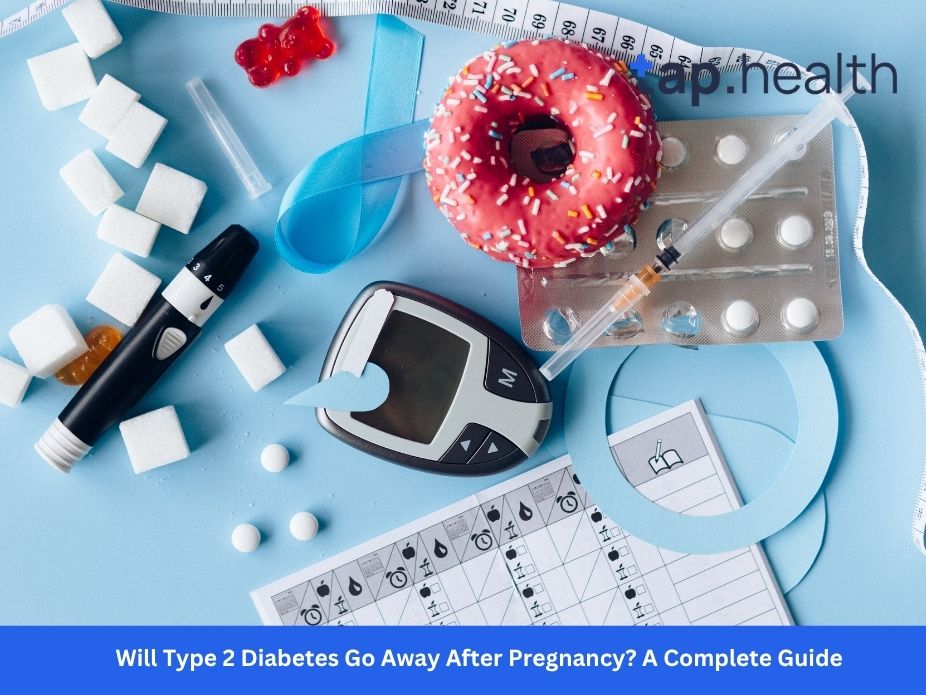
Pregnancy is a beautiful, life-changing journey, but it can also bring unexpected health challenges. If you have been managing high blood sugar over the last nine months, you are likely counting down the days until delivery.
Many mothers hope that giving birth will act as a magic reset button for their health. You might find yourself constantly wondering: will type 2 diabetes go away after pregnancy?
It is a very common and completely understandable question. The confusion usually stems from the different types of diabetes a woman can experience during her childbearing years. The answer depends heavily on your specific diagnosis.
In this comprehensive, easy-to-understand guide, we will break down exactly what happens to your blood sugar after your baby is born. We will clear up the confusion between gestational diabetes and type 2 diabetes, explore how to protect your health postpartum, and provide actionable steps to keep you and your baby safe.
Short Answer: Will Type 2 Diabetes Go Away After Pregnancy?
To give you a direct answer: no, true type 2 diabetes does not simply “go away” or vanish after you give birth.
Type 2 diabetes is a chronic, lifelong metabolic condition. If you had type 2 diabetes before you got pregnant, you will still have it after your baby is delivered. However, your blood sugar levels will change dramatically the moment your baby is born.
During pregnancy, your body requires much more insulin due to pregnancy hormones. Once the baby and placenta are delivered, your insulin needs will drop significantly. While the disease itself remains, you may find it much easier to manage, and with strict lifestyle changes, you can even push it into long-term remission.
Understanding the Difference: Gestational vs. Type 2 Diabetes
To truly understand what happens to your body postpartum, we must clear up the massive confusion between these two conditions.
What is Gestational Diabetes?
Gestational diabetes is a temporary form of high blood sugar that develops entirely because of pregnancy. The placenta produces hormones that block insulin from working properly.
If your pancreas cannot produce enough extra insulin to overcome this blockage, your blood sugar rises. How soon after birth does gestational diabetes go away? For most women, it disappears almost immediately after the placenta is delivered. However, having it once means you are at a much higher risk of developing type 2 diabetes later in life.
What is Type 2 Diabetes?
Type 2 diabetes occurs when your body becomes resistant to insulin over a long period, usually due to genetics, lifestyle, or weight.
Unlike gestational diabetes, this condition is not caused by the placenta. Therefore, delivering the placenta does not cure the disease. If you were diagnosed with diabetes during your very first trimester, doctors usually conclude that you already had undiagnosed type 2 diabetes before you even conceived.
What Are the Risks of Being Pregnant with Type 2 Diabetes?
Managing pre-existing diabetes during pregnancy requires intense dedication. High blood sugar can pose significant risks to both the mother and the developing baby.
For the mother, uncontrolled blood sugar increases the risk of high blood pressure and preeclampsia. It also raises the likelihood of needing a caesarean section (C-section) due to the baby growing too large.
Does gestational diabetes affect the baby? Yes, and so does type 2. If the mother’s blood sugar is high, the baby receives too much glucose. This can cause the baby to grow unusually large (macrosomia). It can also cause the baby’s blood sugar to drop dangerously low (hypoglycaemia) immediately after birth, as their tiny pancreas is overproducing insulin.
What is a Healthy Blood Sugar Level During Pregnancy?
Because the risks are high, doctors set very strict blood sugar targets for pregnant women. These targets are much tighter than those for non-pregnant adults.
Generally, a healthy fasting blood sugar level during pregnancy should be under 95 mg/dL. One hour after eating a meal, your blood sugar should ideally remain under 140 mg/dL. Two hours after a meal, it should be under 120 mg/dL.
To achieve these strict numbers, many women with type 2 diabetes who previously managed their condition with diet or tablets have to temporarily switch to insulin injections. Insulin is completely safe for the baby and does not cross the placenta.
Why is HbA1c Lower in Pregnancy?
If you check your HbA1c (a three-month average of your blood sugar) during pregnancy, you might be surprised to see a lower number than usual.
Why is HbA1c lower in pregnancy? It is not necessarily because your blood sugar is perfectly controlled. During pregnancy, your blood volume expands massively to support the baby.
Because of this increased blood volume, your red blood cells have a shorter lifespan. They turn over faster than the usual 90 days. Since the HbA1c test measures the sugar attached to these red blood cells, a faster turnover naturally leads to a slightly lower HbA1c percentage. Doctors rely more on daily finger-prick tests than HbA1c during these nine months.
What Happens to Your Blood Sugar Immediately After Delivery?
The moment you deliver your baby and the placenta, your body undergoes a massive hormonal shift. This is a critical time for monitoring.
The insulin-blocking hormones produced by the placenta vanish instantly. Because of this, your body becomes highly sensitive to insulin again. If you are taking insulin injections for your type 2 diabetes, your doctor will drastically reduce your dose immediately after labour.
If your dose is not reduced, you are at a very high risk of experiencing severe low blood sugar (hypoglycaemia). You will need your blood sugar checked frequently while you are recovering in the maternity ward to ensure your new medication dosage is correct.
How to Get Rid of Gestational Diabetes After Delivery
If your diagnosis was strictly gestational diabetes, you will likely see your blood sugar return to normal within a few days.
However, you are not entirely in the clear. To truly ensure the diabetes is gone, you must take an Oral Glucose Tolerance Test (OGTT) about 6 to 12 weeks after giving birth. This test confirms that your metabolism has returned to normal.
How to get rid of gestational diabetes after delivery permanently? You must adopt a healthy lifestyle. Losing your post-pregnancy weight, eating a balanced diet, and staying active will prevent the gestational diabetes from returning in future pregnancies or evolving into type 2 diabetes.
Preventing Type 2 Diabetes After Gestational Diabetes
Having gestational diabetes is a massive warning sign from your body. It means your pancreas struggles under metabolic stress.
Roughly 50% of women who experience gestational diabetes go on to develop type 2 diabetes within five to ten years. Preventing type 2 diabetes after gestational diabetes must become a lifelong priority.
Start by making small, sustainable changes. Swap refined white rice for complex carbohydrates like millets, brown rice, or quinoa. Incorporate at least 30 minutes of brisk walking into your daily routine, even if it means pushing the baby stroller around your neighbourhood.
Symptoms of Diabetes After Pregnancy
New mothers are often so exhausted that they ignore their own health. But how long can you live with diabetes without knowing? The answer is years, because the symptoms are incredibly subtle.
You must stay vigilant for the classic symptoms of diabetes after pregnancy. These include feeling unusually thirsty, needing to urinate constantly, and experiencing blurry vision.
You might also feel a level of fatigue that goes beyond normal newborn-induced sleep deprivation. If cuts and bruises take a long time to heal, or if you develop frequent yeast infections, you should immediately ask your doctor for a fasting blood sugar test.
Can You Develop Diabetes After Pregnancy Without Gestational Diabetes?
Yes, it is entirely possible to develop the condition later, even if you had a perfectly healthy pregnancy.
Diabetes after pregnancy without gestational diabetes can occur due to a variety of lifestyle and genetic factors. South Asian women naturally carry a higher genetic risk for insulin resistance.
If you retain a significant amount of weight after your pregnancy, or if you lead a highly sedentary lifestyle, your risk multiplies. Age also plays a role. Therefore, every woman should have her blood sugar checked annually as part of her routine health check-up, regardless of her pregnancy history.
Does Breastfeeding Prevent Type 2 Diabetes?
Breastfeeding is often praised for its benefits to the baby, but it is equally magical for the mother’s metabolic health.
When you breastfeed, your body burns up to 500 extra calories a day to produce milk. This natural calorie burn helps you shed pregnancy weight much faster, which directly improves your insulin sensitivity.
Furthermore, studies show that breastfeeding for at least six months significantly lowers a mother’s long-term risk of developing type 2 diabetes. The hormones released during lactation help reset your metabolism, offering a powerful layer of protection against future blood sugar issues.
Real-Life Scenario
Let us look at the story of Anjali, a 34-year-old marketing manager from Chennai. Anjali was diagnosed with type 2 diabetes a year before she got pregnant.
When she found out she was expecting, Anjali was terrified. She immediately met with her endocrinologist, who switched her from oral tablets to insulin injections to keep her baby safe. Throughout her pregnancy, Anjali meticulously counted her carbohydrates and checked her sugar four times a day.
She often asked her doctor, “will type 2 diabetes go away after pregnancy?” Her doctor honestly explained that the disease would stay, but her medication needs would drop. After delivering a healthy baby boy, Anjali’s insulin requirements plummeted. Motivated by her new baby, she committed to breastfeeding and daily evening walks. Within six months, Anjali had lost all her pregnancy weight. Her blood sugar was so well-controlled that her doctor took her off medications entirely, placing her type 2 diabetes into a diet-controlled remission.
Expert Contribution
To provide deeper insight, we consulted Dr. Meenakshi Iyer, a senior obstetrician and gynaecologist who specialises in high-risk diabetic pregnancies.
“The biggest misconception I see in my clinic is mothers thinking that giving birth cures everything,” Dr. Iyer explains. “If a mother had type 2 diabetes before conception, the delivery room is not a cure. It is simply a metabolic reset.”
She continues, “The six-week postpartum check-up is the most critical appointment of a woman’s life. Unfortunately, many mothers skip it because they are too busy caring for the newborn. I urge every mother: you must get your fasting blood sugar tested postpartum. You cannot take care of your baby if you do not take care of your own blood sugar first.”
Recommendations Grounded in Proven Research and Facts
Managing your health after a diabetic pregnancy requires strict adherence to medical guidelines. Here is what proven research recommends:
- Take the 6-Week Test: Whether you had gestational or type 2 diabetes, you must undergo an HbA1c or Oral Glucose Tolerance Test (OGTT) 6 to 12 weeks after delivery to assess your baseline metabolism.
- Breastfeed if Possible: Medical bodies like the World Health Organization (WHO) strongly recommend breastfeeding to improve maternal insulin sensitivity and reduce long-term diabetes risks.
- Adopt a Low-GI Diet: Shift your family’s diet towards low-glycaemic foods. Fill your plate with lentils (dal), green leafy vegetables, and lean proteins, keeping starchy carbohydrates to a minimum.
- Prioritise Sleep: Sleep deprivation spikes cortisol, which directly raises blood sugar. Try to sleep when the baby sleeps to keep your stress hormones balanced.
- Annual Screenings: Make an HbA1c test an unskippable part of your yearly health check-up for the rest of your life.
Key Takeaways
Navigating a pregnancy with high blood sugar is stressful, but understanding the road ahead brings massive peace of mind. Let us recap the most important points.
First and foremost, true type 2 diabetes does not go away after pregnancy. It is a lifelong condition, but your medication needs will drop drastically once the placenta is delivered.
Secondly, gestational diabetes does go away after birth, but it leaves behind a 50% risk of developing type 2 diabetes in the future. Prevention through weight management and diet is absolutely essential.
Finally, your postpartum health is just as important as your pregnancy health. Embrace breastfeeding, stay active, and never skip your 6-week postpartum blood sugar test. With the right care and dedication, you can easily manage your condition and enjoy a long, healthy life with your new baby.
Frequently Asked Questions
Can breast milk help type 1 diabetes?
While breast milk cannot cure or prevent type 1 diabetes in a child, exclusive breastfeeding for the first six months strengthens the baby’s immune system. For the mother, breastfeeding does not cure type 1 diabetes, but it can significantly lower insulin requirements and help stabilise post-pregnancy blood sugar levels.
What is the most common cause of death in type 1 diabetes?
The most common cause of premature mortality in people with type 1 diabetes is cardiovascular disease. Over many decades, fluctuating blood sugar levels can damage the heart and blood vessels, leading to heart attacks or strokes, making strict blood sugar control essential.
Does breastfeeding prevent type 1 diabetes?
Research is ongoing, but some studies suggest that exclusively breastfeeding an infant may slightly reduce their risk of developing type 1 diabetes later in childhood. It is believed that breast milk promotes a healthy gut microbiome, which protects the infant’s developing immune system.
How to prevent type 1 diabetes in babies?
Currently, there is no proven medical way to completely prevent type 1 diabetes, as it is an autoimmune condition strongly linked to genetics. However, providing breast milk, avoiding early introduction of cow’s milk, and ensuring the baby gets enough Vitamin D may help support a healthy immune system.
What are the risks of being pregnant with type 2 diabetes?
Risks include high blood pressure, preeclampsia, and a higher chance of needing a C-section. For the baby, risks include growing too large (macrosomia), experiencing low blood sugar right after birth, and a higher risk of developing obesity later in life.
How long can you live with diabetes without knowing?
A person can live with type 2 diabetes for 5 to 10 years without knowing it. The symptoms, such as mild fatigue or slight thirst, are incredibly subtle and often mistaken for normal ageing or stress, which is why routine blood testing is vital.
What is a healthy blood sugar level during pregnancy?
During pregnancy, strict targets are required. Fasting blood sugar should be under 95 mg/dL. One hour after eating, it should be under 140 mg/dL, and two hours after a meal, it should ideally be under 120 mg/dL to protect the baby.
Why is HbA1c lower in pregnancy?
During pregnancy, a woman’s blood volume increases drastically to support the baby. This causes red blood cells to turn over faster than usual. Because the HbA1c test measures sugar on red blood cells, this faster turnover leads to a naturally lower HbA1c reading.