Living with diabetes means you are constantly thinking about food. You track what you eat, when you eat, and how it affects your blood sugar.
Recently, the internet has been buzzing with a completely different approach: not eating at all. Fasting, particularly water fasting, has gained immense popularity as a way to reset the body, lose weight, and even reverse metabolic diseases.
But when you rely on food and medication to keep your blood sugar stable, skipping meals sounds terrifying. This leads to a very crucial question regarding water fasting in type diabetes management: is it a miraculous healing tool or a dangerous trend?
In this comprehensive, easy-to-understand guide, we will break down the science of fasting. We will explore the differences between Type 1 and Type 2 diabetes, discuss the safety of prolonged fasts, and explain exactly how to protect your health if you choose to explore this dietary approach.
Can a Diabetic Patient Do Water Fasting? The Short Answer
If you are asking, “Can a diabetic patient do water fasting?“, the answer is not a simple yes or no. It depends entirely on the type of diabetes you have and the medications you take.
For individuals with Type 2 diabetes, water fasting can sometimes be a highly effective tool to improve insulin sensitivity and promote weight loss. However, it must be done under strict medical supervision because diabetes medications can cause dangerous blood sugar drops if you are not eating.
For individuals with Type 1 diabetes, water fasting is generally considered highly dangerous. Because the body produces zero insulin, fasting can quickly lead to a life-threatening condition called Diabetic Ketoacidosis (DKA). Anyone with Type 1 diabetes should avoid prolonged water fasting unless directly supervised in a clinical setting.
Understanding Water Fasting and Diabetes
To understand how fasting affects your body, we need to look at how your body stores energy.
When you eat a meal, your body breaks down carbohydrates into glucose (sugar). Your pancreas releases insulin to push this sugar into your cells for energy. Any extra sugar is stored in your liver as glycogen.
When you start a water fast—meaning you consume nothing but plain water—your body quickly runs out of glucose from food. To survive, it switches to its backup tank. It begins burning the glycogen stored in your liver.
Once the liver is empty, your body makes a massive metabolic shift. It starts burning stored body fat for energy. This process is called ketosis. For someone with insulin resistance, this fat-burning state can be incredibly healing, but it also carries significant risks.
Water Fasting With Diabetes Type 2: Can It Help?
If you are exploring water fasting with diabetes type 2, the potential benefits are quite remarkable. Type 2 diabetes is primarily a disease of insulin resistance and excess stored fat, particularly around the liver and pancreas.
When you do not eat, your body stops producing large amounts of insulin. This gives your overworked pancreas a much-needed rest. Furthermore, as your insulin levels drop, your cells slowly start to regain their sensitivity to the hormone.
Many doctors refer to this as “clearing out the pantry.” By forcing your body to burn its stored fat, you clear the fat clogging your liver and pancreas. This often leads to drastically improved fasting blood sugar levels and, in some cases, the remission of Type 2 diabetes.
Can I Fast If I Am Type 2 Diabetic?
Yes, can I fast if I am type 2 diabetic? You can, but you must consult your doctor first.
If you take medications like Sulfonylureas (which force the pancreas to make insulin) or if you inject insulin, fasting is extremely risky. These medications will continue to lower your blood sugar even if you haven’t eaten, leading to severe hypoglycaemia (dangerously low blood sugar). Your doctor must adjust or temporarily stop your medications before you begin a fast.
Fasting With Diabetes Type 1: High Risk and Extreme Caution
The scenario is completely different for autoimmune diabetes. Fasting with diabetes type 1 is fraught with danger.
In Type 1 diabetes, the pancreas produces no insulin. Even when you are not eating, your body requires a small, steady amount of background (basal) insulin to keep your organs functioning and to regulate fat burning.
If a Type 1 diabetic attempts a water fast, managing this basal insulin becomes incredibly difficult. Too much insulin will cause a fatal sugar crash. Too little insulin will cause the body to break down fat too rapidly.
When fat breaks down uncontrollably without insulin present, it produces highly acidic chemicals called ketones. This leads to Diabetic Ketoacidosis (DKA), a medical emergency where the blood turns acidic, potentially leading to a coma or death.
Dr Fung Fasting Type 1 Diabetes Perspectives
You might have heard of Dr. Jason Fung, a famous nephrologist who heavily promotes fasting. People often search for Dr Fung fasting type 1 diabetes guidelines.
It is vital to note that Dr. Fung’s incredible success stories regarding fasting and diabetes reversal almost exclusively apply to Type 2 diabetes. While intermittent fasting (like skipping breakfast) can sometimes be managed by well-controlled Type 1 patients, prolonged water fasting is generally discouraged by medical professionals for Type 1 due to the severe DKA risk.
How Many Hours Should a Diabetic Fast?
If you want to try fasting, jumping straight into a multi-day water fast is a bad idea. Your body needs time to adapt.
So, how many hours should a diabetic fast? For a beginner with Type 2 diabetes, starting with a 12-hour fast is ideal. This simply means eating your dinner at 8:00 PM and not eating breakfast until 8:00 AM the next day. Most of the fasting happens while you sleep.
Best Intermittent Fasting for Diabetics
Once your body is comfortable, you can explore the best intermittent fasting for diabetics, which is often the 16:8 method.
In this method, you fast for 16 hours and eat all your meals within an 8-hour window (for example, eating only between 12:00 PM and 8:00 PM). This gently lowers your insulin levels daily without causing extreme stress to your body. It is sustainable, safe, and highly effective for weight loss.
Can a Diabetic Fast for 3 Days? The 72-Hour Mark
Some patients want faster results and wonder, can a diabetic fast for 3 days?
A 72 hour fast type 2 diabetes protocol is considered a prolonged fast. During a 3-day water fast, your body enters deep ketosis. Autophagy also begins—a process where your body cleans out damaged cells and regenerates new, healthy ones.
While the metabolic benefits are huge, the risks are equally high. During a 72-hour fast, a diabetic patient may experience severe dehydration, electrolyte imbalances, and extreme fatigue.
You should absolutely never attempt a 3-day water fast without strict medical clearance. Your doctor will need to monitor your blood pressure, adjust your medications entirely, and ensure your kidneys are healthy enough to handle the stress of prolonged ketosis.
What is the 3-Hour Rule in Diabetes?
In stark contrast to fasting, many dietitians recommend frequent eating. You might have asked your doctor, what is the 3-hour rule in diabetes?
The 3-hour rule suggests eating a small, balanced meal or snack every three hours throughout the day. The goal is to keep blood sugar levels perfectly stable, preventing the high spikes of heavy meals and the low crashes of starvation.
For decades, this was the standard advice for all diabetics. However, modern science shows that while the 3-hour rule prevents crashes, it also keeps insulin levels constantly elevated. For a Type 2 diabetic trying to fix insulin resistance, eating every three hours might actually prevent the body from healing. This is why many doctors are now shifting away from the 3-hour rule and leaning towards intermittent fasting.
Breaking a Water Fast Safely
If you complete a water fast, how you break it is just as important as the fast itself.
After not eating for 24 hours or more, your digestive system is essentially asleep. If you immediately eat a heavy, carbohydrate-rich meal (like a large plate of rice and dal), your blood sugar will skyrocket, and you could experience severe stomach cramps or a dangerous condition called refeeding syndrome.
You must break a fast gently. Start with a small bowl of clear vegetable soup or bone broth. Wait an hour, and then have a small portion of easily digestible protein, like boiled eggs or a piece of steamed fish. Keep carbohydrates to an absolute minimum on the first day after your fast.
Real-Life Scenario
Consider the story of Ramesh, a 52-year-old shop owner from Ludhiana. Ramesh had been struggling with Type 2 diabetes for eight years. Despite taking Metformin twice a day, his HbA1c remained stubbornly high at 8.2%, and he carried a lot of weight around his belly.
Frustrated, Ramesh read about the benefits of water fasting and diabetes. He wanted to try a 24-hour water fast but was smart enough not to do it blindly. He visited his endocrinologist.
His doctor supported the idea but adjusted his Metformin dose for the fasting day to prevent his blood sugar from dropping too low. Ramesh started his fast after dinner on Saturday. By Sunday afternoon, he felt a bit tired and very thirsty, but he drank plenty of plain water with a pinch of pink salt for electrolytes.
When he checked his blood sugar on Sunday evening, it was 105 mg/dL—the lowest it had been in years. Ramesh broke his fast safely with a small bowl of soup. Encouraged by the results, he adopted a 16:8 intermittent fasting routine daily. Within six months, Ramesh lost 12 kilograms, and his HbA1c dropped to a healthy 6.4%. He learned that fasting was a powerful tool, but medical guidance was the key to his success.
Expert Contribution
To provide deeper clinical insight, we consulted Dr. Anjali Mehta, a leading endocrinologist specialising in metabolic reversal.
“The conversation around is fasting good for type diabetes has shifted dramatically in the last five years,” Dr. Mehta explains. “We used to tell patients to eat six small meals a day. Now, we realise that this constant feeding keeps insulin levels chronically high, which is the root cause of Type 2 diabetes.”
Dr. Mehta adds a crucial warning: “However, water fasting is not a DIY project for diabetics. If a patient is on insulin or sulfonylureas, skipping a meal can be fatal. I use therapeutic fasting regularly in my clinic, but only after conducting a thorough metabolic panel and strictly managing the patient’s prescriptions. Fasting is like a prescription drug—it requires the right dose and the right medical supervision.”
Recommendations Grounded in Proven Research and Facts
Managing your condition safely requires an evidence-based approach. Based on guidelines from major health organisations, here are the clinical facts regarding fasting and diabetes:
- Consult Before You Fast: Never begin a fasting routine without your doctor’s explicit approval, especially if you take blood-sugar-lowering medications or blood pressure pills.
- Hydration is Mandatory: Water fasting means you must drink water. Dehydration spikes blood sugar. Aim for at least 2.5 to 3 litres of plain water daily during a fast.
- Watch Your Electrolytes: During a fast, your body flushes out sodium, potassium, and magnesium. Adding a pinch of Himalayan pink salt to your water can prevent headaches and muscle cramps.
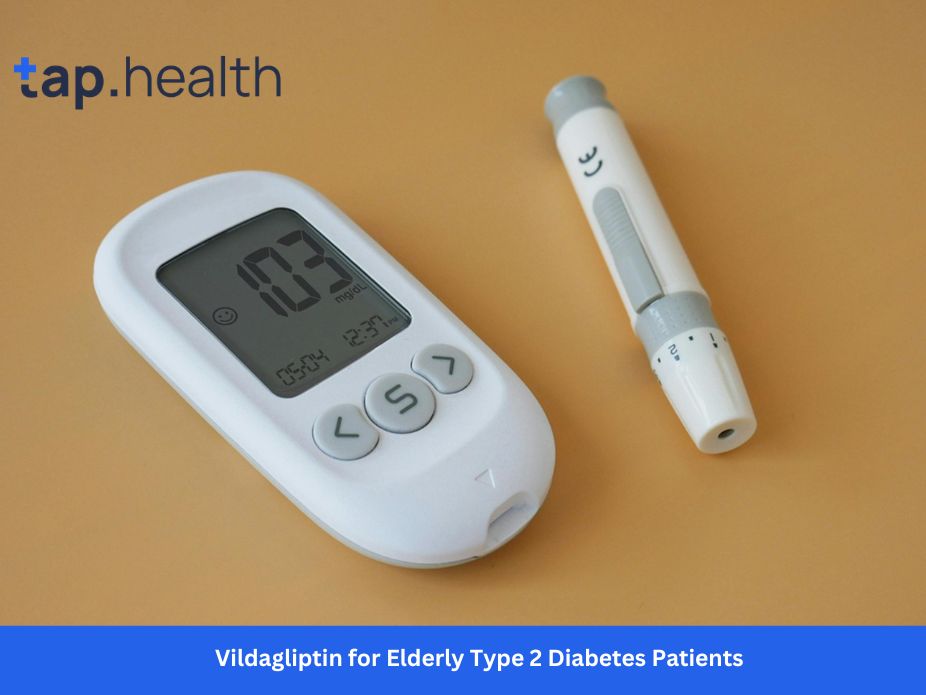
- Monitor Frequently: If you are fasting, you must check your blood sugar with a glucometer multiple times a day. If it drops below 70 mg/dL, you must break the fast immediately with a fast-acting carbohydrate.
- Avoid if Pregnant or Underweight: Fasting is strictly prohibited for pregnant women with gestational diabetes, children, and anyone with a history of eating disorders.
Conclusion and Key Takeaways
The concept of using water fasting in type diabetes management is an incredibly exciting frontier in medical science. When done correctly, it can offer a powerful metabolic reset.
Here are the most important takeaways to remember:
- Type 2 Diabetes: Water fasting can heavily improve insulin sensitivity, promote weight loss, and lower blood sugar. However, medication adjustments by a doctor are absolutely mandatory to prevent severe crashes.
- Type 1 Diabetes: Prolonged water fasting is highly dangerous due to the massive risk of Diabetic Ketoacidosis (DKA) and should generally be avoided.
- Start Slow: Do not jump into a 3-day fast. Begin with a 12-hour overnight fast and slowly work your way up to a 16:8 intermittent fasting routine.
- Break It Gently: Always break a fast with light, low-carbohydrate foods like broth or boiled eggs to prevent digestive distress and sugar spikes.
- Safety First: Fasting is a therapeutic tool, not a starvation diet. Listen to your body, check your sugar levels often, and always prioritise medical safety.
By treating fasting with respect and working alongside your healthcare provider, you can unlock its benefits and take a massive step forward in controlling your diabetes.
Frequently Asked Questions
Can a diabetic patient do water fasting?
A patient with Type 2 diabetes can often do water fasting safely, provided they have medical supervision to adjust their medications. A patient with Type 1 diabetes should generally avoid prolonged water fasting due to the high risk of life-threatening Diabetic Ketoacidosis (DKA).
Is fasting good for type diabetes?
For Type 2 diabetes, therapeutic fasting is highly beneficial. It lowers circulating insulin levels, allows the cells to rest, helps burn visceral fat, and significantly improves overall insulin sensitivity.
Can I fast if I am type 2 diabetic?
Yes, you can fast, but you must consult your doctor first. If you are taking medications that actively lower blood sugar (like insulin or sulfonylureas), fasting can cause a dangerous hypoglycaemic crash. Your doctor must adjust your dosage before you begin.
How many hours should a diabetic fast?
For beginners, a 12-hour overnight fast is the safest starting point. Many diabetics find great success and safety with a 16-hour fast (the 16:8 intermittent fasting method). Fasts lasting longer than 24 hours require strict medical supervision.
What is the 3-hour rule in diabetes?
The 3-hour rule is a traditional dietary guideline suggesting that a diabetic should eat a small meal or snack every three hours to keep blood sugar stable. While it prevents low blood sugar crashes, many modern doctors argue it prevents the body from fixing insulin resistance.
Can a diabetic fast for 3 days?
A 72-hour (3-day) water fast induces deep ketosis and autophagy. While it can offer massive metabolic benefits for Type 2 diabetics, it is considered highly advanced and potentially dangerous. It should never be attempted without direct, daily monitoring by a physician.
What is the best intermittent fasting for diabetics?
The 16:8 method is widely considered the best and most sustainable intermittent fasting routine for diabetics. It involves fasting for 16 hours (mostly overnight) and eating all your meals within an 8-hour window during the day, which gently lowers insulin without extreme stress.
How to manage water fasting with diabetes type 2?
To manage it safely, stay highly hydrated, replenish electrolytes with a pinch of salt in your water, check your blood sugar with a glucometer every few hours, and immediately break the fast if your blood sugar drops below 70 mg/dL or if you feel extremely dizzy.
References
- American Diabetes Association (ADA) – Nutrition and Fasting
- Mayo Clinic – Intermittent Fasting: What are the benefits?
- National Health Service (NHS) – Type 2 Diabetes and Diet
- Harvard T.H. Chan School of Public Health – Diet Review: Intermittent Fasting for Health
- World Health Organization (WHO) – Diabetes Fact Sheet