Understanding Nutritional Education and Counseling for Chronic Disease Self-Management
What is nutritional education in self-management?
Nutritional education teaches healthy eating principles, food nutrient values, and diet-health links. It equips people for informed choices preventing diseases like diabetes or hypertension.
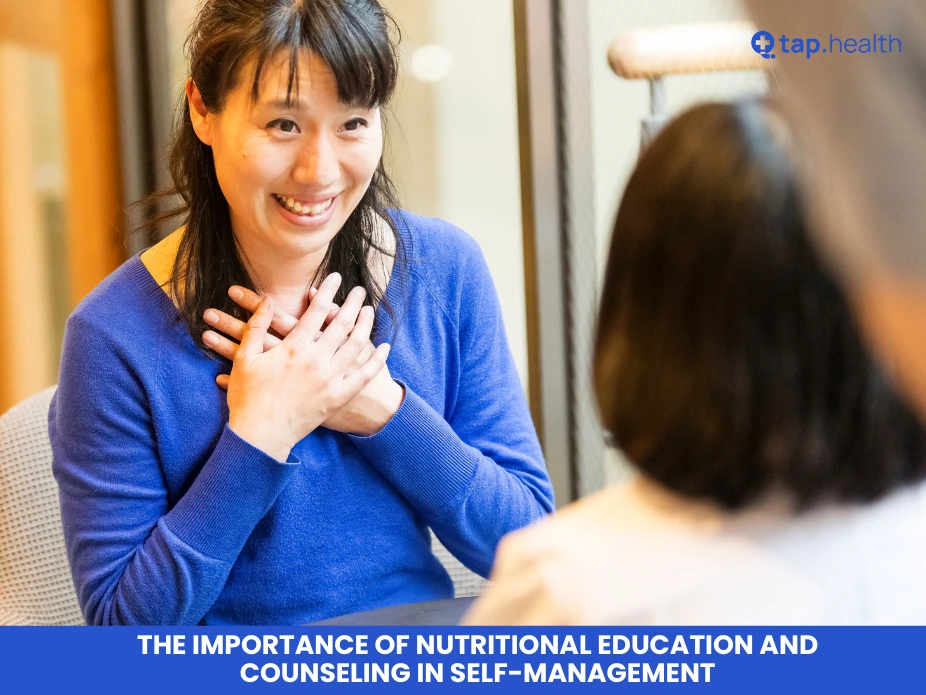
What is nutritional counseling for personalized self-management?
It’s tailored guidance from dietitians creating custom plans based on health conditions, lifestyle, preferences. Focuses on sustainable diabetes control or blood pressure management.
Key goals of nutritional education and counseling in disease self-management:
- Empower with diet knowledge.
- Drive behavioral changes for healthy habits.
- Aid chronic disease management via nutrition.
- Deliver personalized diet strategies.
Role of Nutritional Education in Empowering Self-Management
How does nutritional education empower self-management?
Provides knowledge on food impacts, building confidence in dietary decisions for diabetes or heart health.
Promoting behavioral changes through nutritional counseling: Identifies unhealthy patterns, sets goals, offers support for lasting shifts in eating habits.
Enhancing adherence in long-term self-management: Ongoing counseling ensures accountability, plan adjustments for consistent healthy nutrition.
Real-Life Scenarios: Nutritional Counseling in Diabetes and Hypertension Self-Management
Scenario 1: Type 2 diabetes self-management success Linda, 55, unstable blood sugar. Learned carb counting, glycemic index, portion control. Fiber-rich plan with proteins, fats. Result: Better control, less insulin, weight loss, higher energy.
Scenario 2: Hypertension control via nutritional education John, 60, high sodium. Mastered label reading, DASH diet, low-sodium cooking. More fruits, veggies. Outcome: Lower BP, reduced meds, greater control.
Scenario 3: Obesity and weight loss self-management Maria, 40, obesity issues. Personalized plans, mindful eating, activity integration. Lost 30+ pounds, improved markers, family inspiration.
Expert Insights on Nutritional Education for Chronic Disease Self-Management
Dr. Mehta, Registered Dietitian: “Nutritional education cornerstone for chronic self-management. Understanding ‘why’ drives sustainable diet changes.”
Dr. Michael Lee, Endocrinologist: “Counseling boosts diabetes self-management tools for proactive blood sugar control.”
Sarah Johnson, Clinical Nutritionist: “Personalized counseling addresses barriers, vital for health charge in self-management.”
Evidence-Based Recommendations for Nutritional Self-Management
- Personalized meal planning in diabetes self-management: Custom plans boost adherence. Consult dietitian for balanced, enjoyable nutrition.
- Nutrient-dense foods education: Focus fruits, veggies, grains, proteins, fats for well-being.
- Behavioral strategies: Goal setting, tracking for lasting changes.
- Reduce processed foods, sugars: Prevents insulin resistance, obesity.
- Incorporate physical activity: 150 minutes weekly enhances nutrition benefits.
- Continuous monitoring: Regular adjustments with providers.
- Portion control education: Use aids, mindful cues against overeating.
- Whole grains, fiber emphasis: 25-30g daily for insulin sensitivity.
- Address deficiencies: Assessments, supplements if needed.
- Supportive environment: Involve family, groups for motivation.
Factual Information on Diet Impact in Self-Management
Diet-chronic disease links: Poor choices cause diabetes insulin resistance, hypertension sodium issues, heart disease fats risks.
Nutritional education benefits: Better outcomes, skills, prevention.
Counseling techniques: Motivational interviewing, CBT, goal setting.
Guidelines: Balanced macros/micros, portion control, hydration, limit sugars, increase fiber.
Technology role: Apps for tracking, online counseling, platforms.
Practical Tips for Effective Nutritional Education in Self-Management
- Set SMART goals: E.g., cut sugar 20% in two months.
- Food diary: Log meals via app/journal.
- Learn nutrition basics: Macros, portions via resources.
- Seek professional guidance: Tailored safe plans.
- Diet variety: Wide nutrients.
- Mindful eating: Slow, distraction-free.
- Meal prep: Weekly planning, bulk cooking.
- Hydrate: 8+ glasses daily.
- Limit processed: Choose whole foods.
- Engage support: Share goals, join groups.
FAQ: Nutritional Counseling and Education in Self-Management
What is nutritional education?
Teaches healthy practices, food values, diet-health impacts.
How helps diabetes management?
Personalized plans, carb counting, stable sugar habits.
Supplements necessary?
For deficiencies; not diet replacement. Consult provider.
Counseling frequency?
Weekly initially, then monthly/quarterly.
Prevent chronic diseases?
Yes, via habits, weight, risk reduction.
Strategies taught?
Planning, portions, labels, counting, cooking.
Find qualified professional? Via organizations, providers, directories.
Insurance coverage?
Varies; check provider.
Results timeline?
Weeks to months, per adherence.
Self-changes without counseling?
Possible, but professional ensures balance, safety.
Conclusion: Investing in Nutritional Education for Better Self-Management
Nutritional education and counseling empower chronic condition control like diabetes, hypertension, obesity. Knowledge, guidance drive informed choices, sustainable changes, superior outcomes.
Scenarios show real impacts. Experts stress professional roles. Research backs strategies for safe effectiveness.
Reliable info underpins success. Diet understanding promotes longevity, quality life. Prevents future issues.
Proactive health via nutrition clarity confidence. Holistic plan leads vibrant life.
Is TapHealth the Ultimate Solution for Diabetes Self-Management Through Nutritional Education?
Explore TapHealth for advanced tools integrating nutritional counseling, personalized diabetes tracking, education resources.
References
- Harvard Health Publishing. (2022). The Importance of Nutritional Counseling in Chronic Disease Management. https://www.health.harvard.edu/staying-healthy/nutritional-counseling
- Journal of Nutrition Education and Behavior. (2021). Impact of Nutritional Education on Diabetes Self-Management. https://www.jneb.org/article/S1499-4046(21)00345-9/fulltext
- Mayo Clinic. (2023). Nutrition and Healthy Eating for Diabetes. https://www.mayoclinic.org/diseases-conditions/diabetes/in-depth/diabetes-diet/art-20044295
- National Institute of Diabetes and Digestive and Kidney Diseases (NIDDK). (2022). Healthy Eating for Type 2 Diabetes. https://www.niddk.nih.gov/health-information/diabetes/overview/diet-eating-physical-activity/healthy-eating
- Centers for Disease Control and Prevention (CDC). (2023). Nutrition and Healthy Eating. https://www.cdc.gov/nutrition/index.html