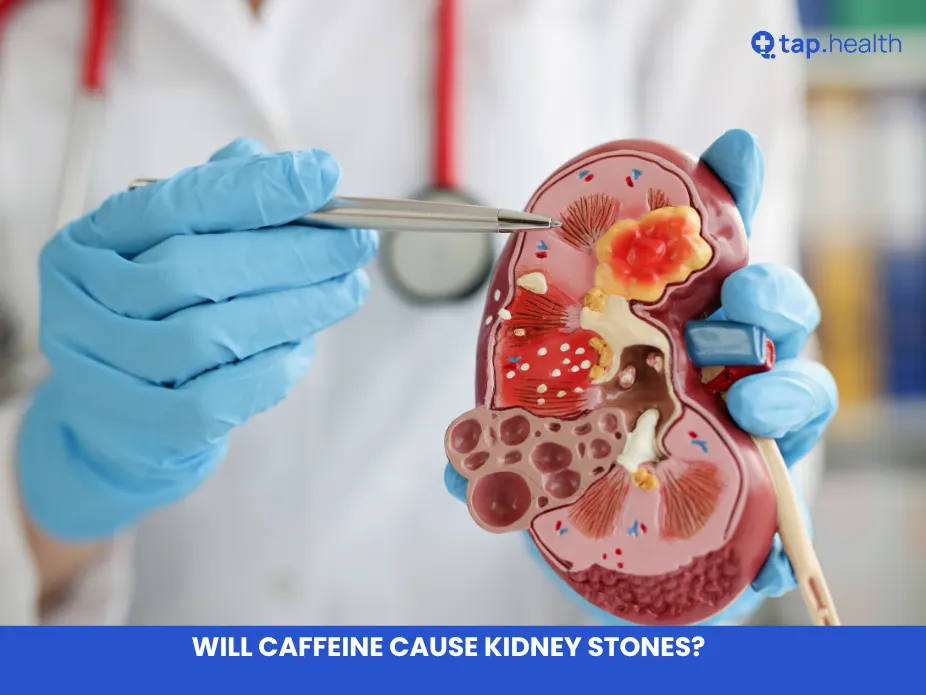
For many of us, caffeine is a daily companion—whether it’s in the form of coffee, tea, or an energy drink. But if you’ve heard rumors that caffeine can lead to kidney stones, you might be wondering if your favorite pick-me-up is doing more harm than good. This blog dives deep into the connection between caffeine and kidney stones, debunking myths, sharing expert opinions, and offering practical advice to keep your kidneys healthy.
What Are Kidney Stones?
Kidney stones are hard mineral and salt deposits that form in your kidneys. They vary in size, from tiny grains to larger stones that can cause severe pain when passing through the urinary tract. Common causes of kidney stones include dehydration, high salt intake, and certain medical conditions.
Will Caffeine Cause Kidney Stones?
The relationship between caffeine and kidney stones isn’t black and white—it depends on how much caffeine you consume and your overall lifestyle.
1. Moderate Caffeine Intake May Reduce Risk
- Increased Urine Production: Caffeine is a mild diuretic, which means it increases urine output. This can help flush out minerals and reduce the risk of kidney stone formation.
- Hydration Boost: Many caffeinated beverages, like coffee and tea, contribute to daily fluid intake, which is essential for preventing kidney stones.
2. Excessive Caffeine Could Be a Risk Factor
- Calcium and Oxalate Levels: Overconsumption of caffeine might increase calcium excretion in urine. High calcium levels can combine with oxalates to form stones.
- Dehydration Risk: Drinking too many caffeinated drinks without balancing them with water can lead to dehydration, a leading cause of kidney stones.
Also read this – can palm oil cause cancer
Real-Life Scenarios
Rahul’s Coffee Obsession
Rahul, a 35-year-old graphic designer from Delhi, relied on coffee to get through his busy workdays. At one point, he was drinking up to 8 cups a day.
When Rahul experienced severe back pain, he was diagnosed with kidney stones. His doctor explained that while moderate coffee consumption wasn’t harmful, excessive caffeine could contribute to stone formation, especially when paired with low water intake.
By cutting back on coffee and increasing his water consumption, Rahul prevented future episodes. “I still enjoy my coffee, but I keep it to two cups a day and drink plenty of water,” Rahul shares.
Expert Contributions
Insights from Dr. Meena Sharma, Urologist
Dr. Meena Sharma, a urologist based in Bengaluru, explains the connection between caffeine and kidney stones.
“Moderation is the key when it comes to caffeine. A few cups of coffee or tea can actually lower the risk of kidney stones due to their diuretic effect. However, excessive caffeine consumption can increase calcium in the urine, which may contribute to stone formation in predisposed individuals,” Dr. Sharma advises.
She also stresses the importance of staying hydrated and choosing beverages wisely.
Learn more about Dr. Meena Sharma’s work here.
Recommendations Grounded in Proven Research and Facts
If you’re concerned about caffeine and kidney stones, follow these tips:
1. Moderate Your Caffeine Intake
- Stick to 2–3 cups of coffee or tea per day (approximately 200–300 mg of caffeine).
- Avoid overconsuming energy drinks, which can have higher caffeine levels.
2. Stay Hydrated
- Drink plenty of water throughout the day to dilute urine and prevent stone formation.
- For every caffeinated drink, aim to drink an extra glass of water.
3. Balance Your Diet
- Reduce high-oxalate foods (e.g., spinach, beets, and nuts) if you’re prone to kidney stones.
- Include calcium-rich foods to bind oxalates in the gut instead of the kidneys.
4. Limit Sugary Caffeinated Beverages
- Soda and sweetened energy drinks can contribute to stone formation due to high sugar content.
- Opt for unsweetened or naturally flavored options.
5. Consult Your Doctor
- If you have a history of kidney stones or other risk factors, talk to your healthcare provider about your caffeine intake.
Factual and Reliable Information
Here are some key facts about caffeine and kidney stones:
- Caffeine as a Diuretic: Moderate caffeine consumption can promote urine production and help flush out minerals.
- Hydration Is Crucial: Dehydration is one of the leading causes of kidney stones, and caffeine can exacerbate it if not balanced with water.
- Stone Types Matter: Calcium oxalate stones are the most common type. Caffeine’s effect on calcium excretion may increase the risk in susceptible individuals.
For more information, visit this reliable source from the National Kidney Foundation.
FAQs on Will Caffeine Cause Kidney Stones?
Q1: Does coffee cause kidney stones?
A: Moderate coffee consumption is not likely to cause kidney stones and may even lower the risk. However, excessive consumption may contribute to stone formation.
Q2: Can tea cause kidney stones?
A: Tea contains oxalates, which can contribute to kidney stones in some people. Green tea, however, is low in oxalates and is a safer choice.
Q3: How much caffeine is safe to consume daily?
A: For most people, 200–300 mg of caffeine per day (about 2–3 cups of coffee) is considered safe.
Q4: What are other causes of kidney stones?
A: Dehydration, high salt intake, diets rich in oxalates, and genetic predisposition are common causes of kidney stones.
Q5: Can I drink energy drinks if I’m prone to kidney stones?
A: It’s best to avoid energy drinks due to their high caffeine and sugar content, which may increase the risk of kidney stones.