Yes, a vegetarian can absolutely get diabetes, particularly type 2 diabetes. While plant-based diets often lower the overall risk compared to meat-heavy diets, following a vegetarian lifestyle does not provide complete immunity. The key factor is the quality and balance of the diet rather than just avoiding meat.
Many people wonder: “Can vegetarians get type 2 diabetes?” The answer lies in how the diet is structured. High intake of refined carbohydrates, excessive sugars, and inadequate protein can elevate blood sugar levels even without animal products.
What Causes Diabetes in Vegetarians?
Diabetes occurs when the body struggles to regulate blood sugar due to insulin resistance or insufficient insulin production. For vegetarians, common causes of diabetes include:
- Overdependence on refined carbs: White rice, white bread, and processed snacks cause rapid blood sugar spikes.
- Insufficient plant-based protein: Low intake of lentils, chickpeas, tofu, or quinoa can contribute to insulin resistance.
- High sugar consumption: Frequent sweets, desserts, and sugary beverages remain a risk in vegetarian diets.
- Imbalanced fats: Avoiding healthy fats from nuts, seeds, and avocados or relying on fried foods harms insulin sensitivity.
These factors show why some vegetarians develop pre-diabetes or full type 2 diabetes despite avoiding meat.
Key Risk Factors for Type 2 Diabetes in Vegetarian Diets
Vegetarians generally have a lower diabetes risk due to higher fiber intake from fruits, vegetables, and whole grains. However, specific risks persist:
- Heavy reliance on refined carbohydrates and low-fiber foods.
- Inadequate protein leading to poor blood sugar regulation.
- Excessive intake of sugary vegetarian treats and drinks.
- Lack of healthy fats needed for optimal insulin function.
Real-life examples, like individuals consuming mostly rice, chapatis, and fried snacks with sweets, highlight how unbalanced vegetarian eating patterns can lead to pre-diabetes.
How Can Vegetarians Prevent Diabetes Effectively?
A well-planned vegetarian diet is one of the best tools for diabetes prevention. Follow these evidence-based prevention tips:
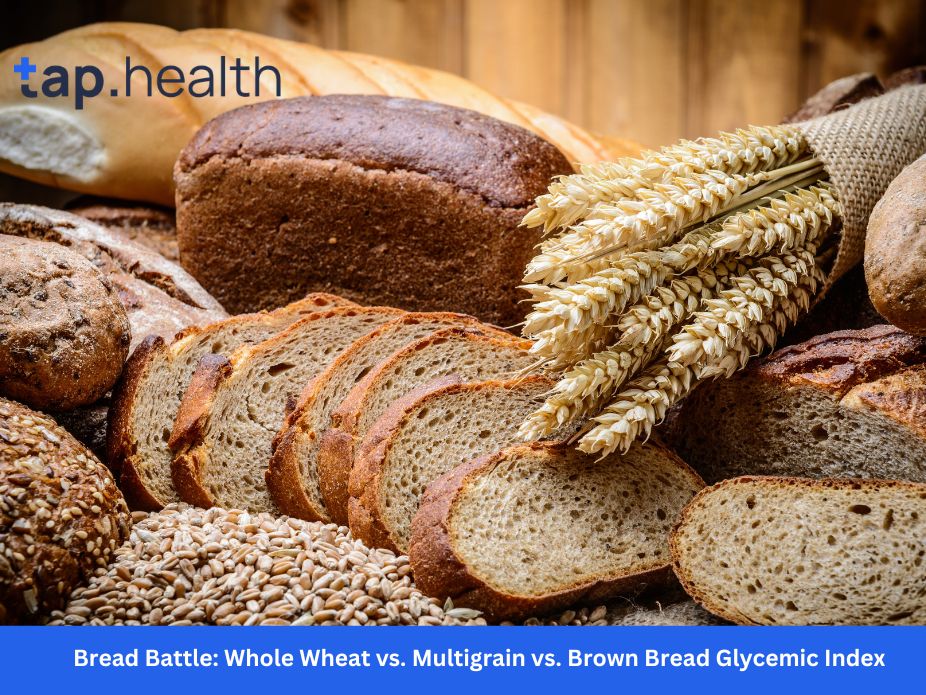
- Switch to whole grains: Choose brown rice, quinoa, barley, and whole-wheat products to stabilize blood sugar.
- Boost plant-based proteins: Regularly include lentils, beans, tofu, tempeh, and edamame for better glucose control.
- Add healthy fats: Incorporate avocados, nuts, seeds, olive oil, and flaxseeds to improve insulin sensitivity.
- Eat diverse vegetables and fruits: Focus on leafy greens, colorful veggies, and low-glycemic fruits for essential nutrients and antioxidants.
- Limit refined carbs and sugars: Reduce white rice, pastries, and sugary drinks while practicing portion control.
- Stay active and monitor health: Combine diet with regular exercise and periodic blood sugar checks, especially if family history exists.
Experts emphasize that focusing on whole, unprocessed plant foods creates a diabetes-protective vegetarian diet.
Is Vegetarian Diet Good for Diabetics or Pre-Diabetes Management?
Yes, a balanced vegetarian diet supports diabetes management and reversal of pre-diabetes. High-fiber foods slow glucose absorption, while nutrient-dense plants reduce inflammation. Many diabetics thrive on vegetarian meal plans rich in legumes, vegetables, and whole grains.
Common Questions About Vegetarianism and Diabetes Risk
Can vegetarians get diabetes from carbs?
Yes, excessive refined carbohydrates are a leading cause of blood sugar issues in vegetarians.
Does being vegetarian prevent type 2 diabetes completely?
No, it reduces risk but does not eliminate it without proper food choices.
What foods should vegetarians avoid for diabetes prevention?
Limit refined grains, sugary sweets, fried snacks, and processed vegetarian products.
Are plant-based diets better for blood sugar control?
Well-balanced plant-based diets excel at maintaining stable blood sugar due to fiber and low glycemic loads.
Can a vegan diet cause diabetes?
Similar to vegetarianism, poorly planned vegan diets high in processed foods can increase risk, while whole-food vegans often have the lowest rates.
How do I balance a vegetarian diet to avoid diabetes?
Prioritize whole grains, diverse proteins, healthy fats, and plenty of vegetables while minimizing sugars and refined foods.
Is type 1 diabetes possible for vegetarians?
Type 1 is autoimmune and unrelated to diet; vegetarians can develop it just like anyone else.
What role do sweets play in vegetarian diabetes risk?
Traditional vegetarian sweets like gulab jamun or jalebi contribute significantly if consumed frequently.
Should vegetarians monitor blood sugar levels?
Yes, especially those with family history, excess weight, or poor dietary habits.
Can exercise help vegetarians lower diabetes risk?
Absolutely—regular physical activity enhances insulin sensitivity and complements a healthy vegetarian diet.
A vegetarian lifestyle offers powerful tools for diabetes prevention when focused on nutrient density and balance. By choosing whole plant foods, incorporating adequate protein and healthy fats, and limiting processed items, vegetarians can significantly reduce their risk of type 2 diabetes while enjoying diverse, satisfying meals.
Consult healthcare professionals for personalized advice, especially if pre-diabetes symptoms appear. Small, consistent changes in food choices make a substantial difference in long-term blood sugar health.