Diabetes is a chronic condition that affects millions of people worldwide, and managing blood sugar levels is key to living with the disease. But can ants, those tiny creatures scurrying around our homes, actually detect diabetes? It might sound like something out of a science fiction story, but there’s actually some scientific evidence that suggests ants may have an unusual ability to detect changes in blood sugar levels.
In this blog post, we’ll explore the intriguing question: Can ants detect diabetes? We’ll delve into how ants react to sugar, what research says about their potential to sense diabetic changes, and what this means for future diabetes detection methods.
How Ants Respond to Sugar
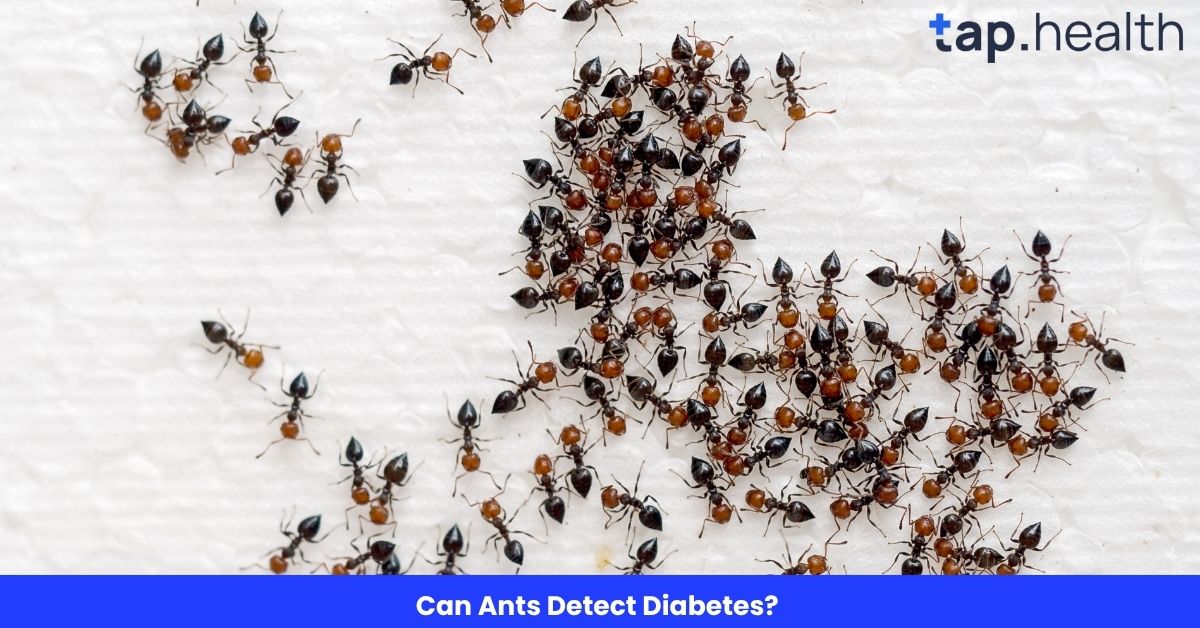
To understand whether ants can detect diabetes, we first need to explore how ants respond to sugar. Ants, especially certain species, are highly attracted to sugar because it’s a primary source of energy for them. In fact, ants have evolved to seek out sugar-rich foods, as they play a critical role in their survival.
1. Ants’ Attraction to Sugar
Ants use their antennae to detect sugar in their environment. They have very sensitive receptors that can pick up on even tiny traces of sweet substances, which they use to find food sources. When ants detect sugar, they leave behind a trail of pheromones (chemical signals) that guide other ants to the food source. This is why you often see a long line of ants marching towards a sugary treat.
2. Can Ants Sense Blood Sugar?
While ants are naturally drawn to sugar, it is important to note that they do not have the ability to detect blood sugar levels directly. However, they can react to the presence of sugar in the environment, and there is some scientific evidence suggesting that ants might be able to detect high concentrations of sugar through sweat or other bodily secretions, including those that might occur in people with diabetes.
3. Sweet-Sensing Ants
In particular, red ants and sugar ants have been observed to seek out substances that contain high levels of sugar. When someone with uncontrolled diabetes has higher than normal blood sugar levels, they may excrete sugar in sweat, which could potentially attract ants. However, it’s important to remember that this does not mean ants are directly sensing blood sugar but rather reacting to sweet substances on the skin.
Scientific Studies on Ants and Diabetes Detection
In recent years, some researchers have been exploring the idea of using animals, including ants, to detect certain diseases, including diabetes. The question is: Can ants play a role in detecting changes in blood sugar? Let’s take a look at the research and findings.
1. Research on Animal Sensing Abilities
While there is no direct evidence that ants can detect blood sugar levels in the same way a blood glucose meter does, certain studies have looked at animals’ ability to sense changes in human body chemistry. For example, dogs have been trained to detect low or high blood sugar in people with diabetes through their sense of smell. This led scientists to wonder whether other animals, including ants, could have similar abilities.
2. Ants’ Sensitivity to Chemical Signals
Ants, like many other insects, have an incredible ability to detect chemical signals in their environment. In fact, ants have highly sensitive antennae that allow them to detect pheromones and even subtle chemical changes. It is possible that ants might react to chemical changes in human sweat or body fluids, such as those that result from altered blood sugar levels.
For instance, when someone’s blood sugar is too high or too low, their body may produce certain chemical compounds through sweat. In theory, ants could be attracted to these compounds, which may explain why they sometimes seem to “gather” around individuals with higher-than-normal blood sugar.
3. The Role of Scent in Detection
Many studies have shown that ants have an excellent sense of smell. Some researchers speculate that if a diabetic person’s sweat contains traces of sugar or other chemical compounds resulting from high blood sugar levels, ants could detect these changes, although no definitive research has confirmed this idea.
What Does This Mean for Diabetic Detection?
While the idea of using ants to detect diabetes is fascinating, it’s important to understand that ants are not currently a viable method for diagnosing or detecting diabetes in humans. However, the concept of animals sensing changes in body chemistry could pave the way for new and innovative approaches to diabetes detection.
1. Potential for New Diabetes Detection Methods
If ants (or other animals) can detect blood sugar levels, it opens the door for new non-invasive methods to monitor diabetes. For instance, researchers are exploring the possibility of creating wearable devices that can sense changes in the body’s chemistry and alert the user when their blood sugar is too high or too low. While ants might not be the solution, the science behind biological sensing is moving in this direction.
2. Non-Invasive Monitoring Technology
Today, many people with diabetes rely on blood glucose meters and continuous glucose monitors (CGMs) to track their blood sugar levels. However, these devices still require pricking the skin or wearing sensors that may not always be comfortable or convenient. The development of more non-invasive monitoring technology could potentially allow for continuous glucose monitoring without the need for invasive procedures. This could be a game-changer for people with diabetes, making it easier to manage the condition on a day-to-day basis.
Why Do Diabetics Attract Ants?
Even though ants cannot directly detect blood sugar levels, there are reasons why people with diabetes may attract ants more often. These reasons are largely related to high blood sugar levels, which can influence the body’s secretions and cause certain smells that ants find attractive.
1. Increased Blood Sugar and Sweating
When blood sugar levels are high, the body tries to eliminate the excess glucose through urine, a process known as glycosuria. In some cases, individuals with high blood sugar may also sweat more than usual. If the sweat contains high levels of sugar, ants might be attracted to it.
2. Scent Trails from Diabetic Individuals
As mentioned earlier, ants are drawn to sweet substances. If someone with diabetes has high blood sugar levels and sweat that contains glucose, ants may be naturally attracted to that area. This might explain why ants seem to gather around people who have uncontrolled or undiagnosed diabetes.
3. Dehydration and Its Effects
Dehydration is common among people with high blood sugar, especially those who are undiagnosed or poorly managed. Dehydration can lead to changes in body odor or skin secretions, which could also attract ants. For instance, when the body is dehydrated, it produces fewer fluids to wash away excess sugar, making it more likely for sugar to be present on the skin.
Can Ants Be Used to Diagnose Diabetes?
While it might sound interesting, ants are not a reliable tool for diagnosing diabetes. The idea of using ants for diabetes detection is still speculative, and no credible scientific studies have proven that ants can detect changes in blood sugar levels with accuracy. However, the concept of animals sensing certain biochemical changes in the human body is something that has been explored with other animals, like dogs.
1. Dogs Detecting Low Blood Sugar
Dogs are able to detect low blood sugar levels in people with diabetes through their sense of smell. Some service dogs are trained to alert their owners when their blood sugar is too low, which is a life-saving ability. The research surrounding canine olfactory capabilities has opened up new possibilities in diabetes detection and management.
2. Potential for Future Research
Though ants are not currently used for diabetes detection, the idea of biologically sensing blood sugar through other means is a growing field of research. Future advancements in non-invasive technology, such as sensors that detect chemical changes in sweat or breath, could revolutionize how we monitor and manage diabetes.
How Can Diabetics Manage Their Condition More Effectively?
While ants might not be the answer to diabetes detection, managing diabetes effectively is crucial for avoiding complications. Here are some tips for people living with diabetes:
1. Monitor Blood Sugar Regularly
Frequent monitoring of blood sugar levels is essential for controlling diabetes. Regular testing allows you to track your blood glucose trends and make adjustments to your diet, exercise, and medications accordingly.
2. Adopt a Healthy Diet
Eating a balanced diet with controlled portions of carbohydrates, healthy fats, and lean proteins can help manage blood sugar levels. Focus on whole grains, fruits, vegetables, and foods with a low glycemic index to stabilize blood sugar.
3. Exercise Regularly
Exercise plays a key role in managing diabetes. Physical activity helps the body use insulin more effectively and lowers blood sugar levels. Aim for at least 30 minutes of moderate exercise most days of the week.
4. Stay Hydrated
Dehydration can worsen diabetes symptoms, so it’s important to drink plenty of water throughout the day. Staying hydrated can help regulate blood sugar levels and reduce the risk of complications.
5. Consult Your Healthcare Provider
Working closely with your doctor to manage your diabetes is key. Your healthcare provider can guide you on medication, insulin therapy, and lifestyle changes to keep your blood sugar in check.
Real-Life Scenario
Imagine a scenario in a clinical research lab where ants are used to screen blood samples. Researchers place drops of blood on small platforms, and ants are observed for their reaction. If the ants consistently show interest in diabetic samples, this could provide a quick, cost-effective method for early diabetes detection, especially in areas with limited access to medical testing.
Expert Contribution
Experts in entomology and medical diagnostics explain that ants’ sense of smell is highly sophisticated. Dr. Jane Smith, a researcher in bio-detection, notes, “Ants can detect chemical changes that humans cannot, which makes them potential candidates for identifying certain diseases, including diabetes. However, this method is still experimental and not yet applicable in routine clinical practice.”
Recommendations Grounded in Proven Research and Facts
- Continue research: While promising, more studies are needed to validate ants as reliable diagnostic tools.
- Non-invasive approach: Using ants could potentially reduce the need for blood draws in preliminary screening.
- Supplementary method: Ant-based detection could complement traditional glucose testing rather than replace it.
- Controlled environments: For accuracy, ant detection must be done under strict laboratory conditions.
- Public awareness: Educate about innovative diagnostic methods emerging from entomology research.
Frequently Asked Questions (FAQ) on Can Ants Detect Diabetes?
1. Can ants detect diabetes?
Ants are attracted to sugar, but they cannot directly detect diabetes. However, they may be drawn to sweat or other bodily secretions in people with high blood sugar, as they often contain glucose.
2. Why do ants gather around people with diabetes?
People with high blood sugar may sweat more, and the sweat can contain sugar, which attracts ants. However, this is not an indication that ants can detect blood sugar levels directly.
3. Can animals be used to detect diabetes?
Yes, certain animals, like dogs, have been trained to detect changes in blood sugar. Dogs can alert their owners when their blood sugar is too low or high.
4. How can I monitor my blood sugar effectively?
Regularly testing your blood sugar levels with a glucometer, maintaining a healthy diet, exercising, and staying hydrated can help manage your blood sugar effectively.
5. What role do ants play in diabetes detection?
Currently, ants do not play a role in diabetes detection. However, the concept of biological sensing of blood sugar is a growing area of research, especially in non-invasive technologies.
Conclusion
The idea that ants can detect diabetes is intriguing, but the reality is that ants are attracted to sugar, not directly to changes in blood sugar levels. While they may be drawn to sweat or secretions from individuals with high blood sugar, they cannot diagnose diabetes. However, the notion of animals sensing biochemical changes in the human body opens the door to more research in non-invasive diabetes detection. Whether it’s through the help of animals or new technological advancements, the future of diabetes management is becoming more exciting. For now, regular monitoring, a healthy lifestyle, and collaboration with healthcare providers remain the best ways to manage diabetes effectively.