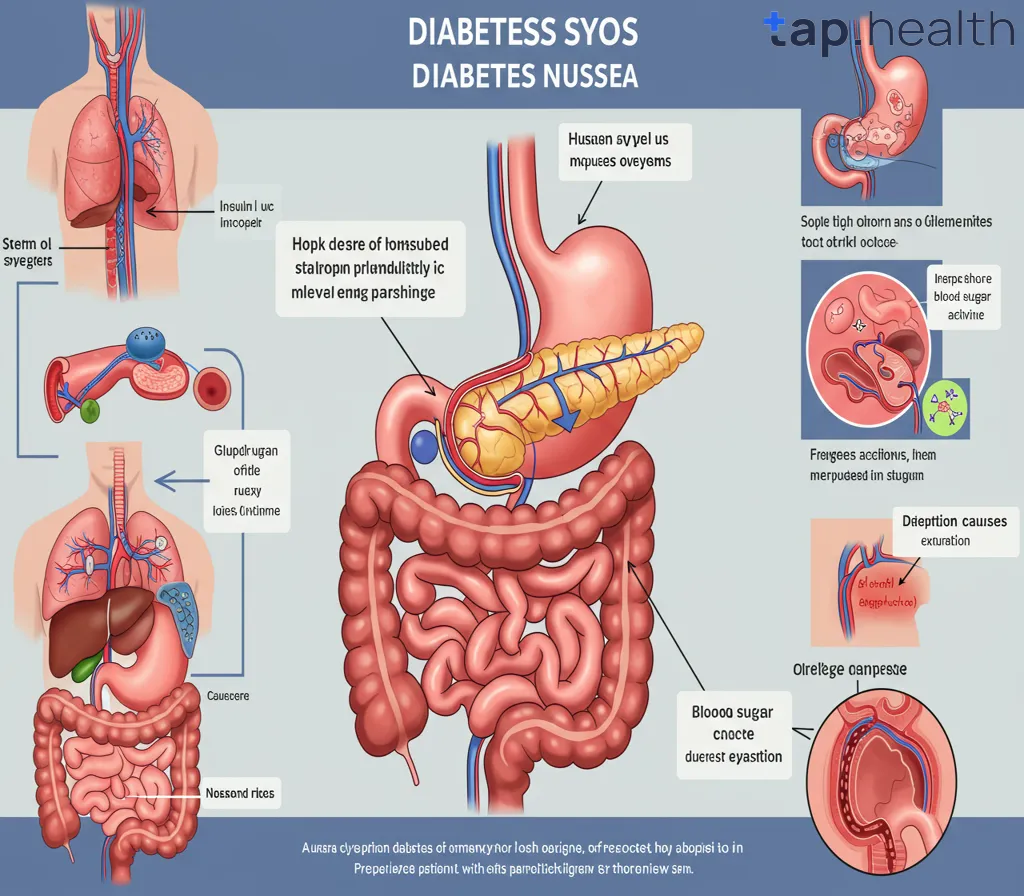
Managing diabetes involves careful attention to your blood sugar levels, diet, and lifestyle. While it’s commonly known that diabetes can lead to high or low blood sugar, there are other lesser-known symptoms that can affect your well-being, including nausea. But can diabetes actually cause nausea, and if so, why?
In this blog post, we will dive deep into the reasons behind nausea in people with diabetes, explore the potential causes, symptoms, and what you can do to manage and treat it. Whether you’re a diabetic or care for someone who is, this article will help you understand the link between diabetes and nausea, and how to take care of yourself if nausea becomes a problem.
Can Diabetes Make You Feel Nauseous?
Yes, diabetes can make you feel nauseous. Nausea is not a typical symptom of diabetes, but it is not uncommon. People with diabetes can experience nausea due to several factors related to blood sugar levels, complications from the condition, or medications used to treat it. Nausea can result from both high blood sugar (hyperglycemia) and low blood sugar (hypoglycemia), and in some cases, it may indicate other underlying issues like diabetic ketoacidosis (DKA) or gastroparesis.
Let’s explore these factors in more detail to better understand why diabetes may cause nausea and how you can manage it.
How Can High Blood Sugar (Hyperglycemia) Cause Nausea?
High blood sugar, also known as hyperglycemia, occurs when there is too much glucose in the blood. This is one of the most common issues faced by people with diabetes and can lead to a variety of symptoms, including nausea.
1. Dehydration from High Blood Sugar
When blood sugar levels are too high, the kidneys try to filter out the excess glucose, leading to increased urination. This can cause dehydration, which is a known trigger for nausea. Dehydration makes you feel weak, dizzy, and lightheaded, contributing to an overall feeling of nausea.
2. Acidic Blood (Diabetic Ketoacidosis)
If blood sugar levels stay high for too long without proper insulin management, the body can enter a state known as diabetic ketoacidosis (DKA). DKA happens when the body starts breaking down fat for energy instead of glucose, leading to the production of ketones. Ketones make the blood acidic, which can cause nausea, vomiting, and abdominal pain. DKA is a serious condition that requires immediate medical attention.
3. Poor Blood Flow to the Digestive System
High blood sugar can also cause poor circulation, which means that the digestive system may not function properly. This can lead to slowed digestion, bloating, and nausea. Over time, prolonged high blood sugar can even cause gastroparesis, a condition where the stomach doesn’t empty properly, causing nausea and vomiting.
How Can Low Blood Sugar (Hypoglycemia) Cause Nausea?
Low blood sugar, or hypoglycemia, occurs when blood glucose levels drop too low. This can happen if you take too much insulin, miss a meal, or exercise too vigorously without adjusting your food intake. Nausea is one of the symptoms that may accompany low blood sugar levels.
1. Release of Stress Hormones
When blood sugar levels drop too low, the body releases stress hormones, including adrenaline and cortisol, to try to raise blood sugar back to normal levels. These stress hormones can trigger nausea, dizziness, and an overall feeling of discomfort.
2. Abdominal Discomfort
Low blood sugar can also cause abdominal discomfort, including nausea and cramping. This is because the body’s response to hypoglycemia includes redirecting blood flow away from the digestive system, which can result in digestive issues like nausea.
How Does Gastroparesis Relate to Nausea in Diabetes?
Gastroparesis is a condition that affects the stomach’s ability to empty properly. It is common among people with diabetes, especially those with long-term or poorly controlled blood sugar levels.
1. Slow Stomach Emptying
Gastroparesis causes food to move slowly through the stomach, which can lead to bloating, nausea, and vomiting. In some cases, people with gastroparesis may feel full after eating only a small amount of food, which can further contribute to nausea and discomfort.
2. Blood Sugar Control Issues
Gastroparesis can make it harder to control blood sugar levels. Since food is digested more slowly, the timing of insulin doses can become unpredictable, leading to further blood sugar fluctuations that can result in nausea.
How Can Diabetic Medications Cause Nausea?
Certain medications used to treat diabetes can also cause nausea as a side effect. This includes medications like metformin, GLP-1 receptor agonists, and other oral diabetes medications. Nausea is often a temporary side effect when starting these medications, but it can become bothersome for some people.
1. Metformin
Metformin, one of the most commonly prescribed medications for type 2 diabetes, is known to cause nausea, especially when first starting the medication or when the dose is increased. Taking metformin with food can help reduce nausea.
2. GLP-1 Receptor Agonists
GLP-1 receptor agonists, such as liraglutide (Victoza) and exenatide (Byetta), are injectable medications used for managing blood sugar levels. These medications can cause nausea as a side effect, especially in the first few weeks of use. Many people experience nausea as the body adjusts to these medications.
What Other Factors Can Contribute to Nausea in Diabetes?
Apart from high or low blood sugar, gastroparesis, and medications, other factors can contribute to nausea in people with diabetes:
1. Infections
Infections, especially those that affect the urinary tract, kidneys, or skin, can cause nausea in people with diabetes. Infections can increase blood sugar levels and worsen nausea, particularly if diabetes is poorly controlled.
2. Stress and Anxiety
Managing diabetes can be stressful, and stress can contribute to physical symptoms like nausea. Anxiety or worry about blood sugar levels, medication, or complications can also lead to stomach upset.
3. Dehydration
As mentioned earlier, dehydration is a common issue for people with diabetes, especially when blood sugar levels are high. Dehydration can cause nausea, along with other symptoms like dizziness and fatigue.
How to Manage and Prevent Nausea from Diabetes
While nausea can be an uncomfortable symptom of diabetes, there are ways to manage it effectively. Here are some practical tips:
1. Monitor Blood Sugar Levels
The best way to prevent nausea related to blood sugar imbalances is to maintain healthy blood sugar levels. Regularly check your blood glucose levels and make adjustments to your insulin or medication as needed.
2. Stay Hydrated
Drink plenty of water throughout the day, especially if you have high blood sugar. Staying hydrated can help prevent dehydration-related nausea and other symptoms.
3. Eat Small, Frequent Meals
Eating small meals throughout the day can help prevent nausea, particularly if you have gastroparesis. Avoid large, heavy meals that can take a long time to digest. Choose foods that are easy to digest and low in fat.
4. Take Medications as Directed
If you’re taking diabetes medications that cause nausea, make sure to take them as prescribed. If nausea persists, talk to your healthcare provider about adjusting your medication or switching to a different one.
5. Address Stress and Anxiety
Managing stress and anxiety is important for both physical and mental health. Practice relaxation techniques such as deep breathing, meditation, or yoga to help reduce stress and prevent nausea.
6. Get Regular Exercise
Exercise can help improve blood sugar control, digestion, and overall health. However, make sure to monitor your blood sugar levels and adjust your food intake before and after exercise to avoid hypoglycemia.
Frequently Asked Questions (FAQs) on Can Diabetes Make You Feel Nauseous?
1. Can diabetes cause nausea even if blood sugar is normal?
Yes, nausea can still occur in people with diabetes even if blood sugar levels are within the normal range. Other factors such as medication side effects, gastroparesis, stress, or dehydration may contribute to nausea.
2. How can I tell if nausea is caused by high or low blood sugar?
If nausea is accompanied by symptoms like dizziness, confusion, or sweating, it may be due to low blood sugar (hypoglycemia). On the other hand, nausea with symptoms like excessive thirst, frequent urination, or fruity-smelling breath may indicate high blood sugar (hyperglycemia) or diabetic ketoacidosis.
3. Is nausea a sign of diabetic ketoacidosis (DKA)?
Yes, nausea is one of the signs of diabetic ketoacidosis (DKA), a serious complication of diabetes that occurs when blood sugar is too high and the body starts producing ketones. If you experience nausea along with vomiting, abdominal pain, or confusion, seek medical help immediately.
4. Can nausea from diabetes be treated at home?
If nausea is caused by minor factors like dehydration or a missed meal, it can often be managed at home by staying hydrated, eating small meals, and monitoring blood sugar levels. However, if the nausea is severe or persistent, it’s important to consult with a healthcare provider for proper treatment.
5. How can I prevent nausea from diabetes medications?
If nausea is a side effect of diabetes medications like metformin, taking the medication with food can help reduce nausea. If nausea continues, talk to your doctor about adjusting your medication or exploring alternative options.
Conclusion
In conclusion, nausea is a common but often overlooked symptom of diabetes. It can be caused by high or low blood sugar, medications, gastroparesis, or other factors related to the condition. By understanding the underlying causes of nausea and following strategies to manage it, people with diabetes can reduce their risk of discomfort and improve their quality of life. If nausea becomes severe or persistent, always consult with a healthcare provider to rule out serious complications and get the appropriate treatment.