When you are living with diabetes, you already have a lot on your plate. You constantly monitor your blood sugar, watch your diet, and take your medications.
But when your vision starts to get blurry or wavy, it can be terrifying. For many people with diabetes, these vision changes are the first signs of a condition known as Diabetic Macular Edema (DME).
If you or a loved one has recently been diagnosed with this eye condition, your mind is likely racing with questions. The biggest and most urgent question is usually: can diabetic macular edema be cured?
It is completely natural to feel scared about losing your eyesight. Vision is our window to the world. The good news is that modern medicine has made incredible advancements in treating eye complications related to diabetes.
In this comprehensive guide, we will break down everything you need to know about DME. We will explain what it is, explore the latest treatments, and answer all your pressing questions in simple, easy-to-understand English. Let us take a deep breath and walk through this together.
What Is Diabetic Macular Edema?
To understand how to treat the problem, we first need to understand what is happening inside your eye.
Your eye works a lot like a camera. At the back of the eye, there is a light-sensitive tissue called the retina. The retina acts like the film in the camera.
Right in the centre of the retina is a tiny, highly specialised area called the macula. The macula is responsible for your sharp, straight-ahead vision. It allows you to read a book, recognise faces, and drive a car safely.
Shutterstock
When you have diabetes, high blood sugar levels can damage the tiny blood vessels throughout your body over time. This includes the delicate blood vessels inside your retina.
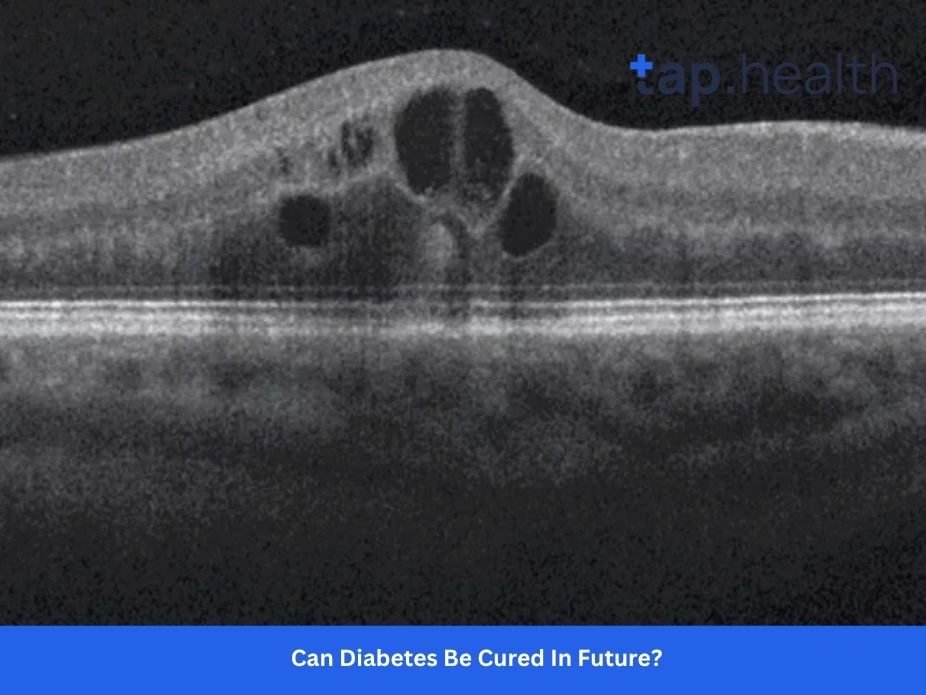
When these vessels get damaged, they become weak and leaky. Fluid, blood, and proteins start to leak out of the vessels and pool inside the macula. This buildup of fluid causes the macula to swell up like a sponge. This swelling is what doctors call “edema.” Therefore, Diabetic Macular Edema simply means swelling in the centre of the eye caused by diabetes.
The Big Question: Can Diabetic Macular Edema Be Cured?
Let us get straight to the point and answer the main question: can diabetic macular edema be cured?
If we are talking about a “cure” in the sense that you take a pill and the disease vanishes forever without any further effort, then no. Currently, there is no permanent, magical cure for DME.
However, do not let that dishearten you. While it cannot be permanently “cured” and forgotten, diabetic macular edema is highly treatable and manageable. With the right medical care and strict control of your blood sugar, the swelling in your eye can completely resolve. The fluid can dry up, and the disease can go into remission. Many patients live normal, visually active lives after successful treatment.
So, does diabetic macular edema ever go away? Yes, the swelling can go away entirely with treatment. But because the underlying cause is diabetes, you must continue to manage your health to prevent the fluid from returning.
Can Vision Be Restored After Macular Edema?
This is the second most common question patients ask. If your vision has already become blurry, is it gone forever?
In most cases, yes, vision can be restored after macular edema. The key factor here is time. If you seek treatment early, before the swelling causes permanent damage to the nerve cells in your macula, your vision can significantly improve. The treatments available today are specifically designed to dry up the fluid and help you regain lost eyesight.
However, if the swelling is left untreated for a very long time, it can cause permanent scarring on the macula. Once scarring occurs, restoring vision becomes much more difficult. This is why regular eye check-ups are absolutely crucial for anyone with diabetes.
Diabetic Macular Edema Symptoms You Should Not Ignore
Because early treatment is so important, you need to know what warning signs to look out for.
In the very early stages, DME might not cause any symptoms at all. You could have fluid building up in your eye and not even realise it. This is why you cannot wait for symptoms to appear before visiting an eye specialist.
When diabetic macular edema symptoms do begin to show, they usually include:
- Blurry or wavy vision: Straight lines, like window blinds or door frames, might look bent or crooked.
- Faded colours: The vibrant colours around you might start to look washed out or dull.
- Dark spots: You might notice dark, empty, or missing spots right in the centre of your vision.
- Difficulty reading: Words on a page or a screen may become very hard to focus on.
- Floaters: You may see tiny spots or strings floating across your field of vision.
If you experience any of these changes, you must book an appointment with an ophthalmologist (eye doctor) immediately.
Can Diabetic Macular Edema Cause Blindness?
It is a scary thought, but it is important to be honest about the risks. Can diabetic macular edema cause blindness? Yes, if it is completely ignored and left untreated, severe DME can lead to legal blindness. It is actually the most common cause of vision loss among people with diabetic retinopathy.
The swelling physically disrupts the cells that process light. Over time, prolonged swelling permanently destroys these cells. While it rarely causes total, pitch-black blindness, it can destroy your central vision. This leaves you with only your side (peripheral) vision, making everyday tasks impossible.
Is Diabetic Macular Edema a Disability?
Because DME can severely impact your vision, many wonder if it qualifies as a legal disability.
Is diabetic macular edema a disability? It certainly can be. If the condition progresses to the point where your central vision is permanently lost, and it prevents you from working or performing daily life activities, it is recognised as a visual disability.
In India and many other countries, severe vision loss caused by diabetes can qualify you for disability benefits or workplace accommodations. However, the goal of modern medicine is to catch the disease early enough so that it never reaches this stage.
Diabetic Macular Edema Stages
To determine how to treat your eye, your doctor will assess how far the condition has progressed. Diabetic macular edema stages are generally classified in two ways based on how the fluid is leaking:
Focal Diabetic Macular Edema
In this stage, the fluid is leaking from specific, tiny abnormalities in the blood vessels. These are like tiny pinholes in a pipe. The swelling is localised to certain small areas of the macula.
Diffuse Diabetic Macular Edema
In this more severe stage, the tiny blood vessels in the retina are generally widened and damaged. Fluid leaks out from all over, like a pipe that is sweating water along its entire length. This causes widespread, generalized swelling across the entire macula.
Your doctor may also classify your DME as mild, moderate, or severe, depending on how close the swelling is to the exact centre of your macula (the fovea).
How to Cure Diabetic Macular Edema: Current Treatments
While we know we cannot permanently “cure” the underlying diabetes, we have highly effective ways to “cure” the swelling in the eye.
When people ask how to cure diabetic macular edema, they are usually looking for the best treatment options. Today, eye specialists have an arsenal of powerful tools to fight this disease. Let us look at the most common treatments.
Diabetic Macular Edema Injections (Anti-VEGF)
This is currently the frontline treatment for DME. It sounds intimidating, but it is highly effective and virtually painless.
When your retina is starved of oxygen due to diabetes, it produces a protein called Vascular Endothelial Growth Factor (VEGF). This protein tells the eye to grow new blood vessels. However, these new vessels are weak and leak heavily, causing edema.
Anti-VEGF injections block this protein. They stop the leakage and reduce the swelling. Common brand names include Lucentis, Eylea, and Avastin. The doctor will numb your eye with drops, so you do not feel pain, and deliver the medicine directly into the eye. You will likely need multiple injections over several months to get the fluid under control.
Corticosteroid Treatments
If anti-VEGF injections do not work well enough for you, your doctor might suggest corticosteroids.
Steroids are powerful anti-inflammatory medicines. They are also delivered via an injection into the eye. Some newer steroid treatments come in the form of a tiny implant that is placed inside the eye. This implant slowly releases the medicine over several months, meaning you need fewer visits to the clinic.
However, steroids can have side effects, such as increasing your risk for cataracts or glaucoma, so your doctor will monitor you closely.
Laser Therapy
Before injections were invented, laser therapy was the main treatment for DME. It is still used today, often in combination with injections.
During focal/grid macular laser treatment, the doctor uses a highly targeted laser to seal up the leaking blood vessels. Think of it as a tiny welding tool closing the leaks in a pipe. This treatment does not usually restore lost vision, but it is excellent at preventing the vision from getting any worse.
Vitrectomy Surgery
In very severe cases, the gel-like fluid inside your eye (the vitreous) might pull on the macula, making the swelling worse. Or, there might be a lot of blood trapped in the eye.
In these situations, a surgeon performs a vitrectomy. They make tiny incisions in the eye, remove the gel and blood, and replace it with a clear saline solution. This relieves the pulling on the macula and helps the swelling go down.
New Treatment for Diabetic Macular Edema
Medical science is always moving forward. If you are looking for a new treatment for diabetic macular edema, there is a lot of hope on the horizon.
Recently, a new medication called Faricimab (brand name Vabysmo) was approved. This is a bispecific antibody. Instead of just blocking the VEGF protein, it blocks a second protein called Ang-2 at the same time. This double-action approach stabilizes blood vessels better and lasts longer, meaning patients need fewer injections over a year.
Researchers are also working on gene therapy and refillable eye implants that could potentially deliver medicine continuously for years. The future of DME treatment is focused on making the process much easier and less intrusive for patients.
How Long Does It Take for Macular Edema to Heal?
Patience is incredibly important when dealing with eye health.
How long does it take for macular edema to heal? It is not a quick fix. If you start receiving anti-VEGF injections, you might notice some improvement in your vision within a few weeks.
However, fully drying up the fluid and stabilizing the eye can take several months to a year of consistent, repeated treatments. Do not get discouraged if your vision does not become perfect after the first injection. Healing a damaged retina is a marathon, not a sprint.
Living with DME: Diabetic Macular Edema and Driving
A major concern for patients is how DME affects their independence.
Diabetic macular edema and driving can be a dangerous combination. Because DME affects your central vision, it can make it hard to read road signs, judge distances, or see pedestrians clearly.
If your vision is blurry or distorted, you must speak to your eye doctor before getting behind the wheel. In many countries, there are strict legal vision requirements for driving. If your DME is active and severe, it is best to let someone else drive until your treatment restores your eyesight to a safe level.
Myths Vs. Facts About Diabetic Macular Edema
Let us clear up some common misunderstandings about this condition.
Myth: I only need to get my eyes checked if my vision gets blurry. Fact: False. DME can be silently causing damage long before you notice blurry vision. Annual comprehensive dilated eye exams are mandatory for anyone with diabetes.
Myth: Eye injections are extremely painful. Fact: False. The idea is scary, but doctors use powerful numbing drops. Most patients feel only a slight pressure, not sharp pain, during the injection.
Myth: Eating carrots will cure my macular edema. Fact: False. While Vitamin A is good for general eye health, diet alone cannot cure leaking blood vessels in the retina. You need professional medical intervention.
Real-Life Scenario
Let us look at the story of Mr. Sharma, a 55-year-old school teacher from Delhi. Mr. Sharma has had Type 2 diabetes for 12 years. He loved his sweets and often skipped his daily walks, causing his blood sugar to remain high.
One day, while grading exam papers, he noticed the text looked slightly bent and faded. He rubbed his eyes, but the blurriness didn’t go away. Panicked, he visited a local retina specialist. After a simple OCT scan (a picture of the back of the eye), the doctor diagnosed him with Diabetic Macular Edema.
Mr. Sharma asked the doctor, “Can diabetic macular edema be cured?” The doctor was honest. He explained that while diabetes is a lifelong companion, the swelling in his eye could be resolved.
Mr. Sharma started a course of anti-VEGF injections. The first injection was frightening, but he was surprised at how quick and painless it was. More importantly, Mr. Sharma took control of his health. He strictly reduced his sugar intake, started walking daily, and brought his HbA1c levels down. After six months of treatment and lifestyle changes, the fluid in his macula dried up completely. His vision returned to near normal, allowing him to continue teaching without difficulty.
Mr. Sharma’s story is a perfect example: medical treatment fixes the eye, but your lifestyle choices protect it from happening again.
Expert Contribution
To give you the best advice, we spoke with Dr. Ananya Iyer, a leading Retina Specialist with over 15 years of experience treating diabetic eye disease.
“The most heartbreaking part of my job is seeing patients who waited too long to seek help,” says Dr. Iyer. “Many patients ask me if diabetic macular edema can be cured. I tell them that we have miracle drugs in the form of anti-VEGF injections today. We can restore vision beautifully if caught early.
However, I always emphasize that I am only treating the symptom. The root cause is uncontrolled diabetes. If a patient comes for their eye injections but refuses to control their blood sugar and blood pressure at home, the fluid will just keep coming back. Healing DME is a 50-50 partnership between the eye doctor and the patient.”
Recommendations Grounded in Proven Research and Facts
If you want to protect your vision and help your medical treatments work effectively, you must focus on your overall metabolic health. Based on guidelines from the World Health Organization (WHO) and major ophthalmic societies, here is what you need to do:
- Strict Blood Sugar Control: Keep your HbA1c levels within the target range set by your doctor (usually around 7%). High blood sugar is the direct cause of leaky vessels.
- Manage Blood Pressure: High blood pressure puts extra physical force on the fragile vessels in your eyes, causing them to leak more fluid. Keep your BP under control.
- Lower Your Cholesterol: High cholesterol can cause hard, fatty deposits to form in the retina, worsening macular edema.
- Never Skip Eye Exams: If you have diabetes, you must have a dilated eye exam at least once a year, even if your vision feels perfect.
- Quit Smoking: Smoking severely restricts oxygen flow to your eyes and damages blood vessels, fast-tracking diabetic eye diseases.
Key Takeaways
We have covered a lot of vital information. Here is a quick summary of the most important points to remember:
- Can it be cured? While there is no permanent “cure” that makes it vanish forever, DME is highly treatable, and the swelling can completely resolve.
- Vision can be restored: If treated early with injections or lasers, you can regain lost vision.
- Don’t ignore symptoms: Blurry vision, bent lines, and faded colours require an immediate trip to the eye doctor.
- Injections are the gold standard: Anti-VEGF injections are the most common and effective way to stop the leakage in your eye.
- Your lifestyle matters: Medical treatments work best when you strictly control your blood sugar, blood pressure, and cholesterol at home.
Dealing with diabetic macular edema can be overwhelming, but you are not alone. With the incredible advancements in eye care today, a diabetes diagnosis does not mean you have to lose your sight. Take control of your health, stay compliant with your doctor’s advice, and keep your vision clear for years to come.
Frequently Asked Questions on Can Diabetic Macular Edema Be Cured?
Can vision be restored after macular edema?
Yes, in the majority of cases, vision can be significantly restored. If diabetic macular edema is diagnosed and treated early before permanent scarring occurs on the macula, treatments like anti-VEGF injections can dry up the fluid and help you regain your lost eyesight.
Does diabetic macular edema ever go away?
Yes, the swelling and fluid buildup associated with diabetic macular edema can completely go away with proper medical treatment (like injections or laser therapy). However, because the underlying cause is diabetes, the condition can return if your blood sugar and blood pressure are not kept under strict control.
How to cure diabetic macular edema?
While there is no permanent “cure,” the condition is treated and managed using anti-VEGF eye injections, corticosteroid implants, laser therapy, or in severe cases, vitrectomy surgery. The best way to “cure” the active swelling is to combine these medical treatments with strict control of your daily blood sugar levels.
How long does it take for macular edema to heal?
Healing is a gradual process. While some patients may notice an improvement in their vision within a few weeks after starting injection therapy, it typically takes several months to a year of consistent, repeated treatments for the macula to fully heal and dry out.
What are the main diabetic macular edema symptoms?
The most common symptoms include blurry or wavy central vision, colours appearing washed out or faded, difficulty reading fine print, and seeing dark or empty spots directly in the centre of your line of sight.
Can diabetic macular edema cause blindness?
Yes, if ignored and left untreated, severe diabetic macular edema can lead to permanent damage to the retinal cells. This can cause legal blindness, specifically destroying your central vision, which is required for reading, driving, and recognising faces.
What is the new treatment for diabetic macular edema?
One of the newest treatments is a medication called Faricimab (Vabysmo). It is a bispecific antibody that targets two different disease pathways (VEGF and Ang-2) at the same time. This helps stabilize blood vessels better and often requires fewer injections per year compared to older medications.
Is diabetic macular edema a disability?
It can be. If the macular edema progresses to a severe stage where it causes permanent and significant vision loss that prevents you from working, driving, or carrying out daily life activities, it can legally be classified as a visual disability. Early treatment aims to prevent the disease from reaching this stage.