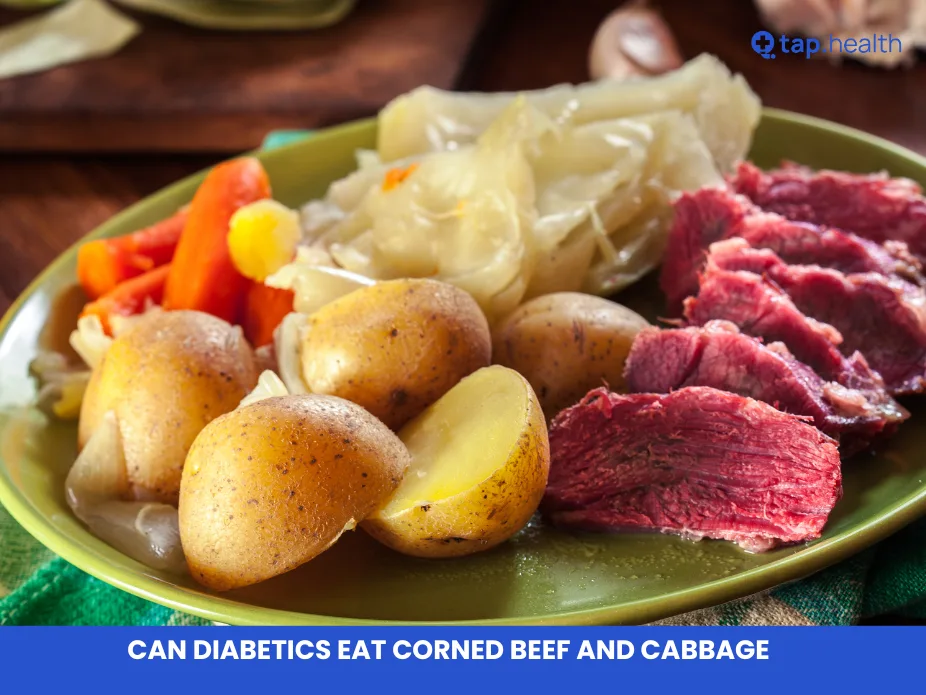
If you have diabetes—or care for someone who does—you’ve probably asked: “Can I eat corned beef and cabbage?”
It’s a classic comfort meal, especially around St. Patrick’s Day. Tender corned beef, soft cabbage, maybe some potatoes on the side—it smells amazing and feels nostalgic. But for people managing blood sugar, every bite matters.
So, is corned beef and cabbage off the menu forever?
Good news: You don’t have to give it up completely. But you do need to understand how it affects your blood sugar, what to watch out for, and how to make it diabetes-friendly.
In this guide, we’ll break down everything you need to know—using plain language, trusted health sources (like the American Diabetes Association, CDC, and Mayo Clinic), and practical tips you can use right away.
Let’s dig in—safely.
What Is Corned Beef and Cabbage, Anyway?
Before we talk diabetes, let’s clarify what this dish actually is.
Corned beef isn’t “corned” because of corn. The word “corn” here refers to large grains of salt (called “corns” of salt) used in the curing process.
Corned beef is beef brisket that’s been cured in a brine of salt, sugar, and spices (like peppercorns, bay leaves, and sometimes nitrates) for several days. This preserves the meat and gives it that signature pink color and salty flavor.
It’s then slowly simmered—often with cabbage, carrots, and potatoes—until everything is tender.
So the classic plate includes:
- High-sodium, fatty beef
- Starchy vegetables (potatoes)
- Non-starchy vegetables (cabbage, carrots)
Now, let’s see how each part affects diabetes.
How Does Corned Beef Affect Blood Sugar?
Here’s the truth: Corned beef itself doesn’t raise blood sugar much—but that doesn’t mean it’s “safe” for diabetics.
Carbs in Corned Beef? Almost None
Corned beef is pure protein and fat. It contains virtually zero carbohydrates, so it won’t spike your blood glucose directly.
But…
The Hidden Dangers: Sodium and Saturated Fat
The real concerns for diabetics are:
- Extremely high sodium: A 3-ounce serving can have 800–1,200 mg of sodium—that’s over half your daily limit if you have diabetes or high blood pressure.
- High saturated fat: Brisket is a fatty cut. Saturated fat can worsen insulin resistance and raise your risk of heart disease—which already affects 2 out of 3 people with diabetes.
The American Heart Association recommends less than 1,500 mg of sodium per day for people with diabetes or hypertension. One serving of corned beef can blow past that—especially if you eat more than a few ounces.
Bottom line: Corned beef won’t spike your sugar, but it can harm your heart and blood pressure—two things diabetics must protect.
What About Cabbage? Is It Diabetic-Friendly?
Yes! Cabbage is one of the best vegetables for people with diabetes.
Why Cabbage Is a Superfood for Diabetics
- Very low in carbs: 1 cup of cooked cabbage has only about 8 grams of carbs—and 2 of those are fiber.
- High in fiber: Fiber slows digestion and helps stabilize blood sugar.
- Packed with nutrients: Vitamin C, K, and antioxidants that fight inflammation (common in diabetes).
- Low glycemic index (GI): Doesn’t cause blood sugar spikes.
Cabbage is also cheap, filling, and versatile. You can steam it, roast it, or even eat it raw in slaw.
Verdict: Load up on the cabbage—it’s the healthiest part of the plate.
What About the Potatoes and Carrots Often Served With It?
This is where things get tricky.
Potatoes = Blood Sugar Spikes
Potatoes are high in starch, which breaks down into sugar fast. A medium baked potato has 37 grams of carbs and a high glycemic index (GI of 78–90).
For someone with diabetes, that can cause a rapid blood sugar rise—especially if eaten without protein or fat to slow digestion.
Carrots Are Better—but Still Watch Portions
Carrots are lower in carbs than potatoes (1 cup cooked = ~12 grams), but they’re still moderate-GI. In small amounts, they’re fine. But a big pile? That adds up.
Smart move: Skip the potatoes or swap them for something lower-carb (more on that soon). Limit carrots to ½ cup per serving.
Can Diabetics Eat Corned Beef and Cabbage on Special Occasions?
Yes—but with smart limits.
Diabetes isn’t about never eating your favorite foods. It’s about portion control, balance, and planning.
Here’s how to enjoy corned beef and cabbage safely:
- Stick to 3–4 ounces of corned beef (about the size of a deck of cards).
- Fill half your plate with cabbage (and other non-starchy veggies like green beans).
- Skip the potatoes or replace them with turnips, cauliflower, or radishes.
- Rinse the corned beef under cold water before cooking to remove some surface salt.
- Drink plenty of water to help flush out excess sodium.
- Check your blood sugar before and 2 hours after eating to see how your body responds.
And don’t eat it every week. Save it for holidays or special dinners.
Healthier Ways to Make Corned Beef and Cabbage for Diabetics
You don’t have to give up flavor to eat healthy. Try these diabetes-friendly upgrades:
H3: Choose Lower-Sodium Corned Beef
Some brands sell “low-sodium” corned beef (check labels). Even better: make your own brine at home with less salt and no added sugar.
Trim the Fat
After cooking, cut off visible fat from the corned beef. This reduces saturated fat significantly.
Boost the Veggies
Add more non-starchy vegetables:
- Kale
- Spinach
- Celery
- Leeks
- Bell peppers
These add volume, nutrients, and fiber—without spiking blood sugar.
Swap the Starches
Instead of potatoes, try:
- Cauliflower “potatoes”: Cut into chunks and simmer with the beef.
- Turnips or rutabaga: Lower in carbs and glycemic impact.
- Radishes: They soften when cooked and mimic potato texture.
Use Herbs, Not Salt, for Flavor
Add fresh thyme, parsley, garlic, or mustard seeds to boost taste without sodium.
What Do Experts Say? (ADA, CDC, Mayo Clinic)
Let’s check what trusted health organizations recommend:
- American Diabetes Association (ADA):“People with diabetes should limit processed meats like corned beef due to high sodium and saturated fat. If consumed, keep portions small and pair with plenty of non-starchy vegetables.”
- Centers for Disease Control and Prevention (CDC):“High sodium intake increases blood pressure, which is already a concern for many with diabetes. Choose fresh or low-sodium meats when possible.”
- Mayo Clinic:“A heart-healthy diet for diabetics includes lean proteins, plenty of vegetables, and limited processed meats. Occasional small servings are acceptable with careful planning.”
All agree: corned beef isn’t forbidden—but it’s not a health food. Treat it like an occasional treat, not a staple.
What About Canned Corned Beef? Is It Worse?
Yes—usually.
Canned corned beef (like the kind in tins) is often:
- Even higher in sodium (up to 1,500 mg per 4-ounce serving)
- Higher in preservatives and additives
- More processed, which increases heart disease risk
The World Health Organization classifies processed meats like canned corned beef as Group 1 carcinogens (linked to cancer)—another reason to limit them.
If you must use canned: Rinse it well, use only a small amount, and pair it with lots of fresh veggies.
How Much Corned Beef Is Safe for a Diabetic to Eat?
There’s no one-size-fits-all answer—it depends on your:
- Blood sugar control
- Blood pressure
- Kidney health
- Overall diet
But as a general rule:
- Limit to 3–4 ounces (85–115 grams) per serving
- Eat it no more than once a month
- Never eat it alone—always with fiber-rich veggies and water
If you have kidney disease (common in long-term diabetes), your doctor may advise avoiding it entirely due to sodium and protein load.
Always talk to your dietitian or doctor about your personal limits.
Are There Diabetic-Friendly Corned Beef Alternatives?
Yes! If you love the flavor but want something healthier, consider these swaps:
Lean Corned Beef (If Available)
Some butchers offer corned beef made from leaner cuts (like flat-cut brisket instead of point-cut). It has less fat.
Corned Turkey or Chicken
Some specialty stores sell corned turkey breast—much lower in fat and sodium. It won’t taste exactly the same, but it’s a lighter option.
Plant-Based “Corned Beef”
Brands like Upton’s Naturals make seitan-based corned “beef” that’s lower in fat and sodium (check labels). Pair with cabbage for a vegan-friendly version.
Just Eat the Cabbage!
Seriously—simmer cabbage with garlic, onion, and a splash of vinegar or mustard. It’s delicious, diabetic-safe, and comforting.
What Should Diabetics Avoid When Eating This Dish?
To stay safe, never do these things:
- Eat large portions of corned beef (>6 oz)
- Skip the veggies and eat mostly meat and potatoes
- Drink alcohol with the meal (can worsen blood sugar swings)
- Eat it late at night (harder to manage blood sugar while sleeping)
- Forget to take your diabetes meds or insulin as prescribed
Also, don’t assume “homemade = healthy.” Traditional recipes are often very high in salt and fat. Modify them!
How to Monitor Your Blood Sugar After Eating Corned Beef and Cabbage
Because everyone’s body reacts differently, test your levels:
- Before the meal: Know your starting point.
- 2 hours after eating: This is peak blood sugar time.
- Target for most adults with diabetes: under 180 mg/dL
- The next morning: Check fasting levels to see if sodium or fat affected your overnight numbers.
If your blood sugar spikes high or stays elevated, adjust your portion next time—or skip the potatoes entirely.
Can Gestational Diabetics Eat Corned Beef and Cabbage?
With extra caution.
Gestational diabetes requires tight blood sugar control for baby’s health. While cabbage is fine, corned beef poses two risks:
- High sodium can contribute to swelling and high blood pressure (preeclampsia risk)
- Saturated fat may affect insulin sensitivity
If you’re pregnant with gestational diabetes:
- Limit corned beef to 2–3 ounces max
- Skip potatoes completely
- Focus on cabbage, lean protein, and healthy fats
- Always check with your OB-GYN or dietitian first
Final Verdict: Yes, But Carefully
So—can diabetics eat corned beef and cabbage?
Yes, in moderation and with smart choices.
The cabbage? Eat plenty.
The corned beef? Small portion, occasionally.
The potatoes? Better left off the plate.
Diabetes management isn’t about deprivation. It’s about making informed choices so you can enjoy food and stay healthy.
With a few tweaks, you can still savor this traditional dish—without derailing your health goals.
Real-Life Scenario
Consider a family celebrating St. Patrick’s Day. A diabetic individual wants to enjoy the traditional corned beef and cabbage without spiking blood sugar. By filling half the plate with cabbage and other non-starchy vegetables, limiting the corned beef portion, and skipping creamy sauces or buttery sides, they can enjoy the meal safely.
Expert Contribution
Nutritionists emphasize that portion control and preparation methods are crucial. Boiling or steaming cabbage without adding butter or sugar keeps it low in calories and carbs. Choosing lean cuts of corned beef and rinsing excess sodium can reduce the impact on blood pressure and overall health.
Registered dietitians recommend pairing this meal with whole grains or legumes in small amounts if additional carbohydrates are needed for energy, ensuring balanced blood sugar levels.
Recommendations Grounded in Proven Research and Facts
- Moderate portion size: Limit corned beef to 3–4 ounces per meal.
- Emphasize vegetables: Fill at least half the plate with cabbage and other non-starchy vegetables.
- Control sodium intake: Rinse corned beef to remove excess salt.
- Avoid high-carb sides: Skip potatoes, sugary sauces, or heavy breads to prevent blood sugar spikes.
- Pair with fiber: Adding fiber-rich foods helps slow glucose absorption.
- Monitor blood sugar: Check blood sugar levels after eating to understand personal responses.
Frequently Asked Questions (FAQ) on Can Diabetics Eat Corned Beef and Cabbage?
Can diabetics eat corned beef at all?
Yes, but only in small portions (3–4 ounces) and occasionally. It’s high in sodium and saturated fat, which can worsen heart and kidney health in people with diabetes.
Is cabbage good for diabetics?
Absolutely! Cabbage is low in carbs, high in fiber, and has a low glycemic index. It helps stabilize blood sugar and is packed with nutrients.
Does corned beef raise blood sugar?
Not directly—it has almost no carbs. But its high sodium and fat content can indirectly affect insulin sensitivity and blood pressure, which are important for diabetes control.
Can I eat corned beef and cabbage if I have type 2 diabetes?
Yes, but be mindful of portion sizes. Stick to a small serving of lean corned beef, load up on cabbage, skip the potatoes, and monitor your blood sugar afterward.
What’s the healthiest way to prepare corned beef for diabetics?
Rinse the meat before cooking, trim visible fat, use low-sodium broth, and simmer with extra non-starchy vegetables like cabbage, kale, or celery. Avoid adding sugar or high-sodium seasonings.
Are there low-sodium corned beef options?
Yes—some grocery stores sell “low-sodium” corned beef. You can also make your own cure at home using less salt and no sugar.
Can I eat canned corned beef if I have diabetes?
It’s not recommended. Canned versions are usually higher in sodium and preservatives. If you must, rinse it well and use only a small amount.
How often can a diabetic eat corned beef?
No more than once a month—and only if your blood pressure, cholesterol, and kidney function are well-controlled. Always consult your healthcare provider.
What can I substitute for potatoes in corned beef and cabbage?
Try cauliflower, turnips, radishes, or rutabaga. These are lower in carbs and won’t spike blood sugar as much.
Will eating corned beef and cabbage cause a blood sugar spike?
The cabbage and corned beef alone won’t—but if you add potatoes or eat a large meat portion, you may see a delayed rise due to fat slowing digestion (known as “pizza effect”).
Is corned beef bad for diabetic kidneys?
Yes. High sodium and protein can strain kidneys, especially if you already have diabetic kidney disease. Avoid or strictly limit if your doctor advises.
Can I eat corned beef and cabbage on a low-carb diabetic diet?
Yes—with modifications. Skip potatoes and carrots, focus on cabbage and small meat portions. It can fit into a low-carb or keto-style diabetes plan.
By understanding the facts and making small, smart changes, you can enjoy traditional foods like corned beef and cabbage—without sacrificing your health. Always listen to your body, test your levels, and work with your care team to find what works best for you.