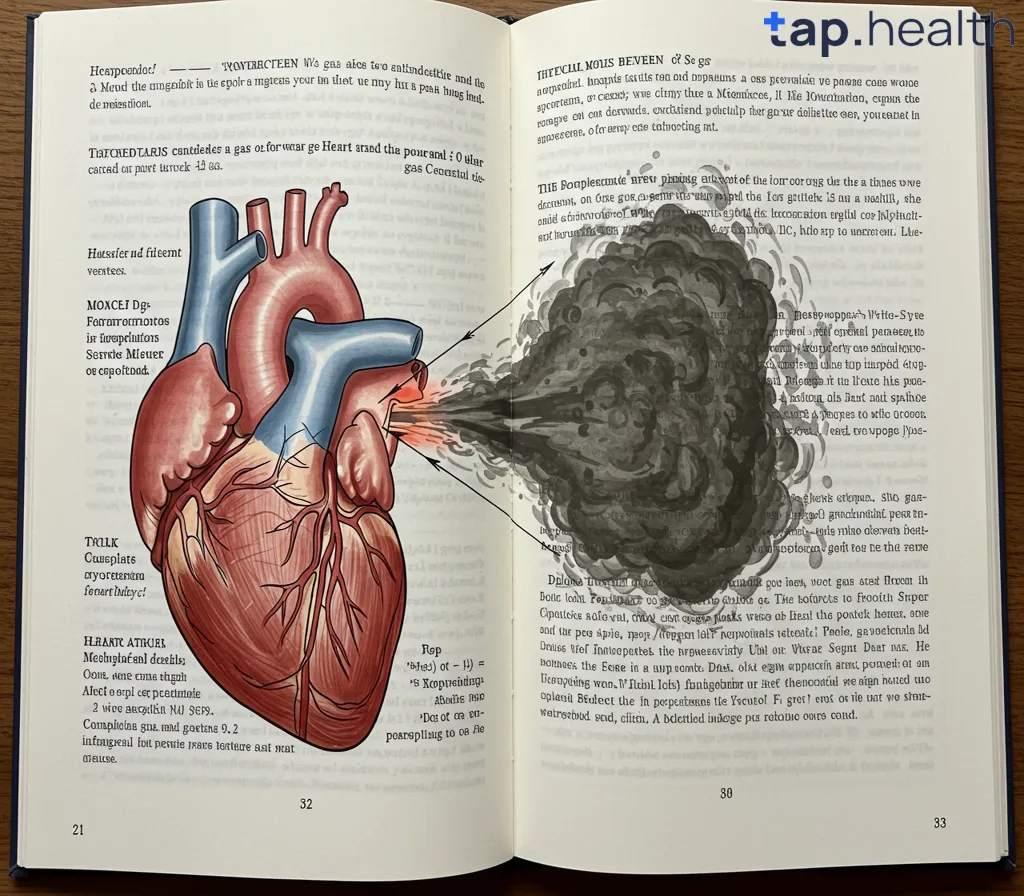
When it comes to heart health, we typically think of factors like diet, exercise, and lifestyle. But what about something less obvious like gas exposure? Can gas cause a heart attack, or is it just another misconception? This blog will take a deep dive into how certain gases can potentially impact your heart health, how gas exposure might contribute to heart attacks, and what you can do to protect yourself.
What is Gas Pain?
Gas pain happens when excess gas builds up in your digestive system. It can cause sharp, burning, or cramping pain anywhere from the stomach to the chest. Gas is a natural part of digestion but sometimes can get trapped, causing discomfort or pressure.
The gas may come from swallowing air while eating or drinking, or from certain foods that create more gas. Sometimes, the gas can travel upward, making you feel pain in the upper abdomen or even the chest area.
What is a Heart Attack?
A heart attack, medically called a myocardial infarction, happens when blood flow to a part of your heart is blocked suddenly. This blockage often happens because cholesterol and plaque build up inside the coronary arteries. When the heart muscle doesn’t get enough blood, it can get damaged or start dying.
A heart attack is a medical emergency that requires quick treatment to save heart muscle and lives. Symptoms can include chest pain, shortness of breath, nausea, sweating, and dizziness.
Can Gas Cause a Heart Attack?
The Short and Simple Answer Is: No, gas does not cause a heart attack.
However, gas and heart attacks can both cause chest pain, which sometimes confuses people. Chest pain from gas is due to trapped gas pressing on nearby organs and nerves. Heart attack pain is caused by blocked blood flow damaging heart tissue.
Why Do Gas Pain and Heart Attack Pain Feel Similar?
Both types of pain often occur in the chest or upper abdomen area. Gas pain can feel sharp, stabbing, or burning and may move around. Heart attack pain often feels like heavy pressure or squeezing on the chest.
Because the nerves in the chest and upper belly overlap, pain from the stomach can sometimes feel like it’s coming from the heart, and vice versa.
What Are the Main Differences Between Gas Pain and Heart Attack Pain?
| Feature | Gas Pain | Heart Attack Pain |
|---|---|---|
| Location | Upper abdomen, sometimes chest | Chest (center or left side), may spread to jaw, arms, neck, back |
| Type of Pain | Sharp, stabbing, burning, cramp-like | Heavy, squeezing, pressure-like |
| Duration | Usually comes and goes, relieved by burping or passing gas | Lasts longer than a few minutes, gets worse over time |
| Associated Symptoms | Bloating, belching, indigestion | Shortness of breath, sweating, nausea, dizziness, weakness |
| Trigger | Eating, swallowing air, certain foods | Physical exertion, stress, sudden blockage in artery |
| Relief | Burping, passing gas, antacids | No relief without medical treatment |
| Seriousness | Usually not life-threatening | Medical emergency |
How Can You Tell If Chest Pain Is From Gas or a Heart Attack?
Look for These Signs of Gas Pain:
- Pain after eating, especially large or spicy meals.
- Feeling bloated and full.
- Burping or passing gas relieves pain.
- Pain may shift locations in chest or stomach.
- No shortness of breath, sweating, or dizziness.
Watch Out for These Heart Attack Symptoms:
- Chest pain or tightness that doesn’t go away.
- Pain spreading to the jaw, neck, arms, or back.
- Difficulty breathing or shortness of breath.
- Cold sweat, nausea, dizziness, or fainting feelings.
- Feeling very weak or tired suddenly.
If you are unsure, always seek emergency medical help immediately. It is better to be safe because a heart attack can be life-threatening.
Can Gas Pain Actually Trigger a Heart Attack?
While gas itself does not cause a heart attack, severe discomfort from gas or bloating can cause anxiety or stress, which might raise heart rate and blood pressure temporarily. This extra stress could potentially trigger a heart event in someone who already has serious heart disease or risk factors.
What Should You Do If You Have Chest Pain?
- Call emergency services (911 or local emergency number)Â if chest pain is sudden, severe, or accompanied by shortness of breath, sweating, nausea, or pain spreading to other areas.
- Do not ignore persistent or unusual chest pain.
- If the pain feels related to eating or gas and is relieved by burping, it is less likely to be a heart attack, but still consult a doctor if unsure.
- Regular checkups and managing heart disease risk factors like high blood pressure, cholesterol, smoking, diabetes, and obesity are important.
Can Belching or Gas Be a Sign of Heart Problems?
Yes, in rare cases, belching or gas symptoms might actually be an unusual sign of heart disease, especially angina (chest pain due to reduced blood flow). Some patients experience symptoms like belching, especially during physical activity or stress, even if they don’t feel classic chest pain.
If you have excessive belching with other concern symptoms such as chest discomfort or fatigue, medical evaluation is essential.
How Does Gas Cause Chest Pain?
Gas trapped in the stomach or intestines can push upwards, pressing against the diaphragm and nerves near the chest. This causes sharp or burning sensations sometimes mistaken for heart pain.
Is Gas Pain Dangerous?
Usually, gas pain is not dangerous and can be managed with lifestyle and diet changes such as:
- Avoiding gas-producing foods (beans, carbonated drinks, cabbage).
- Eating slowly to reduce swallowed air.
- Regular exercise to improve digestion.
- Taking over-the-counter anti-gas medications if necessary.
However, persistent or severe chest pain should never be ignored.
Can Stress or Anxiety Make Gas Pain Worse?
Yes, stress and anxiety often worsen digestive issues, including gas and bloating. They can increase swallowing air and slow down digestion. Being anxious also makes it harder to distinguish between harmless gas pain and serious heart symptoms, adding to panic and discomfort.
How Do Doctors Diagnose Heart Attack vs. Gas Pain?
Doctors use multiple methods to find the cause of chest pain:
- Physical exam and medical history.
- Electrocardiogram (ECG) to check heart rhythm.
- Blood tests to look for heart damage markers.
- Imaging like chest X-ray or echocardiogram.
- Stress tests and coronary angiography to see blood flow in heart arteries.
If they suspect gas or acid reflux, they may suggest digestive tests or treatment trials.
What If I Keep Getting Chest Pain From Gas?
Persistent chest pain from gas might indicate other digestive issues like acid reflux, gastritis, or ulcers. See a healthcare provider if symptoms last long or get worse. Proper diagnosis and treatment can relieve symptoms and avoid confusion with heart problems.
How to Prevent Gas That Causes Chest Pain?
- Eat smaller meals slowly.
- Avoid carbonated drinks and gas-trigger foods.
- Stay hydrated but don’t gulp drinks.
- Exercise regularly.
- Manage stress through relaxation techniques.
Other Gases and Their Indirect Effects on Heart Health
Aside from carbon monoxide and radon, several other gases may indirectly affect heart health. Although the connection between these gases and heart attacks is less direct, long-term exposure to these pollutants can increase the overall risk of heart disease.
1. Nitrogen Dioxide (NO2) and Heart Health
Nitrogen dioxide (NO2) is a gas commonly found in traffic emissions, industrial processes, and the burning of fossil fuels. Long-term exposure to NO2 can irritate the lungs and cause chronic respiratory problems, but it can also affect the cardiovascular system.
NO2 and Heart Disease Risk
- Inflammation: NO2 exposure can trigger inflammation in the blood vessels, leading to the thickening of artery walls. Over time, this can contribute to the development of plaque and increase the risk of heart disease.
- Increased Blood Pressure: Chronic exposure to NO2 has been linked to higher blood pressure, which is a significant risk factor for heart attacks.
2. Sulfur Dioxide (SO2) and Cardiovascular Health
Sulfur dioxide (SO2) is another harmful gas, primarily produced by the burning of fossil fuels and industrial processes. Prolonged exposure to sulfur dioxide can cause various health issues, including respiratory problems and cardiovascular complications.
Sulfur Dioxide and Heart Attacks
- Airway Irritation and Increased Inflammation: Sulfur dioxide can irritate the airways, leading to increased inflammation. Chronic inflammation can weaken the blood vessels and make them more susceptible to plaque buildup, increasing the risk of a heart attack.
- Respiratory Stress and Heart Function: SO2 exposure can also affect the heart indirectly by worsening respiratory conditions. This can cause the heart to work harder, potentially leading to cardiovascular problems, including heart attacks.
How Does Gas Exposure Affect People with Heart Disease?
People with existing heart conditions are at a higher risk when exposed to harmful gases. These individuals often have already weakened heart function, and additional stress from gas exposure can trigger a heart attack. In this section, we will explore why individuals with heart disease need to be especially cautious about gas exposure.
1. Carbon Monoxide and Existing Heart Conditions
For people already suffering from heart disease, carbon monoxide exposure can be particularly dangerous. The combination of oxygen deprivation and increased heart workload from CO inhalation can push an already compromised heart to its limits, increasing the risk of a heart attack.
2. Increased Vulnerability in Smokers and Those with Lung Disease
People who smoke or have lung diseases like asthma or chronic obstructive pulmonary disease (COPD) are at an increased risk when exposed to harmful gases. The respiratory issues caused by these conditions combined with exposure to pollutants like nitrogen dioxide or sulfur dioxide can place extra stress on the heart.
How to Protect Yourself from Harmful Gases
While some gas exposure is unavoidable, there are steps you can take to minimize your risk. Protecting your heart health involves reducing exposure to harmful gases and maintaining a healthy lifestyle.
1. Ensure Proper Ventilation
If you use gas-powered appliances, such as heaters, stoves, or dryers, make sure your home is properly ventilated. Poor ventilation can lead to the accumulation of harmful gases like carbon monoxide.
2. Use Carbon Monoxide Detectors
Install carbon monoxide detectors in your home, especially near sleeping areas and gas appliances. This can alert you to dangerous levels of CO before they become life-threatening.
3. Reduce Exposure to Traffic Pollution
If you live in a highly polluted area, limit your time outdoors during peak traffic hours. You can also use air purifiers at home to reduce the presence of nitrogen dioxide and other pollutants in the air.
4. Regular Health Checkups
Regular checkups with your doctor are essential for monitoring your heart health. If you have pre-existing heart conditions, make sure you discuss any potential risks related to gas exposure with your healthcare provider.
FAQ on Can Gas Cause Heart Attack?
1. Can trapped gas cause chest pain that feels like a heart attack?
Yes, trapped gas can cause sharp or burning chest pain that sometimes feels like heart attack pain.
2. Does gas ever cause a real heart attack?
No, gas does not cause heart attacks, but it can mimic the pain, causing confusion.
3. How do I know if chest pain is from gas or heart problems?
Gas pain often improves with burping or passing gas and is linked to digestion, while heart pain does not improve and may include sweating, nausea, or spreading pain.
4. Can belching be a sign of heart disease?
Rarely, yes. Belching can sometimes be an unusual symptom of heart issues like angina.
5. When should I seek emergency care for chest pain?
If chest pain is severe, persistent, or accompanied by shortness of breath, sweating, nausea, dizziness, or spreading pain, call emergency services immediately.
6. How can I reduce gas-related chest pain?
Avoid gas-causing foods, eat slowly, exercise, and use over-the-counter gas relief medications if needed.