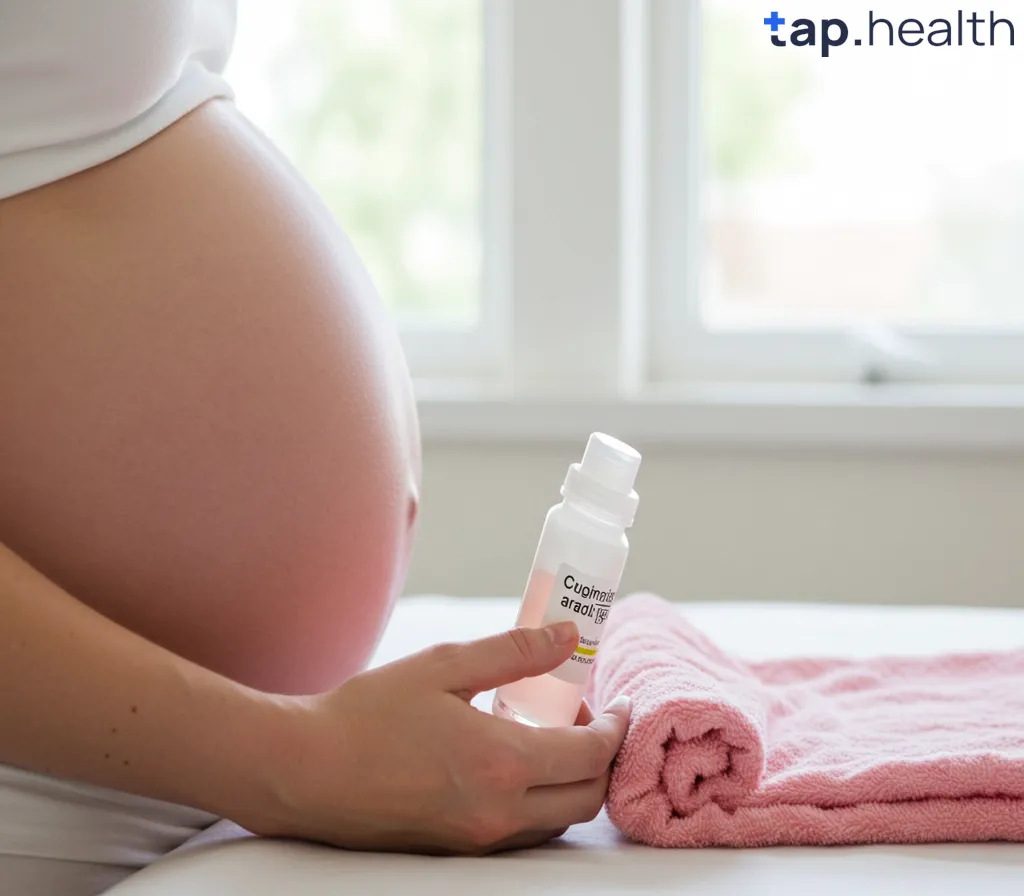
Pregnancy is a time of significant change in a woman’s body, with many expecting mothers experiencing a wide variety of physical symptoms. One of the lesser-known symptoms of pregnancy is vaginal dryness. While many women may not immediately associate vaginal dryness with pregnancy, it can be a common issue due to the hormonal changes that occur during this time. So, can pregnancy cause vaginal dryness? Yes, it certainly can.
This blog will explore the causes of vaginal dryness during pregnancy, how it affects women, potential treatments, and ways to manage it. By the end of this article, you’ll have a clear understanding of this condition, why it happens, and how to deal with it effectively.
What is Vaginal Dryness?
Before diving into how pregnancy can affect vaginal dryness, let’s first understand what vaginal dryness is and how it can impact your body.
Vaginal dryness occurs when there is insufficient moisture in the vaginal tissues, leading to discomfort, irritation, and pain during daily activities, including sexual intercourse. The vagina naturally produces lubrication to keep the tissues moist and healthy, but when this lubrication decreases or is insufficient, it can lead to dryness.
Symptoms of Vaginal Dryness
Vaginal dryness can cause various symptoms, including:
- Itching or burning sensations in the vaginal area
- Painful intercourse (dyspareunia)
- Increased vaginal irritation
- Feelings of tightness or discomfort in the vaginal region
- Frequent urination or discomfort during urination due to sensitivity in the vaginal area
While vaginal dryness is a common issue among postmenopausal women, it can also affect women during pregnancy, though it may be temporary and caused by hormonal changes.
Can Pregnancy Cause Vaginal Dryness?
Yes, pregnancy can cause vaginal dryness, and this condition is more common than many women realize. The main reason behind vaginal dryness during pregnancy is hormonal fluctuations that affect the body’s ability to produce sufficient vaginal lubrication.
How Do Hormonal Changes During Pregnancy Cause Vaginal Dryness?
Hormones play a crucial role in regulating your body’s functions, including the health and moisture levels of your vaginal tissues. During pregnancy, the body experiences a surge in certain hormones, such as progesterone and estrogen, which can affect the natural balance of moisture in your vagina.
1. Progesterone Levels During Pregnancy
Progesterone, one of the key hormones involved in pregnancy, plays a significant role in various bodily functions, including the relaxation of the muscles and the thickening of the uterine lining. However, increased progesterone can have a side effect of decreasing vaginal lubrication in some women. This leads to a feeling of dryness or tightness in the vaginal area.
2. Estrogen Levels and Vaginal Health
Estrogen is another hormone that fluctuates during pregnancy. It is responsible for maintaining the health of vaginal tissues, and when estrogen levels rise, it generally helps keep the vagina moist. However, during pregnancy, estrogen levels may not always reach the levels required to keep vaginal tissues fully hydrated, leading to temporary vaginal dryness. Estrogen also supports blood flow to the genital region, so changes in blood flow can also contribute to vaginal discomfort.
3. Increased Blood Volume and Circulation
Pregnancy causes an increase in blood volume, which generally improves circulation. However, the way blood is distributed in the body during pregnancy can cause temporary shifts in moisture production, including the vaginal area. In some women, the body may not produce as much natural lubrication due to these changes in circulation, leading to vaginal dryness.
Other Contributing Factors to Vaginal Dryness During Pregnancy
Aside from hormonal fluctuations, other factors can contribute to vaginal dryness during pregnancy. These include:
1. Medications Taken During Pregnancy
Some medications taken during pregnancy can have side effects that impact vaginal moisture levels. For example:
- Antihistamines or medications for allergies can cause dryness as a side effect.
- Antibiotics can sometimes disrupt the natural vaginal flora, leading to dryness.
- Over-the-counter decongestants can also affect vaginal moisture.
It’s always important to consult your healthcare provider before taking any medication during pregnancy to ensure it won’t have unintended side effects, including vaginal dryness.
2. Stress and Anxiety
Pregnancy can bring a lot of excitement, but it can also be a time of heightened stress, particularly in the early stages when women are adjusting to their new reality. Stress can influence your hormones, which may, in turn, contribute to symptoms of vaginal dryness.
- High levels of stress can reduce your body’s ability to relax and maintain proper lubrication.
- Anxiety or emotional stress may also affect your overall health, causing dry skin or other symptoms.
3. Dehydration
Proper hydration is crucial during pregnancy. Dehydration can lead to dry skin, lips, and even vaginal tissues. Ensuring you drink enough fluids throughout the day helps maintain proper hydration levels, which can help prevent or alleviate vaginal dryness.
Is Vaginal Dryness During Pregnancy Normal?
Vaginal dryness during pregnancy is generally considered normal and often resolves on its own after delivery. However, it can be uncomfortable and may interfere with daily activities or sexual intercourse. It’s essential to remember that every pregnancy is different, and not all women will experience vaginal dryness.
When Should You Be Concerned About Vaginal Dryness?
In most cases, vaginal dryness during pregnancy is harmless. However, if it’s accompanied by other symptoms like itching, burning, or unusual discharge, it may indicate an infection or other medical condition that needs attention. For example, a yeast infection, which is common during pregnancy, can cause symptoms similar to vaginal dryness, including itching and discomfort.
If vaginal dryness persists or becomes more severe, it’s essential to talk to your healthcare provider to rule out any potential complications.
How to Treat and Manage Vaginal Dryness During Pregnancy
If you’re experiencing vaginal dryness during pregnancy, there are several safe and effective ways to manage the discomfort and support vaginal health.
1. Use a Water-Based Lubricant
If vaginal dryness is interfering with sexual activity, using a water-based lubricant can help make intercourse more comfortable. Be sure to choose a lubricant that is safe for pregnancy, avoiding any products that contain artificial fragrances, parabens, or chemicals.
2. Stay Hydrated
Drinking plenty of water is one of the best ways to support vaginal moisture levels. Staying hydrated helps keep all of your body’s tissues, including vaginal tissues, properly lubricated. Aim to drink at least eight glasses of water per day, or more if you’re experiencing increased physical activity or warmer weather.
3. Use a Vaginal Moisturizer
Over-the-counter vaginal moisturizers are available and may help with vaginal dryness. These products are different from lubricants because they provide long-term moisture rather than a temporary solution. Look for moisturizers that are specifically formulated for vaginal use and approved for pregnancy.
4. Wear Loose, Breathable Clothing
Wearing tight or synthetic clothing can trap moisture and cause irritation, leading to dryness and discomfort. Instead, opt for loose-fitting, breathable fabrics such as cotton underwear and clothing to help keep your vaginal area cool and dry.
5. Avoid Harsh Products
Harsh soaps, fragrances, or douches can disrupt the natural balance of your vaginal flora, leading to dryness and irritation. Instead, use a mild, fragrance-free soap and warm water to clean the vaginal area. Avoid using any products that can irritate your skin or vaginal tissues.
6. Relax and Manage Stress
Since stress can contribute to vaginal dryness, it’s important to find ways to relax and manage your stress levels during pregnancy. Consider activities such as yoga, meditation, or simply resting when you need to. Taking care of your mental and emotional well-being can help support your physical health, including your vaginal health.
7. Consult Your Healthcare Provider
If you’re concerned about vaginal dryness or if it’s causing discomfort, it’s always a good idea to talk to your healthcare provider. They can help identify any underlying causes and recommend safe treatments to manage the dryness.
FAQ on Can Pregnancy Cause Vaginal Dryness? Causes, Symptoms, and Treatments Explained
Can pregnancy cause vaginal dryness?
Yes, pregnancy can cause vaginal dryness due to hormonal changes, particularly the fluctuations in estrogen and progesterone levels. These hormonal shifts affect the body’s ability to produce natural lubrication, leading to temporary dryness.
Is vaginal dryness normal during pregnancy?
Vaginal dryness is common during pregnancy and is typically harmless. It may be caused by hormonal fluctuations, stress, medications, or dehydration. It’s often temporary and resolves after pregnancy.
How can I relieve vaginal dryness during pregnancy?
You can relieve vaginal dryness by staying hydrated, using water-based lubricants or vaginal moisturizers, wearing loose clothing, avoiding harsh products, and consulting your healthcare provider for further guidance.
When should I be concerned about vaginal dryness during pregnancy?
If vaginal dryness is accompanied by other symptoms such as itching, unusual discharge, or pain, it may indicate an infection, such as a yeast infection. It’s important to consult your healthcare provider if you have any concerns.
Are there safe lubricants for pregnancy?
Yes, there are water-based lubricants that are safe to use during pregnancy. Be sure to choose a product that is free from parabens, artificial fragrances, and other harmful chemicals.
Conclusion
Vaginal dryness during pregnancy is a common, though often uncomfortable, issue caused by hormonal changes and other factors. While it’s typically a temporary condition that resolves after childbirth, there are effective treatments to help alleviate discomfort during pregnancy. Staying hydrated, using safe lubricants, and wearing breathable clothing can help manage vaginal dryness. If the symptoms are persistent or troubling, always consult with your healthcare provider for personalized advice and treatment.
By understanding the causes and remedies for vaginal dryness during pregnancy, you can enjoy a more comfortable and healthy pregnancy experience.