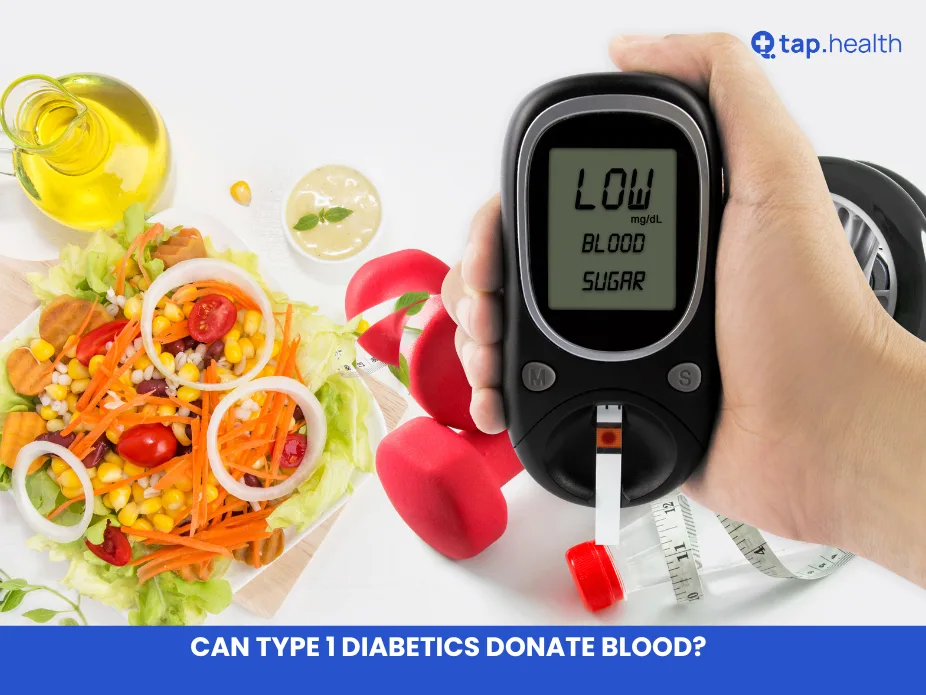
Yes — most people with Type 1 diabetes can safely donate blood provided their condition is well-controlled and they meet standard donor health requirements. Blood centers such as the American Red Cross, OneBlood, and Vitalant accept Type 1 diabetics who manage their blood sugar effectively.
Key Eligibility Criteria for Type 1 Diabetes Blood Donation
To donate blood with Type 1 diabetes, you must satisfy these core requirements:
- Stable blood glucose levels within your personal target range (usually confirmed on the day of donation)
- Age 16–17+ (varies by country/state) and weight ≥110 lbs (50 kg)
- Feeling well on donation day with no active illness
- No history of bovine (cow-derived) insulin use since 1980 (due to mad cow disease risk)
Modern synthetic or human recombinant insulin and other medications (Ozempic, GLP-1 agonists, SGLT2 inhibitors) do NOT disqualify you.
How Blood Donation Affects Blood Sugar and A1C in Type 1 Diabetes
Blood donation removes roughly 450–500 mL of blood, which can cause temporary changes:
- Many Type 1 diabetics notice slightly higher blood glucose for 3–5 days afterward (stress response + reduced red cell mass)
- Hemoglobin A1C may drop 0.2–0.5% for up to 12 weeks because new red blood cells have less glycation
- Always inform your endocrinologist about recent donations so A1C results are interpreted correctly
Best Preparation Tips for Type 1 Diabetics Before Donating Blood
- Check blood glucose 1–2 hours before leaving home — aim for 100–180 mg/dL
- Eat a low-fat, balanced meal 2–4 hours prior (avoid high-fat foods that delay iron absorption)
- Hydrate well — drink an extra 16–32 oz of water the day before and morning of
- Get good sleep and avoid intense exercise 24 hours before
- Bring your meter, fast-acting carbs, and a snack for after donation
Post-Donation Care Tips for Type 1 Diabetes Management
- Monitor glucose every 2–4 hours for the first 24 hours
- Be ready to reduce basal insulin slightly or increase carbs if you run high
- Eat iron-rich foods (lean red meat, spinach, lentils) to rebuild blood volume faster
- Avoid heavy lifting or intense workouts for 24–48 hours
- Stay extra hydrated for 3–5 days
Potential Benefits of Blood Donation for Type 1 Diabetics
Beyond helping others, regular donation may offer:
- Improved insulin sensitivity and glucose tolerance (observed 3 weeks post-donation in some studies)
- Lower ferritin levels, which is linked to better cardiovascular outcomes in diabetes
- Reduced risk of heart attack and stroke (general population data that also applies to well-managed Type 1)
Real Experiences from Type 1 Diabetics Who Donate Blood
Maria, a 17-year-old high school athlete with Type 1 diabetes, donates every 56 days and reports: “My levels actually stay more stable after donation because I pay closer attention for a few days.” Thousands of Type 1 diabetics across the U.S. donate regularly without complications when properly managed.
International Differences in Type 1 Diabetes Blood Donation Rules
- United States, Canada, Australia, India → Allowed if well-controlled
- United Kingdom, Ireland → Currently not allowed if on insulin
- Europe → Varies by country (Germany allows, France does not)
Always check your local blood service guidelines.
Quick FAQ: Type 1 Diabetes and Blood Donation
Q: Can Type 1 diabetics donate blood?
A: Yes, if diabetes is well-controlled and you meet general health criteria.
Q: Will donating blood mess up my A1C?
A: It temporarily lowers A1C for up to 3 months — tell your doctor.
Q: How soon can I donate again?
A: Every 56 days for whole blood (up to 6 times per year).
Q: Does insulin disqualify me?
A: No — only old bovine insulin from before the 1980s disqualifies donors.
Can Type 1 Diabetics Safely Donate Blood with TapHealth and Diabetes?
Yes! With good preparation, close glucose monitoring, and communication with your healthcare team, Type 1 diabetics can safely donate blood and even enjoy some metabolic benefits. Apps like TapHealth make tracking glucose trends before and after donation easier than ever.
Always confirm current eligibility with your local blood center, because rules can evolve. Your pint can save up to three lives — and well-managed Type 1 diabetes should not stop you from giving that gift.
Donating Blood With Type 1 Diabetes – Beyond Type 1
Can I Donate Blood If I Have Diabetes? – Healthline
Can Diabetics Donate Blood? – OneBlood.org
What You Need to Know About Donating Blood When You Have Diabetes – Medtronic Diabetes