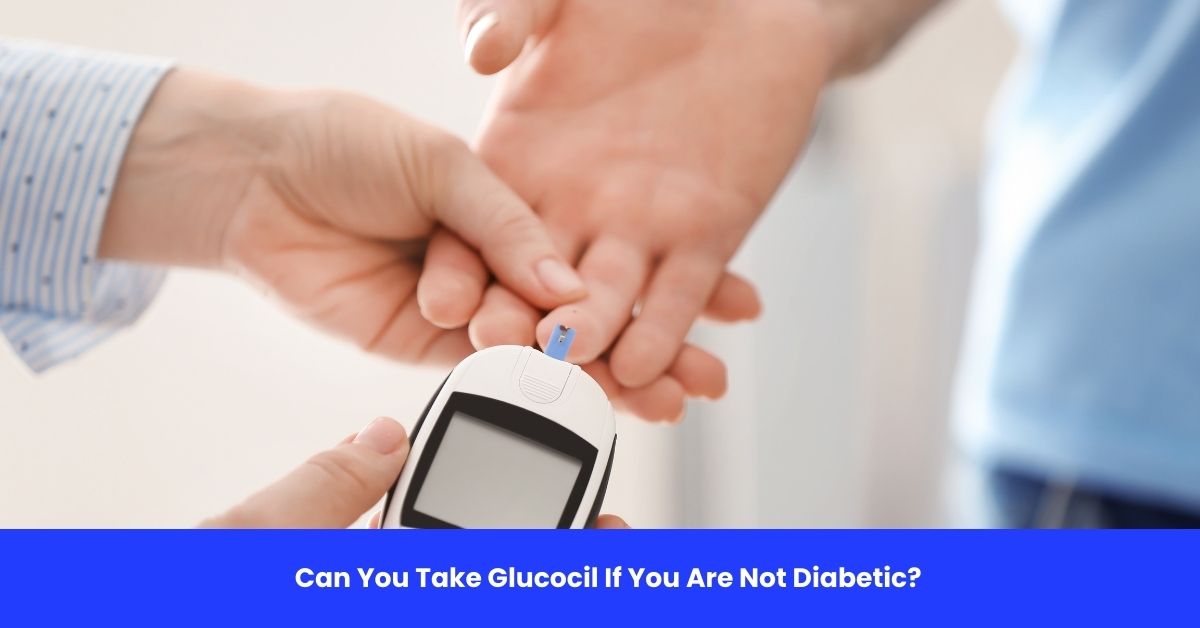
In today’s health-conscious world, dietary supplements like Glucocil have gained significant attention, especially among people looking to improve their blood sugar control. But if you’re not diabetic, you might wonder whether it’s safe or beneficial for you to take Glucocil. This question is becoming more common as people try to manage their health proactively.
Glucocil is marketed as a natural supplement that supports healthy blood sugar levels. It contains a blend of ingredients that can benefit those with type 2 diabetes, but what if you are not diabetic? Is it still safe to use, and can it offer benefits even for people with normal blood sugar levels?
In this blog post, we will explore whether taking Glucocil as a non-diabetic is a good idea, diving deep into its potential benefits, risks, and expert recommendations. We’ll also address frequently asked questions and provide you with reliable insights based on medical research.
What Is Glucocil?
Before we get into whether you should take Glucocil if you’re not diabetic, let’s first understand what Glucocil is.
Glucocil is a dietary supplement designed to support blood sugar management. It contains several active ingredients known for their potential benefits in controlling blood glucose levels. Some of the key ingredients in Glucocil include:
- Chromium: Helps the body use insulin more effectively.
- Berberine: A compound with potential blood sugar-lowering effects.
- Alpha Lipoic Acid: An antioxidant that may support insulin sensitivity and glucose metabolism.
- Cinnamon: Known for its ability to support healthy blood sugar levels.
These ingredients have been used in various forms to manage diabetes, but they may also have benefits for individuals who are looking to maintain normal blood sugar levels.
Can You Take Glucocil If You Are Not Diabetic?
The Short Answer: Yes, but with Caution
If you are not diabetic, it’s still possible to take Glucocil, but there are important factors to consider. Glucocil is primarily marketed toward people with type 2 diabetes or those who are at risk of developing the condition. However, the ingredients in Glucocil can still be beneficial for individuals who want to maintain healthy blood sugar levels, even if they don’t have diabetes.
How Does Glucocil Work for Non-Diabetics?
For non-diabetics, Glucocil may help with maintaining healthy blood sugar levels, especially if you are prone to blood sugar fluctuations. Let’s take a closer look at how Glucocil works and why it could potentially benefit you:
- Chromium: Chromium enhances the action of insulin, making it easier for your cells to absorb glucose. This may help prevent blood sugar spikes, especially after eating meals.
- Berberine: Berberine has been shown to improve insulin sensitivity, meaning it helps your body use insulin more effectively. For non-diabetics, this can help keep your blood sugar levels within a healthy range.
- Alpha Lipoic Acid: This antioxidant can improve blood flow and reduce oxidative stress, which is particularly beneficial for people looking to prevent diabetes-related complications before they arise.
- Cinnamon: Cinnamon is often used as a natural remedy for blood sugar management. For non-diabetics, cinnamon in Glucocil may help prevent blood sugar spikes after eating, which can help keep your levels steady throughout the day.
Potential Benefits of Taking Glucocil If You Are Not Diabetic
While Glucocil is mainly aimed at individuals with diabetes, there are several potential benefits for non-diabetics as well. These benefits include:
1. Preventing Blood Sugar Spikes
If you are prone to high blood sugar after meals (a common issue for many people, even without diabetes), Glucocil could help prevent these spikes. By improving insulin sensitivity and supporting healthy blood sugar metabolism, it may help your body process glucose more efficiently.
2. Supporting Healthy Metabolism
Glucocil’s ingredients work together to support a healthy metabolic rate. Maintaining good metabolism is important for overall health, as it helps regulate weight, energy levels, and the processing of nutrients in the body.
3. Managing Insulin Sensitivity
Even if you are not diabetic, you may have mild insulin resistance, especially if you’re overweight or have a family history of diabetes. Improving insulin sensitivity can help prevent the development of type 2 diabetes. Glucocil may be able to support this process, potentially reducing your risk of developing diabetes in the future.
4. Antioxidant Benefits
The antioxidant properties of Glucocil’s ingredients, particularly alpha-lipoic acid, help protect your cells from oxidative stress. Oxidative stress is associated with a variety of health issues, including inflammation and heart disease. Taking Glucocil could help protect your body from this damage and promote overall health.
Potential Risks of Taking Glucocil If You Are Not Diabetic
Although Glucocil offers several potential benefits, it’s not without risks, especially for non-diabetic individuals. Some of the risks include:
1. Hypoglycemia (Low Blood Sugar)
Since Glucocil is designed to lower blood sugar, taking it without having diabetes could potentially cause hypoglycemia (low blood sugar), especially if you are already eating a balanced diet. Symptoms of hypoglycemia include dizziness, confusion, weakness, and even fainting. If you experience any of these symptoms, it’s important to stop taking the supplement and consult your healthcare provider.
2. Drug Interactions
If you are on any medications, especially those that affect blood sugar levels or insulin, there could be a risk of interaction. Always check with your healthcare provider before starting any new supplement, including Glucocil.
3. Overuse of Supplements
Taking Glucocil as a non-diabetic without proper guidance could lead to overuse of the supplement, which might not be beneficial for your health. Like any supplement, it’s important to use Glucocil responsibly and according to the manufacturer’s instructions or your doctor’s recommendations.
Should You Take Glucocil If You Are Not Diabetic?
Consult with Your Healthcare Provider
Before deciding to take Glucocil or any supplement, it’s crucial to consult with your healthcare provider. They can assess your individual health needs and determine if this supplement is suitable for you. If you have no issues with blood sugar control, taking Glucocil might not be necessary, but it could be an option if you’re looking to maintain healthy glucose levels.
Consider Your Lifestyle and Health Goals
If you’re someone who is at risk for diabetes due to factors like family history, obesity, or poor diet, it may be worth considering supplements like Glucocil. However, lifestyle changes such as improved diet and regular exercise should remain the cornerstone of any preventative health strategy.
Real-Life Scenario
Ramesh’s Experience with Glucocil
Ramesh, a 52-year-old engineer from Bengaluru, started using Glucocil after reading about it online.
“At first, I was skeptical, but I wanted to see if it could help with my blood sugar spikes after meals,” Ramesh shares.
After three months, Ramesh noticed slight improvements in his post-meal glucose levels but emphasized that the supplement worked best when paired with regular exercise and a balanced diet. “It’s not a miracle cure, but it’s a helpful addition,” he adds.
Ramesh’s story highlights the importance of using supplements like Glucocil as part of a comprehensive health plan, rather than relying on them as a primary solution.
Expert Contribution
Insights from Dr. Priya Sharma, Endocrinologist
Dr. Priya Sharma, an endocrinologist based in Delhi, weighs in on the safety and efficacy of supplements like Glucocil for non-diabetics.
“Supplements can offer additional support, but they are not a substitute for prescribed medications or lifestyle changes. Ingredients like chromium and alpha-lipoic acid have shown promise in studies, but their effects can vary among individuals,” Dr. Sharma explains.
Dr. Sharma advises patients to discuss supplements with their doctors to avoid interactions with medications or potential side effects, particularly for those who are not diabetic.
Recommendations Grounded in Proven Research and Facts
If you’re considering taking Glucocil, keep these tips in mind:
1. Consult Your Doctor
Always discuss supplements with your healthcare provider to ensure they are safe and won’t interfere with your medications or treatment plan.
2. Start with a Small Dose
Begin with the recommended dosage and monitor your body’s response. Watch for side effects and discontinue use if necessary.
3. Focus on Lifestyle Changes
Supplements work best when combined with:
- Healthy Eating: A diet rich in whole grains, vegetables, lean proteins, and healthy fats.
- Regular Exercise: Walking, yoga, or light cardio can improve insulin sensitivity.
- Stress Management: Practices like meditation or deep breathing can stabilize blood sugar levels.
4. Monitor Your Blood Sugar Levels
Track your blood sugar regularly to see if Glucocil or other supplements are making a positive impact.
5. Avoid Over-Reliance on Supplements
Remember that supplements are just one piece of the puzzle. Medications, diet, and exercise remain the cornerstones of diabetes management.
Frequently Asked Questions (FAQs) on Can You Take Glucocil If You Are Not Diabetic?
1. Can I Take Glucocil Even If I Don’t Have Diabetes?
Yes, you can take Glucocil even if you’re not diabetic, but it’s important to consult your doctor before starting any supplement. It can help support healthy blood sugar levels and improve insulin sensitivity, which may benefit non-diabetics as well.
2. Are There Any Side Effects of Taking Glucocil If I’m Not Diabetic?
While Glucocil is generally safe, it may cause side effects like low blood sugar (hypoglycemia) in people who do not need it. It’s crucial to monitor your blood sugar levels and consult a healthcare provider if you notice symptoms of hypoglycemia.
3. Can Glucocil Help Prevent Diabetes?
Glucocil can potentially help prevent diabetes by improving insulin sensitivity and preventing blood sugar spikes. However, it is not a cure or substitute for lifestyle changes like diet and exercise, which are the most effective ways to prevent diabetes.
4. How Long Should I Take Glucocil?
The duration of Glucocil use depends on individual health goals and advice from your healthcare provider. If you’re taking it for general health and blood sugar management, you may take it long-term under supervision.
5. Is Glucocil Safe for Pregnant Women or Children?
Pregnant women and children should not take Glucocil unless specifically prescribed by a healthcare provider. Always consult your doctor before starting any supplement during pregnancy or for children.
Conclusion
While Glucocil is primarily marketed to people with diabetes, it may also offer benefits to non-diabetic individuals looking to maintain healthy blood sugar levels. By improving insulin sensitivity, preventing blood sugar spikes, and providing antioxidant support, Glucocil can be a helpful addition to your health routine. However, it’s important to use it responsibly and under the guidance of a healthcare provider, especially if you are not diabetic.
Remember, supplements should complement a healthy lifestyle, not replace it. Maintaining a balanced diet, exercising regularly, and managing stress are key components of keeping your blood sugar levels stable and preventing future health issues.