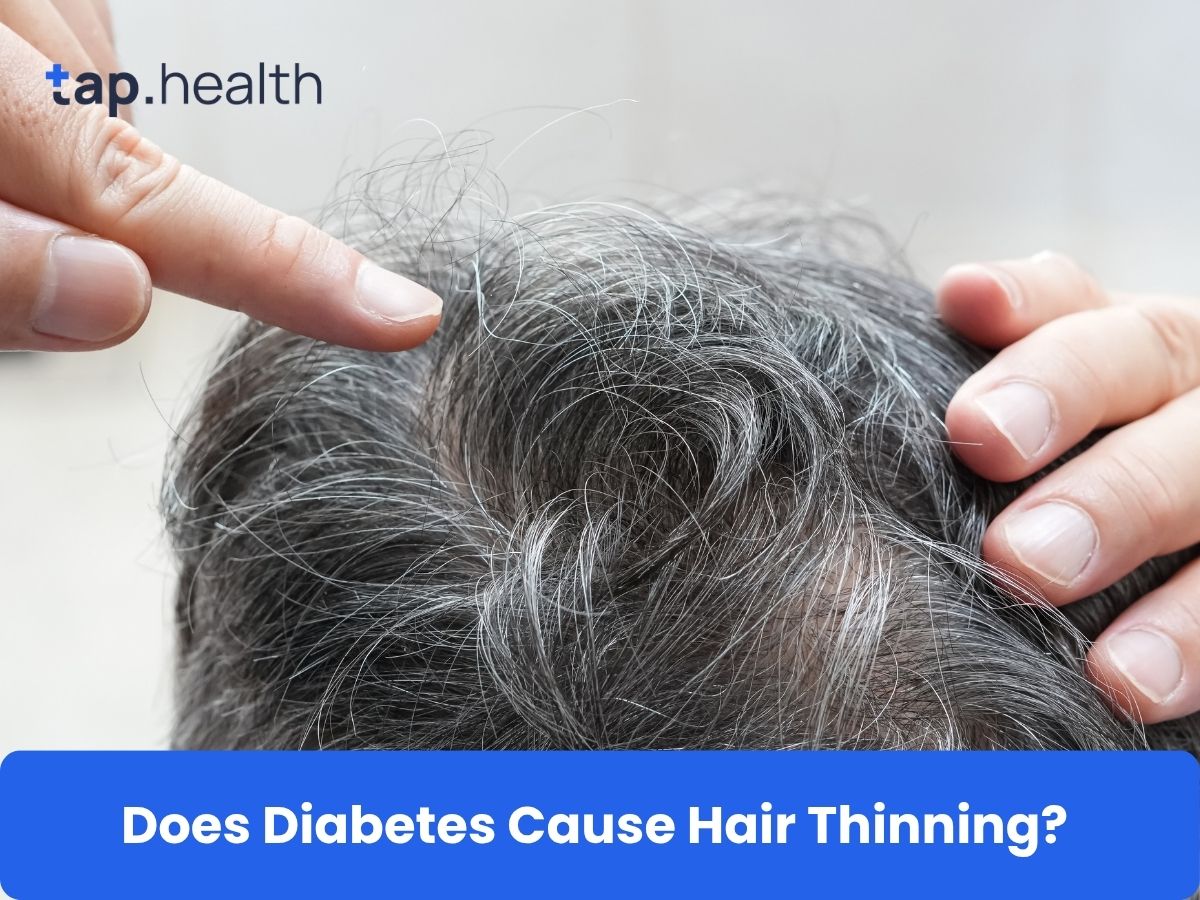
If you have been noticing more hair in your brush or thinner patches on your scalp, you might be wondering about the connection with your blood sugar levels. Many people ask the same question: does diabetes cause hair thinning? The short answer is yes, there is a clear link between diabetes and hair loss.
Hair loss can be distressing for anyone, but it becomes even more concerning when you are managing a chronic condition like diabetes. Understanding why this happens and what you can do about it makes a huge difference. This guide will walk you through everything you need to know about diabetes and hair thinning, backed by medical research and expert advice.
Understanding the Connection Between Diabetes and Hair Thinning
Diabetes affects how your body processes sugar and produces insulin. When blood sugar levels remain high for extended periods, it can damage various organs and systems throughout your body. Your hair follicles are not exempt from this damage.
The hair growth cycle normally consists of four phases. The active growing phase lasts for two years or more, during which hairs grow about one centimetre each month. After a transition period, hair enters a resting phase that lasts up to four months. Some resting hair then falls out naturally.
Diabetes can interrupt this natural process in several ways. High blood sugar levels can slow down hair growth and cause you to lose more hair than usual. This hair loss does not only affect your head. You can lose hair on your arms, legs, and other body parts too.
How High Blood Sugar Damages Hair Follicles
Uncontrolled or untreated diabetes can result in persistently high blood sugar levels. This excess sugar damages blood vessels throughout your body, including the small vessels in your scalp. When blood vessels become damaged, they cannot deliver enough oxygen and nutrients to your hair follicles.
Think of your hair follicles like plants in a garden. Just as plants need water and nutrients from the soil to grow, your hair follicles need oxygen and nutrients from your blood. When blood flow is restricted due to damaged vessels, the follicles cannot function properly. This deficiency negatively impacts the normal growth cycle of hair follicles, which leads to hair loss.
The Role of Insulin in Hair Growth
Insulin plays a crucial role in the hair growth cycle. Research shows that without adequate insulin, hair follicles move more quickly into the resting phase. This alteration reduces hair growth and can lead to hair thinning. This may be one reason why people with Type 1 diabetes experience hair loss.
People with Type 2 diabetes experience insulin resistance, which means cells have trouble responding to insulin properly. As a result, your body may overproduce insulin to try and send a stronger signal to your cells. Researchers believe that high insulin levels cause hormone changes that lead to hair loss. Studies have shown that people with insulin resistance are more likely to have patterned hair loss.
Types of Hair Loss Associated with Diabetes
Hair loss from diabetes can show up in different ways. Understanding what type you are experiencing helps determine the best treatment approach.
Patterned Hair Loss
Patterned hair loss is also called androgenic alopecia. It starts as thinning at the front and sides of the scalp in men. In women, it often shows up as thinning on the crown of the head. This type of hair loss is linked to insulin resistance and hormone changes.
Patchy Hair Loss
Patchy hair loss occurs when hair falls out in specific areas. People with Type 1 diabetes are at higher risk for developing alopecia areata, an autoimmune condition that causes patchy hair loss. With alopecia areata, the immune system attacks healthy hair follicles by mistake. This causes patchy hair loss on the head, arms, and other areas where hair usually grows.
Overall Hair Thinning
Hair thinning develops all over the scalp and is more even and spread out compared to patterned or patchy hair loss. This type of thinning happens when diabetes disrupts the normal hair growth cycle. More hair enters the resting phase than usual, leading to increased shedding.
Hair Loss on Legs and Other Body Parts
Yes, diabetes can cause hair loss on your legs. This happens because diabetes increases your risk of developing peripheral artery disease. Peripheral artery disease occurs when blood vessels have trouble sending enough oxygen and nutrients to your limbs. One sign of this condition is hair loss on your legs. This is especially important to report to your doctor because it could indicate poor blood flow.
Does Type 1 Diabetes Cause Hair Thinning?
People with Type 1 diabetes may experience hair loss or thinning, though this is not a well-established symptom of Type 1 diabetes. Type 1 diabetes is an autoimmune disease and is associated with other autoimmune conditions like alopecia areata.
Hair loss after a Type 1 diabetes diagnosis is almost always a temporary condition called telogen effluvium. This stress-related hair loss develops when more hair follicles than usual enter the resting phase. With balanced blood sugars, stress management, and proper nutrition, hair typically grows back.
Those with Type 1 diabetes have a higher risk of developing alopecia areata, which causes a patchy type of hair loss. They are also at higher risk for developing autoimmune thyroiditis, which can cause hair loss if it is not treated.
Does Type 2 Diabetes Cause Hair Thinning?
Type 2 diabetes has a stronger documented connection to hair thinning than Type 1 diabetes. A large study found that Type 2 diabetes was associated with a 68% increased risk of severe central scalp hair loss in African American women. The risk was higher among women who had diabetes for longer periods.
The findings from this large study support the hypothesis that Type 2 diabetes increases the risk of severe central scalp hair loss. Patients with Type 2 diabetes should be followed closely for hair loss symptoms. This is because the insulin resistance associated with Type 2 diabetes directly affects the hair growth cycle.
Can Prediabetes Cause Hair Thinning?
Yes, there is evidence that insulin resistance or prediabetes can increase the risk of hair loss. Some studies have found an association between androgenetic alopecia and insulin resistance. Although the pathways involved are not completely clear, there is growing evidence of this connection.
Hair follicle characteristics may even serve as early markers of Type 2 diabetes. This means that hair thinning could potentially be an early warning sign of developing diabetes. If you notice unexplained hair thinning along with other symptoms like increased thirst or fatigue, it is worth discussing blood sugar testing with your doctor.
Real-Life Scenario
Consider the case of Priya, a 42-year-old woman from Mumbai who was diagnosed with Type 2 diabetes three years ago. She started noticing her hair becoming thinner about six months after her diagnosis. At first, she thought it was just stress from managing her new health condition.
Priya visited her endocrinologist who explained that her HbA1c levels had been running high at 8.5%. Her doctor told her that uncontrolled blood sugar was likely contributing to her hair thinning. Together, they worked on a plan to bring her blood sugar under better control through medication adjustments, dietary changes, and regular exercise.
Within four months of improving her blood sugar management, Priya noticed less hair falling out during her daily hair care routine. After eight months, she began seeing new hair growth in the thinner areas. Her experience shows that managing diabetes effectively can make a real difference in hair health.
Why Does Diabetes Cause Hair Loss?
Multiple factors contribute to hair loss in people with diabetes. Understanding these causes helps you address the root problem rather than just treating symptoms.
Poor Blood Circulation
High blood sugar damages blood vessels over time. This is why people with diabetes have a higher risk for developing heart disease and stroke. The same damage occurs to small blood vessels in your scalp. Damaged blood vessels deliver less blood to your body, and less nutrients and oxygen to your hair follicles. This leads to hair follicle damage, and damaged hair follicles cannot grow hair properly.
Hormonal Imbalances
Diabetes can disrupt hormonal balance, affecting the hair growth cycle. When the normal cycle is altered, hair may enter the resting phase prematurely. Persistent stress from managing diabetes can cause hormone fluctuations that affect hair growth.
Autoimmune Connection
People with Type 1 diabetes are more likely than people without this condition to develop alopecia areata. This autoimmune condition causes the immune system to attack healthy hair follicles. The connection between Type 1 diabetes and other autoimmune conditions is well-documented.
Medication Side Effects
Some types of diabetes medication have been associated with hair loss, although the evidence is usually anecdotal. Metformin, one of the most common diabetes medications, can indirectly affect hair loss if taken long-term. Metformin may deplete the body of certain nutrients like vitamin B12, which can contribute to hair loss.
Hair loss in metformin users is more likely related to underlying conditions such as vitamin B12 deficiency from long-term use. While there is no proven direct association between metformin leading to hair loss, there is research that suggests an indirect link.
Physical and Emotional Stress
Diabetes can put a great deal of stress, both physical and emotional, on a person’s body. A serious or sudden illness can lead to telogen effluvium, a form of stress-related hair loss. This causes hair thinning and temporary hair loss. Hair follicles will switch back into a normal growth phase, but this can take weeks to months.
Nutritional Deficiencies
People with diabetes may have lower than recommended levels of biotin. Biotin, also known as vitamin B7 or vitamin H, is important for healthy hair growth. Some people with diabetes have lower levels of biotin in their body. Long-term high blood sugar may cause hair follicle damage and shorten hair growth, making your hair thinner.
Will Hair Loss from Diabetes Grow Back?
In some cases, hair loss is reversible. Several treatments are available, though most work only while you continue using them. One study found that treating insulin resistance with tirzepatide helped people grow their hair back. Another case report found that starting therapy with insulin helped reverse hair loss.
Some people can slow or stop hair loss that results from diabetes. The most effective way to do this is by maintaining good control of blood sugar levels and managing stress. Once blood sugar management is improved, you should notice a reduction in hair loss. You will lose fewer hairs and regrow more of the ones you have lost.
However, even when hair loss treatments are effective, most of them are temporary solutions. This is why managing your diabetes remains the most important step.
How to Stop Hair Loss from Diabetes
There are several proven strategies to help stop and reverse diabetes-related hair loss. A combination approach works best for most people.
Optimal Diabetes Management
Managing diabetes through medication, diet, and exercise can improve blood sugar levels, which may reduce hair loss and promote hair regrowth. You can control your blood sugar by monitoring your blood sugar levels regularly. Take all medications as your doctor directs. Eat a balanced and healthful diet. Exercise regularly.
Topical Medications
Minoxidil (Rogaine) is a popular over-the-counter treatment for hair loss. A person applies the medication directly to the areas where hair loss has occurred. Both males and females can use minoxidil. It is essential to follow the instructions on the label to get maximum benefit and avoid unwanted side effects.
Prescription Medications
Finasteride (Propecia) is a prescription medication for treating hair loss in adult males. It is available as an oral tablet that a person needs to take daily. The FDA has not approved finasteride for use by females. For alopecia areata, a doctor may recommend steroid injections, a steroid tablet, or another oral immunosuppressant.
Nutritional Support
Foods that are rich in biotin include whole eggs, liver and kidney, nuts including almonds and walnuts, salmon, avocado, sweet potato, cauliflower, and yeast. It is also possible to purchase biotin supplements. However, people have very different biotin needs, and too much can be harmful. Always speak to a doctor before taking these supplements.
Stress Management
Strategies that can help minimise and manage stress include seeking the support of friends and family. Having counselling or cognitive behavioural therapy can help. Practising mindfulness and using relaxation techniques such as meditation, yoga, and deep-breathing exercises are also beneficial.
Regular Exercise
Although exercise may not prevent or reverse hair loss directly, it can help the body maintain good blood circulation. Regular exercise can help increase blood flow to different parts of the body, including the hair follicles. It can also help a person control their blood sugar levels. Great exercises to try include walking, swimming, weightlifting, calisthenics, and yoga.
Scalp Care
You can support hair regrowth by choosing products that keep your scalp healthy. Avoid shampoos with harsh ingredients like formaldehyde or DMDM hydantoin, which may cause more hair loss. Instead, consider using shampoos with pyrithione zinc or selenium sulfide. These ingredients have been shown to help reduce dandruff, which may also help with hair growth.
Expert Contribution
Dr. Rajesh Kumar, a senior endocrinologist at Apollo Hospitals in Delhi, explains that hair thinning in diabetes patients is more common than people realise. “We see this connection regularly in our clinic,” he says. “When patients bring up hair loss concerns, we always check their HbA1c levels first.”
According to Dr. Kumar, the key is early intervention. “If you catch the hair thinning early and get your blood sugar under control, there is a good chance of reversal,” he notes. “But if you wait too long, the follicles may become permanently damaged.”
Dermatologist Dr. Meera Patel adds that combination therapy often works best. “We treat both the diabetes and the hair loss simultaneously,” she explains. “This means working with your endocrinologist on blood sugar control while using topical treatments like minoxidil for the hair itself.”
Both experts emphasise that patience is essential. Hair growth is a slow process, and you may not see results for three to six months after starting treatment.
Recommendations Grounded in Proven Research and Facts
Based on current medical research and expert consensus, here are evidence-based recommendations for managing diabetes-related hair thinning:
First Priority: Blood Sugar Control Multiple studies confirm that good blood sugar control may help slow or stop diabetes hair loss. Research shows that treating insulin resistance can lead to hair regrowth. This should always be your first step before trying other treatments.
Second Priority: Medical Evaluation Talk with your doctor if you are having any bothersome diabetes symptoms, including hair loss. Hair loss from your arms and legs is especially important to report because it could be a symptom of poor blood flow. Your healthcare team can evaluate you for any other causes of hair loss.
Third Priority: Combined Treatment Approach Various treatments and remedies can help compensate for diabetes-related hair loss. These include medications like minoxidil and finasteride, biotin supplements, and lifestyle changes. Using multiple approaches together typically produces better results than relying on one treatment alone.
Fourth Priority: Patience and Consistency Hair growth takes time. Most treatments require three to six months before you see noticeable results. Consistency with both your diabetes management and hair loss treatments is crucial for success.
Fifth Priority: Regular Monitoring Patients with Type 2 diabetes should be followed closely for hair loss symptoms. Regular check-ups allow your doctor to adjust your treatment plan as needed and catch any complications early.
Female Diabetes Hair Loss
Women with diabetes may experience unique hair loss patterns. In women, patterned hair loss often shows up as thinning on the crown of the head. A large study found that Type 2 diabetes was associated with an increased risk of severe central scalp hair loss in African American women.
Women should also be aware that finasteride is not approved for female use. However, minoxidil is safe and effective for women. If you are pregnant or planning to become pregnant, discuss all hair loss treatments with your doctor first.
Can Diabetes Cause Hair Loss in Men?
Yes, diabetes can cause hair loss in men. Men with diabetes may notice patterned hair loss starting at the front and sides of the scalp. Men can also take finasteride, which is approved for male hair loss treatment.
Men with diabetes should also watch for hair loss on their legs, as this could indicate peripheral artery disease. This is an important warning sign that should not be ignored.
Diabetes Medication and Hair Thinning
Some people worry that their diabetes medication might be causing hair loss. While some types of diabetes medication have been associated with hair loss, the evidence is usually anecdotal. Hair loss is not officially listed as a side effect of metformin.
If you suspect your medication is contributing to hair loss, do not stop taking it without consulting your doctor. Your doctor may be able to recommend an alternative treatment method or adjust your dosage.
When to See a Doctor
People with diabetes should see a doctor regularly for check-ups. Individuals with particular concerns about hair loss should ask the doctor for recommendations on how to reduce or stop hair loss. It is vital to speak to a healthcare professional before taking any new medications or supplements or making any significant lifestyle changes.
You should also seek medical attention if you experience any adverse reactions to your hair loss treatment. A person should report hair loss from arms and legs especially, as it could indicate poor blood flow.
Key Takeaways
Diabetes can cause hair thinning through multiple mechanisms including poor blood circulation, hormonal imbalances, and autoimmune connections. Both Type 1 and Type 2 diabetes can contribute to hair loss, though Type 2 has a stronger documented link. Hair loss from diabetes can affect the scalp, arms, legs, and other body parts.
The good news is that hair loss from diabetes can often be reversed with proper management. Controlling blood sugar levels remains the most important step in stopping and reversing hair thinning. Combining diabetes management with targeted hair loss treatments produces the best results.
If you are experiencing hair thinning and have diabetes, speak with your healthcare team about your options. They can help evaluate you for other causes of hair loss and find the best treatment to support hair regrowth. With patience, consistency, and proper medical care, many people see improvement in their hair health.
Frequently Asked Questions
How to Stop Hair Loss from Diabetes?
The best way to stop hair loss from diabetes is to control your blood sugar levels through medication, diet, and exercise. You can also use topical treatments like minoxidil and take biotin supplements after consulting your doctor. Managing stress and maintaining good circulation through regular exercise also helps.
What Does Diabetes Hair Loss Look Like?
Diabetes hair loss can appear as overall thinning, patterned loss at the crown or front of the scalp, or patchy loss in specific areas. It can also affect hair on your arms and legs. The pattern depends on the underlying cause, whether it is hormonal, circulatory, or autoimmune.
Will Hair Loss from Diabetes Grow Back?
Yes, hair loss from diabetes can grow back with proper treatment. Improving blood sugar control is the most effective way to promote regrowth. Most people see results within three to six months of starting treatment.
Does Diabetes Cause Hair Loss on Legs?
Yes, diabetes can cause hair loss on legs due to poor circulation and peripheral artery disease. This is an important symptom to report to your doctor as it may indicate blood flow problems. Leg hair loss should not be ignored in people with diabetes.
<h3>Can Diabetes Cause Hair Loss in Men?</h3>
Yes, diabetes can cause hair loss in men, often showing as patterned thinning at the front and sides of the scalp. Men with diabetes can use treatments like finasteride which is approved for male hair loss. Men should also watch for leg hair loss as a sign of circulation issues.
Does Type 1 Diabetes Cause Hair Thinning?
Type 1 diabetes can cause hair thinning, often through autoimmune conditions like alopecia areata. Hair loss after Type 1 diabetes diagnosis is usually temporary telogen effluvium. With balanced blood sugars and proper care, hair typically grows back.
<h3>Does Prediabetes Cause Hair Thinning?</h3>
Yes, there is evidence that insulin resistance and prediabetes can increase the risk of hair loss. Hair follicle characteristics may even serve as early markers of developing Type 2 diabetes. If you notice unexplained hair thinning, consider getting your blood sugar tested.
Does Diabetes Medication Cause Thinning Hair?
Some diabetes medications have been associated with hair loss, but evidence is mostly anecdotal. Metformin may indirectly affect hair through nutrient depletion like vitamin B12 deficiency. Never stop medication without consulting your doctor first.
References
- Healthline – Does Diabetes Cause Hair Loss?
- Medical News Today – Does Diabetes Cause Hair Loss?
- Mayo Clinic – Diabetes Symptoms and Complications
- NHS – Type 2 Diabetes
- PubMed – Association of Type 2 Diabetes with Central-Scalp Hair Loss
- Beyond Type 1 – Can Diabetes Affect Your Hair Growth?
- Harvard Health – Diabetes Management
- World Health Organization – Diabetes Fact Sheet
- WebMD – Diabetes and Hair Loss Connection
Disclaimer: This article is for informational purposes only and should not replace professional medical advice. Always consult with your healthcare provider before making any changes to your diabetes management or starting new treatments for hair loss.h blood sugar may cause hair follicle damage and shorten hair growth, making your hair thinner