Pregnancy can bring many changes to a woman’s body, some of which are more serious than others. Two conditions that can arise during pregnancy are gestational diabetes and preeclampsia. But do these two conditions have a connection? Does gestational diabetes cause preeclampsia?
In this article, we’ll explore the relationship between gestational diabetes and preeclampsia, discuss their symptoms, risk factors, and complications, and look at what steps pregnant women can take to prevent these conditions from affecting their health. Understanding these two conditions is vital for expecting mothers, as they both require careful management to ensure a safe pregnancy for both the mother and the baby.
What is Gestational Diabetes?
Gestational diabetes is a type of diabetes that develops during pregnancy. Unlike Type 1 or Type 2 diabetes, gestational diabetes is temporary and occurs when the body cannot produce enough insulin to meet the increased needs during pregnancy. As a result, blood sugar levels rise, which can lead to complications if not managed properly.
Causes of Gestational Diabetes
During pregnancy, the placenta produces hormones that can make the body less responsive to insulin. This is a normal part of pregnancy. However, in some women, the pancreas is not able to produce enough extra insulin to compensate for this increased resistance. As a result, blood sugar levels become elevated, causing gestational diabetes.
Risk Factors for Gestational Diabetes
Some women are at higher risk of developing gestational diabetes, including those who:
- Are overweight or obese
- Are over the age of 25
- Have a family history of diabetes
- Have had gestational diabetes in a previous pregnancy
- Are of African American, Hispanic, Native American, or Asian American descent
What is Preeclampsia?
Preeclampsia is a pregnancy-related condition that causes high blood pressure and damage to organs, often the kidneys, during pregnancy. Preeclampsia can occur after the 20th week of pregnancy and can lead to severe complications if not properly managed.
Causes of Preeclampsia
The exact cause of preeclampsia is not fully understood, but it is believed to be related to problems with blood vessels in the placenta. These problems can lead to reduced blood flow to the placenta, which affects the growth and health of the baby and the mother’s organs. High blood pressure caused by preeclampsia can also result in complications for both mother and child.
Symptoms of Preeclampsia
Common symptoms of preeclampsia include:
- High blood pressure
- Swelling in the hands and face
- Sudden weight gain
- Headaches
- Vision changes
- Pain in the upper abdomen, especially on the right side
Preeclampsia can range from mild to severe and requires careful monitoring by healthcare professionals to ensure the safety of both the mother and baby.
Does Gestational Diabetes Cause Preeclampsia?
Yes, gestational diabetes can increase the risk of preeclampsia.
The Connection Between Gestational Diabetes and Preeclampsia
Yes, gestational diabetes can increase the risk of developing preeclampsia. Studies show that women who have gestational diabetes are more likely to develop high blood pressure and preeclampsia compared to those who don’t have gestational diabetes.
The reason for this connection is not entirely clear, but it is believed that the following factors play a role:
- Blood Pressure Changes: Elevated blood sugar in women with gestational diabetes can affect the blood vessels and cause inflammation, leading to high blood pressure, which is one of the hallmarks of preeclampsia.
- Placental Blood Flow: Both gestational diabetes and preeclampsia involve problems with blood flow to the placenta. In gestational diabetes, high blood sugar can damage the blood vessels, and in preeclampsia, poor blood flow to the placenta causes complications. These overlapping issues may increase the risk of both conditions.
- Increased Inflammation: Gestational diabetes may lead to higher levels of inflammation in the body, which has been linked to both high blood pressure and preeclampsia.
Research on Gestational Diabetes and Preeclampsia
Several studies have indicated that women with gestational diabetes are at a higher risk of developing preeclampsia during pregnancy. One study published in the Journal of Clinical Endocrinology & Metabolism found that women with gestational diabetes had a 3 to 5 times higher risk of developing preeclampsia compared to women without gestational diabetes.
Symptoms of Gestational Diabetes and Preeclampsia
Both gestational diabetes and preeclampsia have symptoms that require attention, but some symptoms overlap. Here’s how to recognize the symptoms of each condition:
Gestational Diabetes Symptoms
- Increased thirst and urination
- Fatigue
- Blurred vision
- Increased hunger
- Nausea and vomiting
Preeclampsia Symptoms
- High blood pressure (can be detected during a doctor’s visit)
- Swelling, especially in the hands and face
- Sudden weight gain (more than 5 pounds in a week)
- Severe headaches
- Blurred vision or seeing spots
- Pain in the upper right side of the abdomen
If you notice any of these symptoms, it’s crucial to contact a healthcare provider immediately. Early detection and treatment can help prevent severe complications for both mother and baby.
Risk Factors for Both Gestational Diabetes and Preeclampsia
Certain factors increase the risk of both gestational diabetes and preeclampsia. These risk factors include:
- Obesity: Being overweight increases the likelihood of developing both conditions.
- Age: Women over the age of 35 are at a higher risk for both gestational diabetes and preeclampsia.
- First-time pregnancy: Women who are pregnant for the first time are more likely to experience both gestational diabetes and preeclampsia.
- Family history: A family history of diabetes or preeclampsia increases the risk of developing these conditions during pregnancy.
How to Manage Gestational Diabetes and Prevent Preeclampsia
Managing Gestational Diabetes
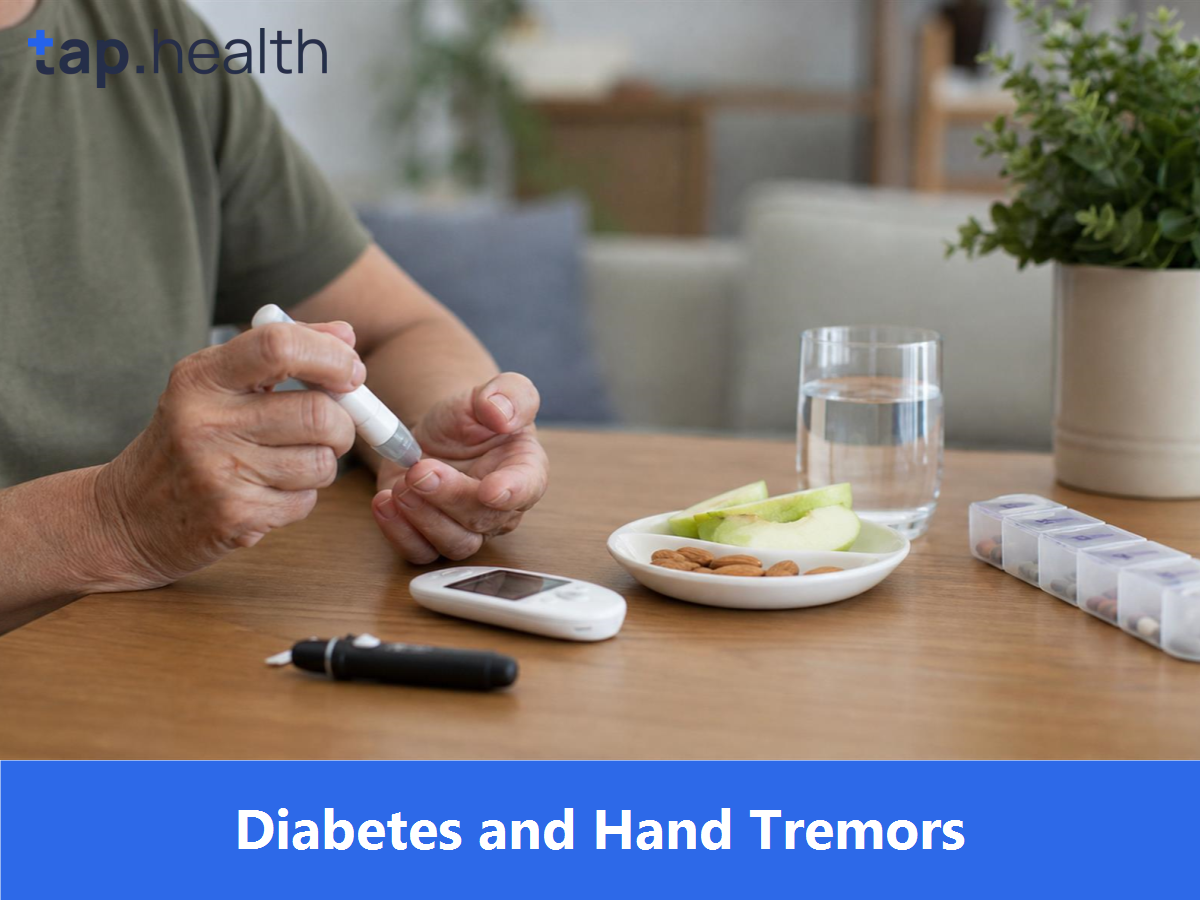
Gestational diabetes can often be managed with a combination of healthy eating, regular physical activity, and monitoring blood sugar levels. Here’s how to manage gestational diabetes:
- Monitor Blood Sugar Levels: Regular blood sugar testing will help keep track of your glucose levels. Your doctor will provide you with a target range and guidelines for managing your levels.
- Follow a Healthy Diet: Eating a balanced diet that includes whole grains, lean proteins, fruits, and vegetables will help keep blood sugar stable. Avoid sugary foods and processed carbs.
- Exercise: Regular physical activity can help lower blood sugar levels. Talk to your healthcare provider about safe exercises during pregnancy.
- Take Medication: If diet and exercise don’t control blood sugar, your doctor may prescribe insulin or oral medications to help manage gestational diabetes.
Preventing Preeclampsia
While preeclampsia can’t always be prevented, there are steps you can take to reduce your risk:
- Monitor Blood Pressure: Regular check-ups with your healthcare provider will ensure that your blood pressure is monitored throughout your pregnancy.
- Healthy Diet: Eating a balanced diet, especially one rich in fruits, vegetables, and low-fat protein, can help prevent preeclampsia. Avoid excessive salt, which can increase blood pressure.
- Regular Exercise: Staying active can help manage blood pressure and improve circulation. Again, consult your doctor about what types of exercise are safe during pregnancy.
- Take Prenatal Vitamins: Prenatal vitamins that contain calcium, magnesium, and vitamin D may help lower the risk of preeclampsia. Speak with your healthcare provider for advice on supplements.
Real-Life Scenario
Meet Sarah, a 30-year-old woman who was diagnosed with gestational diabetes during her second trimester. Although she managed her blood sugar with a healthy diet and exercise, Sarah’s doctor noticed that her blood pressure was increasing during routine check-ups.
After further tests, Sarah was diagnosed with preeclampsia, and she was closely monitored for the rest of her pregnancy. Her healthcare team worked with her to manage both conditions, and fortunately, Sarah delivered a healthy baby at 37 weeks. She learned the importance of regular check-ups and the need for early intervention when both gestational diabetes and preeclampsia are present.
Expert Contribution
Dr. Laura Stevens, a maternal-fetal medicine specialist, explains the link between gestational diabetes and preeclampsia: “While we don’t fully understand all the mechanisms behind these two conditions, we know that gestational diabetes increases the risk of preeclampsia because both conditions involve issues with blood vessels and blood flow. Early detection and management are critical for the health of both the mother and baby.”
Dr. Stevens stresses that women with gestational diabetes should be closely monitored for signs of preeclampsia, especially if they have other risk factors such as obesity, a family history of hypertension, or are carrying multiple babies.
Recommendations Grounded in Proven Research and Facts
- Blood Sugar Management: According to research from the American Diabetes Association, maintaining optimal blood sugar levels during pregnancy reduces the risk of developing preeclampsia and other complications. Regular blood sugar testing is essential.
- Monitor Blood Pressure: Studies published in The Lancet suggest that regular monitoring of blood pressure in women with gestational diabetes can help detect preeclampsia early and prevent serious complications.
- Balanced Diet: Research from the National Institutes of Health (NIH) indicates that a balanced diet rich in fiber, low in sodium, and containing healthy fats can help manage both blood sugar levels and blood pressure, reducing the risk of gestational diabetes and preeclampsia.
- Prenatal Care: Regular prenatal visits are vital for detecting both gestational diabetes and preeclampsia early. Early intervention, including blood pressure medications and lifestyle changes, can help ensure a healthy pregnancy.
Frequently Asked Questions (FAQs) on Does Gestational Diabetes Cause Preeclampsia?
1. Can gestational diabetes lead to preeclampsia?
Yes, gestational diabetes can increase the risk of developing preeclampsia due to shared risk factors like poor blood flow, inflammation, and elevated blood pressure.
2. How does gestational diabetes affect preeclampsia?
Gestational diabetes can damage blood vessels, reduce blood flow to the placenta, and increase inflammation, which can contribute to the development of preeclampsia.
3. What can I do to prevent preeclampsia if I have gestational diabetes?
Regular monitoring of blood pressure, maintaining a healthy diet, exercising, and following your healthcare provider’s recommendations can help reduce the risk of preeclampsia.
4. What are the symptoms of preeclampsia?
Symptoms of preeclampsia include high blood pressure, swelling in the hands and face, sudden weight gain, headaches, and vision changes.
5. Is preeclampsia treatable?
Preeclampsia can be managed through blood pressure medication and close monitoring. In severe cases, early delivery may be necessary to protect both the mother and baby.
Conclusion
Gestational diabetes and preeclampsia are two serious conditions that can affect a woman during pregnancy. While gestational diabetes doesn’t directly cause preeclampsia, it does increase the risk of developing it due to shared risk factors like poor blood flow and high blood pressure. Proper management of blood sugar levels, regular check-ups, and a healthy lifestyle can help reduce the risk of both conditions, leading to a healthier pregnancy for both mother and baby.
If you are pregnant or planning to get pregnant, it’s essential to understand these conditions, their risk factors, and how to manage them. Regular consultations with your healthcare provider can ensure that you receive the care you need to have a safe and healthy pregnancy.