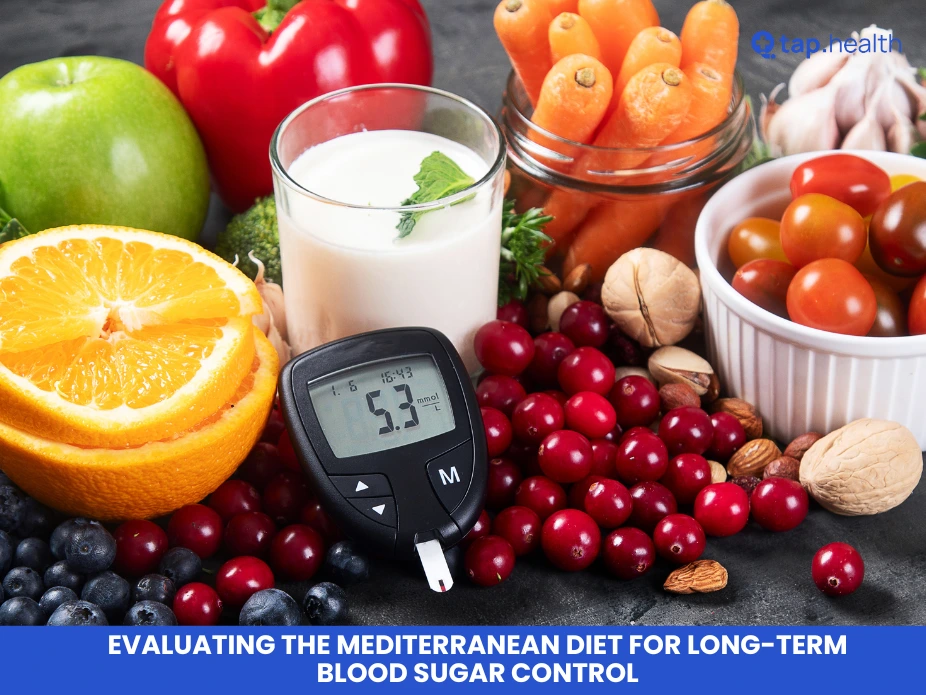
Managing blood sugar levels is a cornerstone of preventing and controlling diabetes. With rising cases of Type 2 diabetes and prediabetes worldwide, it’s more crucial than ever to identify sustainable, science-backed dietary strategies. The Mediterranean diet, long hailed for its heart-healthy benefits, has gained recognition for its role in blood sugar control. But what makes it so effective, and how can it help you? Let’s dive into its principles, benefits, and practical applications for blood sugar management.
What is the Mediterranean Diet?
The Mediterranean diet is not a restrictive meal plan but a way of eating inspired by the traditional cuisines of countries bordering the Mediterranean Sea, like Greece, Italy, and Spain. It emphasizes whole foods, natural fats, and balanced nutrition, which can make it easier to adopt and maintain long-term.
Core Components:
- Fruits and Vegetables: High in fiber, vitamins, and antioxidants.
- Whole Grains: Complex carbohydrates like brown rice, quinoa, and whole-grain bread.
- Healthy Fats: Olive oil, nuts, and seeds are staples.
- Lean Proteins: Fish, legumes, and moderate amounts of poultry.
- Dairy: Primarily yogurt and cheese, consumed in moderation.
- Herbs and Spices: Flavorful and nutrient-packed alternatives to salt.
Key Restrictions:
- Limited consumption of red meat and processed foods.
- Avoidance of added sugars and refined grains.
How Does the Mediterranean Diet Improve Blood Sugar Control?
The Mediterranean diet’s emphasis on natural, nutrient-dense foods directly supports stable blood sugar levels. Here’s how:
1. Rich in Fiber
High-fiber foods, like fruits, vegetables, and legumes, slow down the absorption of sugars into the bloodstream. This helps prevent rapid spikes in blood sugar levels, a critical factor for those with diabetes or insulin resistance.
2. Healthy Fats
Monounsaturated fats in olive oil and omega-3 fatty acids from fish have anti-inflammatory properties. These fats improve insulin sensitivity, allowing the body to regulate blood sugar more effectively.
3. Low Glycemic Index (GI)
The diet’s focus on whole grains and unprocessed carbohydrates ensures that meals have a low GI, meaning they cause a gradual rise in blood sugar instead of a sudden surge.
4. Antioxidants
Antioxidants from fruits, vegetables, and nuts combat oxidative stress, which can damage cells and worsen insulin resistance.
Proven Benefits of the Mediterranean Diet for Blood Sugar Management
Numerous studies have confirmed the Mediterranean diet’s effectiveness for blood sugar control:
1. Reduced Risk of Type 2 Diabetes
A 2014 study published in Diabetologia found that individuals following the Mediterranean diet had a 30% lower risk of developing Type 2 diabetes compared to those on a low-fat diet.
2. Improved HbA1c Levels
HbA1c, a marker of long-term blood sugar levels, improved significantly in people adhering to the Mediterranean diet. A meta-analysis in Diabetes Care revealed that it was more effective than low-fat or low-carb diets in reducing HbA1c.
3. Weight Management
Weight loss is a critical factor for blood sugar control. The Mediterranean diet’s balanced macronutrient profile promotes sustainable weight loss without deprivation.
Real-Life Scenarios
Adopting the Mediterranean diet doesn’t mean you need to overhaul your kitchen or give up your favorite foods overnight. Let’s explore some practical examples of how the diet fits into everyday life:
Scenario 1: Breakfast
Swap sugary cereals with Greek yogurt topped with fresh berries, nuts, and a drizzle of honey. This meal is rich in protein, healthy fats, and antioxidants.
Scenario 2: Lunch
Replace a fast-food burger with a salad loaded with leafy greens, chickpeas, olive oil, and grilled salmon. This provides a mix of fiber, lean protein, and omega-3s.
Scenario 3: Dinner
Instead of pasta with creamy sauces, try whole-grain pasta tossed with olive oil, cherry tomatoes, garlic, and a side of grilled vegetables.
Scenario 4: Snacks
Reach for almonds or an apple instead of processed snacks like chips or cookies. These options stabilize blood sugar without empty calories.
Expert Contributions
Insights from Nutritionists
Nutrition experts consistently praise the Mediterranean diet for its holistic approach. Dr. Elena Parodi, a registered dietitian, states, “The Mediterranean diet doesn’t just control blood sugar; it enhances overall metabolic health. Its flexible structure makes it easier to sustain over the long term.”
Endocrinologists Weigh In
Endocrinologists highlight the diet’s ability to reduce dependence on medications. Dr. Ahmed Malik notes, “Many of my patients with Type 2 diabetes see significant improvements in blood sugar levels and require fewer medications when they adhere to the Mediterranean diet.”
Researchers’ Perspectives
Scientists emphasize the diet’s evidence-backed nature. Dr. Lisa Chen, a researcher in nutritional science, explains, “The Mediterranean diet is supported by decades of research showing its impact on blood sugar regulation and insulin sensitivity.”
Recommendations Grounded in Proven Research and Facts
Practical Tips for Starting the Mediterranean Diet
- Stock Your Pantry: Keep staples like olive oil, nuts, whole grains, and canned legumes on hand.
- Plan Ahead: Create a weekly meal plan to minimize reliance on processed foods.
- Embrace Flexibility: Allow room for occasional indulgences to make the diet sustainable.
- Cook at Home: Preparing meals yourself ensures you’re using fresh, unprocessed ingredients.
Supplements and Add-Ons
While the Mediterranean diet is nutrient-rich, supplements like vitamin D or omega-3 capsules can provide additional support, especially if your diet lacks certain elements.
Factual and Reliable Information
The Mediterranean diet’s effectiveness for blood sugar control is well-documented through clinical trials, longitudinal studies, and meta-analyses. Its success lies in its balanced and anti-inflammatory properties, making it suitable for a wide range of individuals, including those with prediabetes, Type 2 diabetes, or metabolic syndrome.
Study References:
- Esposito, K., et al. (2014). “Mediterranean diet and glycemic control in Type 2 diabetes: A systematic review.” Diabetologia. Read here
- Schwingshackl, L., et al. (2015). “Mediterranean dietary pattern and long-term glycemic control in diabetes.” Diabetes Care. Read here
FAQs on Mediterranean Diet
1. Can the Mediterranean diet reverse Type 2 diabetes?
While it may not completely reverse diabetes, the Mediterranean diet can significantly improve blood sugar control and reduce dependency on medications.
2. Is the Mediterranean diet suitable for vegetarians?
Absolutely! Vegetarians can substitute fish with plant-based proteins like lentils, chickpeas, and tofu.
3. How long does it take to see results in blood sugar control?
Most people notice improvements in a few weeks, but sustained benefits, such as lower HbA1c levels, typically appear after 3–6 months.
4. Can I follow this diet on a budget?
Yes! Use seasonal produce, buy legumes and grains in bulk, and opt for canned fish to save money.
5. Does the Mediterranean diet help with other health conditions?
Yes, it’s known to reduce the risk of heart disease, certain cancers, and cognitive decline.
The Mediterranean diet stands out as a sustainable and effective approach for long-term blood sugar control. Its foundation in whole, nutrient-dense foods supports insulin sensitivity, reduces inflammation, and promotes overall health. By incorporating its principles into your daily life, you can enjoy delicious meals while improving your metabolic health.