If you are living with diabetes or trying to lose weight, you know the struggle of lunchtime.
You look at your plate and think, “Can I eat this?”
For years, we have been told to stop eating white rice. We switched to wheat (Atta) Roti. But recently, nutritionists, doctors, and even our grandmothers have started talking about an old hero making a comeback: Ragi (Finger Millet).
You see it everywhere now. Ragi biscuits, Ragi chips, and the most popular one—Ragi Roti.
But is it actually healthy? Or is it just another food fad? Most importantly, will eating a hot, soft Ragi Roti spike your blood sugar?
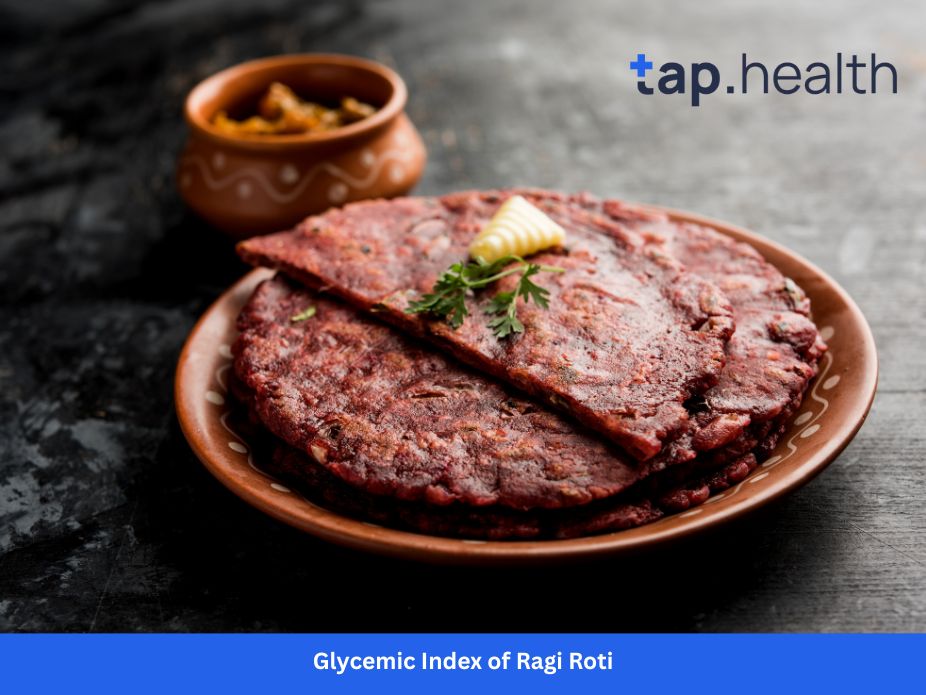
To answer this, we need to understand the Glycemic Index of Ragi Roti.
In this guide, we are going to break it down. No complicated medical words, no confusion. Just the simple facts (KISS method) to help you decide if you should swap your wheat chapati for a ragi one.
What is Glycemic Index (GI)?
Before we talk about the roti, let’s quickly understand the ruler we are using to measure it.
Think of the Glycemic Index (GI) as a speedometer for food.
- High GI (70 to 100): The food is a race car. It digests instantly and crashes into your blood sugar levels rapidly. (Example: Sugar, Maida, White Rice).
- Medium GI (56 to 69): The food is a regular car. It moves at a moderate speed.
- Low GI (0 to 55): The food is a bicycle. It moves slowly and steadily. It gives you energy without the crash.
Our goal is to eat “Bicycle Foods” and avoid “Race Car Foods.”
The Big Answer: What is the Glycemic Index of Ragi Roti?
Here is the truth: The Glycemic Index of Ragi Roti is typically between 55 and 68.
This puts Ragi Roti in the Low-to-Medium GI category.
Now, you might be thinking, “Wait, I thought Ragi was a superfood with very low GI?”
Here is the catch: Processing matters.
- Whole Ragi Grain: Low GI (around 54).
- Ragi Flour (ground powder): Medium GI.
When we make Ragi Roti, we use fine flour. Grinding the grain breaks down the hard outer shell. This makes it slightly easier for your body to digest compared to the whole grain. However, even as a roti, Ragi is significantly better than most other grains.
Why is Ragi Roti Special?
Even though the GI number is “Medium,” Ragi Roti behaves differently in your stomach compared to wheat or rice. This is because of Fiber.
Ragi is packed with dietary fiber and special amino acids. This fiber acts like a “traffic jam” in your stomach. It slows down the digestion process, ensuring that sugar enters your blood drop-by-drop, rather than like a flood.
Ragi Roti vs. Wheat Roti vs. White Rice
Let’s look at the competition. If you are sitting at the dinner table, which one should you pick?
| Food Item | Glycemic Index (GI) | Fiber Content | Sugar Spike Risk |
| White Rice | 75 – 80 (High) | Very Low | High Risk |
| Wheat Roti | 65 – 70 (Medium) | Moderate | Moderate Risk |
| Ragi Roti | 55 – 68 (Low/Med) | High | Low Risk |
The Verdict: Ragi Roti is the winner. While Wheat Roti is okay, modern wheat is often highly refined. Ragi Roti retains more nutrients, more calcium, and more fiber, making it the safer choice for controlling blood sugar.
Why Ragi Roti is a “Secret Weapon” for Diabetics
It is not just about the Glycemic Index number. Ragi Roti offers benefits that go beyond simple sugar control.
1. The “Satiety” Factor (Feeling Full)
Have you ever eaten a meal and felt hungry again an hour later? That happens with high GI foods like rice. Ragi takes a long time to digest. If you eat two Ragi Rotis for lunch, you will likely feel full until dinner. This stops you from snacking on biscuits or chips in the evening. Less snacking = better sugar levels.
2. The Calcium King
Ragi has 30 times more calcium than rice. Diabetics are prone to weaker bones as they age. Eating Ragi Roti naturally strengthens your bones without needing expensive supplement pills.
3. Polyphenols
Ragi contains plant compounds called polyphenols. Think of these as little bodyguards. They inhibit the enzymes in your stomach that break down starch. This means the carbohydrates in your Ragi Roti are not fully converted into sugar, which naturally lowers the glycemic load.
The “Processing Trap”: When Ragi Roti Becomes Unhealthy
This is the most important section of this blog. Please read it carefully.
Ragi Roti is healthy, but only if you cook it right.
Many people accidentally turn their healthy Ragi Roti into a high-sugar disaster. Here are the common mistakes:
1. Mixing with Maida or Rice Flour
Ragi is gluten-free. This means it is hard to roll into a roti because the dough breaks easily. To fix this, many people (or restaurants) mix 50% Ragi flour with 50% Maida or Rice flour to make it soft. Result: You have just ruined the health benefits. The Maida/Rice spikes the GI back up to high levels.
2. Eating Too Much
Just because it is healthy doesn’t mean it is “free food.”
- 1 Ragi Roti = Healthy.
- 4 Ragi Rotis = High Glycemic Load (Too many carbs). Portion control is still the law.
3. Overcooking or Charring
If you cook the roti until it is burnt or super crispy, the starch changes form and becomes easier to digest, raising the GI slightly. Soft-cooked roti is better.
How to Make Low-GI Ragi Roti (The Right Way)
If you want the lowest possible glycemic index of ragi roti, follow these tips.
1. The “Vegetable Hack”
Never make the dough with just flour and water. Add grated vegetables directly into the dough.
- Add: Grated carrots, chopped spinach (Palak), methi leaves (Fenugreek), or grated bottle gourd (Lauki).
- Why? This adds volume and fiber without adding carbs. It lowers the overall GI of the roti significantly.
2. Use Hot Water
Since you shouldn’t mix Maida for binding, how do you make the roti soft? The Secret: Use boiling hot water to knead the dough. Boiling water gelatinizes the starch slightly, making the dough pliable and easy to roll without needing any unhealthy refined flour binders.
3. Add Healthy Fats
Smear a little bit of Ghee (Clarified Butter) on your Ragi Roti. Don’t be scared of Ghee! Fat slows down digestion. A dry roti digests faster than a roti with a little ghee. The fat lowers the glycemic spike.
Ragi Roti vs. Ragi Mudde vs. Ragi Malt
You might eat Ragi in different forms. Does the form change the Glycemic Index? Yes, drastically.
1. Ragi Mudde (Balls)
- GI: Low.
- Why: This is the traditional way to eat Ragi in Karnataka. The flour is steam-cooked into a ball and swallowed in small chunks. Because you don’t chew it thoroughly, it digests very slowly. This is the best form for diabetics.
2. Ragi Roti
- GI: Low to Medium.
- Why: It is grilled and chewed. Good, but slightly faster digestion than Mudde.
3. Ragi Malt (Porridge/Kanji)
- GI: HIGH (Danger Zone).
- Why: To make malt, you boil the flour in water until it becomes a liquid soup. This breaks down the starch completely. When you drink it, it hits your blood sugar almost instantly. Avoid Ragi Malt if you have diabetes.
Who Should Avoid Ragi Roti?
While Ragi is a superfood, it is not for everyone.
1. Kidney Patients
Ragi is packed with minerals like Calcium and Potassium. If you have Chronic Kidney Disease (CKD) or kidney stones, your body might struggle to filter these minerals. Always ask your doctor before adding Ragi to your diet.
2. Thyroid Issues
Ragi contains compounds called goitrogens, which can interfere with thyroid function. However, cooking Ragi (like making Roti) destroys most of these compounds. It is usually safe if cooked well, but those with severe Hypothyroidism should consume it in moderation.
A Perfect “Ragi Roti” Meal Plan for Diabetics
Don’t know how to start? Here is a simple menu.
- Breakfast: Avoid Ragi here (stick to protein like eggs or besan chilla).
- Lunch (The Heavy Meal):
- 2 Small Ragi Rotis (dough mixed with Methi leaves).
- 1 Bowl of Dal (Lentils).
- 1 Bowl of Green Salad (Cucumber/Tomato).
- 1 Cup of Buttermilk.
- Dinner:
- 1 Ragi Roti.
- 1 Bowl of Sabzi (Bhindi or Gourd).
Note: Try not to eat Ragi very late at night as it takes time to digest. It is best eaten for lunch.
FAQ: Common Questions About Glycemic Index of Ragi Roti
Here are the answers to the questions you might be too afraid to ask your doctor.
1. Can I eat Ragi Roti daily for diabetes?
Yes, absolutely. Replacing wheat with Ragi on a daily basis is a great strategy for long-term blood sugar management. Just remember to keep the portion size reasonable (2 rotis usually).
2. Is Ragi Roti gluten-free?
Yes! Ragi is naturally gluten-free. This makes it excellent for people who have Celiac disease or gluten intolerance, or for those who feel bloated after eating wheat.
3. Which flour is best to mix with Ragi for softness?
If you find it too hard to roll pure Ragi, do not use Maida. Instead, mix it with a little Besan (Chickpea Flour) or Jowar (Sorghum) flour. These are also low GI and diabetic-friendly.
4. Does heating leftover Ragi Roti change the GI?
Believe it or not, yes! If you cook Ragi Roti, let it cool down, and eat it later (or reheat it), the starch turns into “Resistant Starch.” This lowers the Glycemic Index even further. So, yesterday’s Ragi Roti might be healthier than today’s fresh one!
5. Can Ragi Roti cure diabetes?
No food can “cure” diabetes. Diabetes is a chronic condition. However, Ragi Roti helps manage it effectively. It prevents spikes and crashes, which protects your organs in the long run.
Final Thoughts: Is It Time to Switch?
So, what is the final verdict on the glycemic index of ragi roti?
It is one of the best carbohydrate choices you can make. It sits in the “sweet spot”—low enough to be safe, but tasty enough to enjoy.
It gives you the satisfaction of eating bread without the guilt of spiking your sugar. It is cheap, easily available, and incredibly nutritious.
Your Next Step: Don’t throw away your wheat flour today. Start slowly. Tomorrow, try making your dough with 50% Wheat and 50% Ragi. See how you like the taste. Once you get used to it, increase the Ragi amount.
Your blood sugar—and your taste buds—will thank you.