Having a bowel movement can sometimes be quite a challenge if one is suffering from the porridge belt, but it is something that can be easily dealt with by having a change of diet. The best way to avoid and minimize the odd of experiencing constipation is by consuming foods that are rich in fiber. This way, you will be able to know what makes you constipated and the signs that you are experiencing constipation; this blog also aims to enlighten you on the importance of taking foods rich in fiber. We will also present to you a list of fibrous foods with their recommended serving sizes; a sample diet plan for incorporating fiber into your everyday meals; and which foods one should steer clear of.
What Causes Constipation?
Constipation refers to the state where bowel movements are not frequent and stool hard to be eased out. Several factors can contribute to constipation, including:
Low Fiber Diet
Fiber is among the vital nutrients needed in our daily food meals since it aids in digestion and the expulsion of waste from the body. This gives the feces more heft and helps it move out of the body through the alimentary canal properly. An example of a way in which it can be seen is when one is taking less fibrous food, then constipation or the formation of hard motions that are difficult to pass is experienced.
Dehydration
Lack of enough fluid intake also means that stool particles dry up and this contributes to the formation of small, hard and difficult-to-pass stools. It is crucial to make sure you are taking enough fluids to make sure you do not have constipating prevailing soft stool.
Lack of Exercise
As discussed in the work, physical activity assists in stimulating overall digestion, including intestinal movement. These are bewitching reasons why an individual with a sedentary lifestyle is prone to suffer from constipation.
Therapists tend to have a steady desire to re-contact their patients – learn not to give in to that temptation.
When you for instance have the urge that you need to defecate, and you decide to hold it, then the stool cuales sit in the colon for longer, it becomes more compacted and hard to pass.
Certain Medications
It is also good to note that some drugs might be accompanied by some side effects like constipation. They include analgesics such as opioids and non-opioids, antidepressants, and iron antagonists.
Changes in Routine
Physical exertion or any change in routine behavior disturbs the digestive system of a person which results in constipation.
Medical Conditions
IBS, diabetes, and thyroid disorders can make an individual constipated because they are some of the numerous health issues that cause constipation.
What Are the Symptoms of Constipation?
Recognizing the symptoms of constipation is important for taking timely action. Common symptoms include:
- Infrequent bowel movements (less than three times a week)
- Hard, dry, or lumpy stools
- Straining during bowel movements
- The feeling of incomplete evacuation
- Abdominal discomfort or bloating
- Nausea or loss of appetite
If you experience these symptoms regularly, it may be time to consider dietary and lifestyle changes to improve your digestive health.
Benefits of a High-Fiber Diet for Constipation
A high-fiber diet is one of the most effective ways to prevent and relieve constipation. Here are some of the key benefits:
Increases Stool Bulk
Fiber adds bulk to stools, making them larger and easier to pass. This helps to move waste through the digestive system more efficiently.
Promotes Regularity
Consuming a high-fiber diet helps maintain regular bowel movements, reducing the likelihood of constipation.
Improves Digestion
Fiber improves overall digestive health by promoting the growth of healthy bacteria in the gut, which aids in digestion and prevents constipation.
Reduces the Risk of Hemorrhoids
A high-fiber diet can reduce straining during bowel movements, which helps prevent haemorrhoids.
Supports Weight Management
High-fiber foods are typically low in calories and can help you feel full longer, which can assist in maintaining a healthy weight.
Best High-Fiber Foods Chart to Get Relief from Constipation
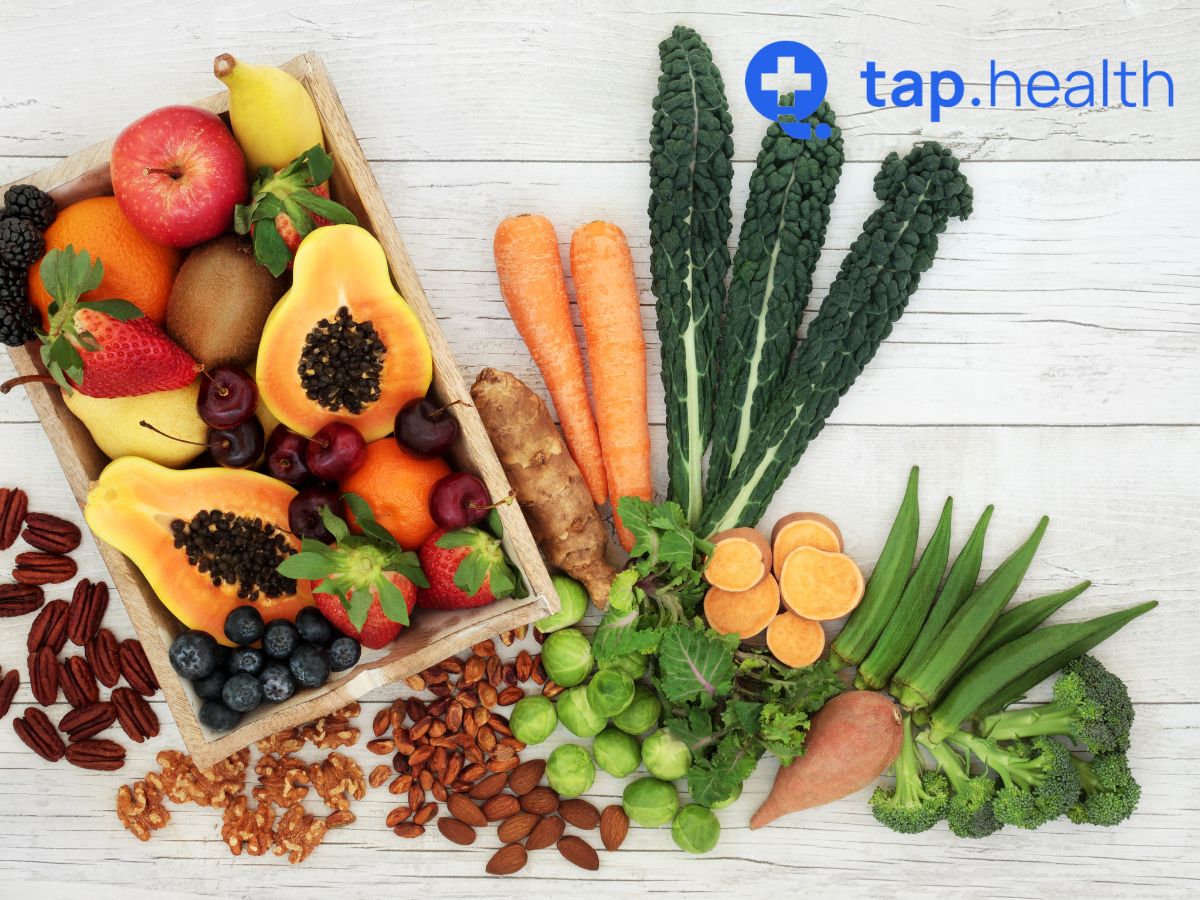
Incorporating high-fiber foods into your diet is essential for preventing and relieving constipation. Here is a chart of some of the best high-fiber foods:
| Food Category | Food Items | Fiber Content (per 100g) |
|---|---|---|
| Fruits | Apples, Pears, Raspberries | 2-7 grams |
| Vegetables | Broccoli, Carrots, Brussels Sprouts | 2-5 grams |
| Legumes | Lentils, Black Beans, Chickpeas | 7-9 grams |
| Whole Grains | Oats, Quinoa, Brown Rice | 2-4 grams |
| Nuts and Seeds | Almonds, Chia Seeds, Flaxseeds | 8-10 grams |
Fruits
Fruits are a great source of fiber and can be easily incorporated into your diet. Apples, pears, and raspberries are particularly high in fiber. Eating the skin of fruits can also increase your fiber intake.
Vegetables
Vegetables such as broccoli, carrots, and Brussels sprouts are rich in fiber and provide numerous other health benefits. Incorporate a variety of vegetables into your meals to boost your fiber intake.
Legumes
Legumes, including lentils, black beans, and chickpeas, are excellent sources of fiber and protein. They can be added to soups, salads, and stews for a fiber boost.
Whole Grains
Whole grains like oats, quinoa, and brown rice are high in fiber compared to their refined counterparts. Choosing whole-grain products can significantly increase your daily fiber intake.
Nuts and Seeds
Nuts and seeds, such as almonds, chia seeds, and flaxseeds, are packed with fiber and healthy fats. They make great snacks and can be added to various dishes for added crunch and nutrition.
One Week Sample Diet Plan for Constipation
To help you get started on a high-fiber diet, here is a one-week sample diet plan designed to relieve constipation:
Day 1
Breakfast: Oatmeal with raspberries and a sprinkle of chia seeds
Snack: Apple with peanut butter
Lunch: Quinoa salad with chickpeas, tomatoes, cucumbers, and a lemon vinaigrette
Snack: Carrot sticks with hummus
Dinner: Grilled chicken breast with steamed broccoli and brown rice
Day 2
Breakfast: Smoothie with spinach, banana, berries, and flaxseeds
Snack: Pear
Lunch: Lentil soup with whole grain bread
Snack: Handful of almonds
Dinner: Stir-fried tofu with Brussels sprouts and quinoa
Day 3
Breakfast: Whole grain toast with avocado and poached egg
Snack: Mixed berries
Lunch: Black bean and vegetable burrito with whole wheat tortilla
Snack: Sliced bell peppers with guacamole
Dinner: Baked salmon with roasted carrots and a side of barley
Day 4
Breakfast: Greek yogurt with mixed nuts and a drizzle of honey
Snack: Orange
Lunch: Chickpea and vegetable stir-fry with brown rice
Snack: Celery sticks with almond butter
Dinner: Turkey and vegetable chili with kidney beans
Day 5
Breakfast: Smoothie bowl with mixed fruits and granola
Snack: Banana
Lunch: Lentil and quinoa stuffed peppers
Snack: Handful of walnuts
Dinner: Grilled shrimp with a side of asparagus and wild rice
Day 6
Breakfast: Whole grain cereal with almond milk and sliced strawberries
Snack: Grapes
Lunch: Spinach and black bean salad with a citrus vinaigrette
Snack: Apple slices with cheese
Dinner: Baked cod with steamed green beans and quinoa
Day 7
Breakfast: Chia pudding with blueberries and a drizzle of maple syrup
Snack: Pineapple chunks
Lunch: Tomato and cucumber salad with chickpeas and feta cheese
Snack: Baby carrots with tzatziki
Dinner: Roast chicken with roasted Brussels sprouts and sweet potatoes
This diet plan provides a variety of high-fiber foods that can help prevent and relieve constipation. Remember to drink plenty of water throughout the day to help fiber do its job effectively.
Foods to Avoid with Constipation
Certain foods can worsen constipation and should be avoided or limited:
Processed Foods
Foods like chips, cookies, and fast food are typically low in fiber and high in unhealthy fats, which can slow down digestion.
Dairy Products
For some people, dairy products like cheese and milk can cause or worsen constipation. Consider reducing your intake if you notice it affects your bowel movements.
Red Meat
Red meat is low in fiber and can be difficult to digest. Opt for leaner protein sources like chicken, fish, or plant-based proteins.
White Bread and Rice
Refined grains like white bread and white rice have had most of their fiber removed. Choose whole grain versions instead.
Fried Foods
Fried and greasy foods can slow down the digestive process and contribute to constipation. Opt for baked or grilled alternatives.
FAQ on High Fiber Foods Chart for Constipation
Q: How much fiber should I eat daily to prevent constipation?
A: Adults should aim for 25-30 grams of fiber per day. This can be achieved by incorporating a variety of high-fiber foods into your diet.
Q: Can I take fiber supplements?
A: Yes, fiber supplements can help if you have difficulty getting enough fiber from food. However, it’s best to get fiber from whole foods for additional nutrients.
Q: Can I get enough fiber from supplements alone?
A: While fiber supplements can be helpful, it’s best to get your fiber from a variety of whole foods to ensure you’re also getting essential vitamins, minerals, and other nutrients.
Q: Are there any specific high-fiber foods I should eat if I have constipation?
A: Foods high in insoluble fiber, such as whole grains and vegetables, can help add bulk to your stool and promote regular bowel movements. However, it’s important to include a variety of high-fiber foods in your diet for optimal digestive health.
Q: Should I avoid all low-fiber foods?
A: While it’s important to limit low-fiber foods, you don’t have to avoid them entirely. Instead, focus on incorporating more high-fiber foods into your diet while still enjoying your favorite treats in moderation.
Conclusion
Constipation can be uncomfortable and disruptive, but it’s often manageable with simple dietary changes. By incorporating more high-fiber foods into your diet and staying hydrated, you can promote regular bowel movements and improve your overall digestive health. Remember to consult with a healthcare professional if you experience persistent or severe constipation, as it could be a sign of an underlying medical condition.
Implementing the high-fiber foods chart and sample diet plan provided in this blog can help you take proactive steps towards preventing and relieving constipation. With patience, consistency, and a balanced approach to nutrition, you can enjoy better digestive health and overall well-being.