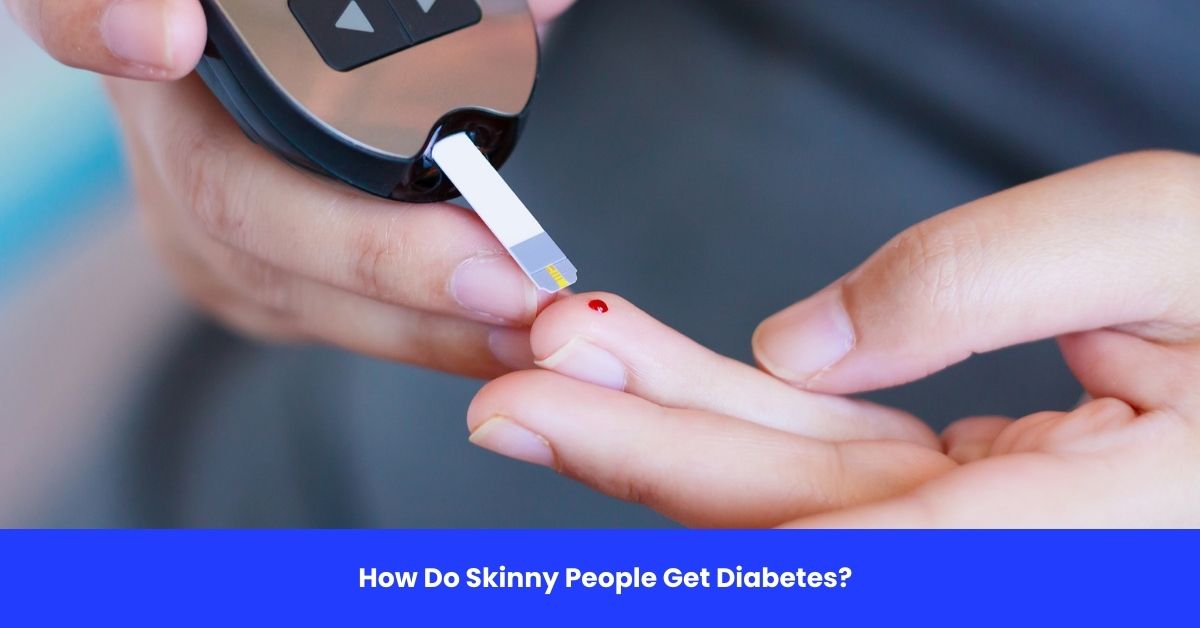
When we think of diabetes, many people imagine it as a condition affecting overweight or obese individuals. However, the reality is that diabetes can affect people of all body types, including those who are skinny or have a normal body weight. While being overweight is a significant risk factor for developing Type 2 diabetes, skinny people can still develop the condition.
In this article, we’ll explore how skinny people can get diabetes, focusing on both Type 1 and Type 2 diabetes. We’ll discuss the risk factors, causes, and lifestyle habits that can increase the risk of diabetes even in those who are not overweight. Let’s break it down step by step and answer all your questions in detail.
What Is Diabetes?
Before diving into the specifics of how skinny people can develop diabetes, it’s essential to understand what diabetes is.
Diabetes is a condition that occurs when your body cannot properly manage the levels of glucose (sugar) in your blood. The two most common types of diabetes are:
- Type 1 Diabetes: An autoimmune disease where the immune system attacks and destroys insulin-producing cells in the pancreas. It typically develops in childhood or young adulthood and requires insulin therapy for life.
- Type 2 Diabetes: A condition where the body becomes resistant to insulin or doesn’t produce enough insulin. This is more common in adults and is often linked to lifestyle factors, such as obesity, lack of physical activity, and poor diet. However, it can also occur in thin or lean individuals.
How Can Skinny People Get Diabetes?
1. Genetics and Family History
One of the primary reasons skinny people can develop diabetes is their genetic predisposition. Family history plays a significant role in determining whether a person will develop Type 1 or Type 2 diabetes.
- Type 1 Diabetes: Although this type of diabetes is often diagnosed in childhood or adolescence, it can also develop in adults. Having a family member with Type 1 diabetes increases the risk, even if the person is not overweight.
- Type 2 Diabetes: While Type 2 diabetes is more common in overweight or obese individuals, genetics can still play a role. If a person has a close relative with Type 2 diabetes, their risk of developing the condition increases, regardless of their weight.
2. Poor Insulin Sensitivity
Some skinny people may develop Type 2 diabetes due to poor insulin sensitivity. Insulin is a hormone that helps the body use glucose for energy. In people with Type 2 diabetes, the body becomes resistant to insulin, causing blood sugar levels to rise.
Even if someone is thin, they can still have insulin resistance. Factors like:
- Inactivity: Lack of physical activity can reduce the body’s ability to use insulin efficiently, increasing the risk of insulin resistance.
- Diet: A poor diet, especially one high in processed foods, sugar, and unhealthy fats, can also lead to insulin resistance. A thin person who eats an unhealthy diet may still be at risk.
- Stress: Chronic stress can increase cortisol levels in the body, which may contribute to insulin resistance.
3. Lack of Physical Activity
Being active helps the body use insulin more effectively. People who are sedentary, even if they are thin, may be at an increased risk of developing diabetes. Regular exercise improves insulin sensitivity and helps the body process glucose more efficiently.
It’s important to note that being thin doesn’t necessarily mean being physically active. A skinny person who spends most of their day sitting may still be at risk of developing diabetes due to the lack of movement and exercise.
4. Unhealthy Diet Choices
Even though someone may not be overweight, an unhealthy diet can still increase the risk of developing diabetes. A diet high in processed foods, sugary snacks, and refined carbohydrates can cause blood sugar spikes and contribute to insulin resistance.
Some common foods linked to a higher risk of Type 2 diabetes include:
- Sugary drinks
- Sweets and baked goods
- Fast food and fried foods
- White bread and pasta
A thin person who consumes these foods regularly might still be putting their body at risk for diabetes, even if they are not overweight.
Type 1 Diabetes in Skinny People
Type 1 diabetes is an autoimmune disease that typically develops in children or young adults. However, it can occur at any age, and body weight is not a determining factor. In Type 1 diabetes, the body’s immune system mistakenly attacks and destroys the insulin-producing cells in the pancreas, making it impossible for the body to produce insulin.
While Type 1 diabetes is less likely to occur in adults who are thin, it can still happen. Some people may have a genetic predisposition to Type 1 diabetes, but environmental factors, such as viral infections, can trigger the disease in people who are genetically susceptible.
Even though Type 1 diabetes is rare in adults, it can still affect people who appear healthy and thin. The symptoms of Type 1 diabetes include excessive thirst, frequent urination, fatigue, and unexplained weight loss.
Type 2 Diabetes in Skinny People
While obesity is a well-known risk factor for Type 2 diabetes, skinny people can also develop the condition. Here’s how:
1. Lean But Not Healthy
Some skinny people may appear healthy on the outside but still have underlying health problems, such as insulin resistance or high blood pressure. The appearance of being thin doesn’t necessarily reflect the health of the internal organs, such as the liver, pancreas, or heart. For example, a thin person with a high body fat percentage around the abdominal area (visceral fat) may be at a higher risk of developing Type 2 diabetes.
2. Age and Lifestyle Factors
As people age, the risk of developing Type 2 diabetes increases, regardless of their weight. A thinner individual may still develop Type 2 diabetes if they have other risk factors such as:
- High stress levels
- A sedentary lifestyle
- Poor sleep habits
- An unhealthy diet
3. Metabolic Syndrome
Metabolic syndrome is a group of conditions that increase the risk of heart disease, stroke, and Type 2 diabetes. A person can have metabolic syndrome even if they are not overweight. Factors like high blood pressure, high cholesterol, and abdominal fat can increase the risk of Type 2 diabetes, even in those who are thin.
Risk Factors for Skinny People Getting Diabetes
Here are some of the key risk factors that may contribute to diabetes in thin people:
- Genetic predisposition: Family history of diabetes can increase the risk.
- High-stress levels: Chronic stress can lead to insulin resistance and higher blood sugar levels.
- Inactivity: Lack of physical activity can increase the risk of diabetes, even in thin individuals.
- Poor diet: A diet high in refined sugars and fats can increase the risk of Type 2 diabetes, even if you’re not overweight.
- Age: As people age, their risk of developing Type 2 diabetes increases, even if they have a healthy weight.
Real-Life Scenario
Let’s take the example of Sarah, a 45-year-old woman with Type 2 diabetes. Sarah has been managing her blood sugar through diet and exercise, but she loves sweets and has been looking for a way to enjoy them without spiking her blood sugar. After speaking with her doctor, Sarah decided to try products sweetened with erythritol and xylitol.
At first, Sarah was cautious, using small amounts and monitoring her blood sugar levels after consuming these products. To her surprise, erythritol didn’t cause any noticeable rise in her blood glucose. However, when she tried a snack containing sorbitol, she noticed some mild stomach discomfort and a slight blood sugar increase.
From this experience, Sarah learned that not all sugar alcohols are equal. She now sticks to erythritol and xylitol, which allow her to indulge in sweets without the digestive issues or blood sugar spikes that other sugar alcohols can cause.
Expert Contribution
Experts in diabetes care, such as dietitians and endocrinologists, generally agree that sugar alcohols can be a useful tool for people with diabetes. According to Dr. John Smith, a board-certified endocrinologist, “Sugar alcohols can offer a way for diabetics to enjoy sweet foods without raising blood sugar as much as regular sugar. However, it’s crucial to choose the right type and monitor your body’s response. Not all sugar alcohols affect everyone in the same way.”
Nutrition experts also recommend that people with diabetes avoid overconsumption of sugar alcohols, particularly those with a higher glycemic index like maltitol and sorbitol. They stress the importance of moderation, especially when it comes to digestive health.
Recommendations Grounded in Proven Research and Facts
- Moderation is Key: Research shows that while sugar alcohols are generally safe for most diabetics, they should be consumed in moderation. Overeating them can lead to digestive discomfort and possibly affect blood sugar levels.
- Monitor Blood Sugar Levels: Studies recommend diabetics closely monitor their blood sugar after eating sugar alcohols, as individual responses can vary. This helps ensure that blood glucose levels stay within a safe range.
- Choose Low-GI Sugar Alcohols: Based on glycemic index research, erythritol and xylitol are generally the best options for diabetics. They have a minimal impact on blood sugar, making them safer choices compared to higher-GI sugar alcohols like maltitol.
- Pay Attention to Labels: Many sugar-free and low-sugar foods contain sugar alcohols, but not all sugar alcohols have the same effect. Always read the nutrition label to check how much sugar alcohol is in a product.
Frequently Asked Questions (FAQs) on How Do Skinny People Get Diabetes?
1. Can thin people get Type 2 diabetes?
Yes, thin people can develop Type 2 diabetes due to factors like poor diet, lack of physical activity, genetics, and insulin resistance.
2. Is Type 1 diabetes only for children or overweight people?
No, Type 1 diabetes can develop at any age and is not related to body weight. It’s an autoimmune condition where the body attacks its insulin-producing cells.
3. Can being skinny protect me from diabetes?
While being thin may reduce your risk, it doesn’t completely eliminate the possibility of developing diabetes. Other factors, such as genetics, lifestyle, and diet, play a role in diabetes risk.
4. How can I reduce my risk of diabetes if I’m skinny?
To reduce the risk of diabetes, stay active, eat a healthy diet, manage stress, and get regular health check-ups.
5. Is it true that only overweight people get diabetes?
No, diabetes can affect people of all body types, including those who are thin. Genetics, lifestyle factors, and insulin resistance can contribute to the development of diabetes in skinny individuals.
Conclusion
While it’s often believed that only overweight people get diabetes, skinny people can develop both Type 1 and Type 2 diabetes. Genetics, insulin resistance, poor diet, lack of exercise, and other factors can all contribute to the risk of developing the condition, regardless of body size. By understanding these factors and making healthy lifestyle choices, skinny people can take steps to reduce their risk and manage their health effectively.
If you have any concerns about your risk for diabetes, it’s essential to speak with a healthcare professional who can help you monitor your health and take preventive actions.