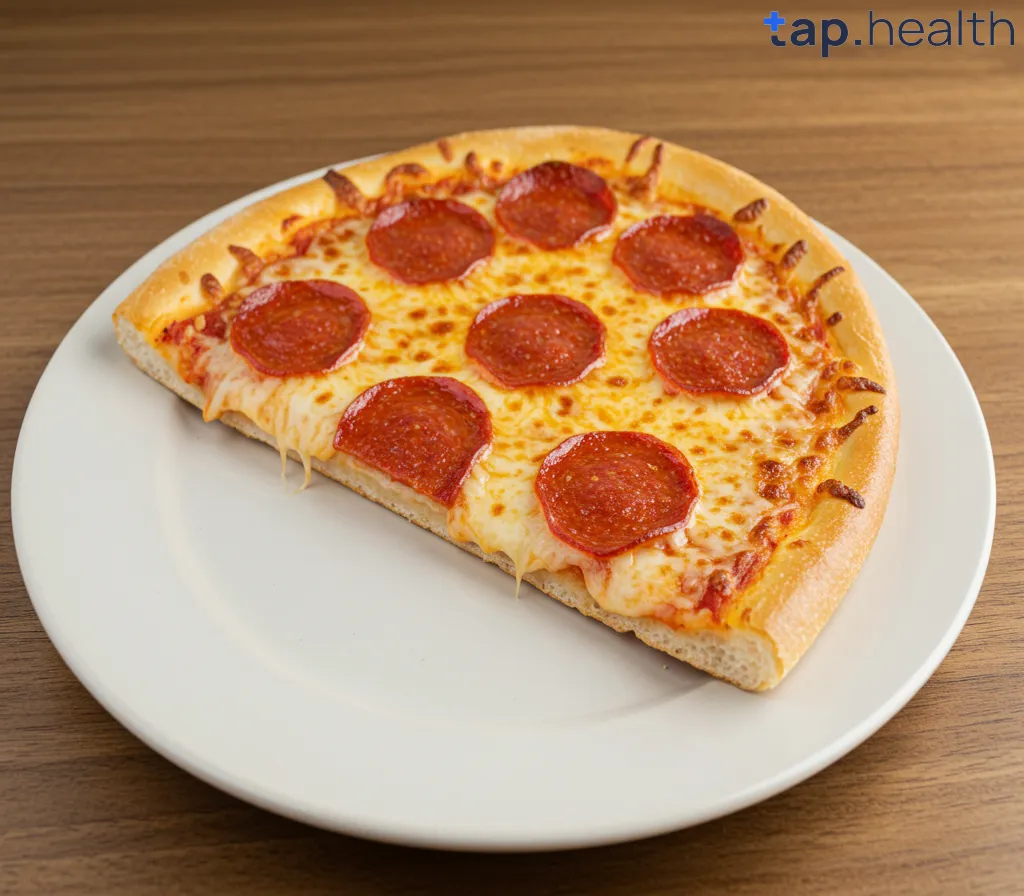
Pepperoni pizza is one of the most popular pizza choices worldwide. Known for its crispy crust, melted cheese, and flavorful pepperoni topping, it’s a go-to comfort food for many. But if you’re watching your calorie intake or just curious about the nutritional value, you might be wondering: how many calories are in a piece of pepperoni pizza?
In this article, we will explore the calorie content of a slice of pepperoni pizza, how different factors affect its calorie count, and some tips on how to enjoy this classic dish while being mindful of your health. So, let’s dive into the details!
What is Pepperoni Pizza?
Pepperoni pizza is a type of pizza topped with pepperoni, a spicy sausage made from cured pork and beef, along with melted cheese (usually mozzarella) and pizza sauce. The pizza dough is typically made from flour, yeast, and water, then topped with a variety of ingredients like olives, mushrooms, or peppers, depending on your preference.
The calorie content of a slice of pepperoni pizza can vary based on several factors, including the size of the slice, the crust type, and the amount of cheese and pepperoni used. Now, let’s break down the calorie count of a typical piece of pepperoni pizza.
How Many Calories Are in a Slice of Pepperoni Pizza?
The number of calories in a slice of pepperoni pizza depends on several factors, such as the size of the slice, the ingredients used, and whether you’re making it at home or ordering it from a restaurant. On average, a regular slice of pepperoni pizza (1/8th of a standard 14-inch pizza) contains:
- Calories: 285–350 calories per slice
This is an estimate for a typical slice of pepperoni pizza from a chain pizzeria like Domino’s or Pizza Hut. If you’re enjoying a pizza with a thicker crust or extra cheese, the calorie count can go even higher.
1. Calories in a Standard Slice (1/8th of a 14-inch pizza)
A regular, standard-sized slice of pepperoni pizza (about 1/8th of a 14-inch pizza) contains around:
- Calories: 285–350 calories
The lower calorie count is for pizza with fewer toppings or a thinner crust, while the higher calorie count is for pizza with extra cheese or thicker crust.
2. Calories in a Slice with Thick Crust
If you opt for a pizza with a thicker crust, like deep-dish or pan-style, the calorie count per slice will be higher. A thick crust pizza typically contains:
- Calories: 350–400 calories per slice
The added dough increases the calorie content due to the higher carbohydrate content in thicker crusts.
3. Calories in a Slice with Extra Cheese
Adding extra cheese to your pizza will increase the calorie count. A slice of pepperoni pizza with extra cheese contains about:
- Calories: 350–400 calories per slice
Extra cheese contributes additional fat and protein, which increases the overall calorie content.
4. Calories in a Slice from Different Pizza Chains
Here’s a comparison of the calorie content in a slice of pepperoni pizza from some popular pizza chains:
- Domino’s Pepperoni Pizza: About 300 calories per slice (1/8th of a 14-inch pizza)
- Pizza Hut Pepperoni Pizza: About 310 calories per slice (1/8th of a 14-inch pizza)
- Papa John’s Pepperoni Pizza: About 330 calories per slice (1/8th of a 14-inch pizza)
The calorie count can vary depending on the type of pizza (thin crust vs. original crust) and the amount of cheese or toppings used.
Nutritional Breakdown of a Slice of Pepperoni Pizza
In addition to calories, it’s helpful to know the other nutrients that come with a slice of pepperoni pizza. Here’s the nutritional breakdown of a standard slice of pepperoni pizza from a chain pizzeria (assuming 285-350 calories per slice):
Macronutrients
- Calories: 285–350 calories
- Carbohydrates: 35–40 grams
- Fiber: 2–3 grams
- Sugar: 3–5 grams
- Protein: 12–15 grams
- Fat: 12–18 grams
- Saturated Fat: 4–6 grams
- Cholesterol: 25–35 milligrams
- Sodium: 600–800 milligrams
Micronutrients
- Iron: 5% of the daily value (DV)
- Calcium: 10–15% of the DV
- Vitamin A: 8–10% of the DV
- Vitamin C: 0–2% of the DV
As you can see, a slice of pepperoni pizza provides a moderate amount of protein and iron, which are essential for muscle health and blood circulation. However, it is also relatively high in fat, especially saturated fat, which can contribute to heart disease if consumed in excess.
Sodium Content in Pepperoni Pizza
One of the notable concerns with pepperoni pizza is its high sodium content. A single slice can contain anywhere from 600–800 milligrams of sodium, which is a significant portion of your recommended daily intake (2,300 milligrams for most adults). Excessive sodium intake can contribute to high blood pressure and other cardiovascular issues.
How to Make Pepperoni Pizza Healthier
While pepperoni pizza can be a calorie-dense treat, there are ways to make it healthier without sacrificing flavor. Here are some tips for reducing calories and making a more nutritious pizza:
1. Opt for a Thin Crust
Thin crust pizza has fewer calories than thick crust or deep-dish options. Choosing a thin crust can save you hundreds of calories per slice, making your pizza meal lighter while still delicious.
2. Choose Leaner Toppings
Pepperoni is high in fat and sodium, which contributes to the calorie content of the pizza. Instead of pepperoni, consider using leaner toppings like grilled chicken, turkey sausage, or vegetables. Vegetables like mushrooms, spinach, or bell peppers add flavor, nutrients, and fiber without adding many calories.
3. Go Easy on the Cheese
Cheese is a major contributor to the calorie content of pizza. Opt for a pizza with less cheese, or request a smaller portion of cheese to reduce calories. You can also ask for a lighter cheese option such as part-skim mozzarella, which contains fewer calories and fat than full-fat mozzarella.
4. Make Your Own Pizza at Home
Making your own pizza at home gives you control over the ingredients. You can use a cauliflower crust or whole wheat crust for a healthier base, and load up your pizza with vegetables, lean meats, and a moderate amount of cheese.
5. Watch Portion Sizes
If you’re craving a slice of pepperoni pizza, keep an eye on your portion sizes. Instead of eating several slices, try to limit yourself to just one or two slices and pair it with a side of vegetables or a salad to make the meal more balanced.
How Does Pepperoni Pizza Compare to Other Fast Food Options?
Pepperoni pizza is just one of many fast food options, but how does it compare to other popular fast food items in terms of calorie content? Let’s compare a slice of pepperoni pizza to other fast food options:
- Cheeseburger (Fast Food): About 300–400 calories
- Chicken Nuggets (6 pieces): About 250–300 calories
- French Fries (Medium Size): About 300–400 calories
- Pepperoni Pizza Slice: About 285–350 calories
As you can see, a slice of pepperoni pizza is comparable in calories to other common fast food items like a cheeseburger or chicken nuggets. However, because it’s a more substantial meal with carbs, protein, and fat, it can be more filling than a smaller snack.
Frequently Asked Questions (FAQs) on How Many Calories Are in a Piece of Pepperoni Pizza?
1. How many calories are in a slice of pepperoni pizza?
A standard slice of pepperoni pizza (1/8th of a 14-inch pizza) contains about 285–350 calories, depending on the brand and toppings.
2. How many calories are in a large slice of pepperoni pizza?
A larger slice of pepperoni pizza (such as from a larger pizza) can contain 400–500 calories, especially if it has a thick crust or extra cheese.
3. How many calories are in a mini pepperoni pizza?
A mini pepperoni pizza typically contains around 200–250 calories for one small-sized pizza, depending on the size and crust.
4. What’s the difference in calories between thin crust and thick crust pepperoni pizza?
Thin crust pizza generally has fewer calories than thick crust pizza. A slice of thin crust pepperoni pizza might contain about 250–300 calories, while a slice of thick crust could range from 350–400 calories.
5. Can I eat pepperoni pizza on a diet?
Yes, you can eat pepperoni pizza on a diet, but it’s important to manage portion sizes and consider healthier alternatives like thin crust, less cheese, and leaner toppings. Eating it occasionally in moderation is key.
Conclusion
Pepperoni pizza is a delicious, satisfying meal, but it can be high in calories, fat, and sodium. A typical slice of pepperoni pizza contains about 285–350 calories, depending on the size, crust, and toppings. While it’s a treat many people enjoy, it’s important to enjoy it in moderation and make healthier choices when possible. Opting for a thin crust, choosing leaner toppings, and controlling portion sizes are all ways to enjoy this classic dish without going overboard on calories. Whether you’re enjoying it occasionally or as part of a balanced diet, a slice of pepperoni pizza can be a tasty and satisfying choice.