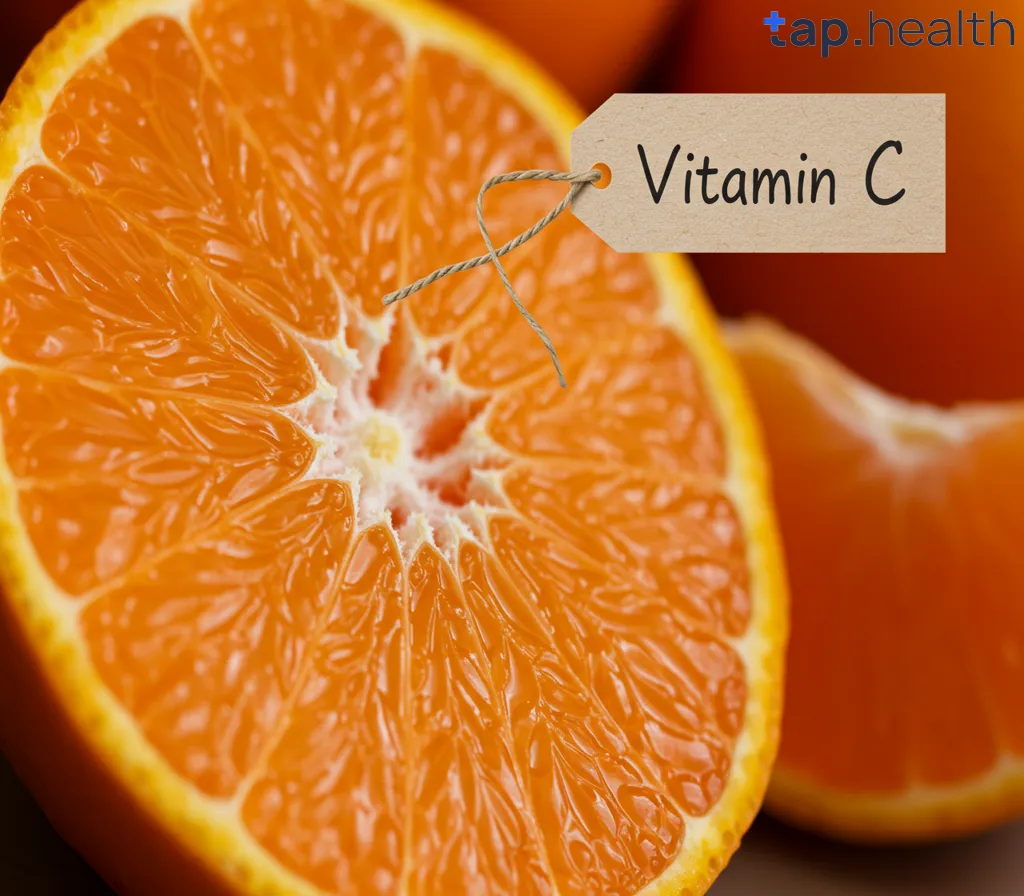
Clementines are a sweet and juicy citrus fruit, known for their easy-to-peel skin and refreshing flavor. Not only are they delicious and portable, but they also pack a punch when it comes to nutrition—especially Vitamin C.
But how much Vitamin C does a clementine actually contain? How does it compare to other fruits, and why is Vitamin C so important for your health? In this blog post, we’ll explore the Vitamin C content of clementines, their benefits, and why they should be a regular part of your diet.
What is Vitamin C?
Before we dive into how much Vitamin C is in a clementine, let’s first understand what Vitamin C is and why it’s so important for our health.
What Does Vitamin C Do for the Body?
Vitamin C, also known as ascorbic acid, is an essential nutrient that our body needs to function properly. Since our bodies do not produce Vitamin C on their own, we must get it from food sources like fruits, vegetables, and supplements.
Some key functions of Vitamin C include:
- Boosting the immune system: Vitamin C helps protect against infections by supporting the function of immune cells.
- Antioxidant protection: It acts as an antioxidant, neutralizing free radicals and protecting cells from damage.
- Collagen production: Vitamin C is vital for the production of collagen, a protein that helps maintain the health of skin, cartilage, bones, and blood vessels.
- Absorption of iron: It enhances the absorption of non-heme iron (the type of iron found in plant-based foods), which is important for preventing iron-deficiency anemia.
Why Do We Need Vitamin C?
Vitamin C is essential for overall health and well-being. It helps maintain healthy skin, supports a strong immune system, and aids in the healing of wounds. A lack of Vitamin C can lead to a condition called scurvy, which causes symptoms like fatigue, muscle weakness, joint pain, and skin issues.
How Much Vitamin C is in a Clementine?
Now that we know how important Vitamin C is for our health, let’s get into the details: How much Vitamin C is in a clementine?
On average, a single clementine contains around 36.5 milligrams of Vitamin C. The exact amount can vary depending on the size of the fruit, but a typical clementine generally provides about 60% of the recommended daily intake (RDI) of Vitamin C for an adult.
Vitamin C Content in Different Serving Sizes
- One clementine: 36.5 milligrams of Vitamin C.
- One medium orange: About 70 milligrams of Vitamin C, which is almost twice the amount found in a clementine.
- 100 grams of clementine: Contains about 48 milligrams of Vitamin C.
How Does This Compare to Other Fruits?
When comparing the Vitamin C content of clementines to other fruits, clementines stand out as a good source of this essential vitamin. However, some fruits have higher amounts of Vitamin C:
- Kiwifruit: 92 milligrams per 100 grams.
- Strawberries: 59 milligrams per 100 grams.
- Pineapple: 47 milligrams per 100 grams.
- Guava: 228 milligrams per 100 grams (the highest among fruits).
- Oranges: 53 milligrams per 100 grams.
While clementines have less Vitamin C compared to other fruits like kiwis or guavas, they still provide a healthy amount, especially for a snack-sized fruit.
What Are the Health Benefits of Vitamin C in Clementines?
Clementines are not only delicious but also packed with Vitamin C, which brings several health benefits. Here are some of the top benefits of consuming Vitamin C from clementines:
1. Boosts Immune System Health
Vitamin C plays a significant role in supporting the immune system. It helps stimulate the production and function of white blood cells, which are essential for fighting off infections. By consuming clementines, you’re giving your immune system the support it needs to stay strong, especially during cold and flu season.
2. Supports Skin Health
Vitamin C is crucial for the production of collagen, a protein that helps maintain the elasticity and firmness of the skin. Collagen is essential for wound healing, and its production naturally decreases as we age. Eating clementines regularly can help improve skin texture, reduce the appearance of wrinkles, and promote overall skin health.
3. Helps Prevent Iron Deficiency
Vitamin C enhances the absorption of non-heme iron (the type of iron found in plant-based foods) by converting it into a more absorbable form. If you follow a vegetarian or vegan diet, consuming clementines with iron-rich foods (such as beans, lentils, and spinach) can help you get more iron from your diet and prevent iron deficiency.
4. Reduces the Risk of Chronic Diseases
Vitamin C’s antioxidant properties help reduce oxidative stress in the body, which is a contributing factor to the development of chronic diseases like heart disease and cancer. By consuming clementines and other Vitamin C-rich foods, you can support your body’s defense system against these harmful conditions.
5. Improves Mood and Reduces Stress
Some research suggests that Vitamin C may have a positive effect on mental health. It has been shown to reduce levels of cortisol (the stress hormone), helping to manage stress and improve overall mood. Including clementines in your diet can help manage stress and improve emotional well-being.
How to Incorporate Clementines into Your Diet
Clementines are not only delicious but also versatile, making them easy to incorporate into your daily meals. Here are a few simple ways to enjoy clementines:
1. Eat Them as a Snack
Clementines are easy to peel and perfect for a quick, healthy snack. Keep a few clementines in your bag or desk for an on-the-go vitamin boost.
2. Add to Salads
Peel and segment a clementine, then toss it into a salad for a sweet, citrusy flavor. They pair well with leafy greens, nuts, and cheese.
3. Use in Smoothies
Blend clementines into a refreshing smoothie along with other fruits like strawberries, spinach, and yogurt. Their natural sweetness will add a burst of flavor to your smoothie.
4. Top Your Yogurt or Oatmeal
Add segmented clementines to your morning bowl of yogurt or oatmeal for a tangy and Vitamin C-packed addition.
5. Clementine Juice
Freshly squeezed clementine juice is a great way to get a concentrated dose of Vitamin C. You can drink it on its own or mix it with other fruit juices for added flavor.
How Much Vitamin C Should You Be Getting Daily?
The amount of Vitamin C you need daily depends on your age, sex, and life stage. Here’s the general recommended daily intake (RDI) for Vitamin C:
Recommended Daily Intake of Vitamin C
- Infants (0-12 months): 40-50 milligrams
- Children (1-18 years): 15-75 milligrams
- Adults (19 years and older): 65-90 milligrams
- Pregnant women: 85 milligrams
- Breastfeeding women: 120 milligrams
How Many Clementines Do You Need to Meet Your Vitamin C Requirement?
One medium-sized clementine contains about 36.5 milligrams of Vitamin C, which covers roughly 60% of the daily recommended intake for an adult. For children, one or two clementines can provide nearly all their Vitamin C needs for the day.
Getting Enough Vitamin C Through Diet
To meet your Vitamin C needs, it’s important to consume a variety of fruits and vegetables. While clementines are a great source of Vitamin C, you can also get Vitamin C from other fruits like oranges, strawberries, kiwis, and vegetables like bell peppers and broccoli.
FAQ: How Much Vitamin C is in a Clementine?
1. How much Vitamin C is in a clementine?
A medium-sized clementine contains around 36.5 milligrams of Vitamin C, which is approximately 60% of the daily recommended intake for adults.
2. Can you get enough Vitamin C from clementines alone?
While clementines are a great source of Vitamin C, it’s important to consume a variety of fruits and vegetables to meet your daily Vitamin C needs.
3. Are clementines good for boosting the immune system?
Yes, clementines are rich in Vitamin C, which supports the immune system and helps fight infections.
4. Can you eat too many clementines?
Clementines are generally safe to eat in moderation, but consuming too many can lead to excessive sugar intake. It’s best to enjoy them as part of a balanced diet.
5. How should I store clementines to keep them fresh?
Store clementines in a cool, dry place. They can last for up to a week at room temperature or up to two weeks in the fridge.
Conclusion
Clementines are not just a tasty, refreshing snack—they are also a great source of Vitamin C, which provides a host of health benefits, from boosting your immune system to improving skin health. With 36.5 milligrams of Vitamin C per clementine, they offer an easy way to help meet your daily Vitamin C needs.
By including clementines in your diet, you can enjoy a naturally sweet, nutrient-packed fruit that supports your overall health. Whether you eat them on their own, add them to salads, or blend them into smoothies, clementines are a versatile and delicious way to get your Vitamin C fix.