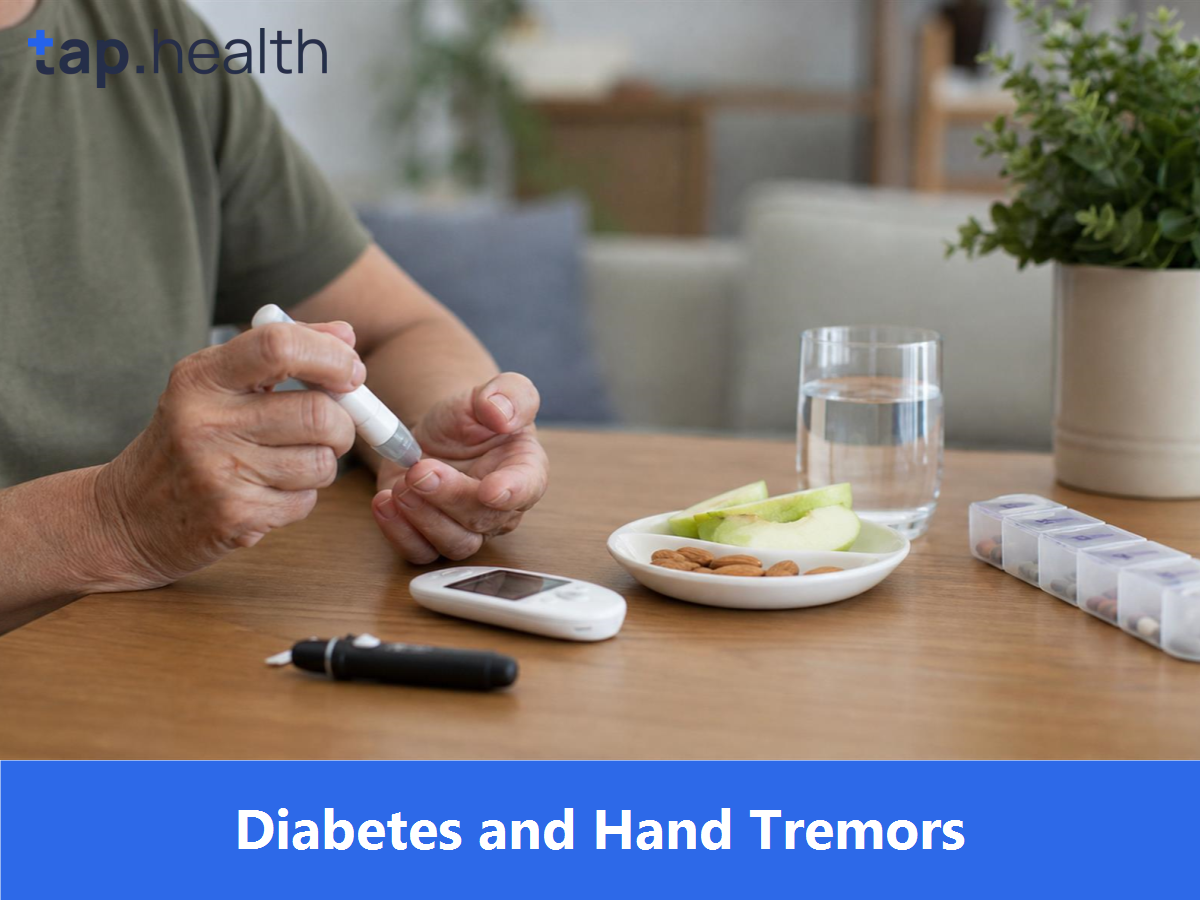
For people with diabetes, managing blood sugar levels often requires regular injections with diabetes needles, such as insulin pens or syringes. However, knowing how to properly dispose of these needles is just as important as using them. Improper disposal of diabetes needles can lead to injuries, infections, and environmental harm. In this guide, we will explain why safe needle disposal is essential and provide you with step-by-step instructions on how to dispose of diabetes needles in the safest and most responsible way.
Why is Proper Needle Disposal Important?
Proper needle disposal is crucial for several reasons. Whether you are using insulin syringes, lancets, or other diabetes-related needles, incorrect disposal can pose health and safety risks. Here’s why safe disposal is important:
1. Prevention of Needle Stick Injuries
Improperly discarded needles can cause accidental injuries, potentially leading to infections or exposure to bloodborne diseases. Individuals who handle garbage or waste are particularly at risk.
2. Infection Control
Needles used for diabetes management can carry blood that may contain viruses, bacteria, or other pathogens. By disposing of needles correctly, you reduce the risk of cross-contamination and the spread of infection.
3. Environmental Impact
Throwing used needles in the trash or flushing them down the toilet can lead to environmental contamination. Syringes and needles are made of materials that do not decompose easily and can contribute to pollution if not disposed of properly.
4. Legal and Local Guidelines
In some places, improper disposal of medical waste, including needles, is illegal. There are laws and regulations in place that require the safe disposal of sharp objects. Failing to follow these laws could lead to fines or other legal consequences.
How to Dispose of Diabetes Needles Safely
There are several methods for disposing of diabetes needles safely, and it’s important to follow the best practices outlined by healthcare authorities to protect yourself and the environment.
1. Use a Sharps Container
A sharps container is a puncture-resistant, leak-proof container designed to safely store needles, syringes, lancets, and other sharp objects. These containers can be obtained from healthcare providers, pharmacies, or online medical supply stores.
How to Use a Sharps Container:
- Fill it up: Once you’ve used your diabetes needle, place it immediately into the sharps container. Never try to recap or bend needles as this can increase the risk of injury.
- Seal it when full: Once the container is three-quarters full, seal it tightly and prepare for disposal.
- Don’t overfill: Ensure you don’t exceed the recommended fill line. Overfilling can cause needles to stick out, posing a risk of injury.
2. Dispose of the Sharps Container Properly
Once your sharps container is full, it needs to be disposed of according to local guidelines. Many areas offer designated disposal sites for sharps containers, ensuring that needles are safely handled.
Disposal Options:
- Local Hazardous Waste Drop-Off Locations: Many local health departments or pharmacies provide drop-off sites for medical waste. These sites typically accept sharps containers and other medical waste for safe disposal.
- Mail-Back Programs: Some companies offer mail-back programs where you can send your full sharps container to a medical facility for safe disposal. Be sure to follow the instructions carefully when using these services.
- Community-Based Collection Programs: Some communities organize regular events or have designated locations where you can drop off your full sharps containers.
3. Avoid Throwing Needles in the Trash or Recycling Bin
It is never safe to dispose of used diabetes needles in the household trash, recycling bin, or toilet. Needles can puncture through trash bags and recycling bins, posing a danger to anyone who handles them.
Why Not Throw Needles in the Trash?
- Needle Stick Injuries: People who handle trash, such as waste management workers or janitors, could be accidentally injured by improperly discarded needles.
- Legal Consequences: In some areas, it’s illegal to throw needles in the trash or recycling. Not adhering to local regulations can result in fines or legal penalties.
4. In-Home Needle Disposal Solutions
If you don’t have access to a sharps disposal service or location, there are other ways to handle needles at home until you can properly dispose of them.
Home Disposal Tips:
- Use a Hard Plastic Container: If you don’t have a sharps container, use a hard plastic container such as a milk jug or a soda bottle to store used needles temporarily. Make sure the container has a secure lid and is clearly labeled as “Sharps Waste.”
- Don’t Overstuff the Container: When it’s full, seal it tightly and dispose of it according to your local guidelines.
- Store It Safely: Keep the container in a safe, out-of-reach location where children and pets cannot access it.
Special Considerations for Diabetic Lancets and Other Sharps
In addition to syringes, people with diabetes also use lancets for testing blood sugar levels. While lancets may seem small, they still need to be disposed of properly to avoid injury and contamination.
How to Dispose of Lancets:
- Use the Same Sharps Container: Lancets should be placed in the same sharps container as insulin syringes. They are small but still pose a risk of injury if not disposed of safely.
- Follow the Same Disposal Guidelines: Like syringes, when the sharps container is full, seal it and dispose of it following the local regulations or disposal options.
What Happens if Diabetes Needles are Improperly Disposed Of?
Improper disposal of diabetes needles can have serious consequences. Here are some risks associated with improper disposal:
1. Risk to Public Health
Needles disposed of inappropriately can lead to the spread of bloodborne diseases such as HIV, hepatitis, and other infections. Needle stick injuries can expose people to these pathogens, putting public health at risk.
2. Environmental Harm
Used needles are made from materials that don’t break down easily in landfills. Flushing needles down the toilet or tossing them into the trash increases the likelihood of environmental contamination, which can harm wildlife and pollute water sources.
3. Increased Risk of Injury
Improperly discarded needles can lead to injuries, especially for sanitation workers, children, or anyone who unknowingly comes into contact with them. This can cause pain, infections, and more serious medical issues.
FAQs on How to Dispose of Diabetes Needles
1. Can I use a regular trash can for my diabetes needles?
No, you should never throw diabetes needles in the trash. Used needles must be placed in a sharps container to prevent injuries and comply with safety regulations.
2. How do I know when my sharps container is full?
Sharps containers typically have a fill line marked on the outside. Once the container reaches that line, it’s time to seal it and dispose of it properly.
3. What should I do if I don’t have access to a sharps container?
If you don’t have access to a sharps container, you can use a hard plastic bottle or jug (like a soda or milk bottle). Ensure it is puncture-resistant and securely sealed when full. Label it “Sharps Waste” clearly.
4. What are mail-back programs for sharps disposal?
Mail-back programs are services that allow you to send your full sharps container to a medical facility for safe disposal. These services are available through some medical supply companies or health departments.
5. What happens if I dispose of needles improperly?
Improper disposal of needles can lead to serious consequences, such as needle stick injuries, infections, and environmental contamination. It may also result in legal penalties depending on your local laws.
6. Can I throw used lancets in the regular trash?
No, used lancets must also be disposed of in a sharps container. While they are smaller than syringes, lancets are still sharp and can pose the same risks of injury and infection.
7. Where can I dispose of my diabetes needles?
Many communities have local disposal sites or programs for sharps containers. Check with your local health department or pharmacy for designated drop-off points. You can also explore mail-back programs.
Conclusion
Proper disposal of diabetes needles is essential for safety, health, and environmental protection. By following the correct disposal methods—such as using sharps containers, avoiding the trash, and utilizing local disposal services—you can prevent injuries, reduce the risk of infections, and comply with legal regulations. Always stay informed about your local guidelines and dispose of your diabetes needles responsibly. Safe disposal not only protects you but also helps keep your community and environment safe.
By taking these simple steps, you can manage your diabetes with peace of mind, knowing that you’re following the best practices for needle disposal. If you have any questions about disposal in your area or need guidance on using sharps containers, consult your healthcare provider for further advice.