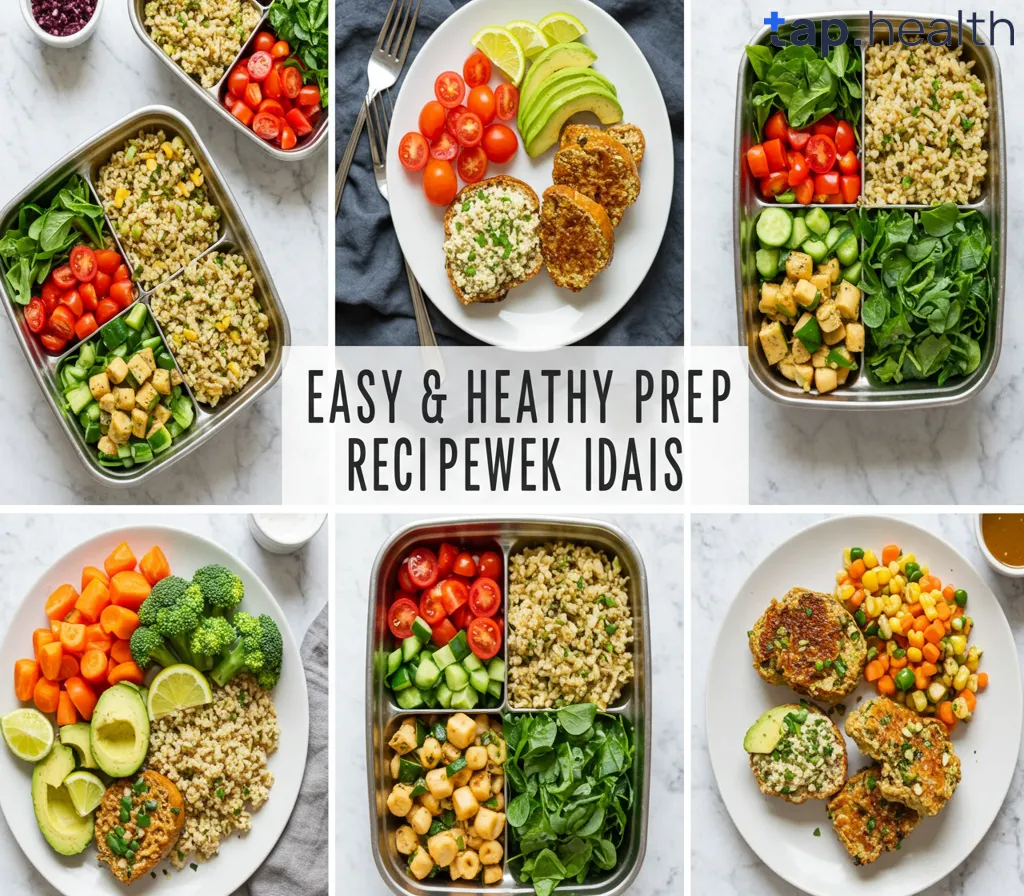
Meal prepping is one of the best ways to maintain a healthy diet while saving time during a busy week. It can be hard to find time to cook fresh meals every day, but with meal prep, you can prepare nutritious dishes in advance and enjoy them throughout the week. Whether you’re trying to lose weight, eat healthier, or simply save time, meal prepping can help you stick to your nutrition goals without the stress of cooking every day.
In this guide, we’ll show you how to make healthy meal prep recipes for the week. From meal planning to cooking tips, we’ll walk you through everything you need to know to make meal prep work for you.
Why Meal Prep is a Great Choice for Healthy Eating
Meal prepping can be a game-changer for anyone looking to stay on track with their nutrition goals. Here are some of the biggest benefits of meal prepping:
1. Saves Time and Reduces Stress
Meal prep allows you to spend less time cooking during the week. Instead of scrambling to make a healthy meal every night, you can prepare everything in advance and simply heat it up when you’re ready to eat. This reduces stress and frees up time for other activities.
2. Helps Control Portions and Calorie Intake
By preparing meals ahead of time, you can control portion sizes and ensure that each meal is balanced with the right macronutrients (proteins, carbs, and fats). This can help you avoid overeating or choosing unhealthy snacks when you’re hungry.
3. Prevents Unhealthy Food Choices
Having healthy meals ready to go means you’re less likely to grab fast food or unhealthy snacks when you’re in a rush or feeling hungry. When you have nutritious meals already prepared, you’ll be more likely to stick to your diet goals.
4. Saves Money
When you meal prep, you can buy ingredients in bulk, which can save you money in the long run. Preparing your own meals is often cheaper than ordering takeout or buying pre-packaged meals.
How to Get Started with Healthy Meal Prep
Before diving into the actual meal prep recipes, there are a few important steps to take. Proper planning is key to successful meal prepping.
1. Plan Your Meals for the Week
Start by deciding what meals you want to prepare. Make sure to include a variety of proteins, vegetables, and whole grains to create balanced meals. Here are a few general guidelines for planning:
- Breakfast: Consider making overnight oats, chia puddings, or egg muffins. These are quick and easy to prepare in advance.
- Lunch: Think about salads with lean protein (chicken, turkey, tofu) or grain bowls with quinoa, rice, or couscous.
- Dinner: Prepare larger meals like grilled chicken with roasted vegetables, stir-fry with brown rice, or baked salmon with sweet potatoes.
- Snacks: Pre-portion fruits, nuts, and veggies to make healthy snacks easy to grab.
2. Create a Grocery List
Once you’ve planned your meals, create a grocery list with all the ingredients you need. Stick to whole, nutrient-dense foods like lean meats, fresh vegetables, fruits, and whole grains. Avoid processed foods as much as possible.
3. Invest in Storage Containers
Having the right storage containers is essential for keeping your meals fresh throughout the week. Invest in good-quality, BPA-free containers that are microwave and dishwasher safe. Glass containers are often the best choice as they don’t absorb odors and can be used in the microwave.
4. Batch Cook in One Sitting
Choose a day (usually Sunday or whichever day works best for your schedule) to do your meal prep. Cook multiple meals in one sitting so that you can store them in individual portions for the week ahead. Cooking in batches saves time and ensures you have enough meals for several days.
Healthy Meal Prep Recipe Ideas
Now that you know the basics of meal prepping, here are some healthy recipe ideas for breakfast, lunch, dinner, and snacks. These recipes are nutrient-dense, easy to prepare, and perfect for meal prepping.
1. Breakfast: Overnight Oats (Approx. 350 Calories per Serving)
Overnight oats are a quick, healthy breakfast that’s perfect for meal prep. They’re packed with fiber and protein, making them filling and satisfying.
Ingredients:
- 1/2 cup rolled oats
- 1/2 cup almond milk (or any milk of choice)
- 1 tablespoon chia seeds
- 1/2 teaspoon vanilla extract
- 1/4 cup mixed berries (fresh or frozen)
- 1 teaspoon honey or maple syrup (optional)
Instructions:
- Combine all ingredients in a mason jar or airtight container.
- Stir well and refrigerate overnight.
- In the morning, give it a stir and enjoy!
2. Lunch: Chicken and Quinoa Salad (Approx. 450 Calories per Serving)
This chicken and quinoa salad is a protein-packed lunch that’s easy to make in bulk. The quinoa provides a good source of complex carbohydrates, and the chicken gives you lean protein.
Ingredients:
- 2 chicken breasts, grilled and sliced
- 1 cup cooked quinoa
- 1 cup chopped cucumber
- 1 cup cherry tomatoes, halved
- 1/2 cup red bell pepper, diced
- 1/4 cup feta cheese (optional)
- 2 tablespoons olive oil
- 1 tablespoon lemon juice
- Salt and pepper to taste
Instructions:
- Cook the chicken and quinoa according to your preferred methods.
- In a large bowl, mix the cooked quinoa, cucumber, tomatoes, bell pepper, and chicken.
- Drizzle with olive oil, lemon juice, and season with salt and pepper.
- Divide into containers for meal prep. Enjoy throughout the week!
3. Dinner: Baked Salmon with Roasted Vegetables (Approx. 500 Calories per Serving)
Baked salmon is an excellent source of omega-3 fatty acids, and when paired with roasted vegetables, it makes a balanced, healthy dinner.
Ingredients:
- 4 salmon fillets
- 2 cups broccoli florets
- 1 cup carrots, sliced
- 1 tablespoon olive oil
- Salt and pepper to taste
- 1 lemon, sliced
Instructions:
- Preheat your oven to 400°F (200°C).
- Place the salmon fillets on a baking sheet and season with olive oil, salt, and pepper. Lay lemon slices on top.
- Arrange the broccoli and carrots around the salmon on the same sheet. Drizzle with olive oil and season with salt and pepper.
- Bake for 20-25 minutes or until the salmon flakes easily with a fork.
- Store in individual containers for an easy and healthy dinner.
4. Snack: Veggie and Hummus Cups (Approx. 150 Calories per Serving)
Veggies and hummus are the perfect healthy snack to keep you full between meals.
Ingredients:
- 1 cup carrot sticks
- 1 cup cucumber slices
- 1/2 cup cherry tomatoes
- 1/2 cup hummus
Instructions:
- Portion the veggies into small containers or snack bags.
- Add a portion of hummus to each container for dipping.
- These are perfect for quick, on-the-go snacks.
Tips for Successful Meal Prep
To make meal prepping a seamless and efficient process, follow these tips:
1. Use a Meal Prep Template
Creating a meal prep template will help streamline the process. For example, make sure you have a source of protein, a whole grain, and vegetables in each meal. This balance will keep your meals nutritious and well-rounded.
2. Cook in Bulk
Cooking larger batches of food, such as rice, quinoa, or roasted vegetables, can save you time. You can use these base ingredients for multiple meals throughout the week.
3. Mix Up Your Meal Plan
Avoid getting bored by switching up your meals each week. Try different proteins, grains, and vegetables to keep your meals exciting. You can even batch-cook different proteins (like chicken, tofu, or turkey) for variety.
4. Label Your Containers
Label each container with the date it was made so you can keep track of freshness. This will help you avoid eating spoiled meals later in the week.
Frequently Asked Questions (FAQs) on How to Make Healthy Meal Prep Recipes for the Week?
How Long Do Meal Preps Last in the Fridge?
Most meal prep meals can last 4-5 days in the fridge if stored properly in airtight containers. For longer shelf life, consider freezing some meals to extend their freshness.
Can I Freeze My Meal Prep?
Yes! Freezing meals is a great way to extend their shelf life. Make sure to freeze meals in airtight containers or freezer-safe bags. When reheating, be sure to defrost in the fridge overnight or use the microwave on a low setting.
How Can I Make Meal Prep More Enjoyable?
Make meal prep more fun by experimenting with different recipes and flavors each week. You can also involve family or friends to make it a group activity. Adding variety to your meals will keep things exciting!
Can Meal Prep Help with Weight Loss?
Yes, meal prepping can support weight loss by helping you control portion sizes, reduce calorie intake, and ensure you eat balanced, nutritious meals. It also helps prevent unhealthy snacking and encourages mindful eating.
In conclusion, meal prepping is a powerful tool for eating healthier, saving time, and staying on track with your nutrition goals. By following these simple steps, creating a balanced meal plan, and trying out these easy recipes, you can enjoy delicious and nutritious meals all week long. Happy prepping!