Diabetes is one of the most common chronic diseases affecting millions of people globally. While there is no magical cure for diabetes, managing it with the right diet and lifestyle changes can significantly improve blood sugar levels and even lead to a reversal of the condition, especially for those with Type 2 diabetes.
In this article, we will discuss how to reverse diabetes with a carefully structured diet plan, backed by scientific evidence and expert advice. We’ll explore the best foods to include in your diet, foods to avoid, meal planning tips, and the lifestyle changes that can support your efforts to reverse diabetes.
What is Diabetes?
Diabetes is a condition where the body either doesn’t produce enough insulin (Type 1 diabetes) or becomes resistant to insulin (Type 2 diabetes). Insulin is a hormone that helps regulate blood sugar (glucose). When insulin is not functioning properly, blood sugar levels can rise, leading to various health problems.
Type 1 Diabetes:
This type is typically diagnosed in childhood or adolescence and requires lifelong insulin therapy.
Type 2 Diabetes:
The more common form, Type 2 diabetes, occurs when the body becomes resistant to insulin. It is often linked to lifestyle factors such as poor diet, lack of exercise, and obesity. This type can often be reversed through proper diet, exercise, and weight loss.
Can Diabetes Be Reversed?
While there is no “cure” for diabetes, particularly for Type 1 diabetes, Type 2 diabetes can often be managed effectively and even reversed. Reversal doesn’t mean the condition is gone for good, but it means that your blood sugar levels can return to normal without the need for medication or with a reduced dosage. A major factor in reversing Type 2 diabetes is adopting a healthy lifestyle that includes a balanced diet, regular physical activity, and weight loss.
Scientific research has shown that some people with Type 2 diabetes have successfully reversed their condition by making significant changes to their diet and exercise routine. One study by the Diabetes Remission Clinical Trial (DiRECT) found that nearly 50% of participants who lost weight and followed a healthy diet were able to reverse their diabetes after one year.
The Role of Diet in Reversing Diabetes
Diet plays a pivotal role in managing diabetes. By choosing foods that are low in glycemic index (GI), high in fiber, and rich in nutrients, you can stabilize your blood sugar levels and improve your insulin sensitivity.
Here are the basic principles for planning a diabetes-reversal diet:
1. Focus on Low Glycemic Index Foods
The glycemic index (GI) measures how quickly food raises blood sugar levels. Foods with a high GI cause rapid increases in blood sugar, while low-GI foods have a slower, more gradual effect.
- Low GI Foods: Whole grains, legumes, non-starchy vegetables, and certain fruits like berries and apples.
- High GI Foods: White bread, white rice, sugary cereals, and soda.
2. Increase Fiber Intake
Fiber slows down the digestion of carbohydrates and prevents sudden spikes in blood sugar. It also helps with weight management by making you feel fuller for longer. Aim for at least 25-30 grams of fiber per day.
- Fiber-rich Foods: Vegetables, fruits, whole grains (brown rice, oats), beans, and lentils.
3. Balance Carbs, Protein, and Fats
A well-balanced meal that includes all three macronutrients – carbohydrates, protein, and healthy fats – helps maintain stable blood sugar levels. The ratio of each nutrient should be tailored to your individual needs.
- Healthy Carbs: Whole grains, starchy vegetables (sweet potatoes), and fruits.
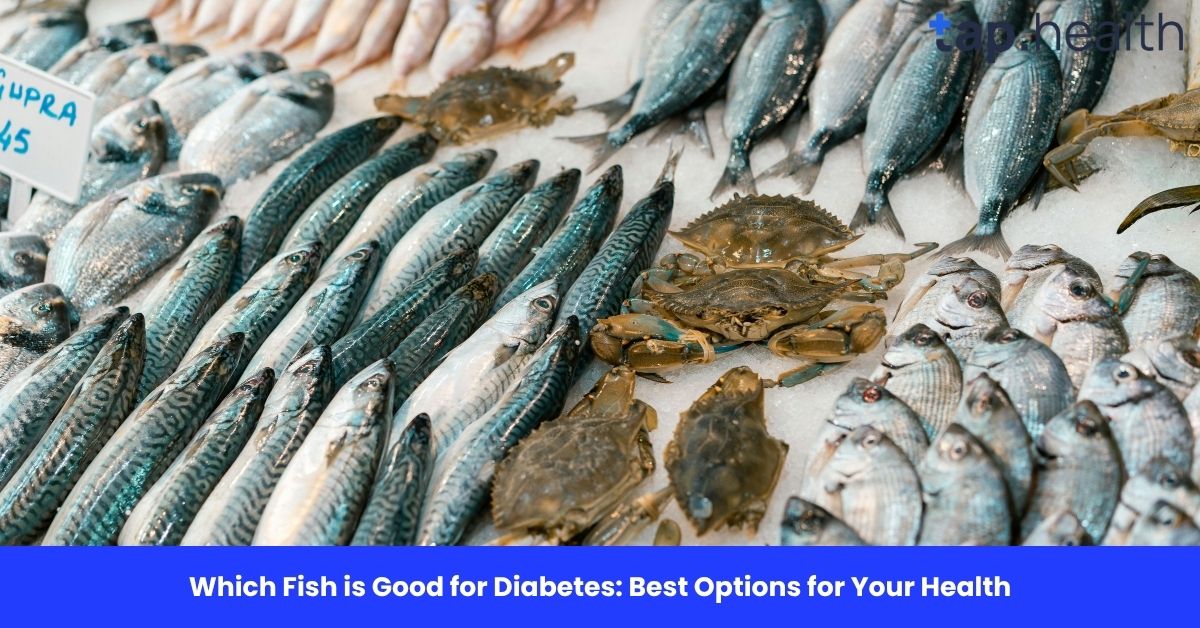
- Lean Proteins: Chicken, fish, tofu, eggs, beans, and legumes.
- Healthy Fats: Olive oil, avocados, nuts, seeds, and fatty fish like salmon.
4. Avoid Processed Foods and Sugary Beverages
Processed foods and sugary drinks lead to blood sugar spikes and contribute to weight gain, which can worsen insulin resistance. It’s essential to avoid or limit foods like:
- Sugary beverages (sodas, energy drinks)
- Refined carbs (white bread, pasta)
- Processed snacks (chips, cookies)
Step-by-Step: How to Build Your Reverse Diabetes Diet Plan
Let’s build your plan — simple, doable, no fancy skills needed.
Step 1: Clear Out the Bad Stuff
Open your fridge and pantry. Toss or donate:
- Sugary drinks (soda, juice, sweet tea)
- White bread, bagels, muffins
- Pasta, white rice
- Candy, cookies, cakes
- Chips, crackers, pretzels
- “Diet” foods loaded with fake sugar and chemicals
Out of sight, out of mind.
Step 2: Stock Your Kitchen with Reverse-Friendly Foods
Fill up on these:
Proteins:
- Eggs
- Chicken thighs, breasts
- Ground beef (80/20 is fine)
- Salmon, tuna, sardines
- Pork chops, bacon (uncured)
- Tofu, tempeh
Veggies (non-starchy):
- Spinach, kale, arugula
- Broccoli, cauliflower, Brussels sprouts
- Zucchini, eggplant, mushrooms
- Bell peppers, onions, tomatoes
- Green beans, asparagus, cabbage
Fats:
- Olive oil, avocado oil
- Butter, ghee
- Avocados
- Nuts (almonds, walnuts, macadamias)
- Seeds (chia, flax, pumpkin)
- Full-fat cheese, sour cream, plain Greek yogurt
Low-Sugar Fruits (small portions):
- Berries (strawberries, blueberries, raspberries)
- Green apples
- Lemons, limes
Drinks:
- Water
- Black coffee
- Herbal tea
- Sparkling water (no sugar)
Step 3: Plan Your Meals Using the “Plate Flip”
Forget the old “balanced plate.” For reversing diabetes, flip it.
Your new plate:
- ½ Plate: Non-starchy veggies (cooked or raw)
- ¼ Plate: Protein (meat, fish, eggs, tofu)
- ¼ Plate: Healthy fats (avocado, cheese, olive oil, nuts)
- NO STARCHES (no rice, no potatoes, no bread — at least at first)
Add a small handful of berries or 1/4 apple if you want.
Step 4: Eat This, Not That – Simple Swaps
| White rice | Cauliflower rice |
| Pasta | Zucchini noodles (zoodles) or spaghetti squash |
| Bread | Lettuce wraps or low-carb tortillas |
| Potato chips | Pork rinds or kale chips |
| Sugary yogurt | Full-fat plain Greek yogurt + cinnamon |
| Orange juice | Sparkling water + lemon |
| Cereal | Scrambled eggs + avocado |
| Beer | Dry wine or vodka + soda water |
Step 5: Time Your Meals Right
When you eat matters as much as what you eat.
Best schedule for reversing diabetes:
- Stop eating 3 hours before bed (lets insulin drop overnight)
- Skip breakfast if you’re not hungry (intermittent fasting)
- Eat 2–3 meals, no snacks (gives your pancreas breaks)
- Avoid late-night eating
Example day:
- 12 PM: Big lunch (protein + veggies + fats)
- 4 PM: Small snack if needed (handful of nuts or cheese)
- 7 PM: Dinner (same as lunch)
- Fast until 12 PM next day
Sample 1-Day Reverse Diabetes Meal Plan
Here’s what a simple, powerful day looks like:
Meal 1 (12 PM – Lunch)
- Grilled chicken thighs (2)
- Roasted broccoli and cauliflower (1.5 cups)
- ½ avocado, sliced
- Olive oil drizzle + lemon juice
Optional Snack (4 PM – Only if hungry)
- 1 hard-boiled egg
- 10 almonds
Meal 2 (7 PM – Dinner)
- Pan-seared salmon
- Sautéed spinach and mushrooms in butter
- Side salad with olive oil & vinegar
- 1 square dark chocolate (85%+ cocoa)
Drinks All Day:
- Water with lemon
- Black coffee (no sugar)
- Herbal tea
Total Carbs: Under 30g
Calories: ~1400–1600 (adjust for your needs)
What to Drink to Reverse Diabetes
Liquid sugar is enemy #1.
Best Drinks:
- Water (add lemon, cucumber, mint)
- Black coffee (no sugar, minimal cream)
- Herbal tea (peppermint, chamomile, ginger)
- Sparkling water (unsweetened)
- Bone broth (great for fasting days)
Worst Drinks:
- Soda (even diet — triggers cravings)
- Fruit juice (even “100% natural”)
- Sweet tea, lemonade
- Energy drinks
- Flavored lattes, frappuccinos
Tip: If you miss soda, try Zevia (stevia-sweetened) or mix sparkling water with a splash of lime.
How to Handle Hunger and Cravings
Yes, you’ll feel hungry at first. Your body is detoxing from sugar. It’s normal — and temporary.
Why You’re Hungry:
- Sugar withdrawal
- Body switching to fat-burning mode
- Hormones adjusting
How to Beat It:
- Drink water or herbal tea — thirst feels like hunger
- Eat more fat — fat keeps you full (add butter, olive oil, avocado)
- Sleep 7–8 hours — lack of sleep = hunger hormones go wild
- Distract yourself — go for a walk, call a friend, chew gum
- Ride the wave — cravings last 10–15 minutes. Set a timer.
Pro Tip: Salt your food. Low-carb diets flush out sodium — and low sodium = headaches and hunger. Add a pinch of sea salt to meals or drink broth.
How Much Weight Do You Need to Lose to Reverse Diabetes?
Studies show:
- Lose 10–15 lbs → Blood sugar improves
- Lose 20–30 lbs → High chance of remission
- Lose fat from belly and liver → Insulin starts working again
You don’t need to be “skinny.” You just need to lose the dangerous fat clogging your organs.
How to target liver fat:
- Cut sugar and refined carbs
- Eat more healthy fats
- Do intermittent fasting
- Walk 30 mins/day
Foods to Include in Your Diabetes-Reversal Diet
Here is a list of foods that should be included in a diet aimed at reversing Type 2 diabetes:
1. Leafy Greens and Non-Starchy Vegetables
Leafy greens are low in calories and carbohydrates, making them perfect for diabetes control. They are also high in fiber, vitamins, and minerals.
- Examples: Spinach, kale, collard greens, arugula, broccoli, cauliflower, bell peppers.
2. Whole Grains
Whole grains are packed with fiber and have a low glycemic index, which makes them ideal for controlling blood sugar.
- Examples: Brown rice, quinoa, barley, oats, whole-wheat bread, and pasta.
3. Nuts and Seeds
Nuts and seeds are a great source of healthy fats, protein, and fiber. They help regulate blood sugar levels and are a satisfying snack that doesn’t cause spikes in glucose.
- Examples: Almonds, walnuts, chia seeds, flaxseeds, sunflower seeds.
4. Legumes
Legumes are rich in fiber and protein, both of which help with blood sugar control. They also promote feelings of fullness, which can help with weight loss.
- Examples: Lentils, chickpeas, black beans, kidney beans.
5. Lean Proteins
Lean proteins are low in unhealthy fats and high in the nutrients your body needs to function optimally.
- Examples: Skinless chicken breast, turkey, fish, eggs, tofu.
6. Berries and Low-Sugar Fruits
Fruits such as berries have a low glycemic index and are high in antioxidants, which can help lower inflammation and improve insulin sensitivity.
- Examples: Blueberries, strawberries, raspberries, blackberries, apples, pears.
7. Healthy Fats
Incorporating healthy fats into your diet can improve insulin sensitivity and help maintain healthy blood sugar levels.
- Examples: Avocados, olive oil, fatty fish (salmon, mackerel), nuts, and seeds.
Foods to Avoid in a Diabetes-Reversal Diet
To effectively reverse diabetes, it’s crucial to avoid foods that can spike blood sugar and worsen insulin resistance.
1. Refined Carbohydrates
Refined carbs are rapidly digested and cause quick increases in blood sugar levels.
- Examples: White bread, white rice, sugary cereals, pastries, and most processed snacks.
2. Sugary Drinks and Sweets
Sugary drinks are one of the biggest contributors to weight gain and insulin resistance. They provide empty calories with little nutritional value.
- Examples: Soda, fruit juices with added sugar, sweetened coffee drinks, and energy drinks.
3. Fried and Processed Foods
These foods are high in unhealthy fats, which can increase cholesterol and worsen insulin resistance.
- Examples: Fried chicken, French fries, packaged snacks, fast food, and processed meats like sausages.
4. Full-Fat Dairy
Full-fat dairy products can increase the risk of heart disease, which is already elevated in people with diabetes.
- Examples: Whole milk, cream, full-fat cheese, and butter.
A Sample 7-Day Diabetes-Reversal Meal Plan
Here’s an example of a 7-day meal plan designed to help reverse Type 2 diabetes:
Day 1:
- Breakfast: Scrambled eggs with spinach and a slice of whole-wheat toast.
- Lunch: Grilled chicken salad with mixed greens, cucumbers, and olive oil dressing.
- Dinner: Baked salmon with quinoa and roasted vegetables.
- Snack: A handful of almonds.
Day 2:
- Breakfast: Oatmeal topped with chia seeds and blueberries.
- Lunch: Lentil soup with a side of mixed vegetables.
- Dinner: Stir-fried tofu with brown rice and sautéed spinach.
- Snack: Carrot sticks with hummus.
Day 3:
- Breakfast: Greek yogurt with mixed berries and flaxseeds.
- Lunch: Turkey and avocado wrap with a whole-wheat tortilla.
- Dinner: Grilled chicken breast with roasted sweet potatoes and steamed broccoli.
- Snack: A small apple with a handful of walnuts.
How Exercise Helps Reverse Diabetes
In addition to dietary changes, regular exercise is essential for reversing Type 2 diabetes. Exercise helps improve insulin sensitivity, lower blood sugar levels, and promote weight loss.
- Aerobic Exercise: Activities like walking, jogging, and cycling help improve cardiovascular health and insulin sensitivity.
- Strength Training: Lifting weights or doing bodyweight exercises (like squats and lunges) helps build muscle mass, which enhances insulin sensitivity.
- Yoga or Stretching: Yoga can reduce stress, improve flexibility, and support overall well-being.
Aim for at least 30 minutes of moderate-intensity exercise most days of the week.
Real-Life Scenario
Consider the case of Ramesh, a 52-year-old man diagnosed with Type 2 diabetes. Initially, his blood sugar levels were high, and he was on medication. After adopting a low-calorie diet and incorporating regular physical activity, Ramesh lost 12 kg over six months. His blood sugar levels normalized, allowing him to reduce his medication dosage. This transformation underscores the potential of lifestyle interventions in managing Type 2 diabetes.
Expert Contribution
According to the American Diabetes Association, Type 2 diabetes can be managed and even reversed through lifestyle changes, particularly diet and exercise. Dr. Roy Taylor from Newcastle University has conducted pivotal research demonstrating that a very low-calorie diet can lead to remission in Type 2 diabetes patients by reducing fat in the pancreas and liver, thereby restoring insulin sensitivity.
Recommendations Grounded in Proven Research and Facts
1. Adopt a Low-Calorie Diet
Studies, including the DiRECT trial, have shown that a very low-calorie diet (around 800 calories per day) can lead to remission in Type 2 diabetes patients. This approach helps in significant weight loss, which is crucial for managing blood sugar levels.
2. Focus on Low Glycemic Index (GI) Foods
Consuming foods with a low GI helps in maintaining stable blood sugar levels. Examples include whole grains, legumes, non-starchy vegetables, and certain fruits like berries and apples. These foods are digested slowly, preventing rapid spikes in blood sugar.
3. Increase Fiber Intake
A high-fiber diet slows the absorption of sugar and improves blood sugar levels. Incorporate foods like leafy greens, whole grains, legumes, and fruits with edible skins to boost fiber intake.
4. Include Healthy Fats
Healthy fats, such as those found in avocados, olive oil, and fatty fish, can improve insulin sensitivity and reduce inflammation, both of which are beneficial for managing Type 2 diabetes.
5. Limit Processed and Sugary Foods
Avoid foods high in added sugars and refined carbohydrates, like sugary beverages, candies, and white bread. These can cause rapid spikes in blood sugar levels and contribute to insulin resistance.
FAQ on How to Reverse Diabetes?
1. Can Type 2 diabetes be completely reversed?
While Type 2 diabetes can often be reversed with diet and lifestyle changes, it’s important to maintain healthy habits for long-term management. Reversal means that blood sugar levels can return to normal without the need for medication.
2. Can I eat fruit if I have diabetes?
Yes, fruits like berries, apples, and pears can be consumed in moderation. These fruits are low in sugar and have a low glycemic index, making them a good choice for managing blood sugar levels.
3. Is a low-carb diet necessary to reverse diabetes?
A low-carb diet can be helpful for some people in reversing Type 2 diabetes. However, the key is to focus on the quality of carbohydrates (whole grains, legumes, etc.) rather than eliminating them completely.
4. How long does it take to reverse Type 2 diabetes with diet?
The time it takes to reverse diabetes varies for each individual. Some people see improvements in blood sugar control within weeks, while for others, it may take months.
5. Can I drink alcohol while trying to reverse diabetes?
Alcohol can affect blood sugar levels. If you choose to drink, do so in moderation, and always pair it with food. Consult with your healthcare provider for personalized guidance.
Note: For a comprehensive 1,800-calorie Indian diet plan tailored for weight loss and wellness, you can refer to this detailed guide.