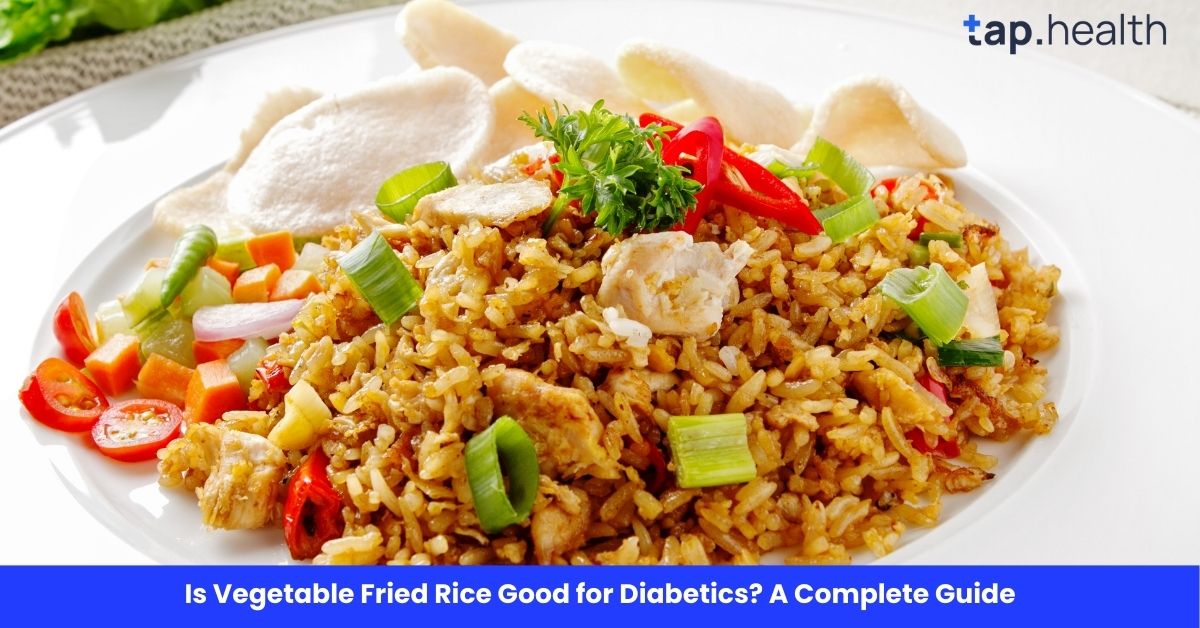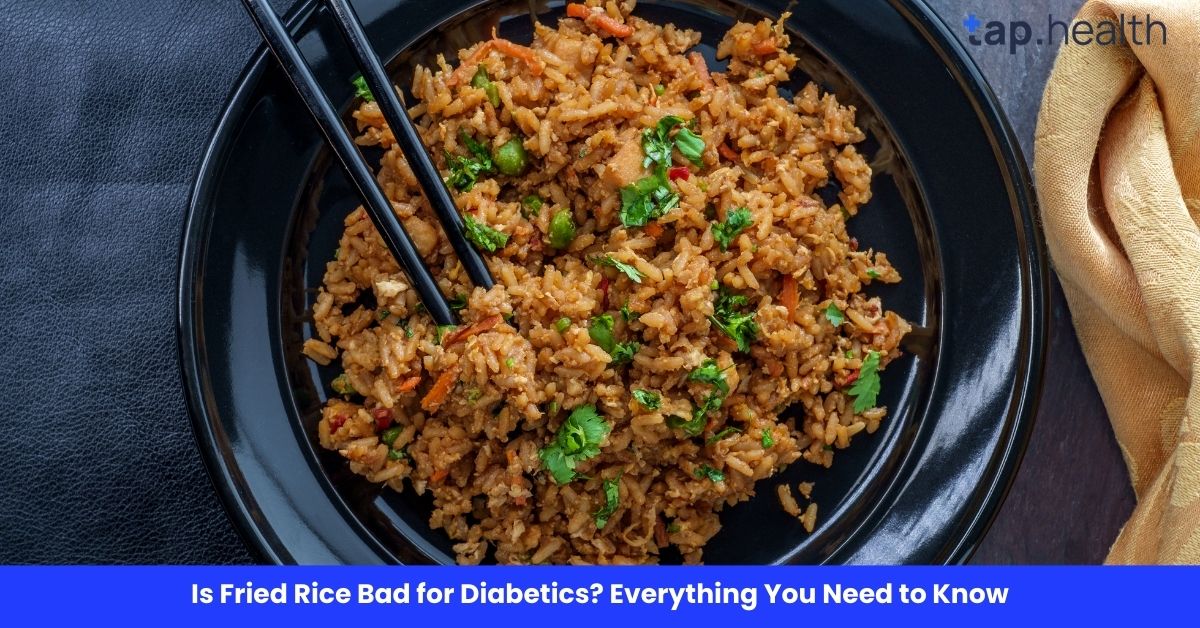
Fried rice is one of those versatile dishes enjoyed by people worldwide. Its combination of rice, vegetables, and spices makes it flavorful, quick, and satisfying. However, for diabetics, not all fried rice is created equal. While traditional fried rice can lead to blood sugar spikes due to its high carbohydrate content, there is a healthier alternative—Indo Chinese veg fried rice made diabetic-friendly.
This comprehensive guide will explore how to prepare Indo Chinese veg fried rice in a way that is both delicious and suitable for diabetics. We’ll cover the ingredients, health benefits, cooking tips, and more, ensuring you can enjoy this popular dish while managing your blood sugar levels effectively.
What Is Indo Chinese Veg Fried Rice?
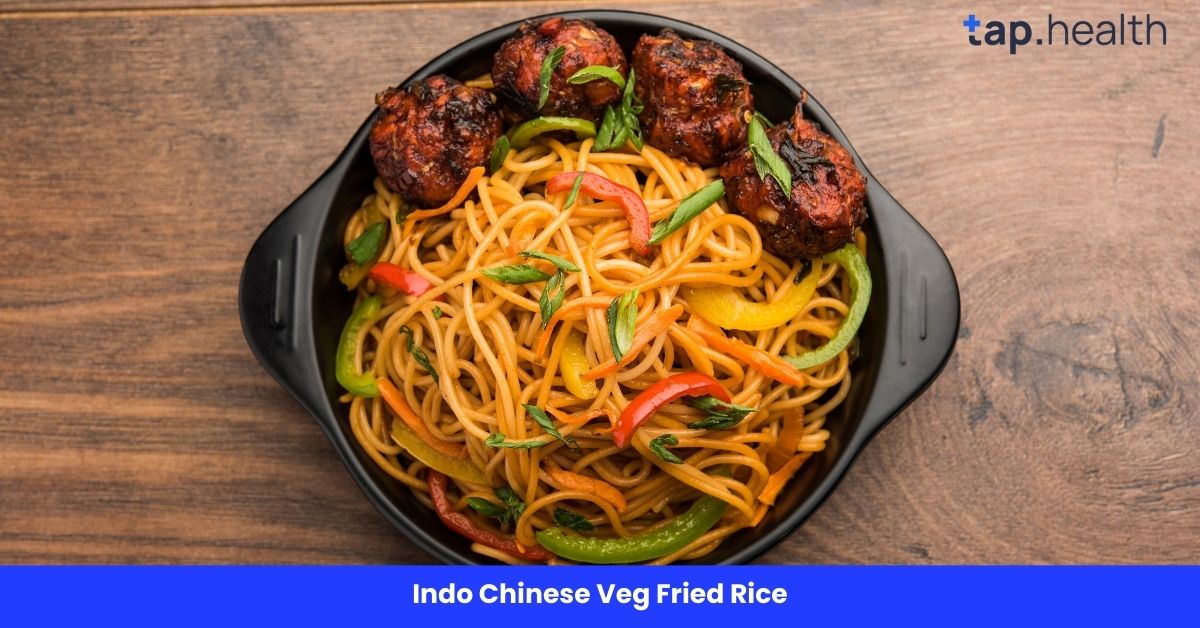
Indo Chinese veg fried rice is a popular dish that combines traditional Chinese fried rice with Indian spices and flavors. It’s a fusion dish typically made with stir-fried rice, vegetables like carrots, peas, and bell peppers, and seasoned with soy sauce, ginger, garlic, and other aromatic spices.
This dish is a hit due to its vibrant flavors and versatility. It can be eaten as a side dish or as a complete meal. However, traditional Indo Chinese fried rice is often made with white rice, which can be high in carbohydrates and lead to blood sugar spikes—especially for diabetics.
How Is Indo Chinese Veg Fried Rice Different from Regular Fried Rice?
Regular fried rice is typically made with plain white rice stir-fried with vegetables, eggs, and seasonings. While it’s tasty, it often contains a lot of oil and uses white rice, which has a high glycemic index (GI). This means that it can cause a rapid spike in blood sugar levels.
Indo Chinese veg fried rice, on the other hand, is a variation that infuses Chinese ingredients with Indian spices and flavors. It may include soy sauce, ginger, garlic, green chilies, and other seasonings to create a unique flavor profile. This dish can be customized to make it healthier by using whole grains, adding more vegetables, and reducing the amount of oil.
Is Indo Chinese Veg Fried Rice Healthy for Diabetics?
Indo Chinese veg fried rice in its regular form is not very healthy for diabetics because it’s usually made with white rice and lots of oil, which can spike blood sugar. But it can be made diabetic-friendly by using brown rice or quinoa instead of white rice, adding more fiber-rich vegetables, using minimal oil, and keeping portions small. This way, you can still enjoy the flavor without harming blood sugar control.
Ingredients in Diabetic-Friendly Indo Chinese Veg Fried Rice
When preparing diabetic-friendly Indo Chinese veg fried rice, it’s crucial to focus on using low-GI ingredients and cooking methods that keep blood sugar levels in check. Here are the key ingredients to use:
1. Brown Rice or Quinoa Instead of White Rice
Brown rice and quinoa are healthier alternatives to white rice. They have a lower glycemic index, more fiber, and are packed with essential nutrients. The fiber helps slow the absorption of glucose into the bloodstream, making it a better choice for diabetics.
2. Plenty of Non-Starchy Vegetables
Vegetables such as carrots, peas, bell peppers, broccoli, and spinach are low in carbs and high in fiber. They add flavor and nutrients to the dish without causing blood sugar spikes.
3. Healthy Cooking Oils
Instead of using unhealthy vegetable oils or excessive amounts of oil, opt for healthier oils like olive oil or avocado oil. These oils contain monounsaturated fats, which are good for heart health and can help with insulin sensitivity.
4. Soy Sauce (Low Sodium)
Traditional soy sauce is often high in sodium, which can raise blood pressure. Opting for a low-sodium version helps keep sodium intake in check while still providing that signature soy sauce flavor.
5. Herbs and Spices
Using fresh herbs and spices like garlic, ginger, turmeric, and coriander adds not only flavor but also anti-inflammatory benefits, which are important for managing diabetes.
How to Make Diabetic-Friendly Indo Chinese Veg Fried Rice
Now that you know which ingredients to use, let’s walk through a step-by-step guide to making Indo Chinese veg fried rice that’s suitable for diabetics.
Ingredients:
- 1 cup brown rice or quinoa (cooked and cooled)
- 1 tablespoon olive oil or avocado oil
- 1 cup mixed vegetables (carrots, peas, bell peppers, broccoli)
- 1 small onion (chopped)
- 1-2 cloves garlic (minced)
- 1 teaspoon ginger (minced)
- 2 tablespoons low-sodium soy sauce
- 1 tablespoon vinegar
- 1/2 teaspoon chili sauce (optional)
- Salt and pepper to taste
- Fresh cilantro or spring onions (for garnish)
Instructions:
- Cook the Rice or Quinoa: Start by cooking your brown rice or quinoa. If you’re using quinoa, rinse it thoroughly before cooking. Once cooked, let it cool to avoid clumping.
- Prepare the Vegetables: Chop your vegetables into small pieces. The mix of colorful vegetables like carrots, bell peppers, and peas adds not only flavor but also vitamins and fiber.
- Sauté Aromatics: Heat the oil in a large pan or wok. Add the minced garlic, ginger, and onions, and sauté until fragrant.
- Stir-Fry Vegetables: Add the mixed vegetables to the pan and stir-fry for about 3-4 minutes until they’re cooked but still crisp. If you like your vegetables softer, cook for a bit longer.
- Add Rice/Quinoa: Add the cooled brown rice or quinoa to the pan with the vegetables. Stir well to mix all the ingredients.
- Season the Rice: Add the low-sodium soy sauce, vinegar, and optional chili sauce. Stir everything together until the rice is evenly coated with the seasonings.
- Finish and Serve: Add salt and pepper to taste. Garnish with fresh cilantro or spring onions before serving. Enjoy your diabetic-friendly Indo Chinese veg fried rice!
Health Benefits of Diabetic-Friendly Indo Chinese Veg Fried Rice
This healthier version of Indo Chinese veg fried rice offers several benefits for diabetics:
- Lower Glycemic Impact: Using brown rice or quinoa instead of white rice helps keep the glycemic index lower, preventing sharp spikes in blood sugar levels.
- Fiber-Rich: The combination of brown rice and vegetables provides a good amount of fiber, which helps regulate blood sugar and promotes digestive health.
- Heart-Healthy Fats: The use of olive oil or avocado oil provides healthy fats that are good for heart health and can help reduce inflammation.
- Antioxidant-Rich: Ingredients like garlic, ginger, and turmeric have anti-inflammatory and antioxidant properties that can benefit diabetics by improving insulin sensitivity and reducing oxidative stress.
How to Make Indo Chinese Veg Fried Rice Lower in Carbs
For diabetics looking to lower their carb intake even further, there are a few adjustments that can make Indo Chinese veg fried rice even more suitable:
1. Substitute Rice with Cauliflower Rice
Cauliflower rice is a low-carb, low-calorie substitute for regular rice. It mimics the texture of rice and takes on the flavors of the seasonings, making it an ideal choice for diabetics. Simply pulse cauliflower florets in a food processor to create rice-sized pieces and sauté them in a pan.
2. Increase the Amount of Non-Starchy Vegetables
By adding more non-starchy vegetables like zucchini, mushrooms, or spinach, you can further reduce the carb content of the dish while boosting its nutrient density.
3. Use a Smaller Portion of Rice/Quinoa
If you prefer to stick with rice or quinoa, consider reducing the portion size and increasing the number of vegetables to keep the dish filling without overloading on carbohydrates.
Can Diabetics Eat Fried Rice in Moderation?
Yes, diabetics can eat fried rice in moderation, but it’s essential to make healthier choices when preparing the dish. Using whole grains like brown rice or quinoa, limiting the amount of oil, and adding plenty of vegetables can make fried rice a reasonable option for people with diabetes. The key is portion control and balancing the meal with other low-GI foods.
Expert Contribution
Dr. Neha Sharma, a renowned endocrinologist specializing in diabetes management, emphasizes the significance of dietary choices in controlling blood sugar levels. According to Dr. Sharma:
“Fried foods, particularly those rich in refined carbohydrates and unhealthy fats, can lead to rapid spikes in blood glucose levels. For individuals with type 2 diabetes, it’s crucial to opt for foods with a low glycemic index and incorporate healthy fats to maintain stable blood sugar levels.”
Dr. Sharma recommends the following strategies for individuals with type 2 diabetes:
- Choose Whole Grains: Opt for whole grains like brown rice, quinoa, or barley instead of refined grains. These have a lower glycemic index and are rich in fiber, which helps regulate blood sugar levels.
- Incorporate Healthy Fats: Include sources of healthy fats, such as avocados, nuts, and olive oil, in your diet. These fats can improve insulin sensitivity and support overall health.
- Monitor Portion Sizes: Be mindful of portion sizes, especially when consuming carbohydrate-rich foods. Using smaller plates and measuring servings can help prevent overeating.
- Limit Fried Foods: While occasional indulgence is acceptable, it’s essential to limit the intake of fried foods. Consider healthier cooking methods like grilling, baking, or steaming.
Dr. Sharma’s insights align with current research, highlighting the importance of a balanced diet in managing type 2 diabetes.
Recommendations Grounded in Proven Research and Facts
Managing type 2 diabetes requires a comprehensive approach, and diet plays a pivotal role. Research has consistently shown that certain dietary patterns can help control blood sugar levels and reduce the risk of complications associated with diabetes.
1. Prioritize Low Glycemic Index Foods
Foods with a low glycemic index (GI) cause a slower, more gradual increase in blood sugar levels. Incorporating low-GI foods into your diet can help maintain stable blood glucose levels. Examples include:
- Whole Grains: Brown rice, quinoa, and barley.
- Non-Starchy Vegetables: Leafy greens, broccoli, and cauliflower.
- Legumes: Lentils, chickpeas, and beans.
2. Incorporate Healthy Fats
Healthy fats can improve insulin sensitivity and support overall health. Sources of healthy fats include:
- Monounsaturated Fats: Olive oil, avocados, and nuts.
- Omega-3 Fatty Acids: Fatty fish like salmon and flaxseeds.
3. Practice Portion Control
Monitoring portion sizes can help prevent overeating and manage blood sugar levels effectively. Strategies include:
- Using Smaller Plates: Helps control portion sizes visually.
- Reading Nutrition Labels: Provides information on serving sizes and nutritional content.
- Balancing Meals: Include a mix of carbohydrates, proteins, and fats in each meal.
4. Limit Intake of Fried and Processed Foods
Fried and processed foods are often high in unhealthy fats and refined carbohydrates, which can lead to rapid spikes in blood sugar levels. Opt for healthier cooking methods like:
- Grilling: Uses less fat and retains nutrients.
- Baking: A low-fat cooking method suitable for various foods.
- Steaming: Retains vitamins and minerals without added fats.
By implementing these research-backed strategies, individuals with type 2 diabetes can make informed dietary choices that support blood sugar management and overall health.
Alternatives to White Rice for Diabetics
If you’re looking for alternatives to white rice, here are some options that are lower in carbohydrates and higher in nutrients:
- Brown Rice: A whole grain with more fiber and a lower glycemic index than white rice.
- Quinoa: A gluten-free grain that’s rich in protein and fiber.
- Cauliflower Rice: A low-carb substitute made from finely chopped cauliflower.
- Shirataki Rice: Made from konjac yam, this rice is very low in carbs and calories.
- Barley: A whole grain rich in fiber, which helps regulate blood sugar.
How to Make the Dish More Flavorful and Healthy
To make your Indo Chinese veg fried rice even more flavorful and healthy, try the following tips:
- Add Fresh Herbs: Fresh cilantro, mint, or basil can add a burst of freshness and extra nutrients.
- Use Spices: Indian spices like cumin, coriander, and garam masala can add depth of flavor without adding extra calories or carbs.
- Add Lean Protein: Incorporating lean protein sources like chicken, shrimp, or tofu can make the dish more balanced and filling.
- Include Healthy Fats: Add nuts like almonds or cashews for crunch and heart-healthy fats.
Frequently Asked Questions (FAQs) on Indo Chinese Veg Fried Rice | Diabetic Healthy Fried Rice
1. Can Diabetics Eat Indo Chinese Veg Fried Rice?
Yes, with modifications. Use brown rice or quinoa, limit the oil, and add plenty of vegetables to make the dish diabetic-friendly.
2. What Type of Rice Should Diabetics Use for Fried Rice?
Brown rice or quinoa is a better option for diabetics because they have a lower glycemic index and more fiber than white rice.
3. Can I Use Cauliflower Rice in Indo Chinese Fried Rice?
Yes, cauliflower rice is a great low-carb alternative to traditional rice, making it perfect for diabetics looking to reduce carb intake.
4. How Can I Make Indo Chinese Veg Fried Rice More Flavorful Without Adding Sugar?
Use spices, fresh herbs, and low-sodium soy sauce to enhance flavor without the need for added sugars.
5. Is Quinoa a Good Substitute for Rice in Fried Rice?
Yes, quinoa is a great substitute as it is rich in protein and fiber and has a lower glycemic index compared to white rice.
Conclusion
Indo Chinese veg fried rice can be a delicious and healthy option for diabetics when prepared with mindful ingredient choices and cooking methods. By opting for brown rice or quinoa, using healthy oils, and loading up on non-starchy vegetables, you can enjoy this flavorful dish while keeping your blood sugar levels in check. Remember, moderation and portion control are key, and with the right adjustments, fried rice can be part of a diabetic-friendly diet.