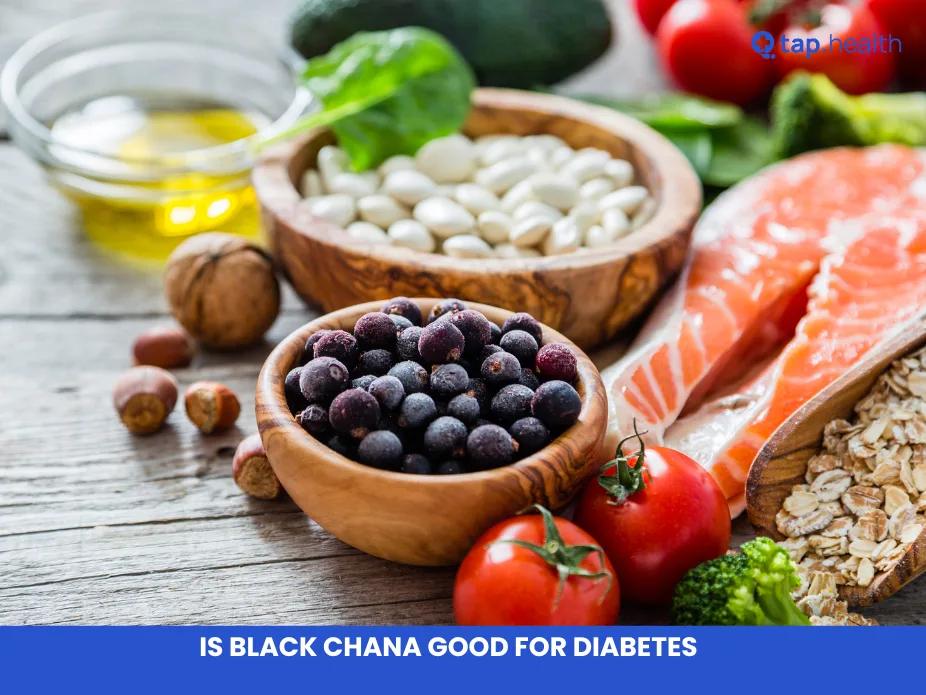
Yes, black chana (kala chana or black chickpeas) is one of the best foods for people with diabetes. Its low glycemic index, high fiber, and rich protein content make it a true superfood for blood sugar control, weight management, and heart health.
Why Black Chana Has a Low Glycemic Index
Black chana has a glycemic index of only 28–32, which is considered very low. Foods with low GI release glucose slowly into the bloodstream, preventing sudden blood sugar spikes. This slow digestion is mainly due to its high soluble and insoluble fiber content.
How Black Chana Helps Control Blood Sugar Levels
- High Dietary Fiber (7–8g per 100g boiled): Slows carbohydrate absorption and improves insulin sensitivity.
- Quality Protein (8g per 100g): Helps maintain steady glucose levels and increases satiety.
- Complex Carbohydrates: Provide sustained energy without rapid sugar fluctuations.
- Rich in Magnesium & Potassium: Support better insulin function and cardiovascular health.
Nutritional Profile of Black Chana (per 100g boiled)
- Calories: 140 kcal
- Carbohydrates: 27g
- Protein: 8–9g
- Dietary Fiber: 7–8g
- Fat: 2.5g
- Glycemic Index: 28–32
Black Chana vs White Chickpeas (Kabuli Chana) for Diabetes
Black chana has a lower GI and higher antioxidant and fiber content than white chickpeas, making it slightly superior for diabetes management and weight loss.
Best Ways to Eat Black Chana for Diabetics
- Sprouted Black Chana Salad Mix sprouted kala chana with cucumber, tomato, onion, coriander, lemon juice, and a pinch of black salt.
- Boiled Black Chana Chaat Toss boiled chana with chopped veggies, tamarind chutney (sugar-free), and chaat masala.
- Roasted Kala Chana Snack Dry roast with minimal oil, turmeric, red chili powder, and salt – perfect evening snack.
- Black Chana Curry (Low-Oil) Cook with tomatoes, ginger, garlic, and Indian spices; pair with one multigrain roti or small portion brown rice.
Portion Size Recommendation
½ to 1 cup (cooked) per meal is ideal. Always soak overnight and boil or sprout to reduce anti-nutrients and improve digestibility.
Real-Life Benefits Shared by People with Diabetes
Many individuals report stable post-meal readings (under 140 mg/dL) after replacing refined snacks with roasted or sprouted black chana. It also helps reduce hunger pangs and supports gradual weight loss – crucial for type 2 diabetes reversal.
Expert Opinion
Leading nutritionists and diabetologists recommend black chana as a regular part of Indian diabetic meal plans because of its perfect blend of low GI, high fiber, and plant-based protein.
Possible Side Effects & Precautions
Excess intake (>2 cups daily) may cause bloating or gas in some people. Start with small portions, drink plenty of water, and soak overnight to minimize digestive discomfort.
Frequently Asked Questions
Q1. Can diabetics eat black chana every day?
Yes, in moderation (½–1 cup cooked) as part of balanced meals.
Q2. Is roasted black chana good for diabetes?
Absolutely – it’s a crunchy, low-calorie, blood-sugar-friendly snack.
Q3. Should black chana be eaten soaked, boiled, or sprouted?
Sprouted or boiled forms are easiest to digest and most beneficial.
Q4. Does black chana help reduce HbA1c?
Regular consumption, along with overall diet control, has shown to lower HbA1c in many studies.
Q5. Can I eat black chana at night?
Yes, a small bowl of salad or boiled chana 2 hours before bed is fine and prevents morning spikes.
Is Black Chana Good for Diabetes? Final Answer from TapHealth
Yes — black chana is excellent for diabetes! Its low glycemic index, high fiber, quality protein, and essential minerals make it a diabetic superfood that helps stabilize blood sugar, promotes weight loss, and protects heart health. Include it daily in sprouted, boiled, or lightly roasted form, keep portions moderate, and enjoy delicious Indian-style preparations without guilt.
Make black chana a regular part of your diabetic meal plan and experience steady energy and better glucose control naturally.