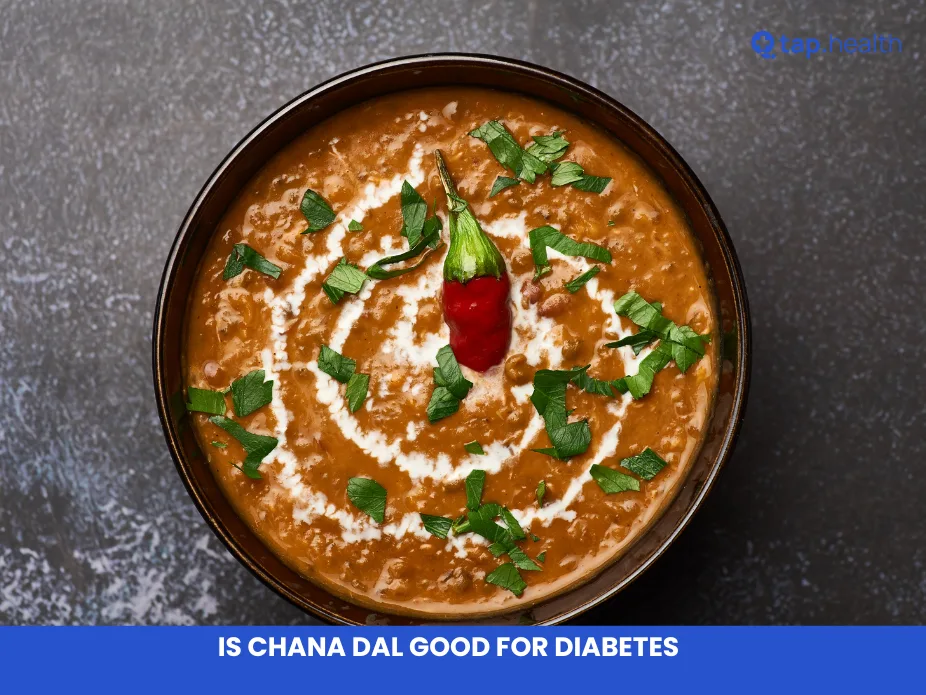
Chana dal, also known as split chickpeas or Bengal gram, is a low glycemic index food that helps manage blood sugar levels effectively. With a GI of just 28-32, it causes slow and steady glucose release, making it ideal for people with type 2 diabetes.
Why Chana Dal Has Low Glycemic Index and Controls Blood Sugar
The low glycemic index of chana dal comes from its perfect combination of soluble fiber, complex carbohydrates, and plant-based protein. This trio slows digestion and prevents sudden blood sugar spikes after meals. Studies show that regular intake of low GI legumes like chana dal improves HbA1c levels and fasting glucose in diabetic patients.
Nutritional Profile of Chana Dal for Diabetes Management
Per 100g cooked chana dal offers:
- Calories: 140 kcal
- Carbohydrates: 25g
- Protein: 8-9g
- Dietary Fiber: 7g
- Fat: 2-3g
- Rich in magnesium, potassium, iron, and B-vitamins
High fiber and protein content promote satiety, support weight management, and reduce insulin resistance—three major concerns in diabetes care.
Top Health Benefits of Chana Dal for Diabetic Patients
- Stabilizes Blood Sugar Levels Slow carbohydrate absorption prevents post-meal glucose spikes.
- Aids Weight Loss and Belly Fat Reduction High fiber keeps you full longer, reducing overall calorie intake.
- Supports Heart Health Potassium, magnesium, and antioxidants lower blood pressure and cholesterol—crucial since diabetics have higher cardiovascular risk.
- Improves Insulin Sensitivity Regular consumption enhances the body’s response to insulin over time.
- Boosts Energy Without Crashing Steady energy release prevents fatigue common in diabetes.
Best Ways to Eat Chana Dal for Diabetes Control
- Soak overnight and pressure cook with minimal oil
- Make chana dal khichdi with brown rice or quinoa
- Prepare vegetable-rich chana dal curry or soup
- Enjoy sprouted chana dal salad for breakfast
- Use in low-oil chana dal pancakes or cheela
Simple Low GI Chana Dal Recipes for Diabetics
- Diabetic-Friendly Chana Dal Khichdi Cook soaked chana dal with brown rice, spinach, tomatoes, and mild spices.
- Zero-Oil Chana Dal Vegetable Soup Perfect light dinner option loaded with fiber.
- Sprouted Chana Dal Salad Mix sprouts with cucumber, onion, lemon, and chaat masala.
- Baked Chana Dal Chaat Roasted chana dal mixed with veggies—no frying needed.
Portion Guidelines: How Much Chana Dal Per Day for Diabetes?
Stick to ¾–1 cup cooked chana dal (30-40g dry) per meal. Combine with non-starchy vegetables and whole grains to keep the overall meal GI low.
Precautions When Adding Chana Dal to Diabetic Diet
- Always soak 6-8 hours to reduce anti-nutrients and improve digestibility
- Start gradually if you experience bloating
- Avoid pairing with white rice, potatoes, or sugary chutneys
- Limit fried preparations like chana dal vada
What Experts Say About Chana Dal and Diabetes
Leading dietitians recommend chana dal as one of the best dals for diabetes because of its superior low GI value compared to moong, masoor, or urad dal. The American Diabetes Association also lists chickpeas and split chickpeas among top legume choices for blood sugar management.
People Also Ask (PAA) Quick Answers
Q: Which dal is best for diabetes?
A: Chana dal has the lowest glycemic index (28-32) among common Indian dals.
Q: Can diabetics eat chana dal daily?
A: Yes, in controlled portions (30-40g dry weight) with vegetables.
Q: Is roasted chana good for diabetes?
A: Yes, roasted chana (without oil/sugar) is an excellent low-GI snack.
Q: Does chana dal increase blood sugar?
A: No, its low GI prevents sharp rises when eaten in moderation.
Q: Is chana dal better than moong dal for diabetes?
A: Yes, chana dal has lower GI (28-32) than moong dal (around 38-45).
Is Chana Dal Good for Diabetes? | TapHealth Final Verdict
Yes—chana dal is excellent for diabetes management. Its low glycemic index, high fiber, quality protein, and essential minerals make it a smart, tasty, and budget-friendly addition to any diabetic meal plan. Include it 4-5 times a week in soups, curries, salads, or khichdi, and enjoy stable blood sugar, better energy, and improved overall health without giving up desi flavors.